
When you watch a live stream that feels almost as instant as a video call, there is a good chance a modern web standard is involved behind the scenes. WHEP for WebRTC playback is one of those terms creators, broadcasters, and platform engineers now encounter in streaming dashboards, encoder settings, and developer docs. Understanding how WHEP protocol works helps you design smoother low-latency streaming experiences and troubleshoot playback issues across browsers and devices.
Repair Corrupted Files To Save Your Data
 Security Verified. Over 7,302,189 people have downloaded it.
In this article
What Is WHEP for WebRTC Playback?
WHEP for WebRTC playback stands for WebRTC-HTTP Egress Protocol. It is a standard way for a player (usually a web or mobile app) to receive real-time video and audio streams over WebRTC using simple HTTPS endpoints. While WebRTC is the underlying real-time media technology, WHEP defines how clients request, negotiate, and maintain playback sessions using regular web APIs instead of custom signaling.
In plain terms, WHEP protocol is what lets a browser-based or embedded player pull a WebRTC live stream from a server or CDN with low latency, without every platform inventing its own proprietary signaling scheme. You might see WHEP mentioned in documentation for live video platforms, streaming servers, cloud media services, or when engineers plan how to deliver ultra‑low‑latency playback alongside more traditional HLS or DASH outputs.
How Does WHEP for WebRTC Playback Work in the Real Workflow?
In a real streaming workflow, WebRTC playback with WHEP sits on the playback or distribution side of the chain, after your video has already been captured and encoded. The typical path looks like this:
- Camera or screen capture records the content.
- An encoder or broadcasting application sends the stream to a media server or cloud service, often using WebRTC, RTMP, or SRT.
- The media server publishes the content as multiple outputs: HLS/DASH for traditional streaming and a WHEP endpoint for low-latency WebRTC playback.
- Viewers connect through a WHEP-compatible player that pulls the stream with minimal delay.
WHEP uses a simple HTTP-based API to negotiate a WebRTC session. Instead of a custom signaling server, the player sends an HTTPS request to the WHEP endpoint with an SDP offer (the WebRTC session description). The server responds with an SDP answer and session details. Once this exchange is complete, the browser and server establish peer-to-peer style media channels (usually via a TURN/ICE infrastructure) and the video starts playing in real time.
From a tools perspective, here is how it shows up:
- Streaming servers and clouds: Platforms like modern WebRTC CDNs or media servers expose a URL such as https://example.com/whep/stream-id. That URL is the WHEP endpoint your player hits to start playback.
- Web players: Developers integrate WHEP by adding JavaScript that creates a WebRTC PeerConnection, calls the WHEP endpoint using fetch or XHR, sends the SDP offer, and then attaches the received media tracks to a video element.
- Encoding workflows: When you configure a live workflow, you will often see options like "Enable WHEP output" or "WebRTC playback endpoint," which determine whether your stream is available via WHEP alongside HLS or DASH.
For example, imagine you are running a live sports production. Cameras feed into a switching and encoding system, which sends a mezzanine stream to a WebRTC-capable media server. The server creates a WHEP endpoint per match. The website or app used by viewers embeds a player that calls those WHEP URLs for real-time low latency streaming, providing sub-second delay, while also offering an HLS fallback for older devices.
Recording, editing, encoding, and exporting with WHEP in mind
Although WHEP itself focuses on playback signaling, it influences choices earlier in the content chain:
- Recording: You still capture footage using cameras, capture cards, or screen recorders. Because WHEP is optimized for real-time delivery, creators often prefer progressive scan, stable frame rates (30/60 fps), and consistent exposure to ensure clean motion at low latency.
- Editing and graphics: Editors may use live graphics systems, overlays, and scene switching tools that output directly to a WebRTC or RTMP ingest. The goal is to minimize extra delay caused by heavy effects rendering.
- Encoding: WebRTC streams used with WHEP generally use codecs such as H.264 or VP8 with relatively low GOP sizes, tuned for interactivity. Bitrate ladders are often shallower than VOD because real-time encoding requires fast adaptation.
- Exporting / output: Instead of exporting a final file, the encoder continuously outputs a live stream that the server can publish via WHEP. For post-produced content, you may export from an NLE (like Premiere Pro or DaVinci Resolve) and then play it as a looped live source within a WebRTC publishing tool.
Delivery, streaming, playback, and platform compatibility
In delivery, WHEP sits beside traditional HTTP streaming:
- Hybrid delivery: Many platforms offer both WHEP (WebRTC playback) for real-time viewers and HLS/DASH for scale or DVR. WHEP serves audiences that need instant feedback (betting, auctions, gaming), while HLS serves long-tail viewers and devices that cannot run WebRTC.
- Playback: Modern browsers (Chrome, Edge, Safari, Firefox) include WebRTC support, so when a web app uses WHEP to negotiate the session, playback happens natively inside the browser. Native mobile apps can also integrate WHEP using platform-specific WebRTC SDKs.
- Platform compatibility: Because WHEP is HTTP-based, it works well with CDNs, firewalls, and load balancers. Architects can route WHEP traffic like any other web API while still offering sub-second live video.
If something goes wrong in this part of the chain, viewers might see stuttering, black frames, corrupted segments, or recorded copies from the live stream might become partially unreadable. When this happens, you need a dedicated repair tool to fix the resulting video files.
Where Is WHEP for WebRTC Playback Commonly Used?
WHEP for WebRTC playback shows up in a wide range of real-time and interactive video scenarios, typically when delays greater than a second start to hurt the user experience or business model. Both consumer platforms and enterprise systems adopt WHEP as a modern, standards-based alternative to proprietary low-latency solutions.
Low-latency live streaming and events
Many sectors rely on low latency streaming to keep audiences engaged:
- Sports and esports: Fans expect near-live action to avoid spoilers from social media or stadium noise. WHEP-backed WebRTC playback can cut latency far below typical HLS, making live bets, polls, and chats feel more natural.
- Concerts and virtual events: Artists and event hosts can trigger crowd interactions, Q&As, and reactions in sync with what viewers see.
- News and live reporting: Broadcasters can share breaking news with delay closer to a video call than a traditional TV signal.
Interactive and real-time platforms
WHEP also powers platforms where video is part of a two-way or highly interactive experience:
- Online auctions and live shopping: Buyers need to see items and bid or purchase without long delays. Sub-second live video playback helps keep conversion rates high.
- iGaming and betting: Real-time odds, game decisions, and regulatory requirements often demand minimal delay between action and view.
- Education and training: Instructors running live labs, music lessons, or language classes can watch and react to students almost instantly.
- Enterprise and monitoring: Companies use real-time video for operations monitoring, telemedicine, remote inspections, and support. Web dashboards relying on WHEP endpoints offer secure low-latency views integrated into existing web apps.
Creators and engineers are most likely to see references to WHEP in developer portals for streaming providers, SDK documentation for video players, or configuration screens in media servers and cloud encoders. Even if you never code against WHEP directly, understanding that it underpins modern WebRTC playback helps you diagnose latency, quality, and recording issues across your workflow.
How to Use Repairit to Fix a Corrupted Video File
Real-time workflows using WHEP and WebRTC often involve continuous recording, quick exports, and rapid iteration. Network issues, sudden power loss, or software crashes can easily leave you with corrupted MP4, MOV, or other video files that will not play correctly. Wondershare Repairit is designed to solve this problem quickly, even for large or important recordings from live streams, cameras, and editing systems.
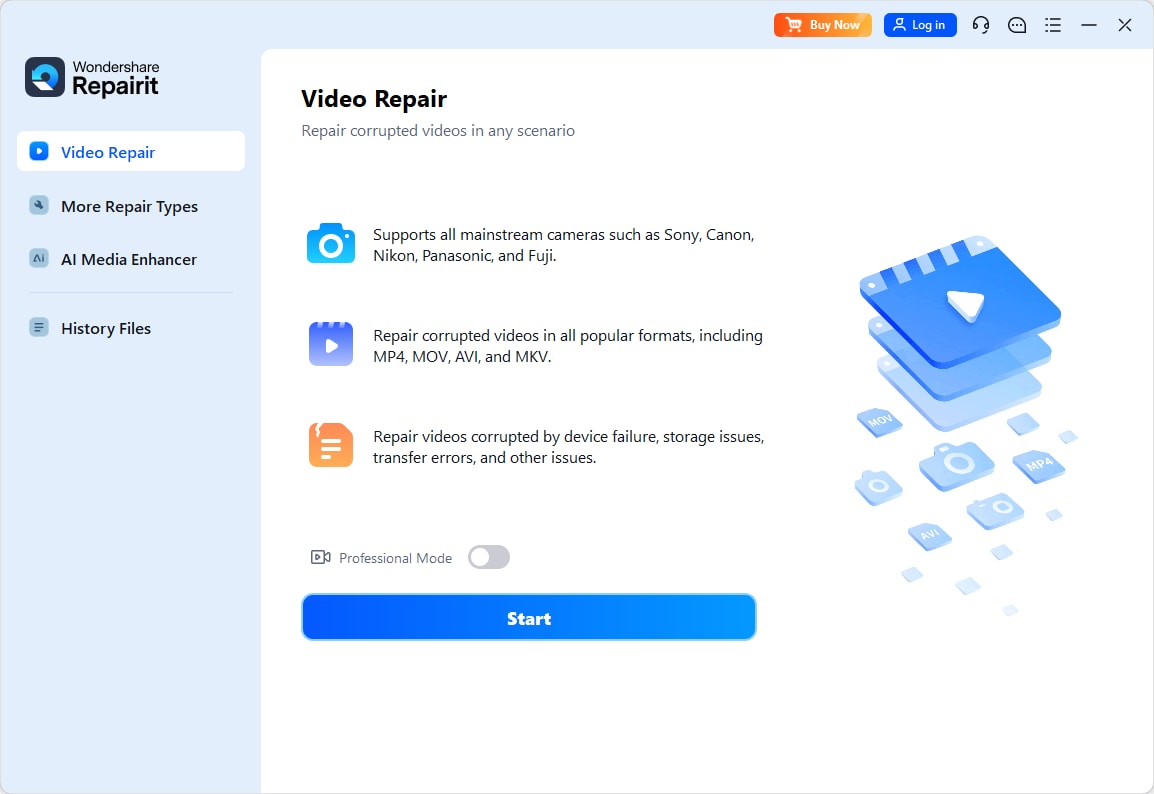
You can learn more and download the tool from the Repairit official website. Once installed, Repairit guides you through a simple process to analyze broken headers, frames, and metadata so your video becomes viewable again in common players and editing software.
Key features of Repairit for video repair
- Repairs corrupted or unplayable videos in popular formats such as MP4, MOV, M4V, and more from cameras, phones, and computers.
- Supports multiple corruption scenarios including frozen frames, missing audio, gray or black screens, and files that refuse to open.
- Offers an intuitive interface with preview, batch processing, and advanced repair options for badly damaged footage.
Step-by-step: repair a corrupted video file
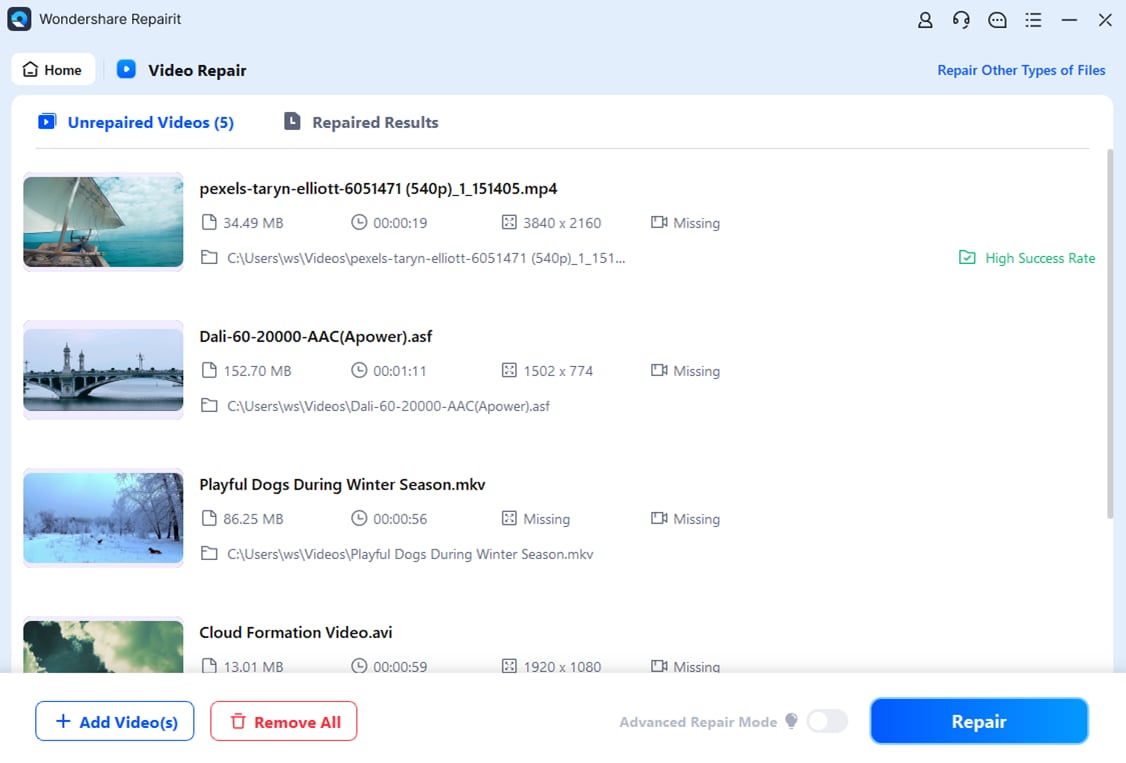
- Add corrupted video files
- Repair video files
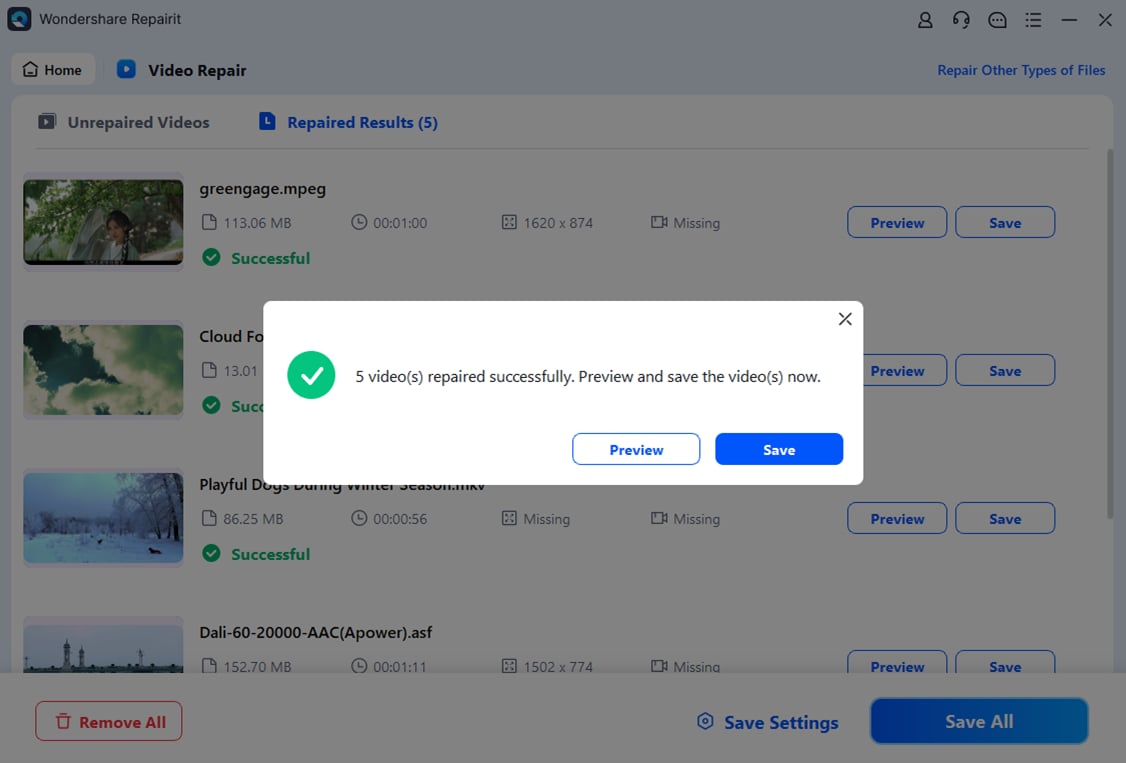
- Save the repaired video files
Conclusion
WHEP for WebRTC playback fills a crucial gap between low-level WebRTC technology and practical, scalable delivery for modern live video. By standardizing how players request and receive real-time streams, the WHEP protocol helps creators, platforms, and enterprises offer sub-second live video playback without relying on proprietary signaling systems.
At the same time, intensive real-time workflows inevitably produce corrupted or partially written video files from time to time. When that happens, Wondershare Repairit gives you a reliable way to rescue valuable recordings, restore compatibility with editing tools and players, and keep your streaming pipeline running smoothly.
Next: Glass-to-Glass Latency in Live Video Streaming
FAQ
-
1. What is the main purpose of WHEP for WebRTC playback?
WHEP defines a standard, HTTP-based way for players to request and receive WebRTC live streams. It removes the need for custom signaling servers and lets browsers and apps establish real-time playback sessions with simple web APIs, while still benefiting from WebRTCs ultra-low latency. -
2. How is WHEP different from HLS or DASH?
HLS and DASH use HTTP-based segment delivery and typically have higher latency, often several seconds or more. WHEP, built on WebRTC, is optimized for sub-second or near real-time playback. Many platforms use HLS/DASH for scale and DVR, and WHEP for interactive or latency-sensitive audiences. -
3. Do I need to change how I record or edit video to use WHEP?
Not necessarily. You still record and edit video using your usual cameras and NLEs. However, for the best WHEP/WebRTC experience, it helps to use stable frame rates, consistent exposure, and encoding settings tuned for real-time delivery, such as shorter GOPs and bitrates appropriate for interactive viewing. -
4. Can WHEP streams be played on all devices?
Modern browsers support WebRTC and can play WHEP streams when a compatible player is implemented. Native mobile and TV apps can also use WebRTC SDKs. Some legacy devices, however, lack WebRTC support, so many services provide HLS or DASH fallbacks for those environments. -
5. How can I fix corrupted recordings created from a WHEP/WebRTC live stream?
If your recorded MP4, MOV, or other files become unplayable due to crashes, power loss, or transfer errors, you can use Wondershare Repairit. Add the corrupted videos, let Repairit analyze and repair them, then save the recovered copies for playback or editing.