If Windows Sound Settings will not open, first check whether only the Sound page is affected or the entire Settings app is failing. If the Settings app opens normally but System > Sound does not, focus on the Sound settings URI, Windows audio services, updates, and system files. If Windows Sound opens correctly but one MP3, WAV, M4A, or other audio file will not play, troubleshoot the file separately instead of treating it as a Windows Settings problem.
The fixes below apply to Windows 10 and Windows 11, although menu names can differ slightly. Windows 10 reached end of support on October 14, 2025, so Windows 10 users should also consider moving to Windows 11 when the PC is eligible.
In this article
-
- Method 1. Open Sound Settings Directly With ms-settings:sound
- Method 2. Restart Windows
- Method 3. Restart Windows Audio Services
- Method 4. Install Available Windows Updates
- Method 5. Repair Windows System Files With DISM and SFC
- Method 6. Use System Restore If the Problem Started After a Recent Change
Part 1. Why Won't Windows Sound Settings Open?
Windows Sound Settings can fail to open because the Settings page itself is not launching correctly, Windows audio services have stopped, system files are damaged, a pending update has not been applied, or a recent system change has caused the Settings component to malfunction.
| What happens | Most likely area | What to try first |
| Settings opens, but System > Sound does not | Sound page, Settings URI, or Windows audio services | Open ms-settings:sound, then restart audio services |
| The entire Settings app will not open | Windows Settings or system-file problem | Restart Windows, update Windows, then run DISM and SFC |
| Sound Settings stopped opening after an update | Incomplete update, driver change, or damaged Windows component | Install pending updates first; use System Restore only if needed |
| Sound Settings opens, but there is no sound | Audio device, driver, volume, service, or app-specific issue | Use Windows audio troubleshooting rather than this Settings-page workflow |
| Sound Settings works, but one audio file will not open | File format, player compatibility, or file corruption | Try another player or another copy of the file |
If your main symptom is no sound rather than a Sound Settings page that will not open, keep that issue separate. The current page should remain focused on the Settings interface and related Windows components.
Part 2. 6 Ways to Fix Sound Settings Not Opening in Windows 10/11
Method 1. Open Sound Settings Directly With ms-settings:sound
Best for: The Settings app opens, but clicking the Sound page does nothing or the normal shortcut fails.
- Press Windows + R to open Run.
- Type ms-settings:sound and press Enter.
- If the Sound page opens, the direct Settings URI is working even if another shortcut is not.
- If it still does not open, continue with the service and system-file fixes below.
Microsoft currently documents ms-settings:sound as the Windows Settings URI for the Sound page. You can also use ms-settings:sound-devices to open the Sound devices page.
Method 2. Restart Windows
Best for: A temporary Settings or audio-service failure that started without a clear system change.
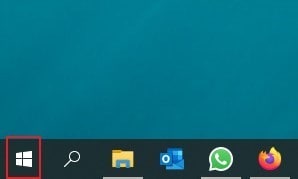
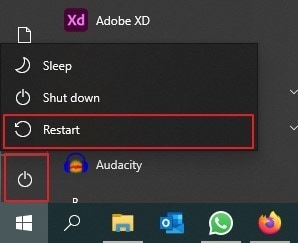
Step 1. Open the Start menu and select the Power icon.
Step 2. Select Restart, then try opening Sound Settings again after Windows loads.
Method 3. Restart Windows Audio Services
Best for: Sound Settings is unresponsive and Windows audio components are also behaving incorrectly.
Step 1. Press Windows + R, type services.msc, and press Enter.
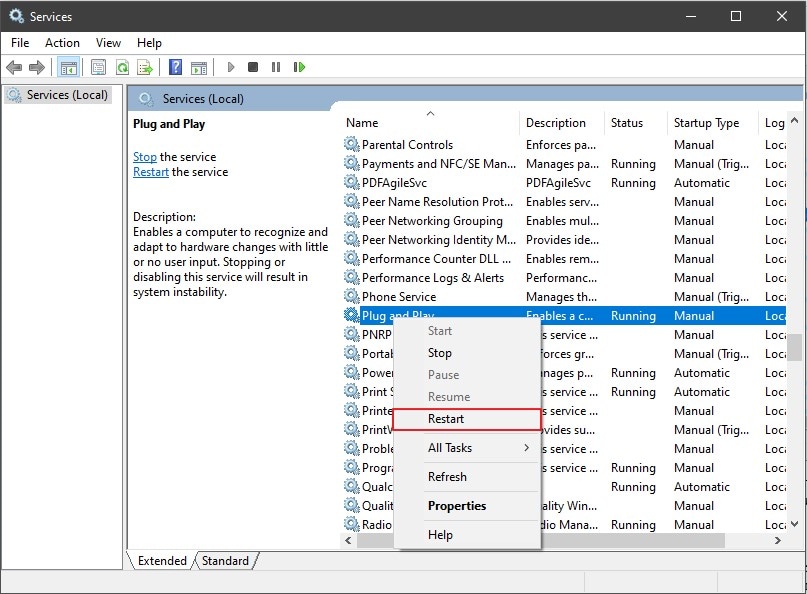
Step 2. Find Windows Audio in the Services list.
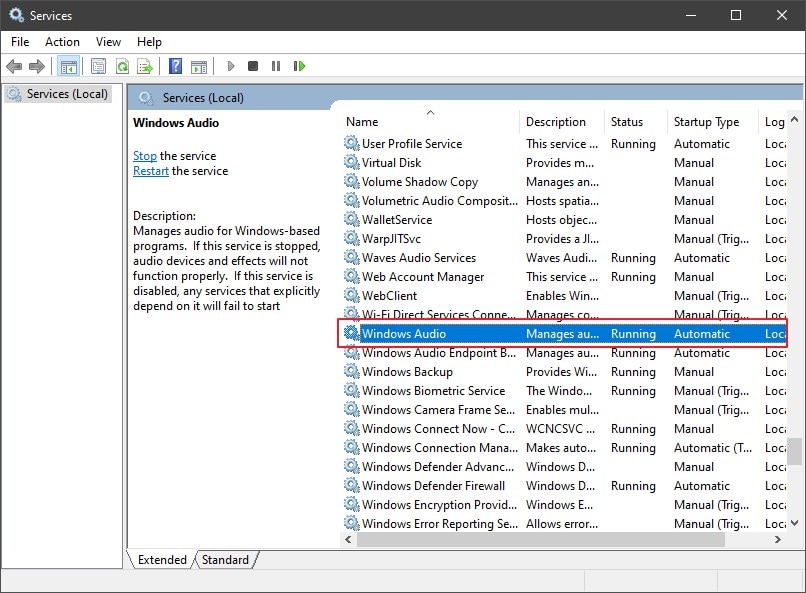
Step 3. Right-click Windows Audio and choose Restart. Then restart Windows Audio Endpoint Builder as well.
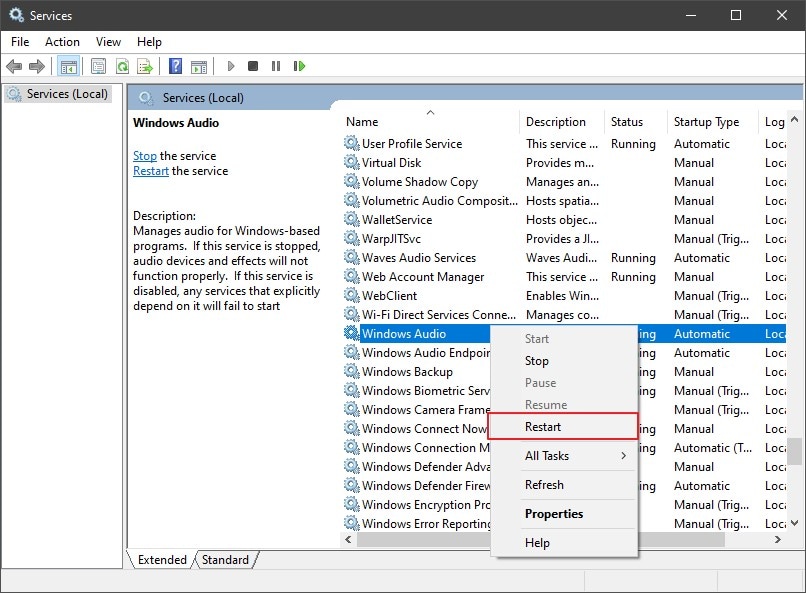
Microsoft currently recommends restarting Windows Audio and Windows Audio Endpoint Builder for Windows audio problems. After restarting the services, test ms-settings:sound again.
Method 4. Install Available Windows Updates
Best for: Sound Settings began failing after Windows components became outdated or an earlier update did not finish correctly.
Step 1. Search for Settings from the taskbar and open it if possible.
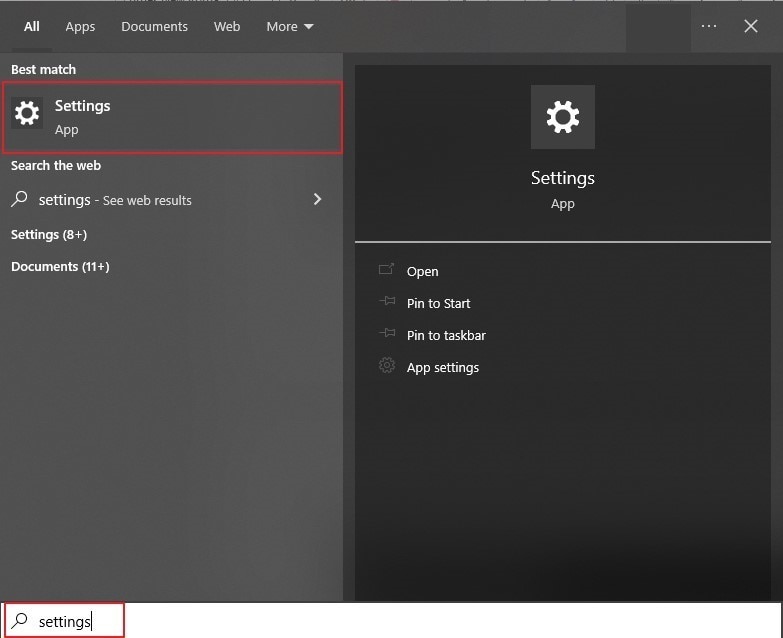
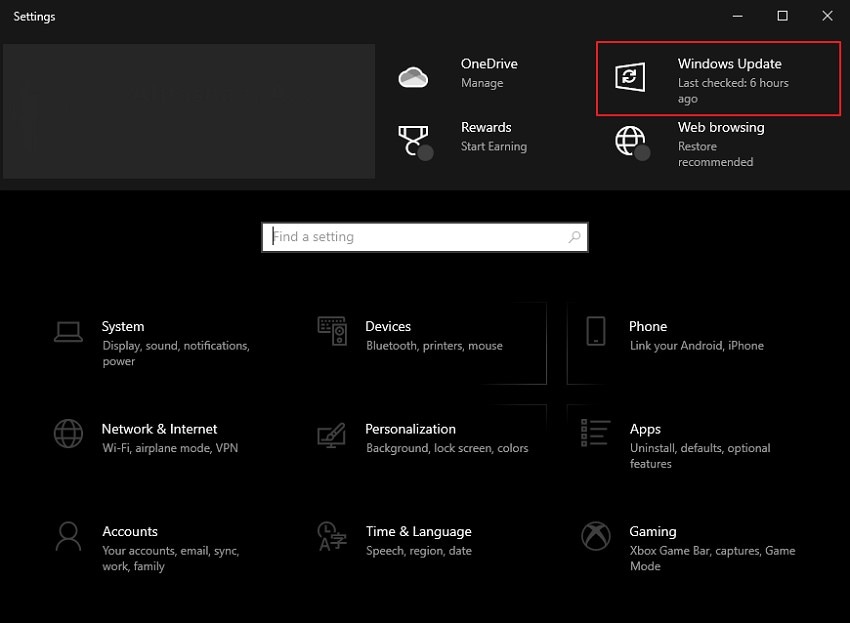
Step 2. Open Windows Update on Windows 11, or Update & Security > Windows Update on Windows 10.
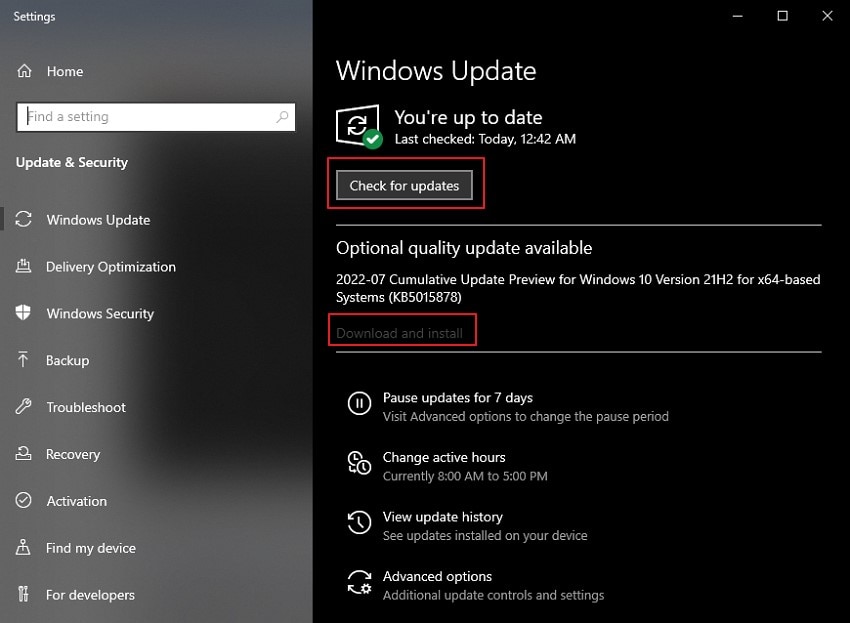
Step 3. Select Check for updates, install available updates, and restart the PC when required.
Method 5. Repair Windows System Files With DISM and SFC
Best for: The Settings app or Sound page repeatedly fails, freezes, or behaves as if Windows components are damaged.
Microsoft currently recommends running DISM before SFC when repairing missing or corrupted Windows system files.
Step 1. Open an elevated Command Prompt. Search for Command Prompt, right-click it, and choose Run as administrator.
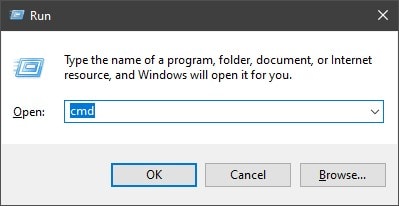
Step 2. Run the following command and wait for it to finish:
DISM.exe /Online /Cleanup-image /Restorehealth
Step 3. Then run:
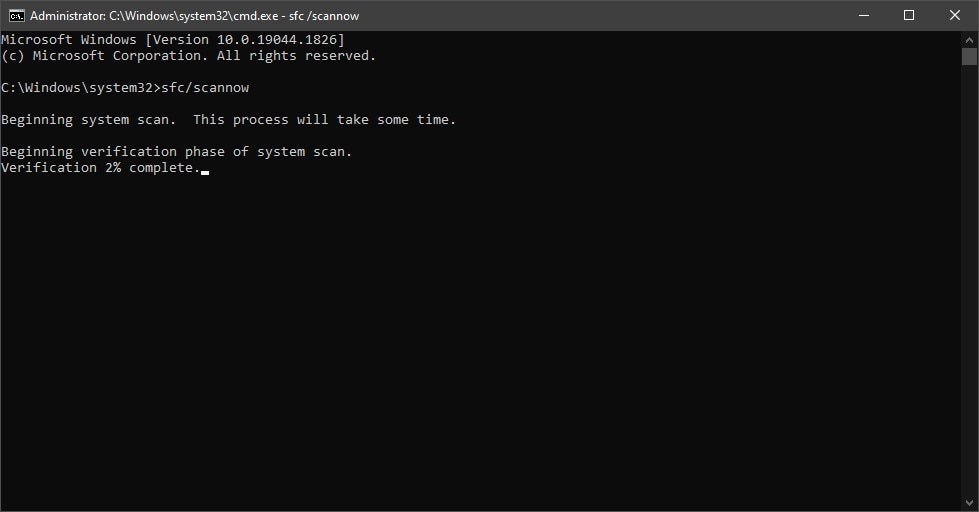
sfc /scannow
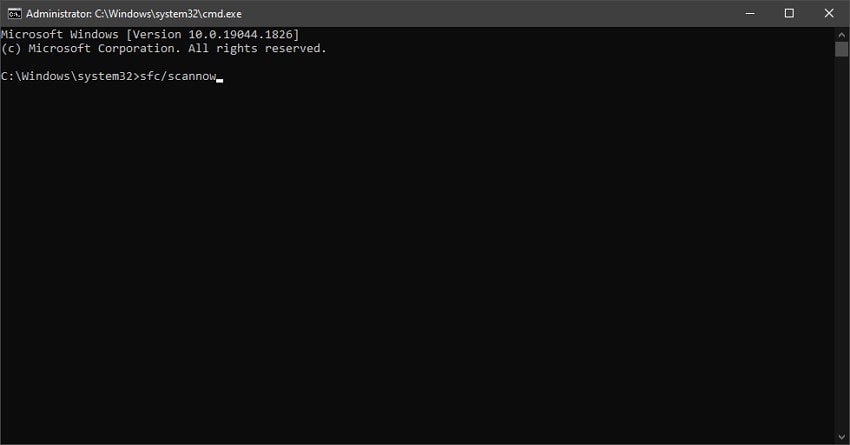
Step 4. Wait until verification completes, restart Windows, and test Sound Settings again.
Method 6. Use System Restore If the Problem Started After a Recent Change
Best for: Sound Settings stopped opening immediately after a recent Windows update, driver installation, or system change and the earlier methods did not help.
System Restore should be a later step, not the first fix. It can roll Windows system files and settings back to an earlier restore point while leaving personal files in place, but recently installed apps, drivers, or updates may be affected.
Step 1. Search for Create a restore point, open it, and select System Restore.
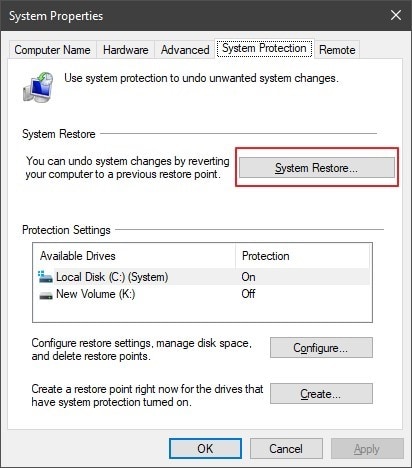
Step 2. Choose a restore point from before the Sound Settings problem began.
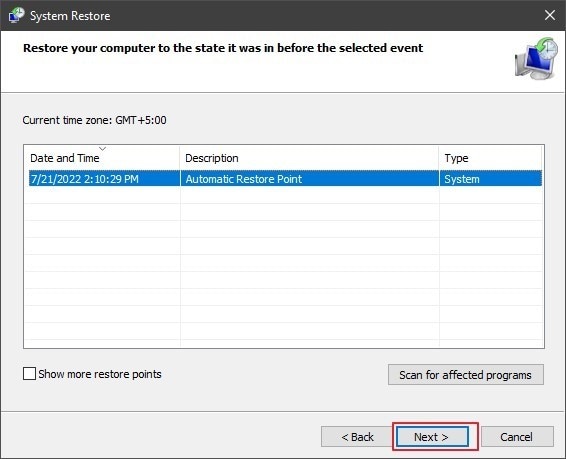
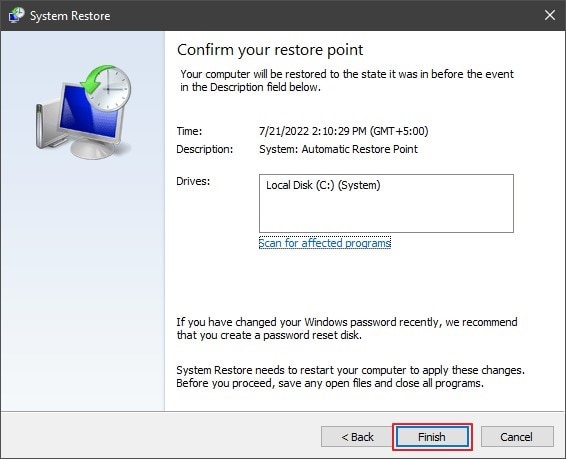
Step 3. Review the restore point, select Finish, and allow Windows to restart.
Part 3. How to Reset or Reopen Sound Settings Without the Settings App
If your goal is simply to reach sound controls while the normal Settings shortcut is failing, use these alternatives before making deeper system changes:
| Need | Command or route | What it opens |
| Open the main Sound page | ms-settings:sound | Windows System > Sound |
| Open Sound devices | ms-settings:sound-devices | Connected sound devices |
| Open Volume mixer | ms-settings:apps-volume | App and device volume controls |
| Open the classic Sound control panel | mmsys.cpl | Playback and Recording device tabs |
If the direct Sound URI opens correctly, you may not need to reset Windows sound settings at all. First correct the specific output device, volume, or app setting that is wrong. If none of the Settings URIs work, return to the Windows service, update, and system-file fixes above.
Part 4. What to Do If Sound Settings Open but an Audio File Will Not Play
If Sound Settings opens normally but one audio file will not open or play, the Windows Settings page is no longer the main problem. Try the file in another player, re-download or re-copy it when possible, and confirm the format is supported. If the same local file remains unreadable or damaged across multiple players, file-level repair may be appropriate.
Repairit Audio Repair supports corrupted audio formats including MP3, M4A, AAC, WAV, FLAC, WMA, AIF, and AIFF. The broader Wondershare Repairit toolkit also includes repair workflows for other supported file types.
Use the desktop workflow below only when the audio file itself is corrupted, not when Windows Sound Settings simply fails to open.
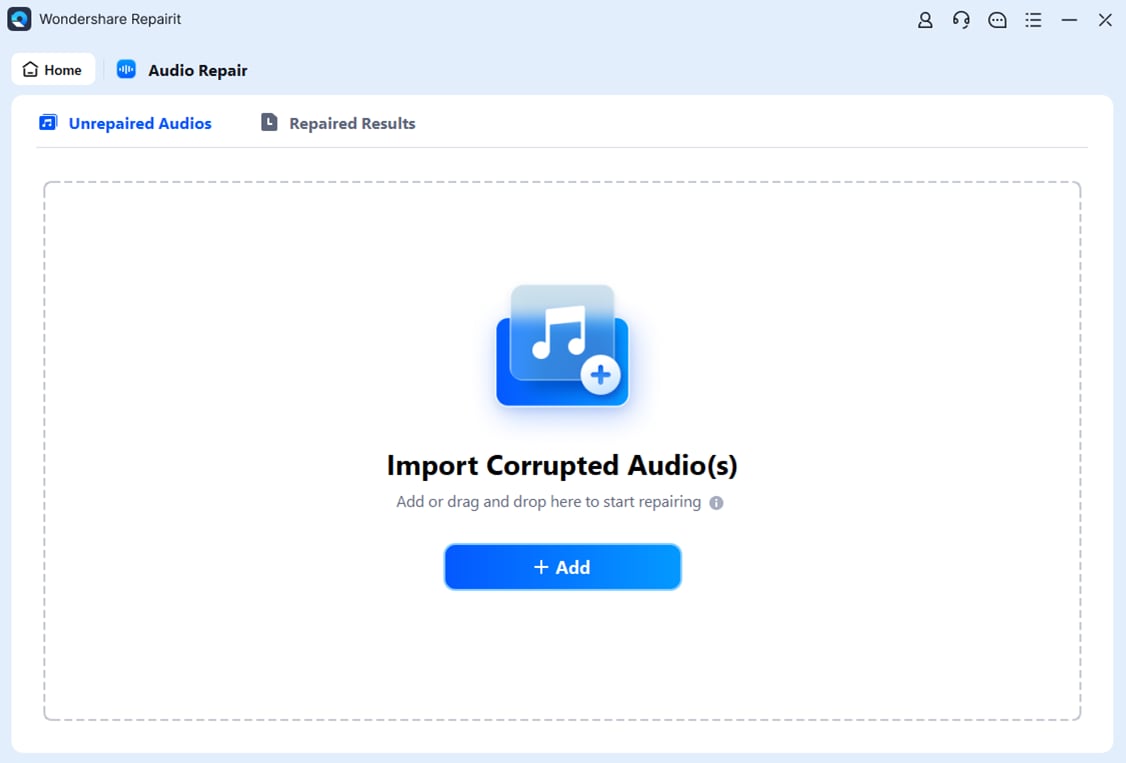
Step 1. Add the corrupted audio. Open Repairit, choose More Types Repair > Audio Repair, and select +Add to import the affected audio file.
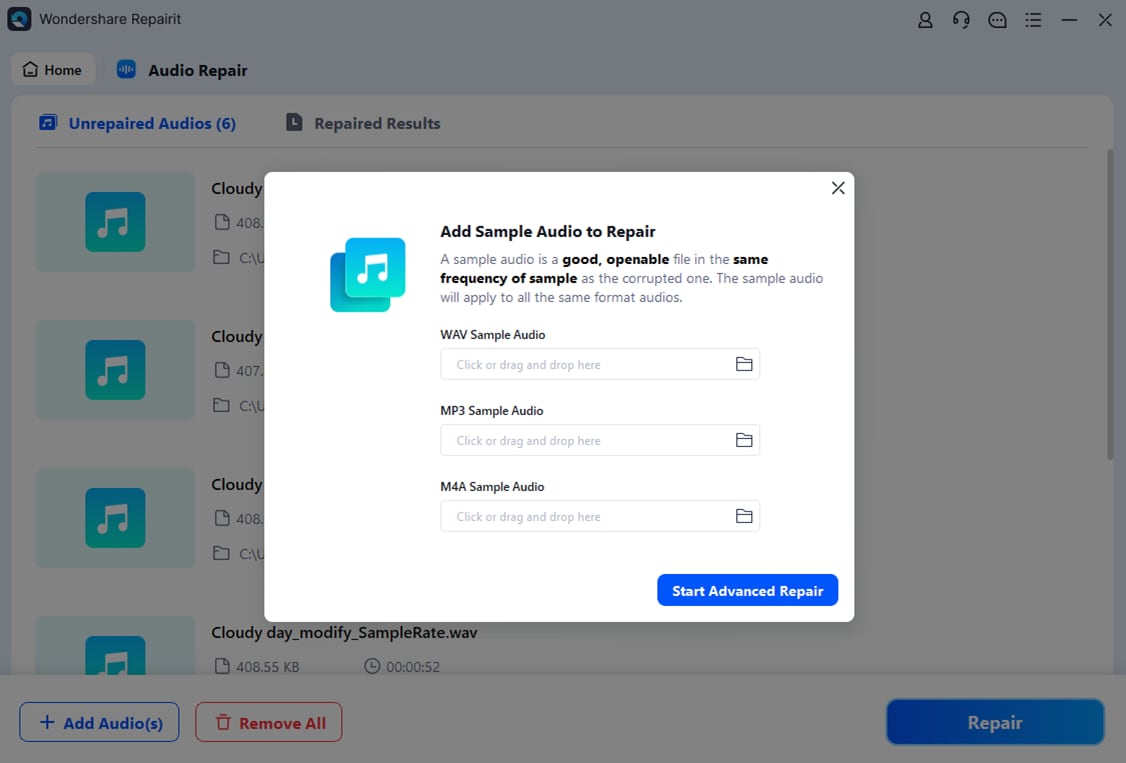
Step 2. Add sample audio when prompted and start Advanced Repair. A healthy sample helps Repairit analyze the damaged audio structure for the advanced repair workflow.
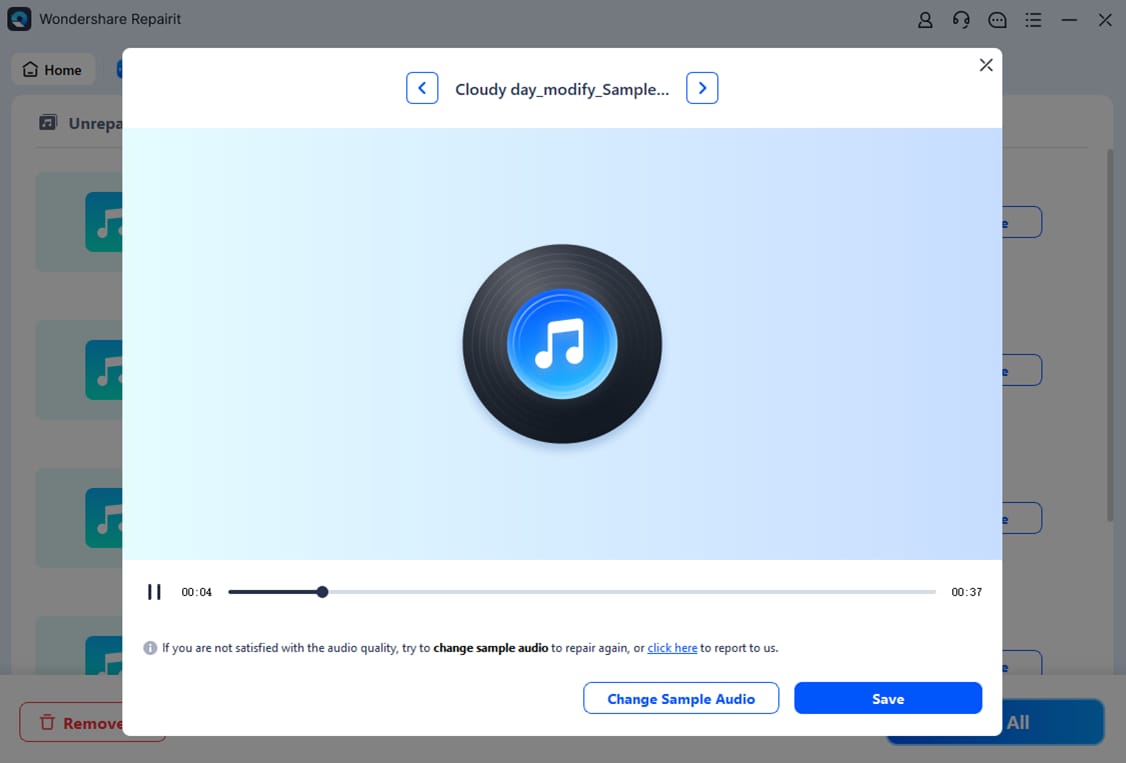
Step 3. Preview and save the repaired audio. Review the repaired result, then save it to a different folder from the damaged source.
Part 5. Windows 10 Support Status in 2026
Windows 10 reached end of support on October 14, 2025. Windows 10 PCs still run, but Microsoft no longer provides normal technical support, feature updates, or standard security updates unless the device is covered by an eligible Extended Security Updates program.
If your computer supports Windows 11, moving to the supported operating system is the better long-term path for Windows Settings, driver, security, and audio-component updates.
Conclusion
When Windows 10 or Windows 11 Sound Settings will not open, troubleshoot the Settings page and Windows components before touching the audio file itself. Try ms-settings:sound, restart Windows, restart Windows Audio services, install updates, and repair system files with DISM and SFC. Use System Restore only when the problem clearly began after a recent system change. If Sound Settings works but one audio file remains unreadable across multiple players, then move to file-level audio repair.
FAQ
-
Why won't Sound Settings open in Windows 10 or Windows 11?
The Sound page can fail because Windows Settings is not launching correctly, audio services are stopped, Windows components are damaged, an update is incomplete, or a recent system change has caused the Settings page to malfunction. Test the direct ms-settings:sound URI first, then restart audio services and repair Windows system files if needed. -
How do I open Sound Settings with a Run command?
Press Windows + R, type ms-settings:sound, and press Enter. Microsoft documents this URI as the direct Windows Settings link for the Sound page. -
How do I reset sound settings in Windows 10?
There is no single universal reset button for every Windows audio setting. Start by reopening the Sound page, checking the correct output device and Volume mixer, restarting Windows Audio services, and correcting only the affected setting. If Windows components themselves are damaged, use DISM and SFC. -
Should I restart Windows Audio if Sound Settings will not open?
Yes, it is a reasonable early fix when audio components are also behaving incorrectly. Restart Windows Audio and Windows Audio Endpoint Builder from services.msc, then try opening Sound Settings again. -
Can SFC fix Windows Sound Settings not opening?
SFC can repair missing or corrupted protected Windows system files that may cause Windows features to malfunction. Microsoft currently recommends running DISM /RestoreHealth before sfc /scannow when repairing Windows system files. -
Does Windows 10 still receive normal support in 2026?
No. Standard Windows 10 support ended on October 14, 2025. Windows 10 can still run, but normal technical support, feature updates, and standard security updates have ended unless the device is covered by an eligible Extended Security Updates option.