
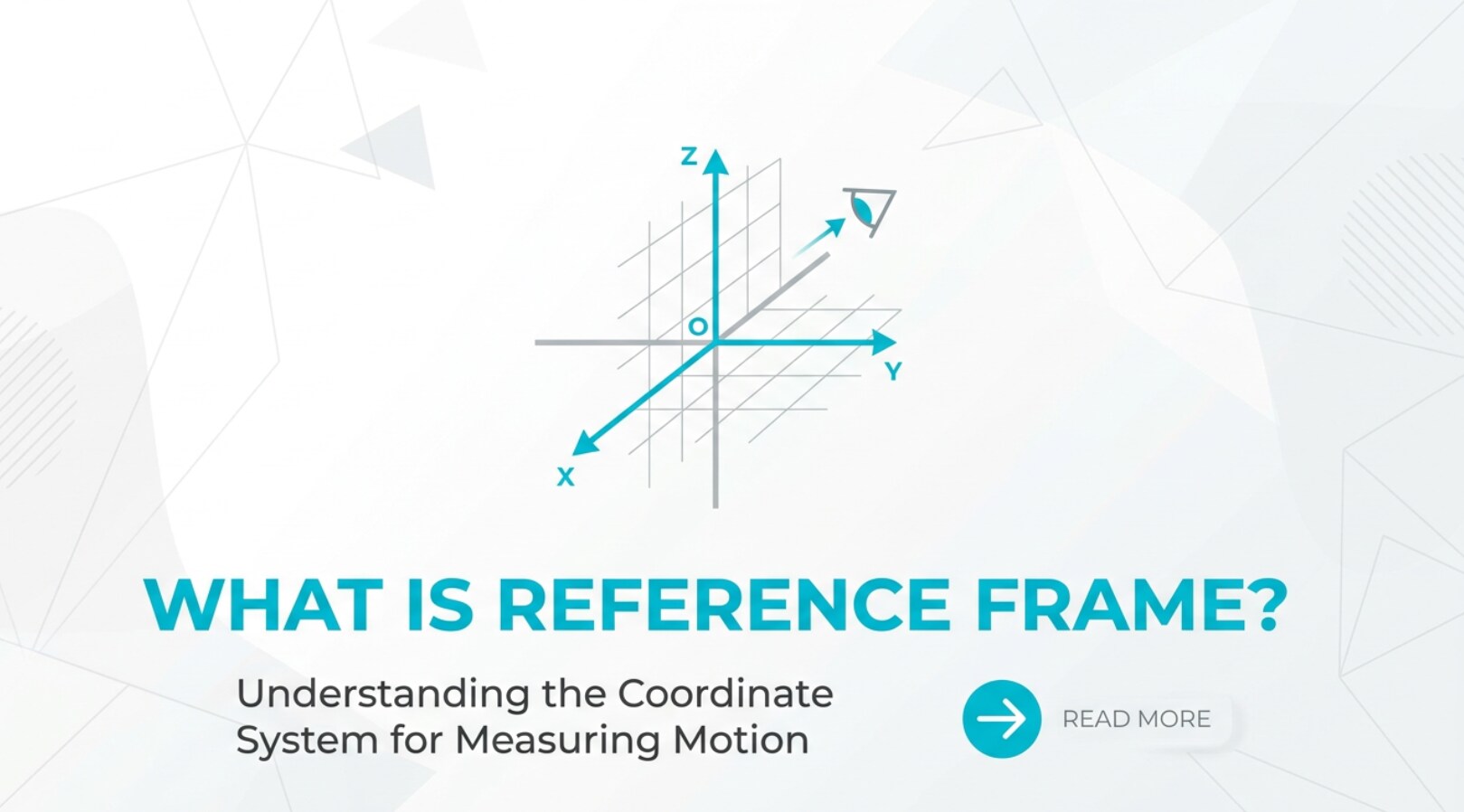
A reference frame is one of those hidden settings that quietly controls how your videos look and how large the files become. You will see it mentioned in camera specs, editing and export settings, FFmpeg or OBS options, and codec docs for H.264, HEVC, or AV1. Understanding what a reference frame does helps you tune quality, avoid glitchy playback, and troubleshoot corrupted or heavily compressed footage across recording, editing, exporting, streaming, and sharing platforms.
Repair Corrupted Files To Save Your Data
 Security Verified. Over 7,302,189 people have downloaded it.
In this article
What Is Reference Frame?
In video compression, a reference frame is a stored picture that other frames use as a starting point so the encoder only has to keep track of what changes between images. It belongs to the category of prediction tools used in modern video codec designs such as H.264/AVC, HEVC, and AV1. Instead of saving every frame as a full picture, the encoder saves some frames as baselines and describes later frames as differences from those baselines, which is fundamental to efficient video encoding and decoding.
Reference frames appear in several frame types:
- I-frame (intra-frame): a self-contained picture that can serve as a clean reference.
- P-frame (predicted frame): uses one or more past reference frames to describe motion and changes.
- B-frame (bi-directional frame): uses both past and future reference frames for more accurate prediction.
Together, these frame types form the GOP (Group of Pictures) structure, where chosen frames act as references to reconstruct the rest of the sequence during video decoding.
Why Is Reference Frame Important in Video Compression?
Benefits of reference frames for compression
The main problem a reference frame solves is how to represent moving images using far fewer bits than storing every frame independently. Because most adjacent frames in a video are very similar, codecs use reference frames to encode only motion and changes instead of all pixels.
This brings multiple advantages:
- Lower bitrate and smaller file size: By reusing information across frames, codecs like H.264 and HEVC can shrink bandwidth needs for streaming and storage without visibly hurting quality.
- Better motion handling: Motion vectors describe how objects move relative to reference frames, which improves clarity in pans, camera moves, and action scenes.
- Higher image quality at the same bitrate: Good reference frames let the encoder allocate bits more efficiently, reducing blockiness, banding, and random noise.
- Smoother streaming: Efficient inter prediction based on reference frames makes it easier to deliver HD and 4K video across limited Internet connections.
Limitations and trade-offs of reference frames
While powerful, using many reference frames also has trade-offs:
- Decoding complexity: The decoder must keep multiple reference frames in memory, which increases RAM usage and processing load, especially on phones, TVs, or older hardware players.
- Error propagation: If a key reference frame becomes corrupted, all later frames that depend on it may show artifacts, green blocks, or freezing until the next clean I-frame appears.
- Less editing-friendly: Long GOP structures with few I-frames and many predicted frames make precise frame-accurate editing slower, since software must decode from a reference frame before your cut.
- Latency for live streaming: Heavy use of B-frames (which look forward as well as backward) can add delay because the encoder and decoder must wait for future frames.
Choosing how many reference frames, which GOP structure, and what balance of I-, P-, and B-frames to use is always a compromise between file size, quality, editing ease, and playback performance.
How Does Reference Frame Work in the Encoding Workflow?
Within the encoding workflow, reference frame handling sits in the inter prediction stage, right after basic picture analysis and before transform, quantization, and entropy coding. The sequence typically works like this:
- The encoder decides the GOP layout: where to place I-frames, how often, and how many P- and B-frames will sit between them.
- For each new frame, it checks whether the current picture will be stored as a reference frame (e.g., an I-frame or select P-frame) or just as a predicted frame.
- When encoding a predicted frame, the encoder looks into one or more stored reference frames to find blocks of pixels that match the current content, then records motion vectors and residual differences.
- The encoded data is then transformed, quantized, and compressed via entropy coding (like CABAC or CAVLC).
You can see and control reference-frame behavior in real tools:
- FFmpeg: Options like
-g(GOP length),-bf(number of B-frames), and codec-specific flags like-refsin x264/x265 impact how many reference frames are used. - x264/x265 libraries: Expose detailed settings for reference-frame count, B-frame strategy, and scene-cut detection.
- OBS Studio: Lets you set keyframe interval and choose encoders (x264, NVENC, etc.), which internally control I-frame spacing and reference usage for streaming.
- HandBrake: Offers presets for H.264/H.265 that define GOP size and reference-frame behavior for common targets like YouTube, Vimeo, and devices.
- Adobe Premiere Pro / Media Encoder: Export settings (e.g., keyframe distance, profile, and level) influence how many reference frames are allowed and how the GOP is built for broadcast or social platforms.
- Hardware encoders in cameras and capture cards: Often provide fewer tunable options, but profiles like "High", "Main", or "Baseline" indirectly control reference-frame count and complexity.
On the decoding side, players like VLC, device hardware decoders, and browser engines read the stream, reconstruct reference frames in memory, then use them to rebuild P- and B-frames for smooth playback on any compatible platform.
When Should You Care About Reference Frame? Common Mistakes and Quick Tips
Different users need to think about reference frame behavior at different times in their workflow.
- Editors and colorists: Care about GOP structure and I-frame spacing when exporting intermediates for smooth scrubbing and frame-accurate cuts.
- Streamers and gamers: Focus on latency and stability; too many B-frames or long GOPs can increase delay and make recovery from dropped packets slower on live platforms.
- Content creators and YouTubers: Need the right balance between quality and upload size; reference-frame configuration affects how well sites like YouTube or TikTok re-encode your uploads.
- Archivists and teams sharing masters: Prefer robust, less fragile GOP structures with frequent I-frames so footage survives transcoding and remains easy to work with over time.
Common misunderstandings include:
- "More reference frames is always better": Too many adds decoding cost and can cause compatibility issues on older TVs, set-top boxes, or low-power devices.
- "Keyframes are only about seeking": They also define how far errors from a damaged reference frame can propagate through a clip.
- "All frames are equal": Losing an I-frame or major reference P-frame is far worse than losing a single B-frame, because many later frames depend on it.
Quick practical tips:
- For editing or VFX, export with shorter GOPs and more frequent I-frames, or use intra-only codecs where possible.
- For streaming, stick to platform-recommended keyframe intervals (often 2 seconds) and moderate B-frame usage.
- For device compatibility, avoid extreme settings like very high reference-frame counts or unusual GOP patterns.
- If playback suddenly shows blocks or freezes after a seek, suspect a damaged reference frame and consider repairing or re-encoding from a clean source.
Takeaway: you do not need to micro-manage every parameter, but knowing how reference frames work helps you pick safer presets and quickly recognize when structural corruption is the real cause of glitches.
How to Use Repairit to Fix a Corrupted Video File
Repairit introduction
When a critical reference frame or GOP index becomes corrupted, entire sections of a clip can turn gray, stutter, or refuse to open at all. Repairit official website offers a dedicated video repair solution that analyzes the internal structure of damaged files, including reference frames, headers, and streams. Even if your camera battery died mid-shot or a transfer went wrong, Repairit is designed to rebuild broken video data from many formats and devices with just a few clicks.
Key features of Repairit
- Repairit repairs severely corrupted or unplayable video files from many cameras, phones, and formats, restoring damaged frames, audio, and timing.
- It offers both quick and advanced repair modes so you can handle light glitches or deep structural damage in a targeted way.
- You can preview the repaired video before saving, making it easy to confirm that playback and image quality are acceptable.
Step-by-step guide
Follow these steps to fix a corrupted video file whose reference frame or other structural data has been damaged.
- Add corrupted video files
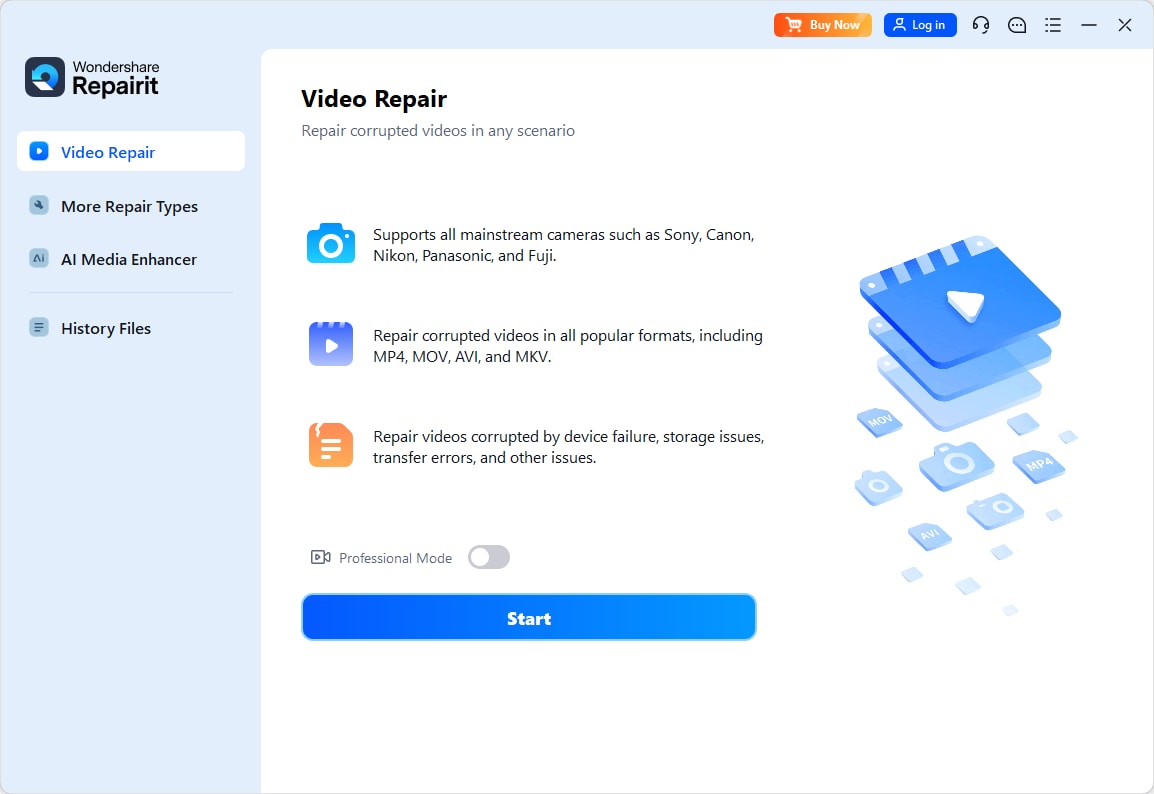
Install and launch Repairit, then open the Video Repair module. Click the option to add files, browse to the folder containing your problematic clips, and select all the videos that fail to play, freeze on a frame, or show heavy artifacts. The files will appear in a list with basic information like format, size, and duration.
- Repair video files
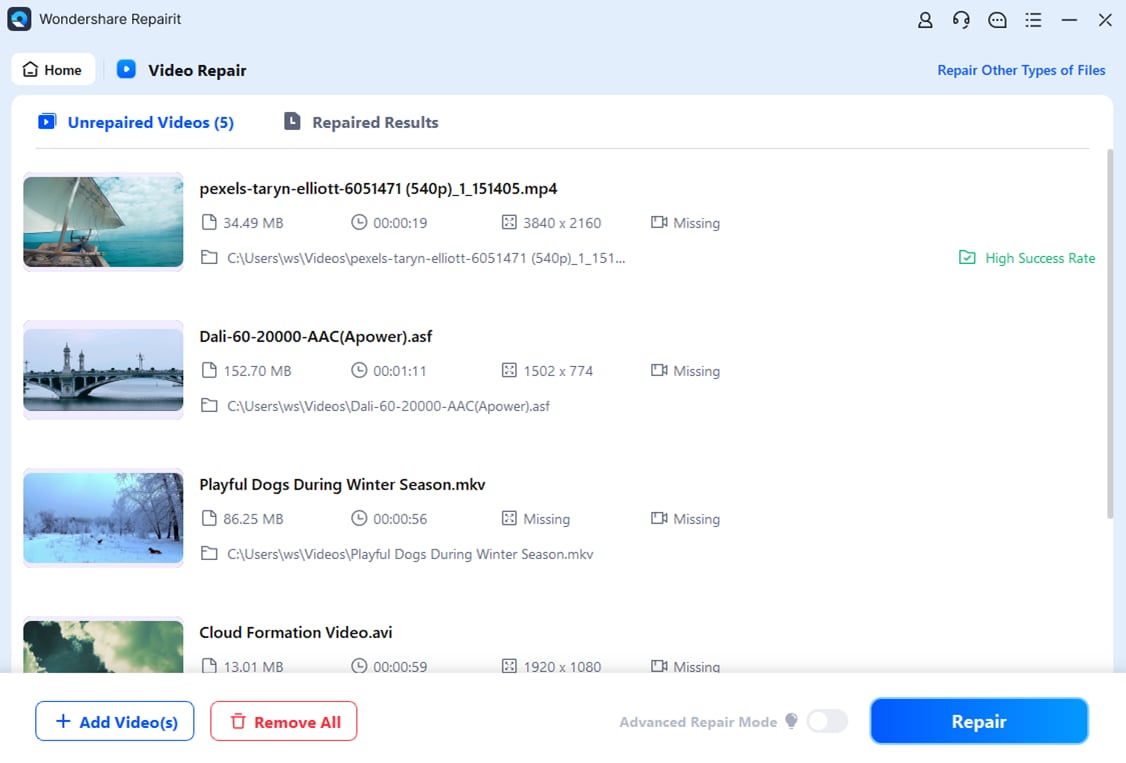
Select the videos you want to fix and start the repair process. Repairit scans each file, checks container structure, and inspects key elements such as headers, reference frame data, and audio tracks. For lightly damaged clips, the quick repair mode may be enough. If the preview still looks broken, switch to advanced repair, which uses sample files and deeper analysis to rebuild missing or corrupted segments.
- Save the repaired video files
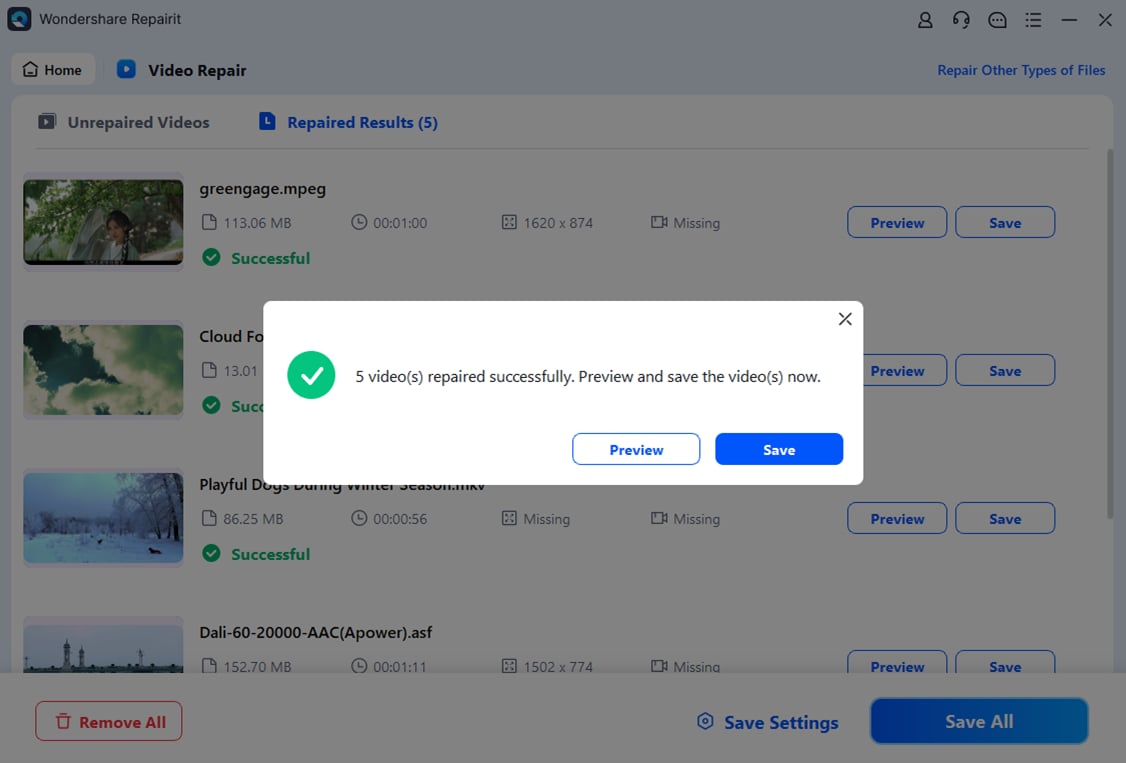
When the repair is complete, use the preview window to play through the recovered footage. Check that the video no longer freezes around previous problem areas and that playback is smooth from one reference frame to the next. If you are satisfied, choose a safe destination folder that is different from the original source and click to save all repaired files to your computer.
Conclusion
Reference frame design is the backbone of modern video compression, allowing codecs to represent long sequences of motion using only incremental changes instead of full images. By combining I-, P-, and B-frames inside a GOP structure, encoders dramatically reduce file size and bitrate while maintaining quality on cameras, editing systems, streaming platforms, and playback devices.
At the same time, reference frames can become weak points when encoding settings are misconfigured or when files are damaged. Corrupted reference data often leads to glitches that simple players or editors cannot fix. In those cases, a specialized tool like Repairit can analyze and reconstruct broken structure so you can recover precious footage and get back to editing, sharing, or archiving with confidence.
Next: Intra Prediction
FAQ
-
1. What is a reference frame in video compression?
A reference frame is a stored image that other frames use as a baseline so the encoder only needs to record the differences, instead of encoding each frame as a full picture. This reduces data size and enables efficient video compression in codecs like H.264 and HEVC. -
2. How do I-frames, P-frames, and B-frames relate to reference frames?
An I-frame is a self-contained frame that can act as a clean reference. P-frames are predicted from one or more past reference frames, while B-frames are predicted from both past and future reference frames for higher compression efficiency. -
3. Why are reference frames important for video quality and file size?
Efficient use of reference frames lets codecs reuse image information over time, which lowers bitrate and file size while preserving details. Poor settings or damaged reference data can cause visible artifacts, blockiness, stuttering, or frozen images. -
4. Can damaged reference frames make a video unplayable?
Yes. If key reference frames or their index data become corrupted, decoders may fail to reconstruct all dependent frames, leading to glitches, green blocks, gray screens, or complete playback failure until the next undamaged I-frame. -
5. How can I repair a video with corrupted reference frames?
If you still have the original source, re-exporting or re-encoding is usually best. When the only copy is damaged, you can use a repair tool like Repairit to scan the file structure, rebuild broken reference frame data, and recover a playable video.