
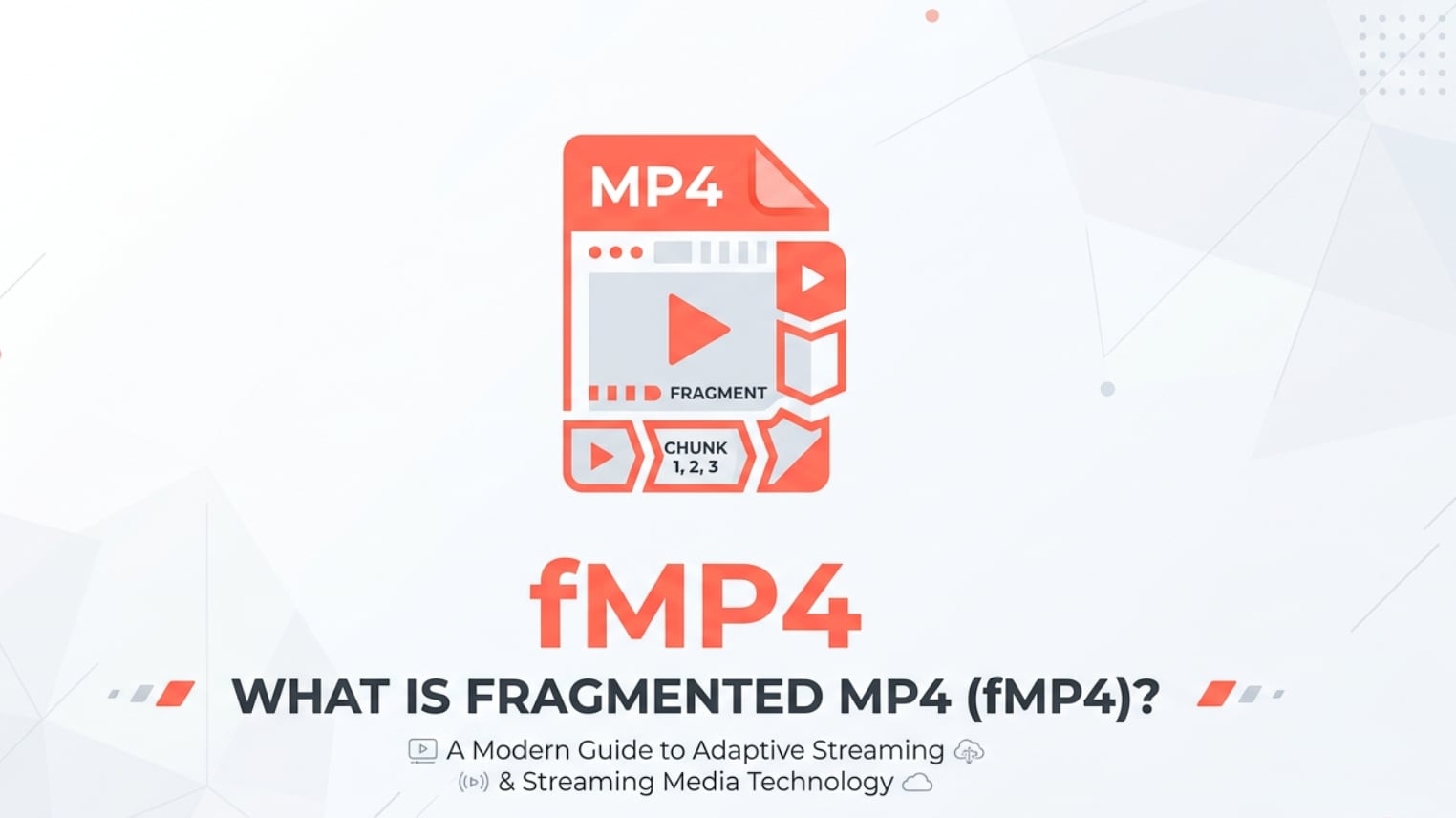
Fragmented MP4 (fMP4) is an evolution of the classic MP4 container, designed for the way we actually watch video today: online, on-demand, and on mobile. You will run into the fragmented mp4 format when recording to modern cameras and phones, editing in NLEs, exporting for OTT apps, or streaming via platforms that use DASH or HLS. Understanding how fmp4 streaming works helps you deliver smoother playback, diagnose glitches, and choose the right format for each platform.
Repair Corrupted Files To Save Your Data
 Security Verified. Over 7,302,189 people have downloaded it.
In this article
What is Fragmented MP4 (fMP4)?
The classic MP4 is a container file that stores audio, video, subtitles, and metadata in a single structure, typically written from start to finish when you export or record. In contrast, a fragmented mp4 file breaks its media into many smaller segments, or "fragments," each with its own mini index and timing information. This is why it is called the fragmented mp4 format or simply fmp4.
Every fragment can be requested, buffered, and played almost independently. This structure is ideal for modern playback engines that need to jump quickly to different points in the timeline or to different quality versions of the same content. Rather than downloading or buffering one huge file, the player works fragment by fragment, giving it more control over bandwidth and latency.
Technically, fMP4 follows the ISO Base Media File Format, just like normal MP4, but reorganizes boxes (atoms) so that the media data is chunked into movie fragments. Each fragment can be mapped in playlists used by streaming protocols. That is why dash fmp4 and hls fmp4 have become common terms in streaming engineering and platform documentation.
How Does Fragmented MP4 (fMP4) Work in the Real Workflow?
Recording, editing, and exporting with fMP4
You may first meet fragmented mp4 at the recording stage. Many cameras, smartphones, and screen recorders internally write video as fragments so that the file can be recovered more easily after crashes and so that live preview or streaming is possible. Even when the final extension looks like .mp4, its internal structure can be fragmented.
In the editing phase, non-linear editors (NLEs) such as Adobe Premiere Pro, Final Cut Pro, and DaVinci Resolve often read and write media that is effectively in fmp4 layout for their proxy files or optimized media. This makes it easier for the timeline engine to seek, scrub, and cache media during playback. When you export for web platforms, you may choose presets like "H.264 for adaptive streaming" or "DASH/HLS output" that generate fmp4 streaming segments.
Encoding tools and cloud transcoders, such as FFmpeg-based pipelines, packagers, or SaaS media platforms, can take a single high-quality master file and create multiple renditions: 1080p, 720p, 480p, and so on. Each rendition is divided into a set of fragmented mp4 segments that share aligned fragment boundaries, making quality switching seamless across bitrates.
Packaging, streaming, and playback
In production, fMP4 becomes especially important during packaging and distribution. For MPEG-DASH, packagers convert a mezzanine file into a library of dash fmp4 segments along with a manifest file (MPD). The manifest exposes URLs to each quality level and timestamp range, allowing the player to request fragments dynamically based on network conditions and buffer state.
For HLS, Apple initially focused on MPEG-TS segments, but modern versions of the spec allow hls fmp4 segments as well. In this case, the packager emits .m4s or similar fMP4 fragments and one or more .m3u8 playlists referencing them. Many major CDNs and cloud encoders support this variant, making it easier to share a common set of fragments between DASH and HLS workflows.
On the playback side, browsers and apps do not usually download a single .mp4 file. Instead, they use players based on Media Source Extensions (MSE) or native SDKs that parse manifests, then pull the necessary fmp4 streaming segments over HTTP. Playback logic monitors the user's available bandwidth, device resolution, and buffer health. If bandwidth drops, the player switches to lower-bitrate fragments; if conditions improve, it switches back to higher-bitrate fragments, all while keeping audio and video synchronized.
When something goes wrong in this chain, a corrupted fragmented mp4 format segment can cause buffering, freezes, or the notorious "video cannot be played" errors. This is where tools that understand the container structure, such as Repairit, become valuable for recovering damaged files before or after packaging.
Where Is Fragmented MP4 (fMP4) Commonly Used?
The fragmented mp4 design is now common across many parts of the media ecosystem. If you deal with recording, editing, encoding, or distributing professional or user-generated video, you likely touch fMP4 even if you do not see that label in the interface.
- OTT, VOD, and subscription streaming platforms: Netflix-style services, sports leagues, and broadcasters typically rely on fmp4 streaming over DASH or HLS for adaptive bitrate delivery across TVs, consoles, mobile devices, and browsers.
- Social and UGC platforms: Sites and apps for short-form video, live streaming, and video sharing transcode uploads into fragmented mp4 segments so that users can quickly start playback and scrub without downloading entire files.
- Enterprise training and education portals: Corporate learning systems and online course platforms use hls fmp4 or dash fmp4 to reduce buffering for globally distributed teams and students on mixed network qualities.
- Live event streaming and webcasts: Live encoders output fragmented segments in near real time, which are then pushed to CDNs and consumed by players seconds later. This is critical for sports, conferences, and product launches where latency and stability matter.
- Post-production and review tools: Cloud review platforms and asset management systems often create fragmented mp4 proxies so that collaborators can scrub through timelines, change speed, or compare versions without downloading heavy masters.
How to Use Repairit to Fix a Corrupted Video File
Why use Repairit for corrupted MP4 and fMP4
When a camera fails mid-recording, a transfer is interrupted, or a transcoding job crashes, both classic MP4 and fragmented mp4 files can end up corrupted. Instead of re-recording or re-exporting everything, you can use Repairit by Wondershare to diagnose and restore damaged clips, including content created for fmp4 streaming. Repairit is available from the Repairit official website and focuses on making video repair accessible to editors, technicians, and everyday users.
Key features of Repairit video repair
- Repairs multiple corrupted video files from different devices in one go, whether they came from cameras, phones, or online workflows.
- Supports a wide range of video formats and common corruption scenarios, including structure errors that often affect fragmented mp4 format.
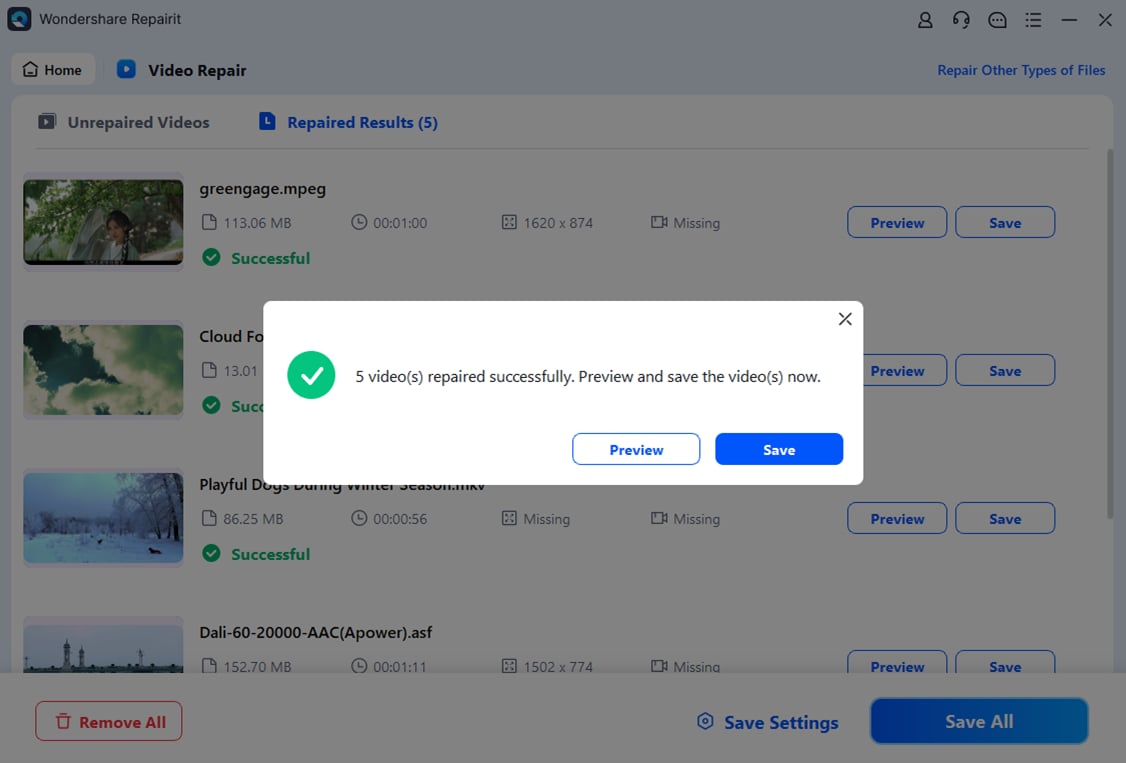
- Offers an easy preview and export process for restored videos so you can verify quality before saving your final copies.
Step-by-step: repair a corrupted video file
- Add corrupted video files
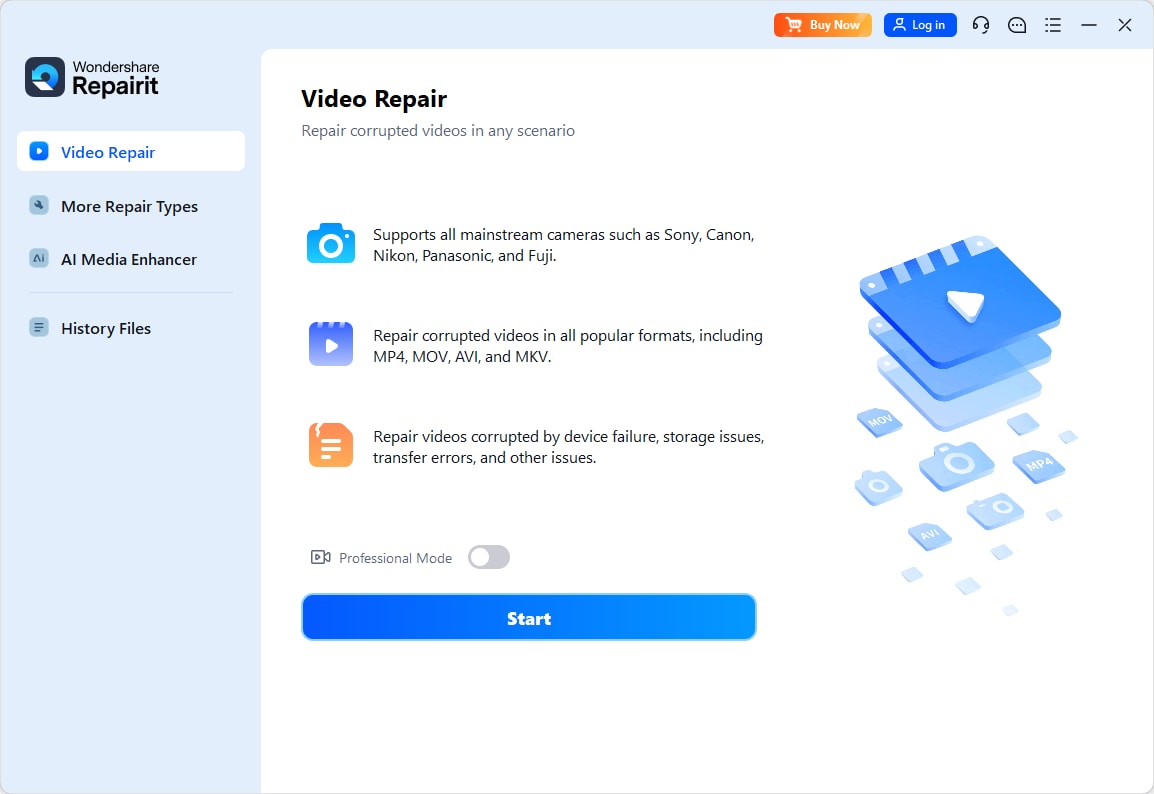
- Repair video files
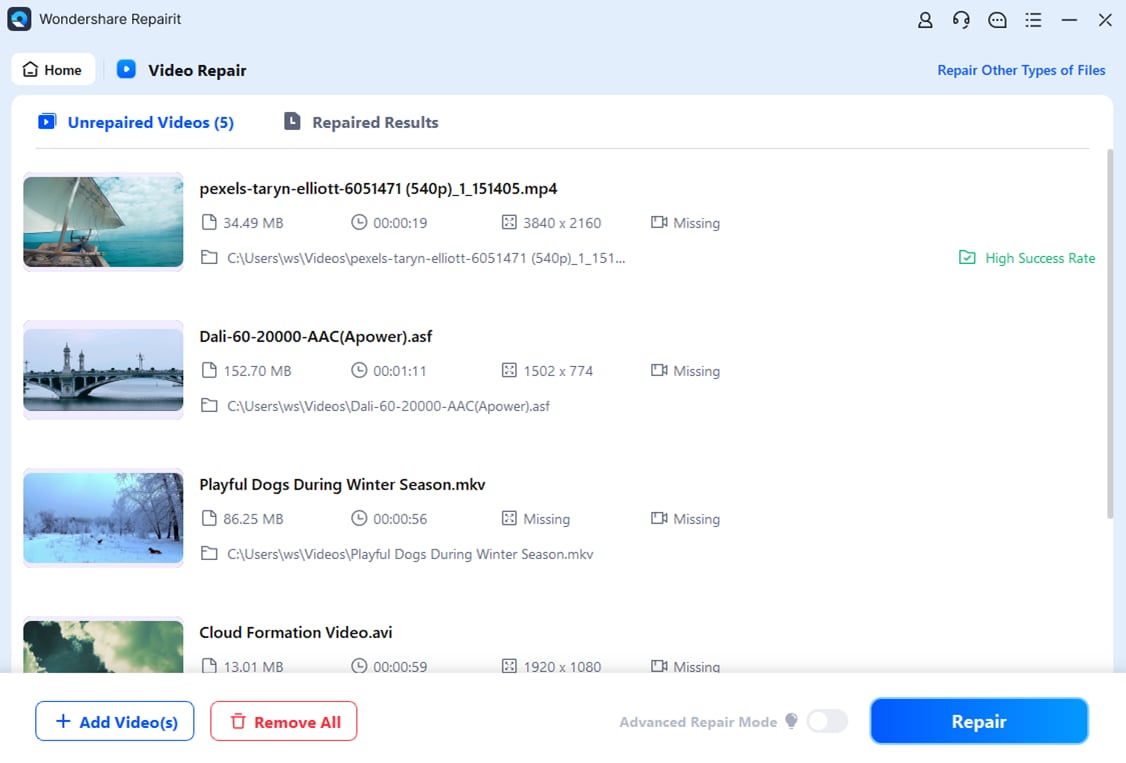
- Save the repaired video files
Conclusion
Fragmented mp4 takes the familiar MP4 container and reorganizes it into fragments that better match how adaptive streaming, editing, and modern playback engines work. Whether through dash fmp4, hls fmp4, or internal proxy workflows, this format helps platforms deliver faster starts, smoother seeks, and responsive quality switching across devices.
However, fragmented structures are still vulnerable to corruption from power loss, transfer errors, or failed encodes. When MP4 or fragmented mp4 format files become unplayable, Repairit provides a practical way to repair and recover your footage so you can keep projects moving without reshoots or full retranscodes.
Next: Http Live Streaming (Hls)
FAQ
-
1. What is the difference between MP4 and fragmented MP4 (fMP4)?
Standard MP4 generally stores audio and video in a single continuous structure, optimized for simple file playback and downloads. A fragmented mp4 divides the media into many smaller fragments, each with its own timing and index data. This design is more suitable for streaming protocols and adaptive bitrate workflows, where players request only the needed fragments instead of a whole file. -
2. Why is fragmented MP4 (fMP4) popular in streaming workflows?
fmp4 streaming lets players and servers work with small, time-aligned fragments across multiple quality levels. This supports fast startup, stable buffering, and smooth switching between bitrates when network conditions change. It also makes it easier to reuse the same fragmented mp4 format segments in both DASH and HLS packages. -
3. Can traditional players open fMP4 files directly?
Some modern devices and browsers can handle fragmented mp4 segments directly through streaming protocols and Media Source Extensions. However, older or simpler players may not recognize fragmented layouts unless the content is packaged in a standard HLS or DASH structure, or remuxed into a non-fragmented MP4 file. -
4. What commonly causes fMP4 or MP4 video corruption?
Typical causes include power loss or crashes while recording, interrupted uploads or downloads, faulty memory cards or drives, abrupt disconnections from cameras, and errors during encoding or packaging. Any of these can damage the container structure, headers, or index data in MP4 or fragmented mp4 files, leading to playback failures. -
5. How can I repair a corrupted fragmented MP4 file?
You can use specialized repair tools such as Repairit. Import the damaged MP4 or fragmented mp4 file, run the repair process so the software can rebuild damaged headers and structures, then preview the result. If the clip plays correctly, save it to a safe location and use it again in your editing, encoding, or streaming workflow.




