
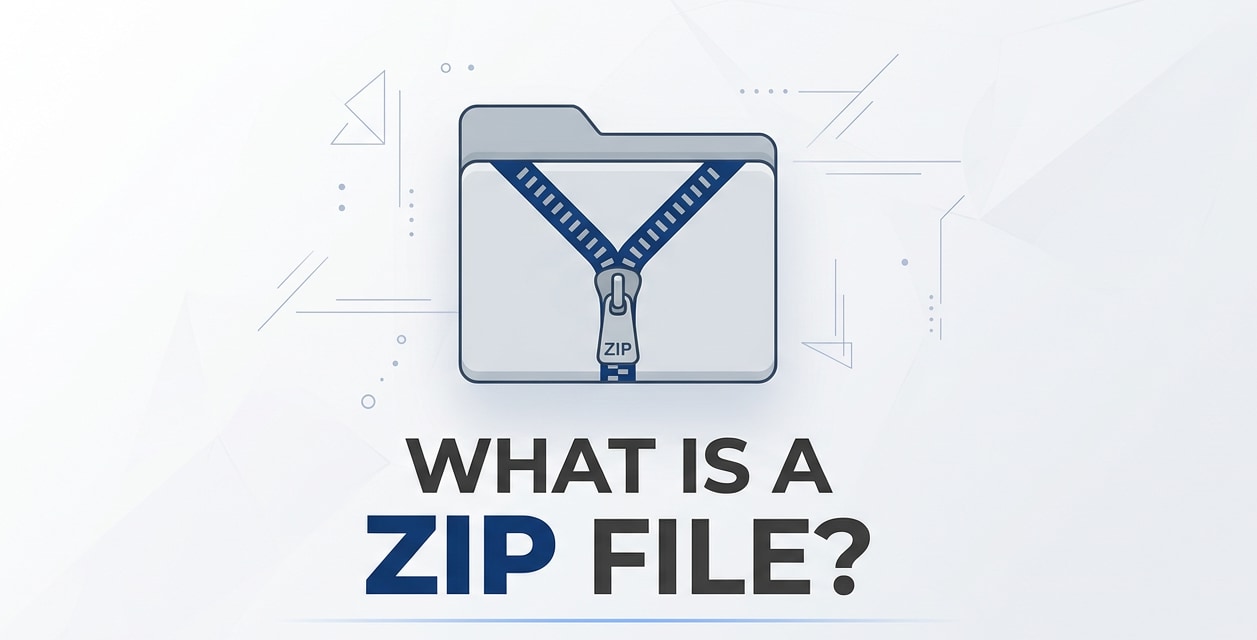
A ZIP file is a compressed archive that groups one or more files into a single, smaller package. It helps you save storage space, send large attachments more easily, and keep related items organized. Understanding how ZIP file compression works, how to open archives on different devices, and how to deal with damage or errors will make everyday file management much smoother.
Repair Corrupted Files To Save Your Data
 Security Verified. Over 7,302,189 people have downloaded it.
In this article
What Is ZIP File
A ZIP file is a container that compresses and stores multiple items, such as documents, images, videos, or folders, inside one archive with the .zip extension. Compression algorithms remove redundant data so the overall size is smaller, while still allowing the original content to be restored without loss.
ZIP is a widely supported compressed file format, recognized by Windows, macOS, Linux, browsers, and countless apps. A single ZIP archive can also include folder structures, permissions, and optional password-based encryption to protect sensitive data.
When you extract ZIP contents, the system decompresses the data back into regular files and folders. This makes ZIP archives ideal for sharing project folders, distributing software, creating backups, and bundling large numbers of files into one download.
How to Open ZIP Files
Open ZIP Files on Windows and macOS
Most desktop systems can open a ZIP file without extra software. Here is how it works on Windows and macOS.
Open a ZIP file on Windows
- Locate the ZIP archive in File Explorer.
- Right-click it and choose "Extract All" to unpack everything to a folder.
- Follow the extraction wizard to choose a destination, then click "Extract".
- Alternatively, double-click the ZIP to browse its contents like a normal folder.
Open a ZIP file on macOS
- Find the ZIP file in Finder.
- Double-click the ZIP archive.
- macOS automatically creates a folder with the same name and extracts the files inside.
- If the ZIP is password-protected, enter the password when prompted.
Open ZIP Files on Mobile and Online
Open ZIP files on Android and iOS
- On iOS, use the built-in Files app: tap the ZIP archive and it will extract to a new folder in the same location.
- On Android, some file managers support ZIP extraction directly; otherwise, install a free archiver app from the Play Store that can open ZIP file archives.
- Tap the archive, select "Extract" or a similar option, and pick a target folder.
Open ZIP files with online tools
- Upload the ZIP archive to a reputable online extractor tool.
- Wait for the service to unpack the files and provide download links.
- Use this method only for non-sensitive data, and choose services that clearly describe how they handle uploaded files.
Common ZIP File Errors
Although ZIP files are reliable, they can still become damaged or unreadable. Common problems include:
- Incomplete or interrupted download – If a network error stops a download, the resulting ZIP may not open or may show "unexpected end of archive" errors.
- Corrupted storage media – Bad sectors on hard drives, USB drives, or memory cards can damage parts of a ZIP archive, leading to extraction failures.
- File-system and power issues – Sudden shutdowns, unsafe ejections, or file-system errors may corrupt archives during copying or saving.
- Wrong file extension – Renaming another format to .zip does not convert it; archive tools will not recognize the internal structure.
- Password or encryption problems – Using the wrong password or an outdated tool that does not support the chosen encryption can prevent access.
When these issues occur, you might see messages such as "The compressed (zipped) folder is invalid," "Cannot open file: it does not appear to be a valid archive," or "Data error." In many cases, specialized repair utilities or broader data repair tools can still recover content from locations where the damaged ZIP file was stored.
How to Use Repairit to Fix a Corrupted ZIP File
Why Use Repairit for ZIP Issues
When a ZIP archive becomes inaccessible, the problem may not be limited to the ZIP itself; related files or the storage location might also be affected. Wondershare Repairit is a versatile data repair solution that can help you restore inaccessible or corrupted content from drives, folders, or external devices where problematic ZIP archives are stored. You can explore its full capabilities on the Repairit official website.
Key Features of Repairit
- Repairs a wide range of corrupted or inaccessible files from different locations in just a few guided steps.
- Performs deep scans of selected drives, folders, or external devices to locate damaged data for targeted recovery.
- Provides preview and selective recovery so you restore only the files you actually need.
Step-by-step: Repair Data from Damaged ZIP Locations
The following workflow shows how to use Repairit to repair data from drives or folders where your important ZIP files are stored.
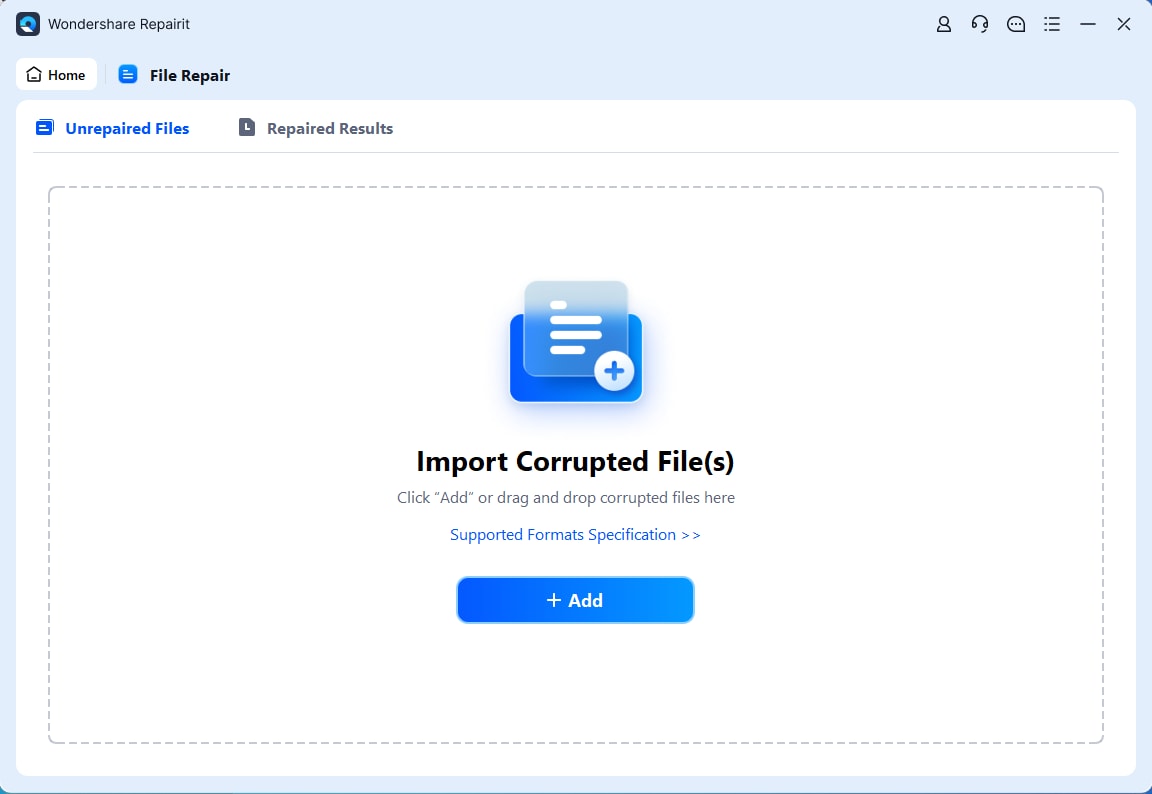
- Load your corrupted files on Repairit
Launch Repairit and go to the appropriate repair module based on the content you need to rescue, such as files, photos, videos, or more. On the main screen, select the drive, folder, memory card, or USB device where the problematic ZIP archive and its related data are saved. Confirm your selection so Repairit can focus on this source and prepare a tailored repair scan.
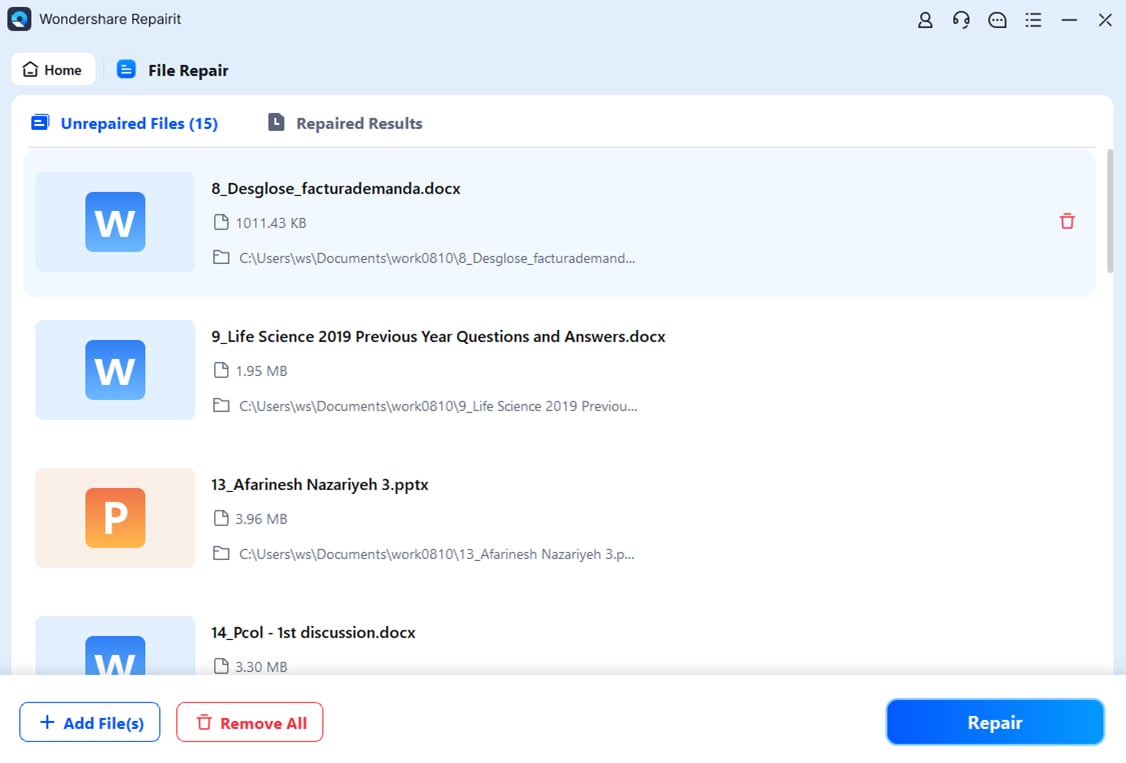
- Start the repair process
Click the Scan or Start button to begin a deep analysis of the chosen location. Repairit will read through available sectors, identify corrupted or inaccessible items, and organize them by type. During this stage, you can usually see progress information and a growing list of recoverable documents, photos, or other files discovered near the damaged ZIP file.
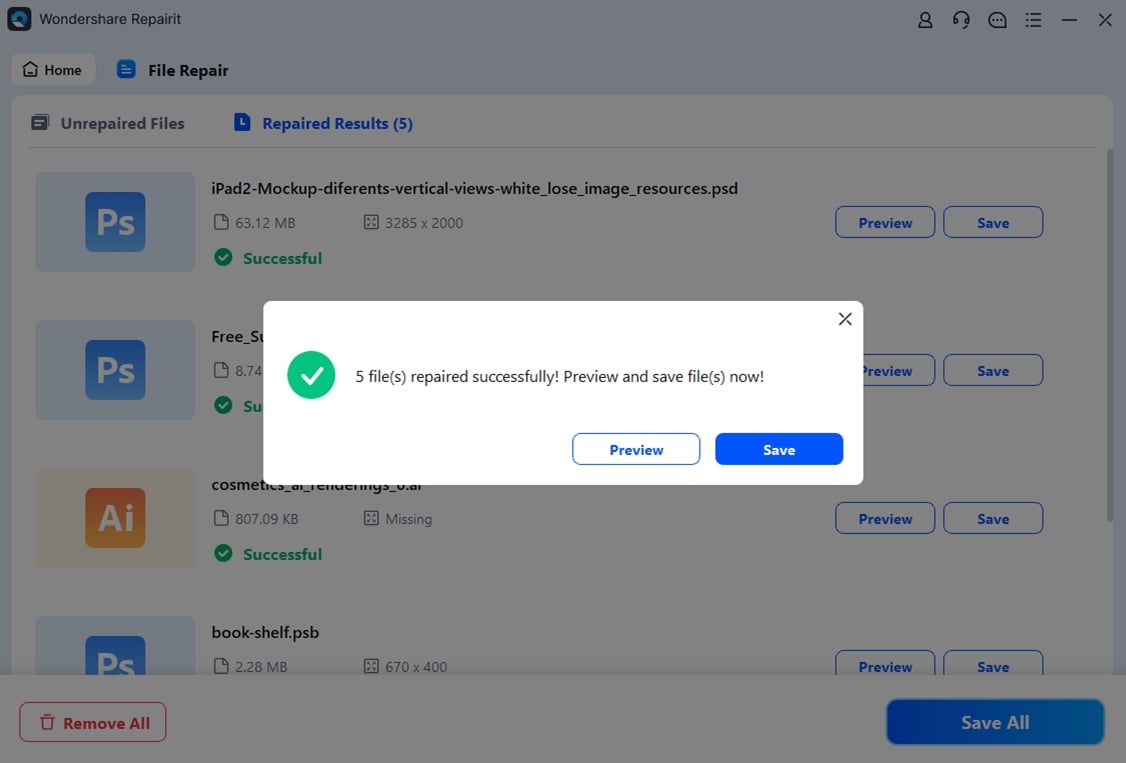
- Save Your Desired Data
When the scan is complete, browse the results and use the preview feature to check file quality before recovery. Select the items you want to keep, choose a safe destination that is different from the original source drive, and start the repair and recovery process. Repairit will reconstruct usable versions of your files, helping you regain access to information that became unavailable when your ZIP file or its storage location was damaged.
Conclusion
ZIP files provide a convenient way to compress, organize, and share multiple items as a single archive across different systems. Knowing what a ZIP file is, how to open and extract it, and which tools to use on each platform helps you move data efficiently and avoid common pitfalls.
When a ZIP archive becomes corrupted or unreadable, do not assume your information is gone. With careful handling and dedicated repair software such as Wondershare Repairit, you can often recover important files from affected drives or folders and keep your data protected.
Next: What is RAR File?
FAQ
-
1. What is a ZIP file used for?
A ZIP file is used to compress one or more items into a single, smaller archive. This reduces storage usage, speeds up uploads and downloads, and makes it easier to send multiple files together by email, cloud storage, or external drives. -
2. How do I open a ZIP file on Windows or macOS?
On Windows, right-click the ZIP archive and choose "Extract All," or double-click it to browse the content in File Explorer. On macOS, simply double-click the ZIP file in Finder and the system automatically extracts its contents into a new folder. -
3. Why will my ZIP file not open?
A ZIP archive may fail to open if the download was incomplete, the file was corrupted by storage errors, the extension was changed incorrectly, or your extraction tool does not support the archive's structure or encryption. In such cases, try downloading again, using a different archiver, or scanning the storage for errors. -
4. Can a corrupted ZIP file be repaired?
In many situations, yes. Some archive tools provide built-in repair options, and dedicated utilities like Wondershare Repairit can help recover data from drives or folders that contain corrupted ZIP files, increasing your chances of retrieving important content. -
5. Is it safe to open ZIP files from email?
It is safe only if you trust the sender and your security software is up to date. Malicious code can be hidden in a ZIP file, so avoid opening unexpected attachments, especially from unknown or suspicious sources, and always scan downloaded archives for threats.