An XLTM file is a macro-enabled Excel template used to build new workbooks that share the same layout, formulas, and automation. It is especially helpful when you repeat similar reports, dashboards, or data entry sheets and want to save time while reducing manual errors. Below you will learn what an XLTM file is, how to open and use it safely, common problems you might face, and practical ways to repair a corrupted XLTM file if it suddenly stops working.
Repair Corrupted Files To Save Your Data
 Security Verified. Over 7,302,189 people have downloaded it.
In this article
What Is XLTM File
An XLTM file is a macro-enabled Excel template created with Microsoft Excel 2007 or later. It stores a reusable workbook structure along with Visual Basic for Applications (VBA) macros. When you open an XLTM template and save it as a new workbook, the new file inherits the same layout, formulas, and automation without overwriting the original template.
Key characteristics of an XLTM file include:
- Template-based: Designed to create consistent workbooks for recurring tasks such as monthly reports or standard invoices.
- Macro-enabled: Can include VBA code to automate actions like importing data, cleaning values, or generating charts.
- Separate from data: The template stays clean while each workbook created from it holds the actual business data.
Compared with a standard XLSX file, an XLTM template is better when you need a repeatable structure and automation across many files.
How to Open XLTM Files
Open XLTM Files in Microsoft Excel
The most reliable way to open an XLTM file is with Microsoft Excel, which fully supports macro-enabled templates.
- Locate your XLTM file in File Explorer (Windows) or Finder (Mac).
- Double-click the file. Excel should start and create a new workbook based on the template.
- If Excel opens but macros are disabled, look for a yellow Security Warning bar and click "Enable Content" if you trust the source.
- Work in the new workbook and save it as XLSX or XLSM so you do not overwrite the original XLTM template.
If double-clicking does not work, you can open it from within Excel:
- Launch Excel first.
- Click "File" > "Open" > "Browse".
- Change the file type filter to "All Excel Files" and select your xltm file.
- Open it and confirm macro settings if prompted.
Open XLTM Files with Other Tools
Some alternative spreadsheet programs can open an XLTM file, but support for macros is often limited.
- LibreOffice Calc: Can usually open the template layout, formulas, and data, but VBA macros may not run or may require conversion.
- Google Sheets: You can upload an xltm file to Google Drive and open it with Google Sheets, but macros are stripped and only the static template remains.
- Online viewers: Several web-based viewers let you preview XLTM content; however, they typically ignore macros and advanced features.
If you need full macro functionality, stick with Microsoft Excel. Use other tools mainly to view or extract data when Excel is not available.
Common XLTM File Errors
Typical XLTM Problems
Because XLTM files contain both template definitions and macros, they can be sensitive to corruption, security settings, or version conflicts. Common issues include:
- XLTM file will not open: Double-clicking does nothing, or Excel shows an error like "The file format and extension do not match".
- Macros are disabled: The template opens, but automated tasks do not run due to strict macro security policies.
- Template opens as a blank workbook: Layout or formulas are missing, suggesting the XLTM is damaged.
- Excel crashes when opening: Corrupted internal structure or problematic VBA code can cause Excel to freeze or close unexpectedly.
- Read-only or locked template: Permissions or network issues may prevent saving new workbooks properly.
Quick Fixes for XLTM Issues
Before assuming that your XLTM file is permanently corrupted, try these basic checks:
- Verify file association: In your system settings, make sure .xltm is associated with Microsoft Excel, not another program.
- Adjust macro security: In Excel, go to "File" > "Options" > "Trust Center" > "Trust Center Settings" > "Macro Settings", and choose a level that allows macros from trusted locations.
- Use Excel's Open and Repair: Click "File" > "Open", select the xltm file, click the arrow next to "Open", and choose "Open and Repair".
- Restore from backup or previous versions: Check cloud backups, email copies, or "Previous Versions" in Windows for an older but healthy template.
- Copy to a local drive: If the XLTM is on a network share or USB drive, copy it to your desktop and try again in case of connection problems.
If the XLTM still will not open or shows serious errors, you may need a dedicated repair tool to recover the damaged template.
How to Use Repairit to Fix a Corrupted XLTM File
Repairit Introduction
When your XLTM file is badly corrupted and Excel's built-in repair options cannot fix it, Wondershare Repairit offers a more powerful way to restore your data. It is a professional repair and recovery tool that handles documents, photos, videos, audio, and more from different storage devices. With an intuitive interface and guided workflow, even non-technical users can scan for broken XLTM templates, preview repaired results, and save working copies. You can download it safely from the Repairit official website.
Key Features of Repairit
- Repairs multiple file types such as documents, photos, videos, and audio in one easy-to-use toolkit, including damaged xltm files.
- Scans local drives, external disks, memory cards, and USB sticks to locate missing or corrupted data where your XLTM templates were stored.
- Provides a preview of repaired content before recovery so you can confirm that the XLTM layout, data, and other files look correct.
Step-by-step: Repair XLTM Files with Repairit
-
Load your corrupted files on Repairit
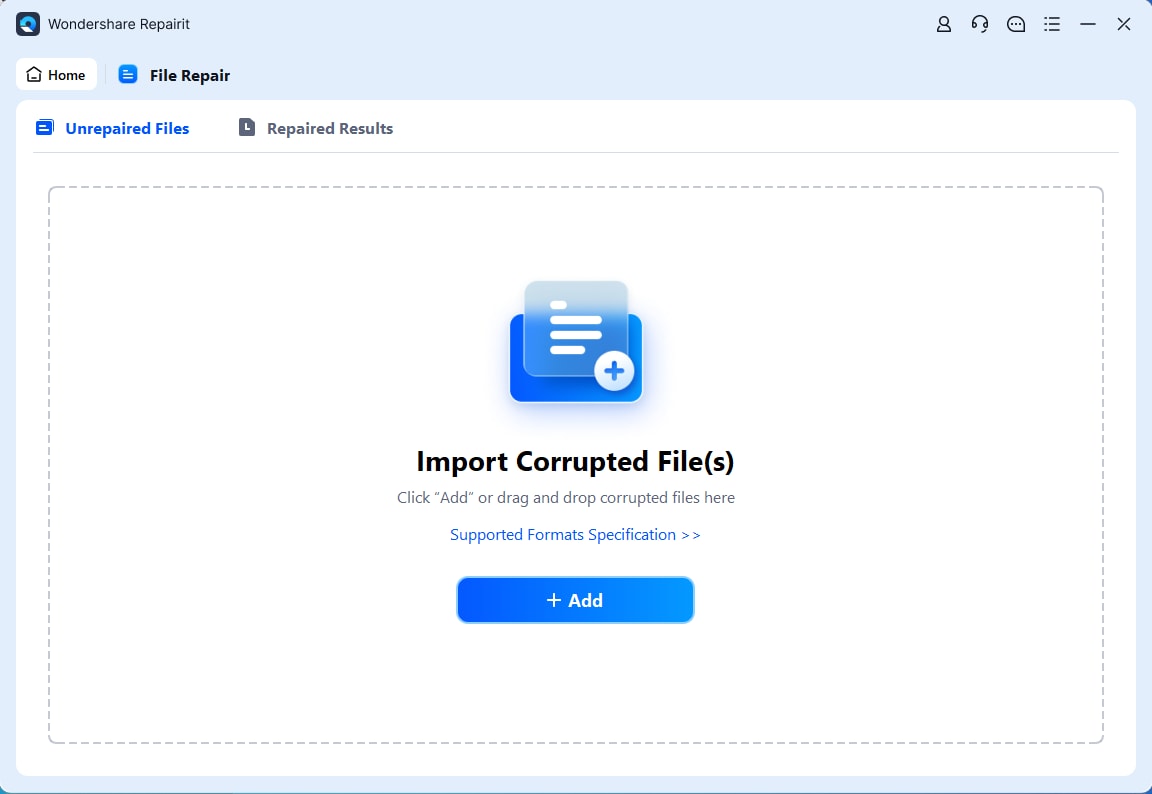
Start Wondershare Repairit and pick the module that suits your case, such as Data Recovery or File Repair. On the main screen, select the specific drive, folder, or external device where your XLTM template was saved. Narrowing the scan to the right location helps Repairit find the damaged or lost file faster and avoids scanning unnecessary areas.
-
Start the repair process
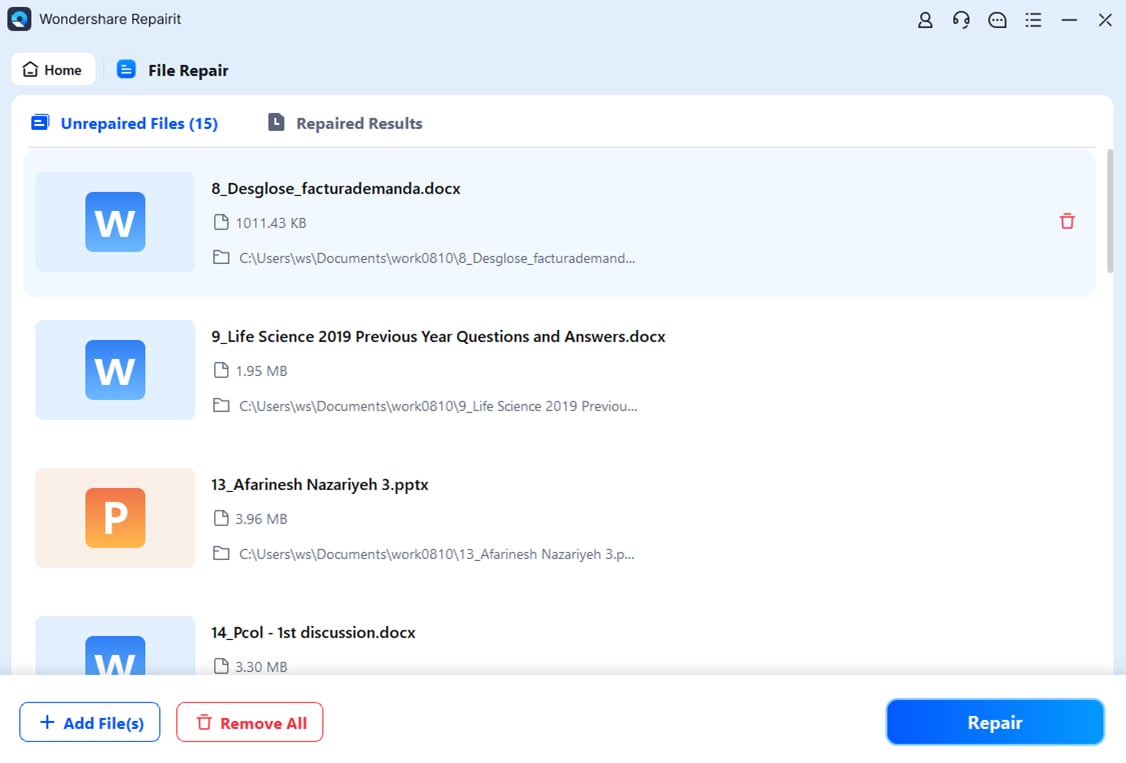
Click the Scan button to let Repairit perform a deep analysis of the chosen location. The software will search for deleted, inaccessible, or corrupted files, including any xltm file related to your Excel templates. While the scan is running, you can watch the number of found items increase, pause the process if needed, or stop it once you see the XLTM you want to repair.
-
Save Your Desired Data
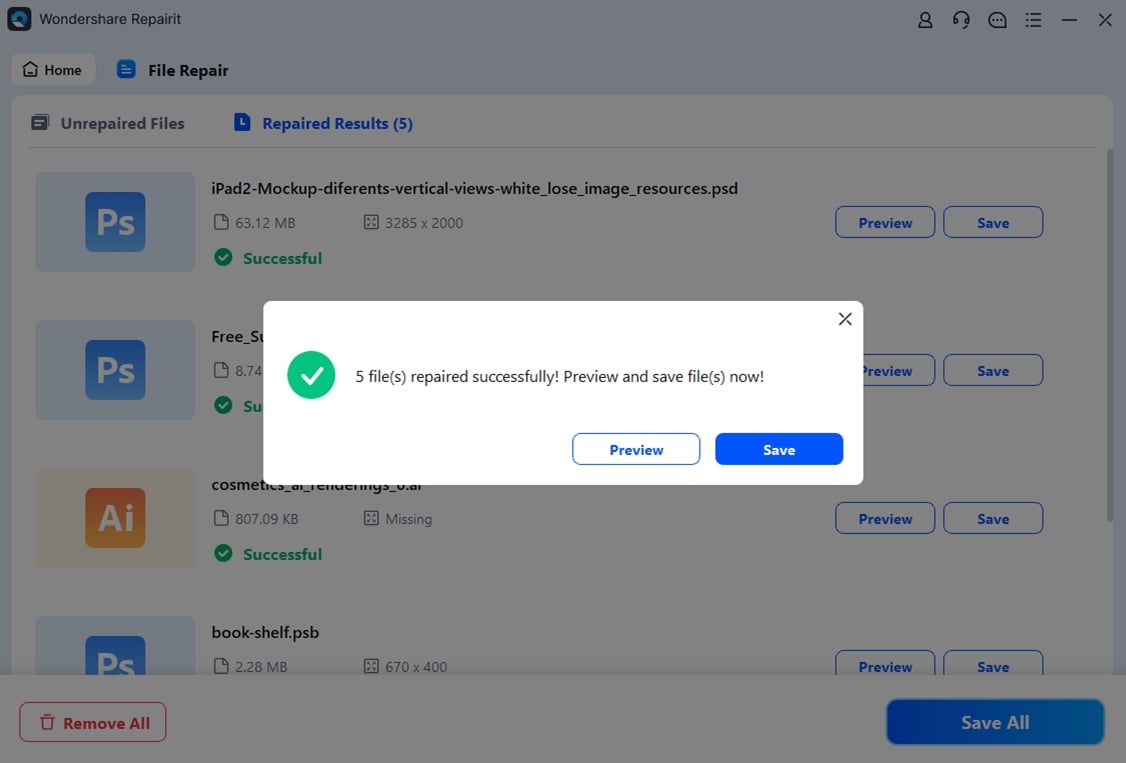
After the scan completes, browse the results list and use the preview feature to check any recovered XLTM and other files. If the repaired XLTM opens correctly in the preview window and the structure looks right, select it and click the Recover or Save button. Choose a safe output folder on a different drive from the original location to avoid overwriting or further damaging your data. You can then open the repaired XLTM file in Excel and continue using your template.
Conclusion
XLTM files are macro-enabled Excel templates that help you standardize layouts and automate repetitive spreadsheet tasks. By understanding how they differ from ordinary workbooks and how macro security works, you can use them more safely and efficiently in daily reporting or data entry.
When an xltm file refuses to open or behaves unpredictably, start with simple checks like macro settings, file associations, and Excel's Open and Repair. If these do not solve the problem, Wondershare Repairit offers a straightforward way to scan storage locations, preview repaired XLTM templates, and recover important spreadsheet structures with minimal effort.
Next: Ppt
FAQ
-
1. What is an XLTM file used for?
An XLTM file is a macro enabled Excel template used to create new workbooks that share the same layout, formulas, and VBA macros. It is ideal for recurring reports, dashboards, financial models, and standardized forms that rely on automation. -
2. How do I open an XLTM file safely?
Open the xltm file in Microsoft Excel by double-clicking it or using File > Open. If a Security Warning appears, only click "Enable Content" if you trust the file's origin. Save any workbooks created from the template under a new name so the original XLTM stays unchanged. -
3. What is the difference between XLTM and XLSM?
Both formats support macros, but an XLTM file is a template meant to generate new workbooks, while an XLSM file is a regular macro enabled workbook that stores active data. You usually design the template once as XLTM and then save each new instance as XLSM or XLSX. -
4. Why will my XLTM file not open in Excel?
Your xltm file may not open because it is corrupted, blocked by macro security, associated with the wrong program, or saved on a failing drive. Try changing macro settings, using Excel's Open and Repair feature, copying the file to a local disk, or restoring it from a backup. -
5. Can I repair a corrupted XLTM file without losing data?
Yes. First attempt Excel's built-in Open and Repair, check temporary or backup copies, and test the file on another computer. If these options fail, use a specialized tool like Wondershare Repairit to scan the storage location, preview repaired XLTM files, and recover usable versions safely.