
An SKB file is a backup copy of a SketchUp model that can rescue your project if the main SKP file is lost or corrupted. Understanding how these automatic backups work, how to open them, and how to repair damaged SKB files helps you avoid losing hours of 3D design work and keeps your SketchUp workflow safer and smoother.
Repair Corrupted Files To Save Your Data
 Security Verified. Over 7,302,189 people have downloaded it.
In this article
What Is SKB File
An SKB file is an automatic backup created by SketchUp to protect your primary SKP project. When you save a model, SketchUp can store a previous version with the SKB extension. This backup usually lives in the same folder as your main project and mirrors the file name, for example, "house-model.skb" for "house-model.skp".
The goal of the SketchUp backup file is to give you a safety net if the active model becomes damaged, you accidentally overwrite changes, or SketchUp crashes mid-save. In many cases, the SKB holds a slightly older but still usable version of your design, allowing you to roll back your work instead of starting over.
Newer SketchUp releases may use a different backup naming approach, but many users still encounter and rely on SKB files, especially when moving projects between versions or opening legacy projects.
How to Open SKB Files
Because an SKB file is essentially a SketchUp project saved as a backup, you normally open it with the same program: SketchUp. However, the presence of the .skb extension can confuse other apps and even some users, so it helps to know the safest way to work with these backups.
Open SKB Files Directly in SketchUp
The first way to open a SKB file is to do it directly in SketchUp, just like a normal model file.
- Make sure SketchUp is installed and updated to a version that matches or exceeds the version used to create the SKB.
- Locate the backup with the skb extension in the same folder as your SKP project.
- Open SketchUp, go to File > Open, and select the SKB file. If your SketchUp version supports it, the model should load as usual.
If SketchUp on your system does not recognize the skb extension, use the rename method explained below.
Convert SKB to SKP Safely
The most common approach to open an SKB file is to convert it into a normal SKP file by renaming the extension. This does not change the content; it simply tells SketchUp to treat it as a standard project.
- Find your SKB backup.
Browse to the folder where your SketchUp project is stored. Look for a file with the same base name as your model but ending in ".skb".
- Enable file extensions (if hidden).
On Windows, open File Explorer, go to View, and enable File name extensions. On macOS Finder, you can show extensions via Finder > Settings (or Preferences) > Advanced.
- Rename .skb to .skp.
Right-click the backup, choose Rename, and change "filename.skb" to "filename.skp". Confirm the warning about changing file types. You are effectively turning your backup into a regular model.
- Open the new SKP file in SketchUp.
Double-click the renamed file or choose it from SketchUp's File > Open menu. If the backup is intact, your model should open and behave like any other SKP project.
Always create a copy of your SKB before renaming, so you still have the untouched backup if something goes wrong during opening or saving.
Common SKB File Errors
Even though SKB files are designed as a safety measure, they can still fail. Corruption, version conflicts, or system issues may prevent SketchUp from reading the backup when you need it most.
Typical Causes of SKB Corruption
Several underlying problems can make a skb file inaccessible or unstable:
- Incomplete saves or crashes: If SketchUp closes unexpectedly while writing the backup, the resulting SKB may contain incomplete model data.
- Disk and storage errors: Bad sectors, failing drives, or sudden power loss can damage both SKP and SKB versions of your project.
- File system issues: Corrupted folders, improper ejection of external drives, or network interruptions may leave the SKB broken.
- Version mismatch: A backup made in a newer SketchUp version might not open correctly in an older release, leading users to think the file itself is damaged.
Quick Checks Before Deep Repair
Before assuming your SKB file is permanently corrupted, try a few basic checks:
- Try on a different device: Move the SKB to another computer with the same or newer SketchUp version and attempt to open it there.
- Copy to local storage: If the file sits on a network drive, USB, or cloud-synced folder, copy it to a local disk and try again.
- Use a clean filename: Shorten the name and remove special characters, then attempt to open or rename it to .skp again.
- Scan the drive: Run disk checking tools to fix basic file system problems that might be blocking access to your skb backups.
If these quick fixes fail, the SKB is likely corrupted and you will need a specialized repair solution to recover its contents.
How to Use Repairit to Fix a Corrupted SKB File
Why Use Repairit for SKB Recovery
When a crucial SketchUp backup refuses to open, a dedicated repair toolkit can often salvage the data behind the damaged file entry. Repairit by Wondershare is built to handle many types of corrupted files, including documents and other project data that may store your work alongside or inside SKB-related assets. Instead of giving up on a broken skb file, you can scan the storage location and let Repairit attempt to reconstruct unreadable content for you.
To learn more or download the latest version, visit the Repairit official website.
Key Features of Repairit
- Repairs multiple file categories, such as photos, videos, and documents, so you can restore more than just your SketchUp-related files in one session.
- Uses deep scanning to search drives or folders for severely corrupted or hidden items that normal tools often miss.
- Lets you preview repaired content before saving, helping you confirm which recovered files actually contain the project data you want.
Step-by-Step: Repair Corrupted SKB Files with Repairit
While Repairit does not edit the SketchUp model format directly, it can repair damaged project-related files and recover data from the same location where your SKB backup is stored. Follow these steps to maximize your chances of bringing a corrupted SketchUp backup environment back to life.
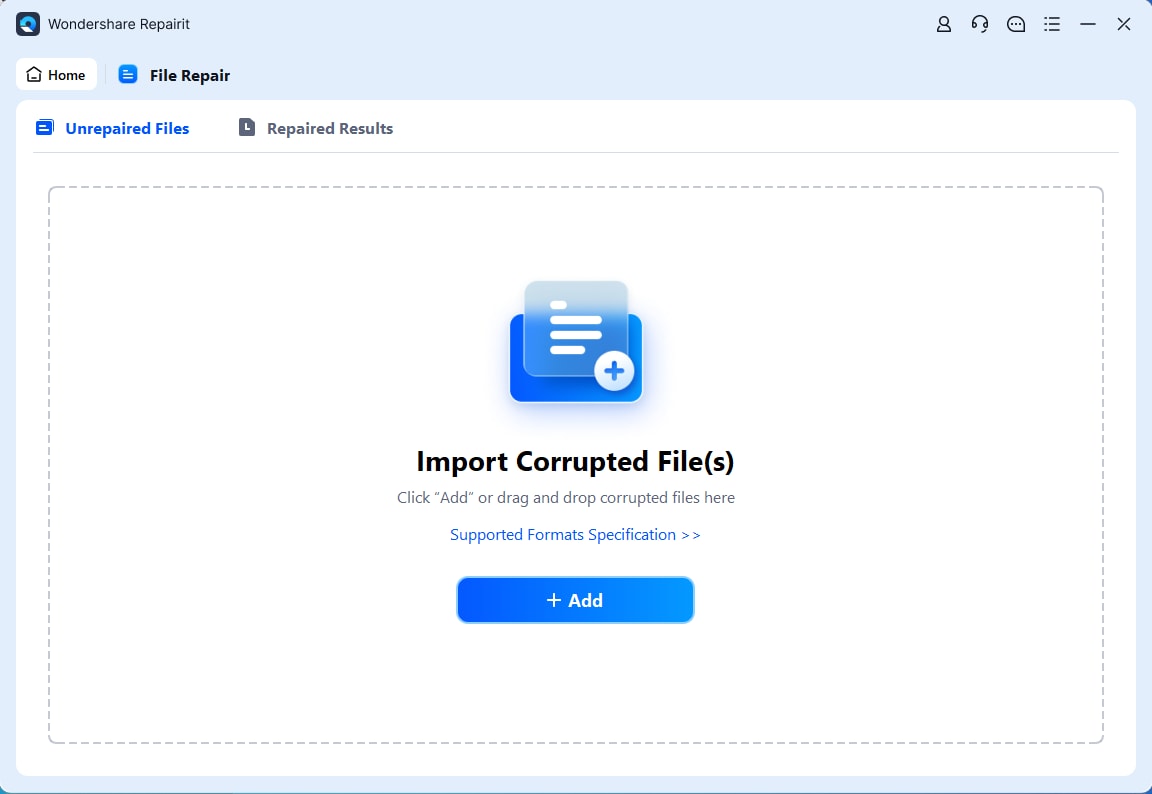
- Load your corrupted files on Repairit
In the main interface, select the drive, folder, or external device that contains your SketchUp project and its skb backup files. This is usually the project folder on your main disk or a dedicated external project drive. Confirm your selection so Repairit knows exactly where to search for damaged resources associated with your SKB model.
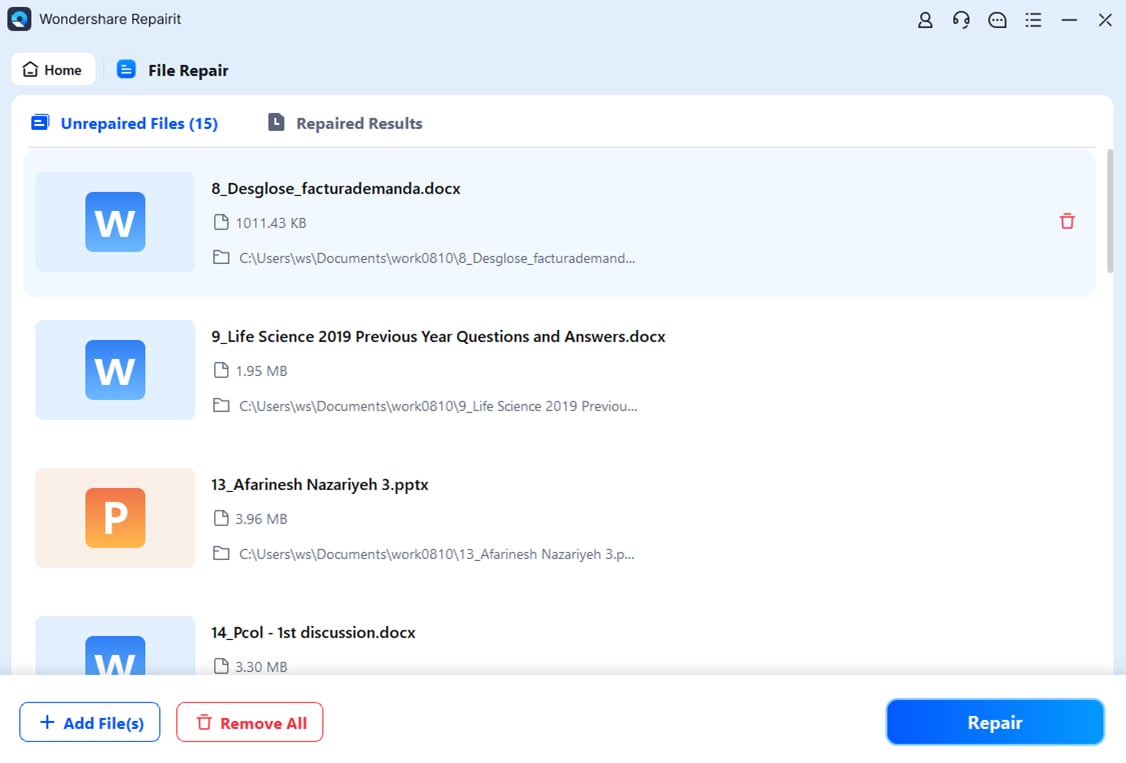
- Start the repair process
During this deep scan, Repairit attempts to repair supported file types on the fly, rebuilding headers or missing segments where possible. You can watch the progress bar or simply let the scan run until it finishes, especially if the drive is large or heavily used.
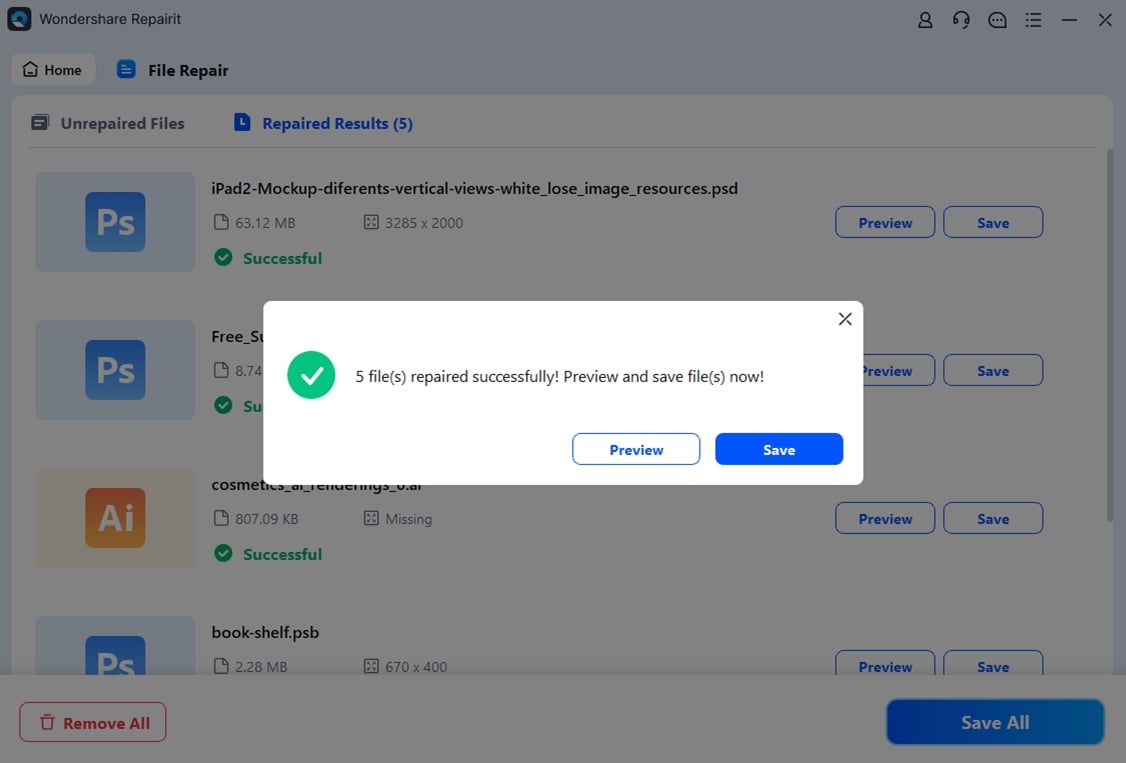
- Preview and Save Your Desired Data
When the repair process completes, Repairit lists the files it has found and fixed. Finally, click to save them to a safe destination that is different from the original problem drive. After that, return to your SketchUp folder, try opening your SKB or renamed SKP again, and continue modeling with the restored resources.
Conclusion
SKB files are automatic backups that SketchUp creates to shield your projects from crashes, overwrite mistakes, and unexpected file damage. Knowing what an SKB is, how it differs from the main SKP file, and how to open or convert it gives you an immediate recovery option when something goes wrong with your model.
If an skb file refuses to open, do not assume your work is gone. Try viewing it on another system, renaming it to SKP, and repairing related files with tools such as Repairit. Combining good backup habits with reliable repair software significantly reduces the risk of losing valuable 3D designs.
Next: What is Vmx File?
FAQ
-
1. What program opens SKB files?
An SKB file is a backup for SketchUp and is intended to be opened with SketchUp itself. If your version does not recognize .skb directly, make a copy of the file, rename the extension from ".skb" to ".skp", and open the new SKP file inside SketchUp. -
2. Is an SKB file the same as an SKP file?
No. The SKP file is your main SketchUp project, while the SKB file is an automatically generated backup that usually represents an earlier saved state of the same model. They share the same data structure, but the SKB is meant for recovery, not regular editing. -
3. Can I delete SKB files to save disk space?
You can delete SKB files, but it is risky. These backups often occupy little space compared with 3D assets and textures, yet they can save your project after a crash or corruption. It is safer to keep them or move old backups to an archive drive instead of removing them entirely. -
4. Why does my SKB file not open even after renaming it?
If a renamed skb file still will not open, it may be corrupted or created by a newer SketchUp version than the one you are using. First, try opening it with the latest SketchUp version available to you. If that fails, scan the storage location with a repair tool like Repairit and check for drive or file system errors. -
5. How can I reduce the chance of corrupt SKB files in the future?
To protect your SKB backups, avoid force-shutting your computer while SketchUp is saving, keep plenty of free disk space, store projects on healthy drives, and enable regular backups in both SketchUp and your operating system. Periodically copying key project folders to another drive also provides an extra layer of safety.