
 TL;DR:
To prevent distracting environments from ruining your first impression on dating apps, use the Relumi App's Clean Background feature to remove visual clutter while keeping the portrait natural and believable.
● Apply Scene Retake to images where your expression and posture already look good, specifically targeting negative signals like unmade beds, bathroom details, or prominent signs that steal attention from your face.
● Ensure the final correction reduces confusing elements without stripping away all environmental context, as overly polished or entirely blank backgrounds can make the profile feel manufactured and less trustworthy.
● Expect limited cleanup results if the subject is too small in the frame, the original image quality is weak, the background overlaps tightly with hair or shoulders, or distractions crowd the scene from edge to edge.
Ask AI for a summary
 ChatGPT
 Perplexity
 Gemini
 Claude
 Grok
Grok
A dating photo is judged faster than almost any other kind of portrait. Before someone knows your voice, humor, values, or intentions, they usually see the photo first. That means background problems become more important, not less. A messy room corner, an unmade bed, a bathroom mirror, a half-visible friend, a bright restaurant sign, a random pile of clothes, a car interior, or loud wall décor can all start sending signals before your expression does. The photo may still technically show you clearly, but it stops working the moment the background creates a stronger impression than the person in it.
This is why cleaning a dating-photo background is not about making the image look polished for its own sake. It is about removing the parts of the frame that create noise, confusion, or the wrong story. In public discussions, people are often more candid about this than they sound in theory. On Reddit, users openly say they notice messy rooms, clutter, and distracting surroundings in dating photos, while Quora threads about online dating pictures repeatedly treat bathrooms, chaotic interiors, and careless backgrounds as avoidable mistakes. That is also where the Relumi App framing becomes especially useful. Relumi positions AI Retake around fixing what the camera emphasized incorrectly, and its public product language explicitly mentions tidying backgrounds for photos used on resumes, social media, or dating apps.
In this article
Part 1. Why dating photos fail when the background creates the wrong first impression
A dating photo is not evaluated the same way as a casual memory photo. People read it as a summary of you, even when they know that is imperfect. That is why background details carry more weight than users expect. A pile of laundry, an unmade bed, visible toilet area, random clutter, harsh mirror flash, messy car shot, or crowded bar background does not just fill space around the subject. It starts telling a story about effort, awareness, mood, and self-presentation. Even if that interpretation is unfair, it still happens.
This pattern shows up clearly in public discussions. In a Reddit thread asking whether people judge the background of someone’s photos, commenters explicitly say they do. In another Reddit discussion about looking at the background more than the face, users mention clutter and room details grabbing attention before the person does. Quora discussions about dating-profile mistakes and photo choices point in the same direction: the image does not need to be perfect, but it should not contain distractions that make the viewer start evaluating the setting instead of the person.
Part 2. Why a better dating photo is not the same as a fake-looking or overly staged one
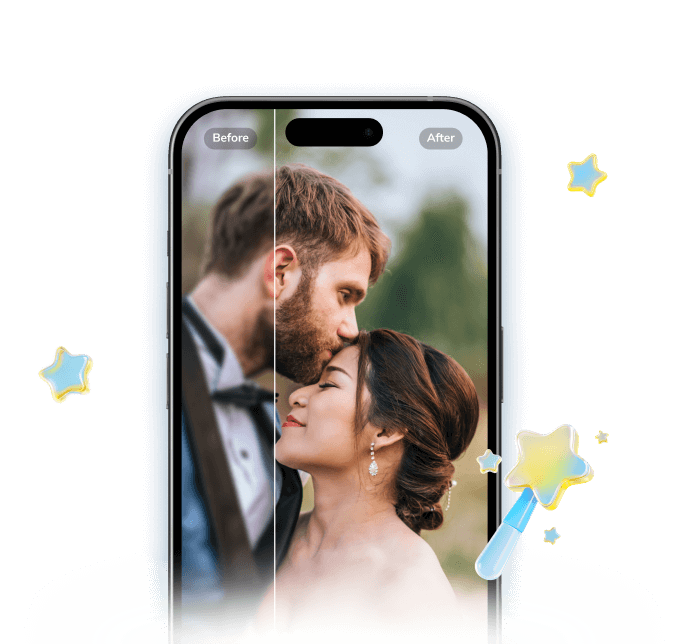

Relumi Lighting Enhancer
Retake photo lighting naturally with AI-powered scene relighting.
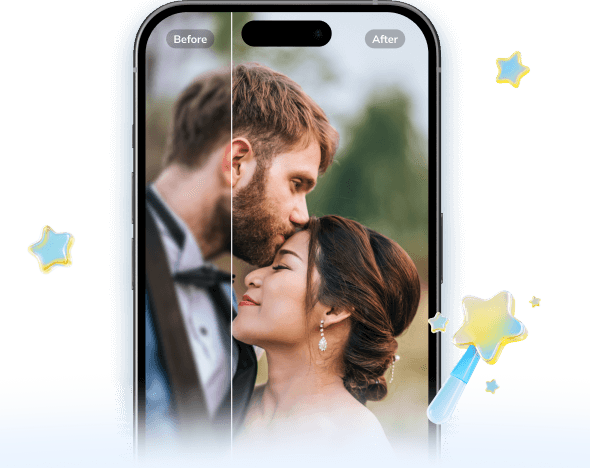
 Balance harsh facial shadows without flattening the portrait
-
Improve hard light, patchy light, and low-visibility street portraits naturally
-
Keep urban mood while making the subject easier to see
-
No editing skills required — upload, relight, preview, and save
Once users realize the background is hurting the image, they often go too far in the opposite direction. They assume the photo has to look ultra-clean, highly curated, or professionally staged to work. But dating photos do not gain trust by looking manufactured. In fact, overly polished images can create a different problem: they may feel less natural, less approachable, or less believable. A stronger dating photo is usually not the emptiest one. It is the one that feels intentional without feeling artificial.
A dating photo needs trust and clarity, not visual noise
The best dating photos usually feel easy to read. The viewer notices the face, the expression, and the overall vibe first. They are not pulled into decoding a bathroom mirror, a chaotic bedroom, a bar table full of leftovers, or distracting décor behind the subject. That is why background cleanup in this context should mean reducing the details that confuse first impression, not stripping away all personality. A little environment can help. A lot of noise hurts.
This is where the public Relumi Photo Lighting Enhancer language is helpful. Relumi describes Scene Retake as rebuilding the feeling of better light without making the portrait look fake, and says the result should feel more like a better retake than an over-processed image. That standard is especially useful for dating photos. The portrait should still feel like a real person in a real moment, just with fewer distractions and a clearer visual message.
The best result keeps the portrait believable while making you the obvious focus
A strong dating photo should make the viewer feel they are seeing you, not your room, not your bathroom, not your car, and not the random objects around you. Public Quora threads about choosing photos for online dating repeatedly treat background quality as part of overall impression, while even discussions about blurry Tinder images point to the same broader truth: when the photo feels careless, the profile loses strength before the conversation even begins. See Repairit’s Tinder blurry photo page for the broader emphasis on clarity and visibility in dating-profile images.
This also matches the public Relumi App promise that AI Retake can fix what the camera caught wrong while blending corrected areas with original skin texture and environmental lighting. That matters in a dating photo because once the result looks too filtered or too engineered, the image can lose the trust value it was supposed to improve.
Part 3. How Relumi helps clean a dating photo background without making it look over-edited
The best dating-photo correction is not the one that makes the frame look most edited. It is the one that makes the portrait easier to trust and easier to understand. In practical terms, that means your face becomes the clear priority, the background stops competing, and the overall mood still feels human rather than processed. A good dating picture should look like a stronger version of a real moment, not a synthetic profile asset.
This is where a Scene Retake mindset works well. A good dating photo is often already close to usable. The expression may feel natural. The angle may be flattering. The clothes may already fit the vibe you want. The only issue is that the background sends the wrong signal or distracts too much. In those cases, the smartest fix is not to replace the photo with something more staged. It is to rescue the one that already feels like you. That logic also aligns with Relumi’s broader social-photo language around results that feel polished enough to share while still looking natural. [Source](https://repairit.wondershare.com/ai-photo/social-app-portrait-golden-hour-look.html)
Step 1. Add the portrait that already feels like a good version of you
Start with the image where your expression, posture, and overall vibe already feel right. This correction works best when the photo already represents you well, but the background is lowering the quality of the impression.
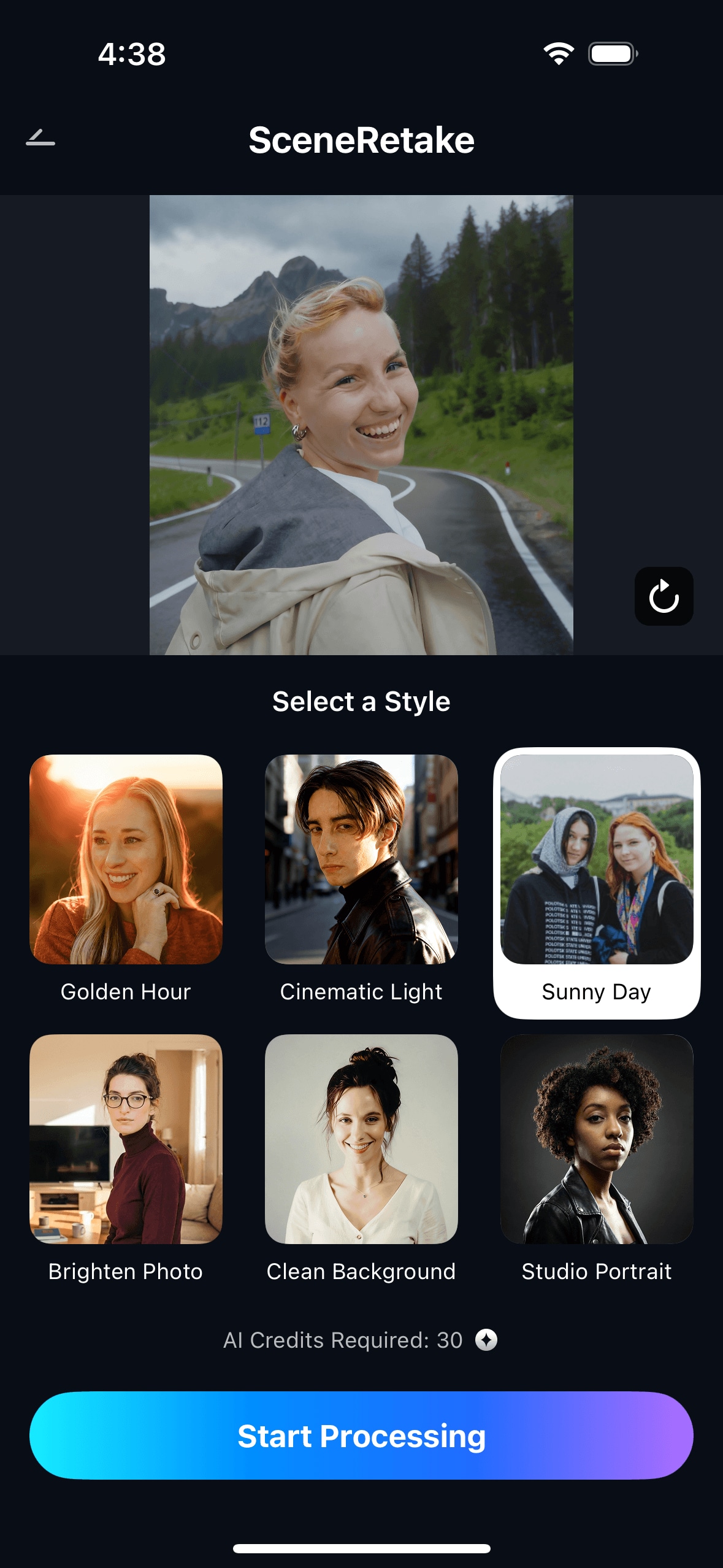
Step 2. Choose Clean Background in Scene Retake
At this stage, focus on what is stealing attention from you or sending the wrong message. The problem may be room clutter, bathroom details, an unmade bed, a strong sign, table mess, background people, a car interior, or visual noise that makes the photo feel less intentional. The ideal result is not a blank or fake-looking frame. It is a portrait that still feels like a real date-worthy photo while guiding attention back to you.
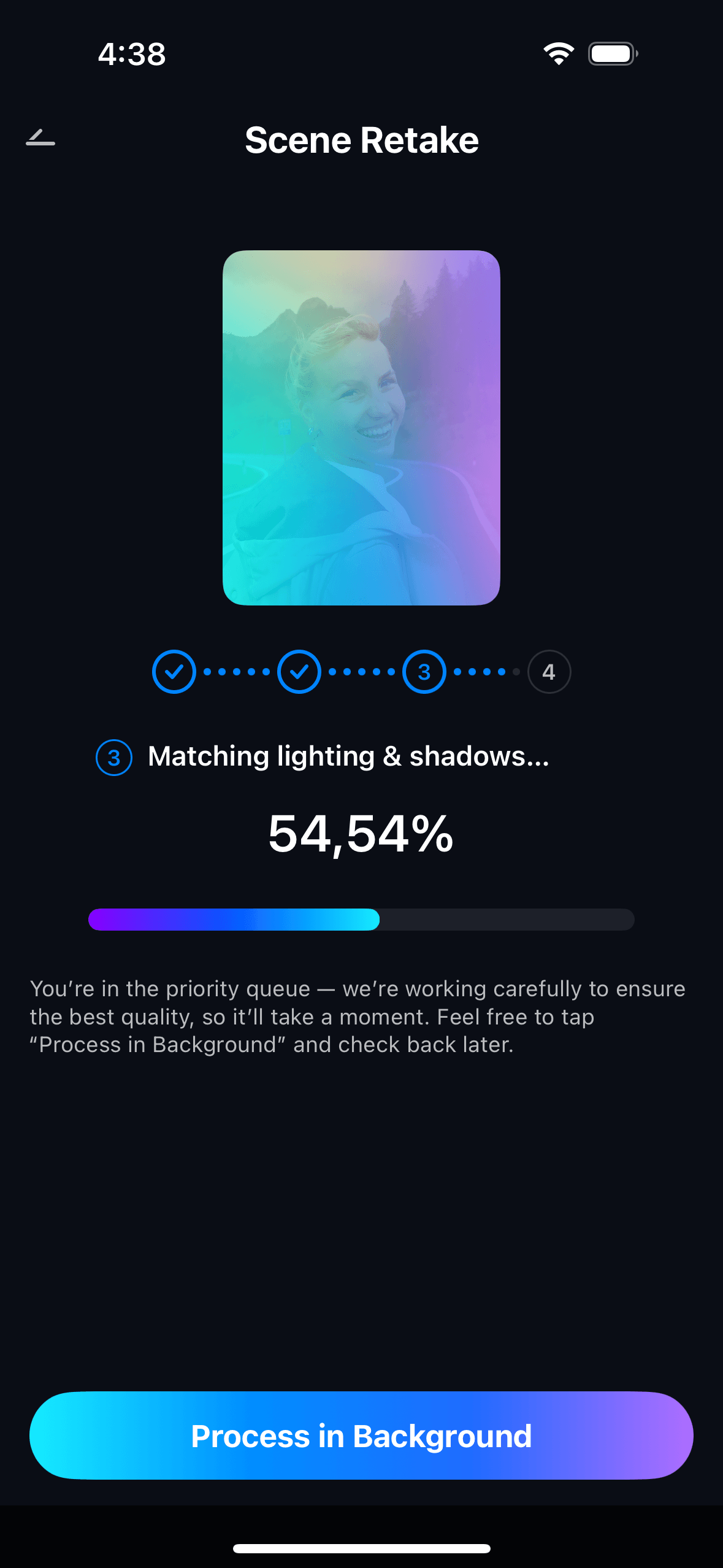
Step 3. Preview and save the version that feels clearer, warmer, and easier to trust
The final test should be practical. If someone sees the image quickly, do they notice you first? Does the photo still feel natural rather than filtered or over-produced? Does the portrait now feel more intentional, more attractive, and easier to trust at a glance? If yes, the correction is doing its job. A successful dating-photo cleanup should improve focus without damaging authenticity.
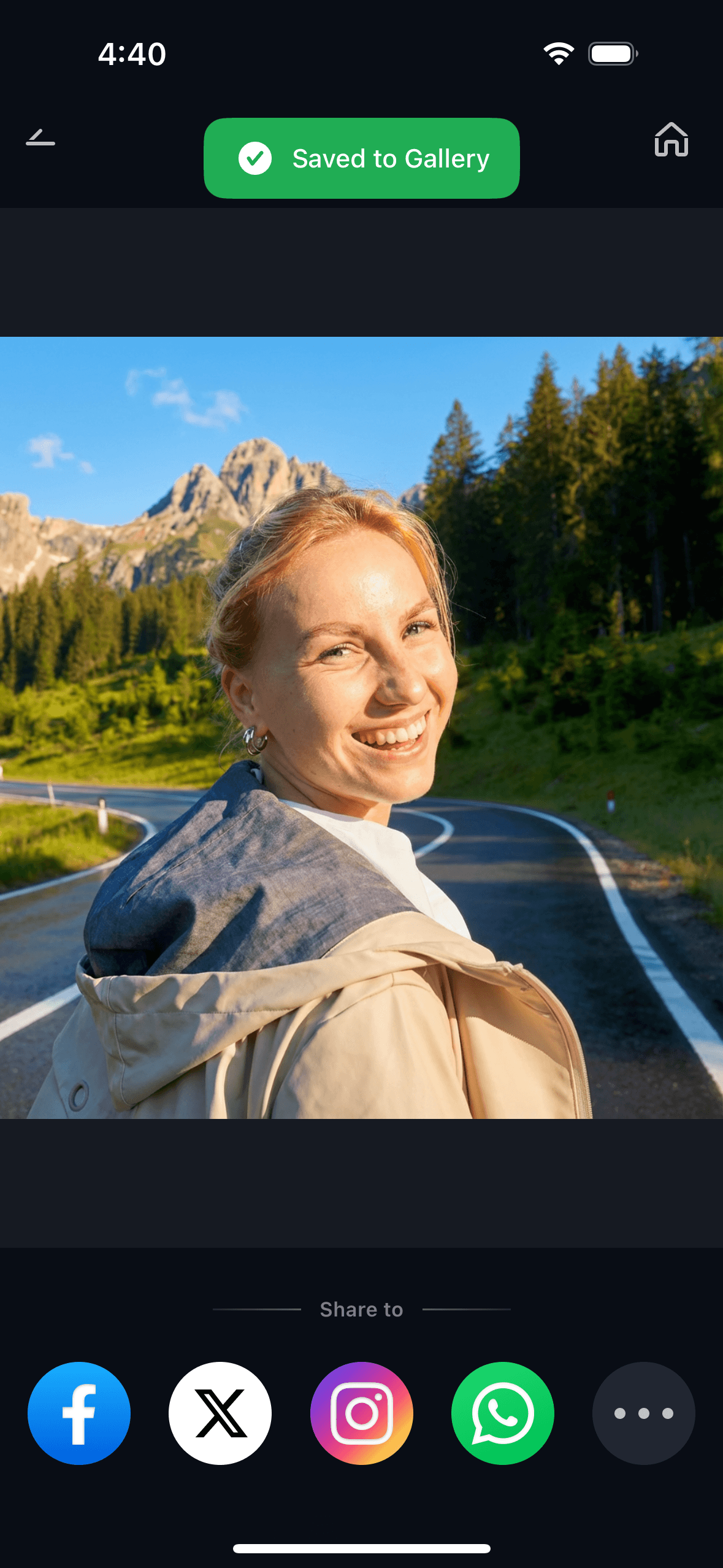
Part 4. Which dating photos benefit most from this correction
This kind of cleanup works best when the portrait is already basically right. The face is clear enough, the expression feels genuine, and the overall image fits how you want to present yourself. The only problem is that the background adds noise, awkwardness, or avoidable negative signals. In those cases, cleanup is not changing who the image is about. It is removing what keeps the photo from working quickly.
Common dating-photo situations where the background weakens attraction or first impression
The most common examples are home portraits with visible room clutter, mirror selfies with messy surroundings, indoor photos with bathroom elements, restaurant or bar photos where dishes and signage compete with the face, profile-style images cropped from larger group scenes, and otherwise flattering portraits where background objects make the image feel careless. These concerns line up with real user questions on Quora about online-dating mistakes and Quora about flattering versus misleading dating photos. The shared concern is not perfection. It is whether the image feels honest, attractive, and intentional.
Quick checklist before saving
- Does your face attract attention before the room, objects, or setting do?
- Does the photo still look like a real moment rather than an over-cleaned edit?
- Has the image become clearer and more inviting without losing naturalness?
- Would you feel comfortable using this version on a dating app without worrying that it feels misleading?
Part 5. When results may be limited
Results may be more limited when the subject is too small in the frame, when the background overlaps tightly with hair or shoulders, when the original image quality is already weak, or when the entire scene is crowded with distractions from edge to edge. In those situations, the goal should still be believable improvement rather than artificial perfection. Even moderate cleanup can make a dating photo feel much more focused and intentional.
Conclusion
A dating photo should help someone notice you, not the mess, the bathroom, the clutter, or the random objects around you. The strongest ones feel immediate, readable, and believable. They do not need to be studio-clean. They just need the background to stop sending the wrong message. That is why this kind of correction fits a Scene Retake mindset so well. The goal is not to turn your portrait into a fake dating-app headshot. It is to make the image feel closer to the version you thought you had taken: you first, everything else quieter.
Related Reading
How to Clean Up a Portrait Background Naturally Without Making It Look Over-Edited
Why Your Portrait Background Feels Messy Even When the Subject Looks Fine
How to Make the Subject Stand Out When the Background Keeps Stealing Attention
How to Clean Up a Selfie Background Without Cropping Away the Frame
How to Make a Mirror Selfie Look Cleaner Without Losing the Outfit Context
How to Clean Up a Travel Portrait Background While Keeping the Place Feel
How to Make a Home Portrait Look Cleaner Without Making It Feel Staged
How to Make a Casual Café or Restaurant Portrait Look Less Distracting
How to Clean a Profile Picture Background So the Focus Stays on You, with Relumi
How to Make a Street Portrait Look Cleaner Without Losing Its Real-Life Feel
FAQ
-
1. Does the background really matter that much in a dating photo?
Yes. Because dating photos are judged quickly, background details can strongly affect first impression, trust, and how intentional the image feels. -
2. Should a dating photo always have a completely blank background?
No. A blank background is not always necessary. What matters most is that the photo feels natural and that the person remains the clear focus. -
3. What kinds of photos work best for dating-photo background cleanup?
Casual portraits, home portraits, café photos, mirror selfies, restaurant portraits, and cropped social photos can all work well if the face already looks right but the background feels too noisy or sends the wrong signal. -
4. What should a successful cleaned dating photo feel like?
It should feel clearer, warmer, and easier to trust at a glance, while still looking like the same real person in the same real photo.