
 TL;DR:
A portrait typically feels messy not because the subject looks bad, but because background elements visually compete for attention, a problem resolved by using the Clean Background tool in Relumi App's AI Retake to reduce distraction while preserving the authentic setting.
● Visual noise occurs when a photo contains too many small details with similar visual weight, a single strong element pulling the eye away from the face, or unhelpful everyday objects that make the frame feel unresolved.
● This specific cleanup technique is intended for selfies, mirror photos, and casual home portraits where the pose and face are already usable, allowing users to preserve their preferred composition without resorting to tight cropping.
● Cleanup results will be limited if the environment is extremely crowded, the base photo quality is already weak, or complex background textures closely overlap with the subject's hair or body edges.
Ask AI for a summary
 ChatGPT
 Perplexity
 Gemini
 Claude
 Grok
Grok
Sometimes a portrait looks disappointing for a reason that is hard to name. The expression is fine. The face is visible. The pose is usable. Nothing is obviously wrong with the subject. And yet the whole image still feels off. In many of those cases, the problem is not the person at all. It is the background. A shelf full of objects, a bright bag, a chair edge, a cluttered counter, a messy corner, a wall mark, or a random object near the frame can quietly weaken the photo until it feels less polished than the moment really was.
This is why users often say a portrait feels messy even when the subject looks fine. They are reacting to a mismatch between what they meant to capture and what the camera ended up emphasizing. In a Reddit discussion about distracting portrait backgrounds and in Quora discussions about portrait background distraction, the same idea keeps appearing: the background changes how quickly the viewer notices the person. That concern also fits the broader Relumi App narrative that AI Retake helps fix what the camera caught wrong so the moment looks the way it actually felt.
In this article
Part 1. Why a portrait background can feel messy even when the subject looks fine
A portrait does not need an obviously bad background to feel messy. In fact, this problem usually happens in ordinary spaces. Bedrooms, living rooms, cafés, sidewalks, mirrors, and casual corners of daily life often contain many small details that look harmless in person but become noisy once frozen in a frame. A shirt on a chair, extra bottles on a counter, tangled cords, shelves packed with objects, visual clutter near the edge, or one bright sign behind the subject can all compete with the face. Official cleanup-focused content describes this issue very directly: portraits and selfies often look less flattering when the background is full of laundry, cords, bags, shelves, random people, wall marks, or messy room details.
That description is useful because it matches how people actually talk about the problem. They rarely say the photo lacks visual hierarchy. They say the room looks messy, the background is distracting, or the photo somehow feels cheap even though the person looks okay. This same reaction shows up in practical user conversations. In one Reddit critique thread about a photo feeling messy and lacking impact, users focus on how the background weakens the image more than the subject itself. The problem is not always dramatic clutter. Often it is simply that too many background details are asking for equal attention.
Part 2. What usually makes a portrait feel visually messy
Once you look at this problem closely, the cause is usually one of three things. First, there may be too many small details with similar visual weight. Second, there may be one strong background element that pulls the eye harder than the face. Third, the frame may contain everyday life details that are technically normal but visually unhelpful. This is why a portrait can look perfectly acceptable at first glance yet still feel wrong after a second look. The eye does not know where to settle.


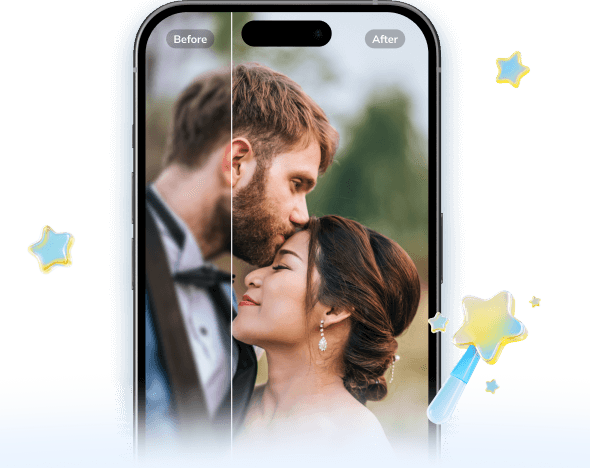
Relumi Lighting Enhancer
Retake photo lighting naturally with AI-powered scene relighting.
 Balance harsh facial shadows without flattening the portrait
-
Improve hard light, patchy light, and low-visibility street portraits naturally
-
Keep urban mood while making the subject easier to see
-
No editing skills required — upload, relight, preview, and save
Why “messy” often means distracting, not dirty
Many users use the word messy even when the space is not literally dirty. What they really mean is that the scene feels visually unresolved. A background can be tidy in real life and still be distracting in a portrait. A wall switch, a bright label, a sharp edge, a car, a phone, or a strong shape behind the head may be enough to compete with the person. This is why portrait distraction language is often as important as clutter language. The issue is attention theft. In a Quora discussion about whether background people make photos less appealing, the answers revolve around exactly that point: once the background starts pulling visual focus, the image becomes weaker, even if the subject itself has not changed.
Why the subject can still look okay while the whole portrait feels weak
This is the most frustrating version of the problem because it does not feel easy to diagnose. If the face is sharp enough and the expression is decent, the user expects the photo to work. But portraits are not judged face-only. They are judged as a whole scene. If the environment competes too much, the subject can still be technically fine while the portrait feels socially or aesthetically unfinished. This is especially obvious in selfies and profile-style photos. In a Reddit thread about messy selfie backgrounds, the reaction is not about face quality. It is about how background mess changes the overall impression of the person and the photo. That is exactly why this kind of cleanup matters.
Part 3. How Relumi helps clean up a portrait without making it feel artificial
The right cleanup logic is not “erase everything that looks inconvenient.” It is “make the portrait feel more like the version that should have been captured.” That approach fits how Relumi App talks about AI Retake: some photos are almost perfect, but the camera caught the wrong thing or emphasized the wrong part of the moment. It also fits the broader retake mindset explained on the Photo Lighting Enhancer page, where Relumi describes reading face brightness, shadow direction, background contrast, and scene atmosphere so the image feels closer to a better retake, not like a generic filter.
For a portrait background problem, that mindset matters a lot. The user usually wants to keep the same room, the same mirror, the same café, the same home setting, or the same travel spot. They just do not want the background to keep undermining the portrait. A believable cleanup result therefore does not feel empty. It feels calmer. The person becomes easier to notice first, while the environment remains recognizable enough to support the image.
Step 1. Add the portrait that already has the right moment
Start with the portrait where the expression, timing, or overall framing already works. This type of correction is most useful when the photo is emotionally worth keeping but visually held back by the scene around the subject.
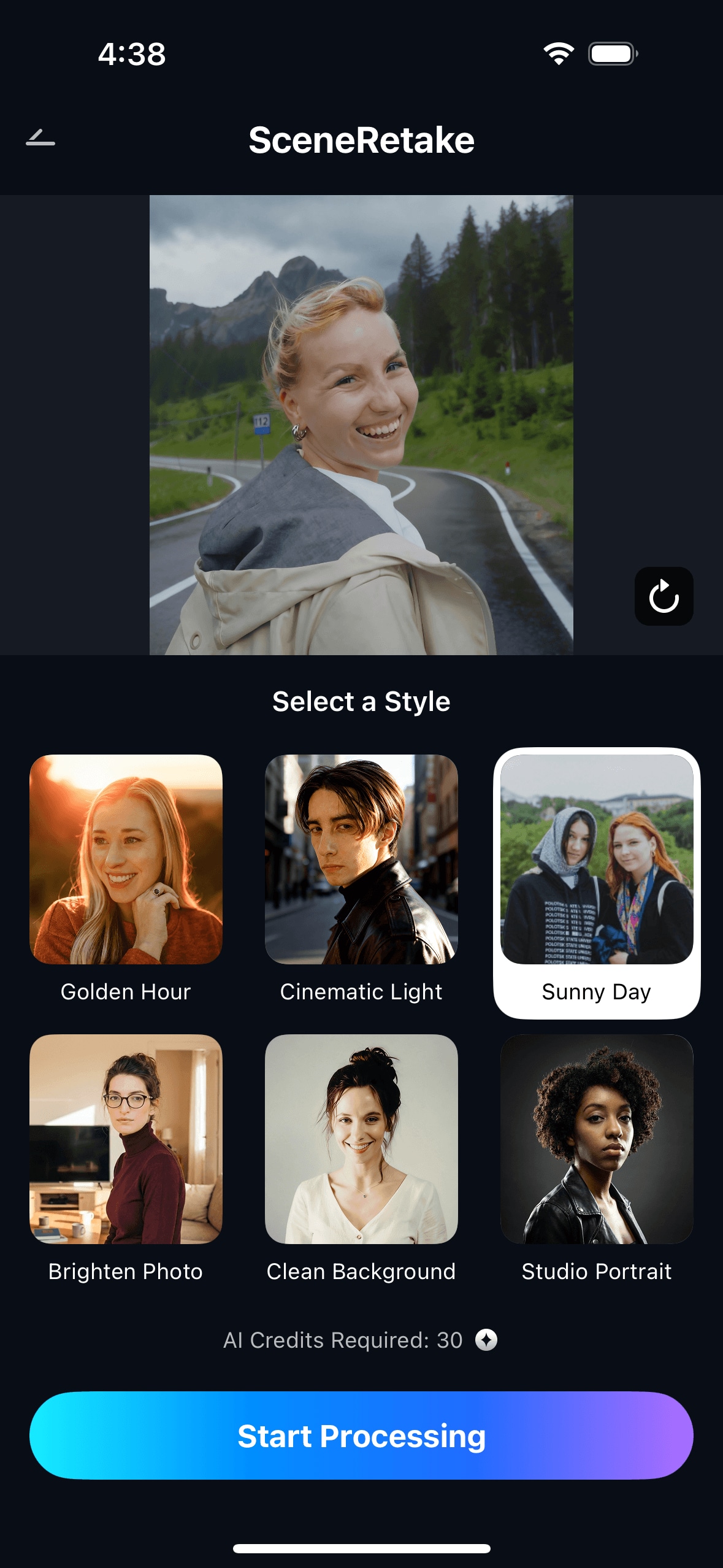
Step 2. Choose Clean Background in Scene Retake
At this stage, the goal is not to sterilize the scene. It is to reduce the background details that are stealing attention from the face, pose, or subject presence. Think of it as restoring visual order, not aggressively deleting reality.
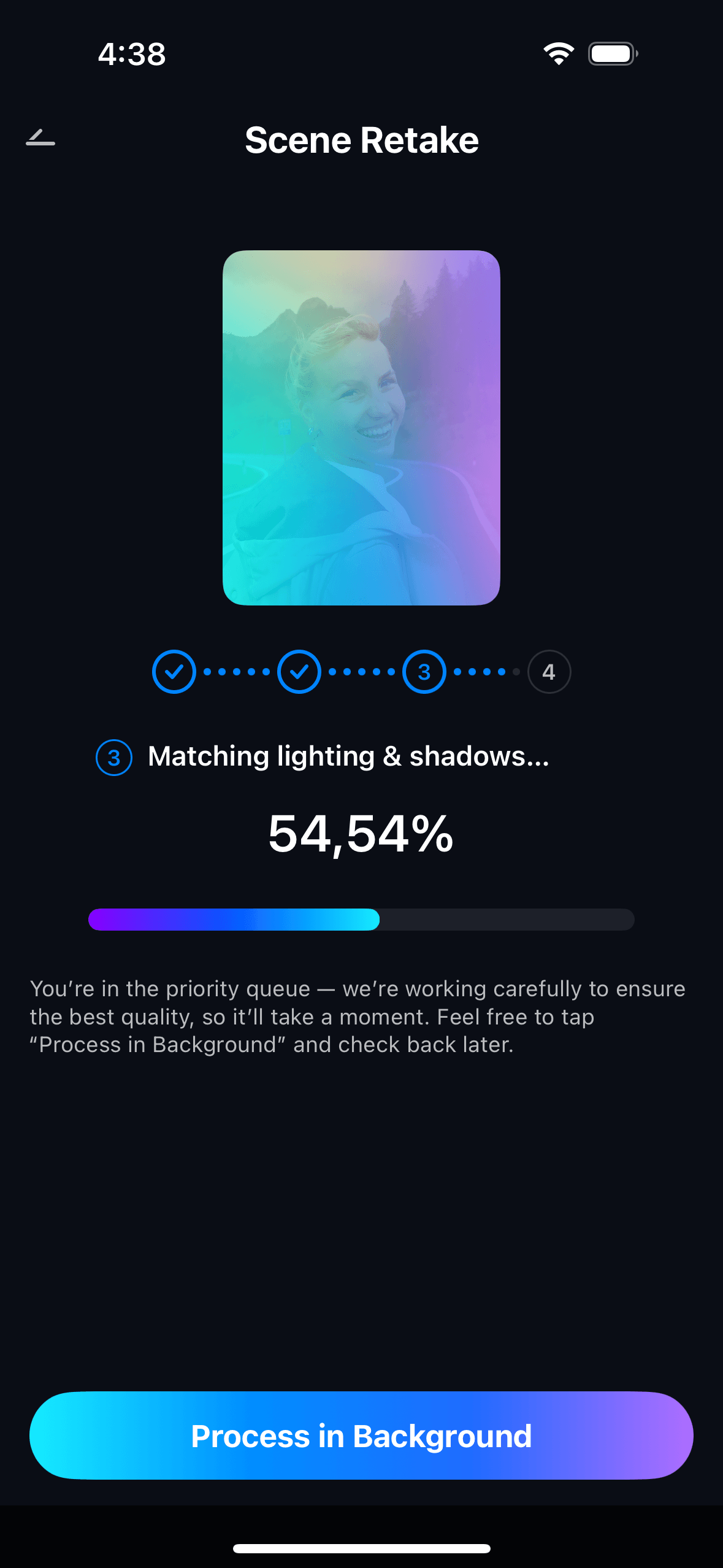
Step 3. Preview and save the version that feels cleaner, not fake
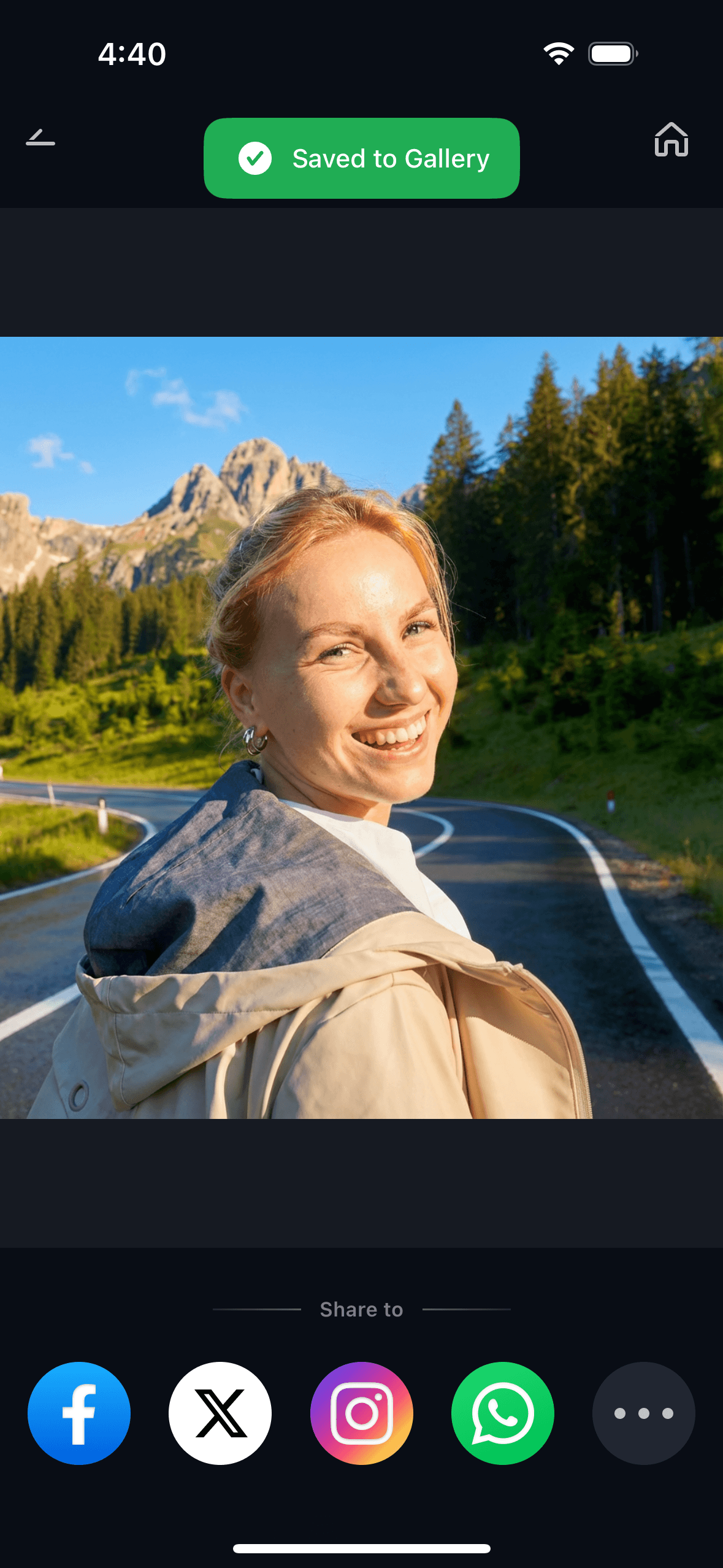
The final judgment should be simple: does the portrait now feel more focused without losing its original place and mood? Related Relumi scene-based articles repeatedly use preview-and-save as the moment where users decide whether the image feels more natural, more polished, and more worth keeping. The same standard should apply here.
Part 4. When this kind of correction works best
This kind of cleanup works best when the portrait is already basically good. The face is usable, the pose works, the photo has personal or social value, and the user likes the original frame. The only real problem is that the background keeps lowering the quality impression. In those cases, scene cleanup can do more than a crop because it preserves the composition while reducing the visual friction.
Most common portrait situations where the background becomes the problem
The most common situations are selfies with room clutter, mirror selfies with too many surrounding objects, casual home portraits, profile photos where the background feels careless, lifestyle portraits with bright background distractions, and social photos where the setting ends up louder than the person. These scenarios also line up with real user questions on Reddit and Quora, where the concern is not perfection but whether the background weakens the impression of the portrait.
Quick checklist before saving
- Does the subject draw your eye faster than before?
- Does the background still feel like the same real place?
- Does the portrait look more intentional without looking obviously processed?
- Would the image still make sense to someone who never saw the original?
Part 5. When results may be limited
Results may be more limited when the background is extremely crowded, when important details overlap closely with hair or body edges, when the photo quality is already weak, or when the scene depends on complex textures that cannot be simplified without becoming noticeable. In those cases, the goal should still be believable improvement, not total perfection. A realistic cleanup is often more valuable than an aggressive one that makes the portrait feel edited for the wrong reasons.
Conclusion
If your portrait background feels messy even when the subject looks fine, the problem is usually not that the person failed. It is that the frame is making too many things compete at once. Once that happens, even a decent expression or clean face light may not be enough to save the image’s overall impression. That is why this kind of correction belongs in a Scene Retake mindset: the job is to help the portrait feel closer to what the user meant to capture, with less visual noise and clearer subject priority.
Related Reading
How to Clean Up a Portrait Background Naturally Without Making It Look Over-Edited
FAQ
-
1. Why does a portrait sometimes feel messy even if the room is not actually dirty?
Because “messy” in portraits often means visually distracting, not literally dirty. A bright sign, crowded shelf, wall switch, chair edge, or random object can be enough to compete with the subject. -
2. Is this the same as saying the subject looks bad?
No. In many weak portraits, the subject is fine. The problem is that the background lowers the overall quality impression and makes the viewer’s eye hesitate before settling on the person. -
3. Why not just crop the photo tighter?
Cropping can help sometimes, but it can also damage composition, remove outfit context, cut body language, or make the portrait feel cramped. Many users want the frame they liked to stay intact. -
4. What should a good cleaned-background result feel like?
It should feel quieter and more focused, not empty or artificial. The person should stand out more naturally, and the environment should still feel believable.