
 TL;DR:
To successfully clean a travel portrait without losing the memory of the destination, use the Clean Background feature in the Relumi App's Scene Retake to selectively remove distracting tourists, signs, and barriers while preserving the recognizable atmosphere of the landmark.
● This correction works best for scenic or street photos where the subject's pose is already usable, but specific visual interference like queue barriers, trash bins, or parked scooters competes for attention.
● Unlike standard portrait edits that isolate the subject against an empty backdrop, travel cleanup must intentionally retain some environmental details so the location remains believable and emotionally valuable.
● The effectiveness of the AI Retake process may be limited if the original image quality is very low, important destination details tightly overlap with the clutter, or large barriers occupy central portions of the frame.
Ask AI for a summary
 ChatGPT
 Perplexity
 Gemini
 Claude
 Grok
Grok
A travel portrait usually fails in a way that feels unfair. The trip was real, the place was special, the light felt dramatic, the expression is usable, and the framing seemed good enough in the moment. Then you open the photo and realize the background is doing too much of the wrong work. The landmark is there, but so are random tourists, bright signs, ropes, trash cans, parked scooters, queue barriers, harsh pavement reflections, or a cluttered corner of the scene you barely noticed when you took the shot. Suddenly the photo no longer feels like a strong travel memory. It feels like a good moment with too much visual interference around it.
What makes travel portraits different from other portrait problems is that the background is not something you want to erase completely. The place matters. The whole point of the image is that you were there. A travel portrait should not end up looking like it could have been taken anywhere. That is why this type of cleanup is more delicate than simply “removing distractions.” The goal is to keep the place recognizable, atmospheric, and emotionally tied to the memory, while reducing the background elements that make the image feel crowded, accidental, or less worth sharing. That logic fits the broader Relumi App idea that some photos are almost right, but the camera captured the wrong emphasis. It also fits a recurring travel-photo frustration visible in discussions about crowds, scenic backgrounds, and landmark shots on Quora and Reddit: users do not want to lose the destination, they just do not want the destination photo to feel spoiled by everything around it.
In this article
Part 1. Why travel portrait backgrounds get crowded so easily
Travel portraits are often taken under conditions that make background problems almost unavoidable. You are moving quickly. The light changes fast. The place is busy. Other people want the same shot. Streets are full of signs and parked vehicles. Scenic viewpoints include railings, benches, ropes, cones, maps, and information boards. Historic sites have barriers and directional arrows. Beaches have bags, towels, umbrellas, and strangers in motion. Even when the destination feels beautiful in person, the phone camera records every competing detail with equal honesty. The result is that the viewer may notice the clutter of the location before they notice why the portrait mattered.
This is also why travel portraits often disappoint in a very specific way: the place looks memorable, but the person does not feel fully integrated into it. The official Relumi travel portrait article explains a related version of the same problem by saying that the scenery is perfect but the person is not. That description is useful even for Clean Background thinking, because travel-photo weakness rarely comes from one issue alone. Lighting imbalance, tourist clutter, harsh signs, and background noise all contribute to the same feeling: the location is strong, but the portrait itself is not landing the way the real moment felt.
Part 2. Why travel portrait cleanup is harder than ordinary portrait cleanup


Relumi Lighting Enhancer
Retake photo lighting naturally with AI-powered scene relighting.

 Balance harsh facial shadows without flattening the portrait
-
Improve hard light, patchy light, and low-visibility street portraits naturally
-
Keep urban mood while making the subject easier to see
-
No editing skills required — upload, relight, preview, and save
Travel portraits are harder to clean because the background is not just “background.” It is part of the evidence of the trip. In a normal selfie or room portrait, users often want the setting to become quieter. In a travel portrait, they usually want the setting to stay meaningful. The beach, alley, temple gate, skyline, mountain ridge, old street, or café terrace is part of the photo’s emotional value. If you clean too much, the image may become neater but also emptier. It can start to look like a generic portrait in front of an abstract backdrop instead of a memory rooted in a real place.
The place is part of the memory, so you cannot clean too aggressively
That is why travel cleanup requires a different standard. The goal is not to remove all signs of activity. It is to remove the activity that damages the read of the photo. A few background figures can sometimes help a place feel alive. But a cluster of tourists behind your shoulder, a bright warning sign by your head, a queue rope cutting across the frame, or a trash bin near the edge can make the image feel careless instead of immersive. In public travel-photo discussions on Quora about crowded tourist spots, people repeatedly focus on the same problem: not how to eliminate the place, but how to stop crowds and distractions from overwhelming the photo.
This also aligns with the broader Relumi App messaging around rescue shots. Public product language describes “perfect vacation photo ruined by strangers in the background” and emphasizes that unwanted people, text, or clutter can be removed while keeping everything else untouched. For travel portraits, that promise matters because users do not want a new photo. They want their original trip memory to read more clearly.
A good travel portrait should keep both subject focus and destination feel
A strong travel portrait should let the eye understand two things in the right order: who the photo is about, and where the photo happened. If the background is too noisy, the viewer notices random people, colors, or objects first. If the cleanup is too aggressive, the image stops feeling rooted in the place. The best result sits between those extremes. This is why the Scene Retake logic on Photo Lighting Enhancer is so relevant here. Relumi describes the process as reading face brightness, shadow direction, background contrast, and scene atmosphere so the final image feels like it was retaken under better conditions, not artificially rebuilt. That same philosophy is the right benchmark for travel background cleanup too. The street, sea, architecture, or landscape should still feel real. It just should not overpower the memory.
Part 3. How Relumi helps clean a travel portrait without removing the place
The best travel portrait correction is not the one that makes the frame emptiest. It is the one that makes the memory easiest to read. That means the person should feel more clearly placed in the destination, while the distracting details around them stop acting like visual interruptions. In practical terms, a queue barrier might disappear from importance, a bright sign may stop drawing the eye away, stray passersby may no longer dominate the scene, and clutter near the edge may stop making the image look accidental. What should remain is the place itself and the feeling of being there.
This is exactly where the Relumi retake mindset is useful. The photo was already worth saving because the moment, place, or expression mattered. The problem is simply that the camera kept too many irrelevant things in equal competition with the subject and the destination. A better version should still feel like your trip, your location, your weather, and your timing. It should just feel cleaner, more intentional, and more shareable.
Step 1. Add the travel portrait that already captured the right moment
Start with the photo where the location, pose, or travel feeling already works. Maybe the landmark is framed well, the expression is natural, or the timing captured the right part of the trip. This correction works best when the memory itself is worth keeping, but background distractions keep lowering the quality of the image.
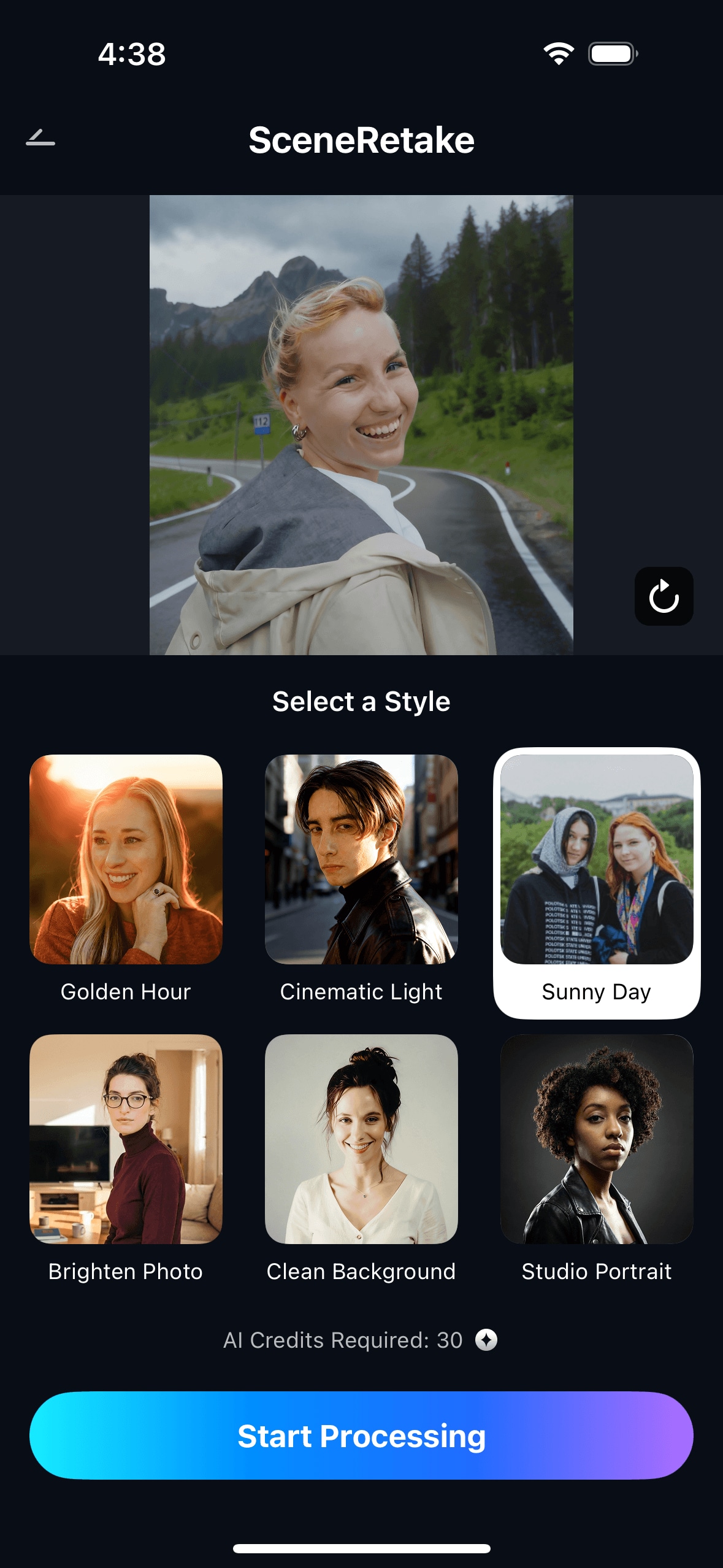
Step 2. Choose Clean Background in Scene Retake
At this stage, think about what is getting in the way of the place rather than what merely exists in the place. The problem may be strangers clustered near the subject, warning signs, bins, railings, traffic cones, ropes, bright objects, shop clutter, or messy corners that keep stealing attention. The ideal result is not a destination stripped of life. It is a destination where the wrong elements no longer interrupt the portrait.
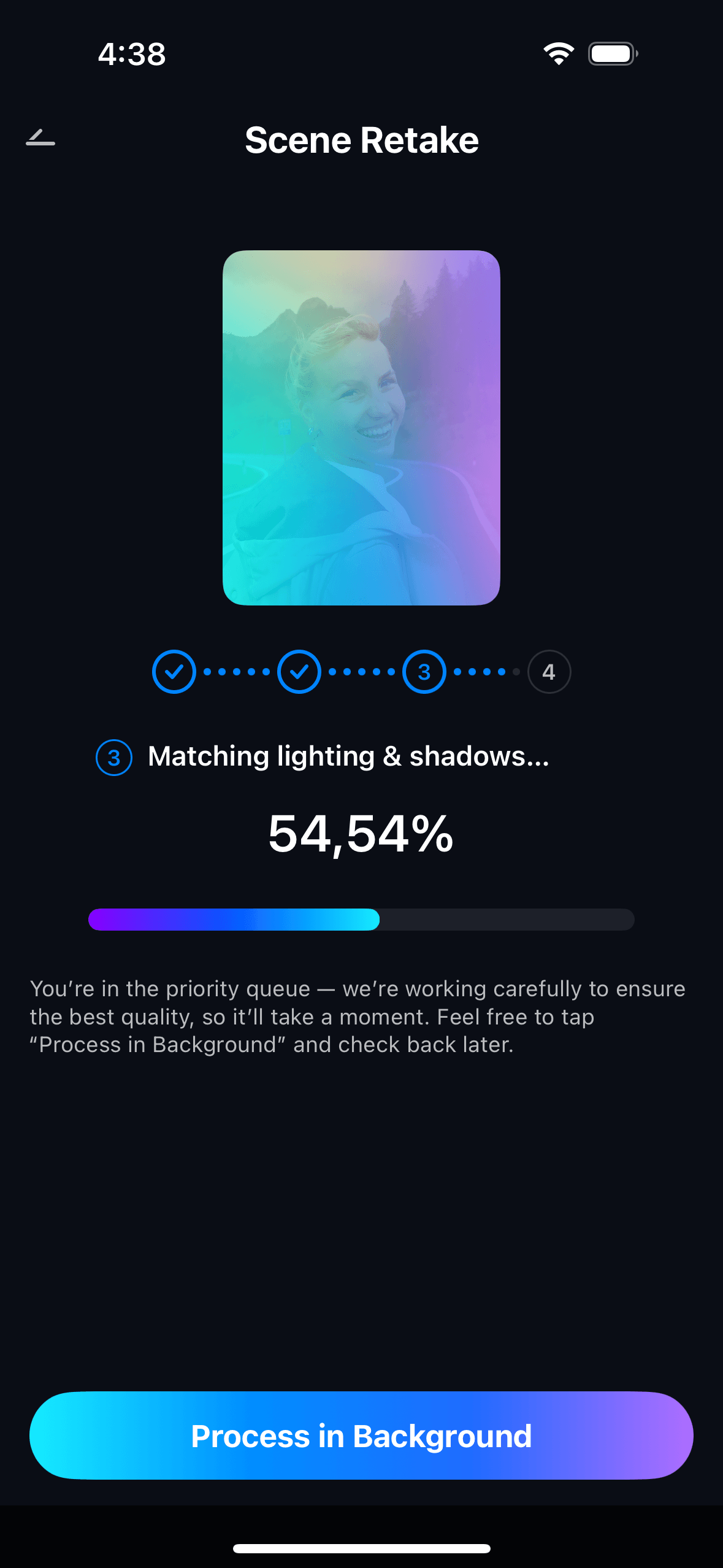
Step 3. Preview and save the version where the place still matters
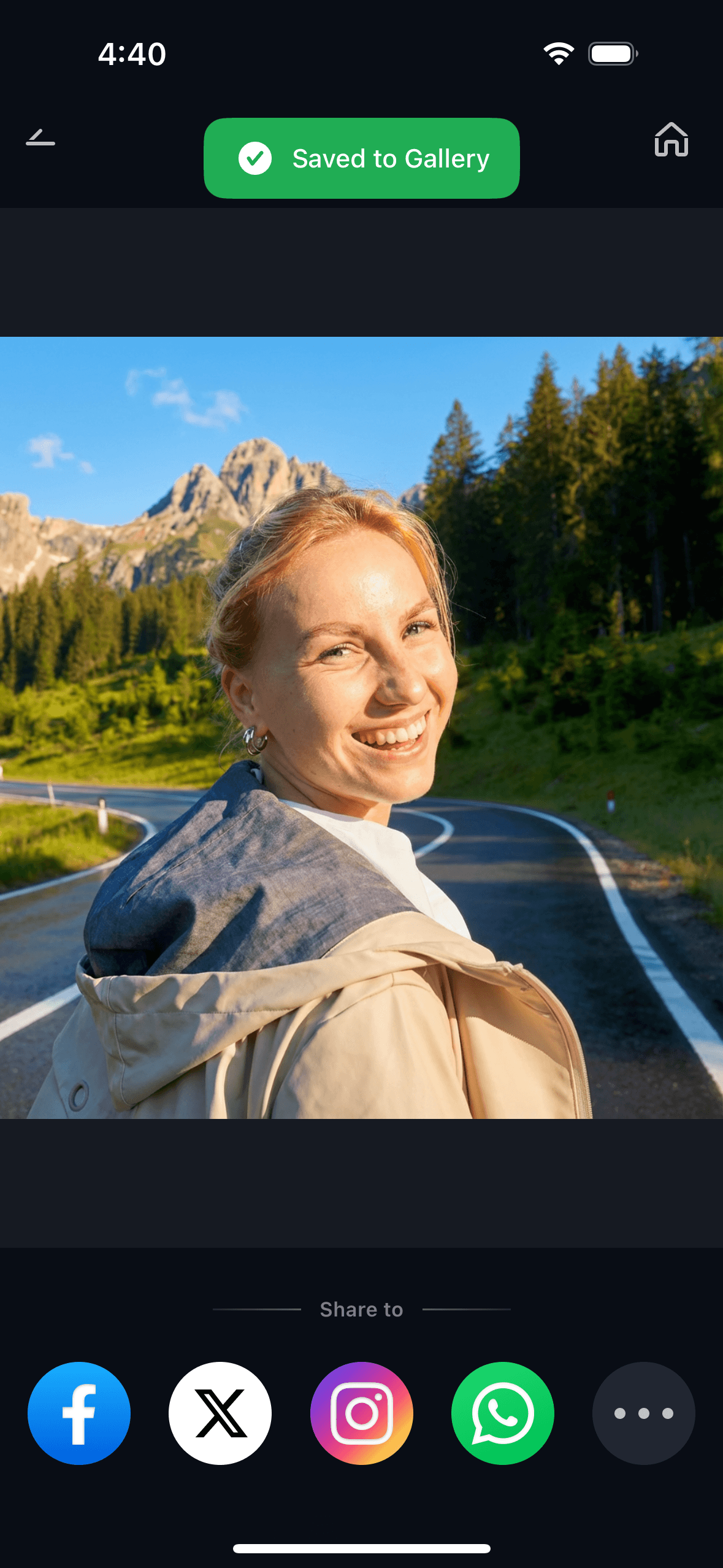
The final evaluation should be simple. Does the destination still feel like the same destination? Does the person stand out more naturally now? Does the image feel closer to the trip you remember instead of a crowded draft you nearly deleted? If yes, the correction is working. A successful travel background cleanup preserves the location’s emotional value while removing the distractions that were never part of the memory in the first place.
Part 4. Which travel portraits benefit most from this correction
This kind of cleanup works best when the travel photo already has real value before editing. The person looks good enough, the pose is usable, the destination matters, and the composition still feels worth keeping. The only issue is that the background is making the image look busier, more accidental, or less polished than the trip actually felt. In those cases, background cleanup is not replacing the travel memory. It is helping the travel memory read correctly.
Common travel situations where the background weakens the photo
The most common examples are landmark portraits with tourists packed behind the subject, scenic shots with bins or signs near the frame edge, old-street portraits with random vehicles or shop clutter, beach portraits with umbrellas or passersby competing with the subject, viewpoint photos with railings and queue barriers cutting across the composition, and travel café portraits where the setting matters but the scene contains too many attention-stealing details. These use cases also match the kinds of questions people ask on Quora about taking landmark photos without so many tourists and in broader travel-photo discussions on Reddit. The shared frustration is not that the place was boring. It is that the photo feels less special than the place really was.
Quick checklist before saving
- Does the person draw attention without the place disappearing?
- Does the destination still feel specific and recognizable, rather than generic?
- Have the wrong distractions calmed down without making the scene look empty or fake?
- Would you be more willing to share this version as the trip memory you actually wanted?
Part 5. When results may be limited
Results may be more limited when the location is extremely crowded, when important destination details overlap tightly with people or clutter, when signs or barriers occupy large central portions of the frame, when the original photo is very low quality, or when the image depends on a complex scene where every part of the crowd contributes to the atmosphere. In those cases, the goal should still be believable improvement, not unrealistic perfection. Even moderate cleanup can help the person and the place feel more connected again.
Conclusion
A travel portrait should not make you choose between the person and the place. The strongest images let both work together. If the background is too busy, the destination can swallow the portrait. If cleanup is too aggressive, the portrait can lose the destination. That is why this kind of correction belongs inside a Scene Retake mindset. The best result is not a sanitized postcard and not a crowded snapshot. It is a travel memory that feels closer to what you meant to keep when you pressed the shutter: you, there, with the place still worth seeing.
Related Reading
How to Clean Up a Portrait Background Naturally Without Making It Look Over-Edited
Why Your Portrait Background Feels Messy Even When the Subject Looks Fine
How to Make the Subject Stand Out When the Background Keeps Stealing Attention
How to Clean Up a Selfie Background Without Cropping Away the Frame
How to Make a Mirror Selfie Look Cleaner Without Losing the Outfit Context
FAQ
-
1. Why is travel portrait background cleanup different from normal portrait cleanup?
Because in a travel portrait, the background is part of the memory. You usually want to reduce distractions without removing the destination itself. -
2. Should I remove all tourists from a travel portrait?
Not always. Some activity can help a place feel alive. The goal is to reduce the people or objects that weaken the photo, not necessarily erase every sign of public space. -
3. What kinds of travel portraits benefit most from this kind of cleanup?
Landmark portraits, viewpoint photos, beach portraits, old-street travel shots, travel café portraits, and scenic destination photos benefit most when the place matters but the extra clutter does not. -
4. What should a successful cleaned travel portrait feel like?
It should still feel clearly tied to the same destination, but with fewer distractions competing against the person and the memory. The place should remain believable and worth seeing.



