
 TL;DR:
To fix a messy selfie background without ruining the photo's composition through aggressive cropping, use the Clean Background feature in the Relumi App's Scene Retake to reduce visual clutter while preserving the original outfit context and authentic setting.
● Cropping a selfie often makes it worse by cutting off arm positioning, mirror shapes, and negative space, whereas background cleanup maintains these essential composition elements so the image stops feeling squeezed or accidental.
● The Relumi App utilizes the same Scene Retake logic found in the Relumi Photo Lighting Enhancer, analyzing background contrast and scene atmosphere to calm down competing details like sink products or laundry without flattening the room into a blank graphic.
● This correction is highly effective for casual bedroom, bathroom, and mirror selfies where the face and pose are already good, but yields limited results if background clutter tightly overlaps with hair or body edges, if the original image is too dark, or if the composition depends heavily on a messy reflection.
Ask AI for a summary
 ChatGPT
 Perplexity
 Gemini
 Claude
 Grok
Grok
A selfie often fails for a frustrating reason that has nothing to do with your face. The expression works. The angle is flattering enough. The light is not perfect, but still usable. Then you look at the full image and notice what the camera kept with you: the unmade bed, the crowded shelf, the towel on the door, the bottles by the sink, the open drawer, the charger cable, the shopping bag on the floor, or the stranger in the back corner of a café. The selfie stops feeling personal and starts feeling accidental. The problem is not that the photo is ruined. The problem is that the background now carries almost as much information as the person who took it.
That is why many users try the quickest fix first: crop tighter. Sometimes that helps. But often it makes the selfie worse. It cuts off outfit context, removes the arm position that balanced the frame, trims the mirror shape that made the composition work, or pushes the face too close to the edge. In other words, the crop removes evidence of the problem while also removing part of what made the shot worth keeping. In recurring discussions on Reddit about messy selfie backgrounds and Quora discussions about messy-room selfies, the concern is rarely just cleanliness. It is impression. People notice when the background looks more careless than the person. That same frustration fits the broader Relumi App idea that some photos are almost right, but the camera emphasized the wrong thing.
In this article
Part 1. Why selfie backgrounds become a problem so quickly
Selfies are unusually vulnerable to background problems because they are often taken in everyday spaces that were never prepared to be photographed. Unlike a planned portrait, a selfie happens wherever the user happens to be: bedroom, bathroom, hallway mirror, elevator, café corner, office restroom, fitting room, parked car, kitchen doorway, hotel room, or street-side glass reflection. These places are normal in real life, but a phone camera freezes every small detail with equal honesty. The result is that the viewer gets more room information than the user intended to show.
This matters because selfies carry a different kind of social pressure than other portraits. They are often used for posting, updating a profile, sending to someone, or keeping as a casual image that still needs to feel reasonably polished. In that context, small background details start behaving like signals. A sink full of products suggests carelessness. A pile of clothing makes the frame feel noisy. A mirror with fingerprints looks accidental. A bright package on the floor becomes the first thing the eye notices. In a Reddit discussion about judging the background of personal photos and another Reddit thread about looking at the background more than the face, people repeatedly describe being distracted by exactly these kinds of everyday details. The face may be fine, but the selfie still reads as less intentional than it should. That is the real problem.
Part 2. Why cropping often hurts more than it helps
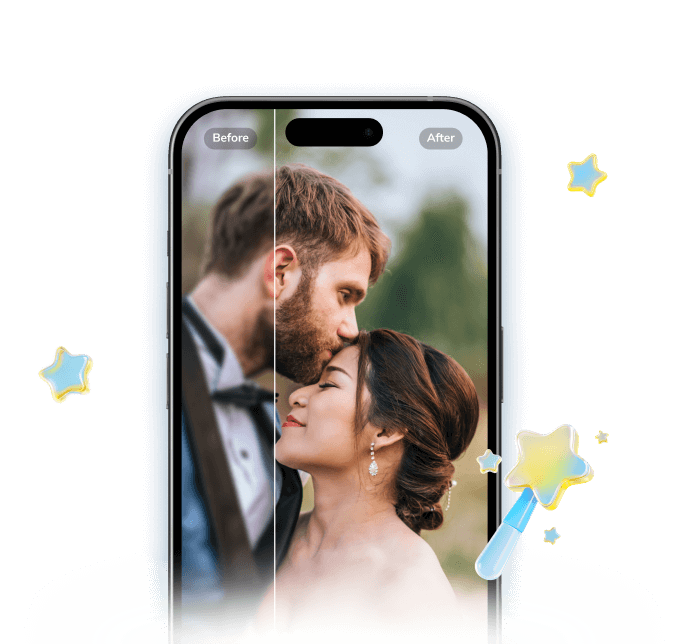

Relumi Lighting Enhancer
Retake photo lighting naturally with AI-powered scene relighting.
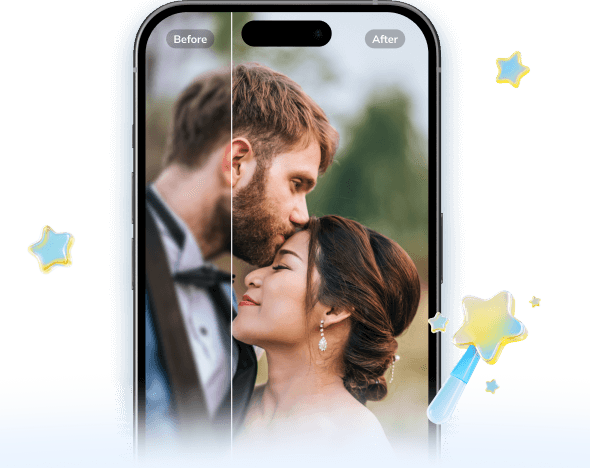
 Balance harsh facial shadows without flattening the portrait
-
Improve hard light, patchy light, and low-visibility street portraits naturally
-
Keep urban mood while making the subject easier to see
-
No editing skills required — upload, relight, preview, and save
When users notice that the background is the issue, cropping feels logical. It is fast, available on any phone, and sometimes genuinely useful. But selfie composition is often more fragile than people expect. The phone angle, hand position, shoulder line, mirror edges, outfit balance, head tilt, and negative space all work together. Once you crop too aggressively, the selfie stops feeling relaxed and starts feeling squeezed. The background may be smaller, but the image itself is no longer better.
Cropping can remove context that the selfie actually needs
This is especially true for mirror selfies, half-body selfies, casual fashion selfies, and profile-style photos where clothing, posture, environment, or proportions matter. If you crop too close, you may lose the outfit that justified the selfie, cut away arm placement that gave the frame shape, or remove enough surrounding space that the face suddenly feels oversized. A selfie is often not just about the face. It is about how the user appears in a real setting. That is why a background cleanup approach can be more valuable than a crop-only fix. The goal is to reduce the visual competition without sacrificing the frame that already works.
That logic also fits the broader Relumi retake narrative. The Relumi App describes AI Retake as rescuing shots that were almost perfect and fixing what the camera caught wrong so the moment looks the way it actually felt. For selfies, the thing the camera often catches wrong is not the person. It is the balance between the person and everything around them.
A cleaner selfie should still look like the same real moment
A believable selfie cleanup should preserve the setting instead of flattening it into emptiness. The bedroom can still feel like a bedroom. The café can still feel like a café. The hotel mirror can still feel like a real travel mirror selfie. The point is not to pretend the place never existed. The point is to stop the background from being louder than the person. That is why the natural-result language on Photo Lighting Enhancer matters even for a Clean Background discussion: Relumi explains Scene Retake as reading face brightness, shadow direction, background contrast, and scene atmosphere so the photo feels as if it were retaken under better conditions, not as if it were rebuilt from scratch. That same philosophy suits selfie cleanup very well.
Part 3. How Relumi helps clean a selfie background while keeping the frame intact
For a selfie, a strong cleanup result should do two things at the same time. First, it should reduce distracting room details so the face, pose, or outfit becomes easier to notice. Second, it should keep enough of the original frame that the selfie still feels authentic. This is where Scene Retake logic makes sense. Instead of treating the image like a disposable draft that needs to be cut down, it treats it like a photo that was already worth saving but needs better visual balance.
That approach also matches how public Relumi pages describe near-miss photos. The user already had the moment. The problem is that the camera preserved the wrong emphasis. In a selfie, that often means preserving too much background clutter, too many bathroom details, too much bedroom noise, or too much mirror-side distraction. Cleaning that up without flattening the whole frame is what makes the result feel post-ready.
Step 1. Add the selfie you still want to keep
Start with the selfie that already has something worth preserving: a flattering angle, a natural expression, a good outfit, a fun travel moment, or a version of yourself that feels true. This kind of correction works best when the image is emotionally usable already, but visually held back by the background.
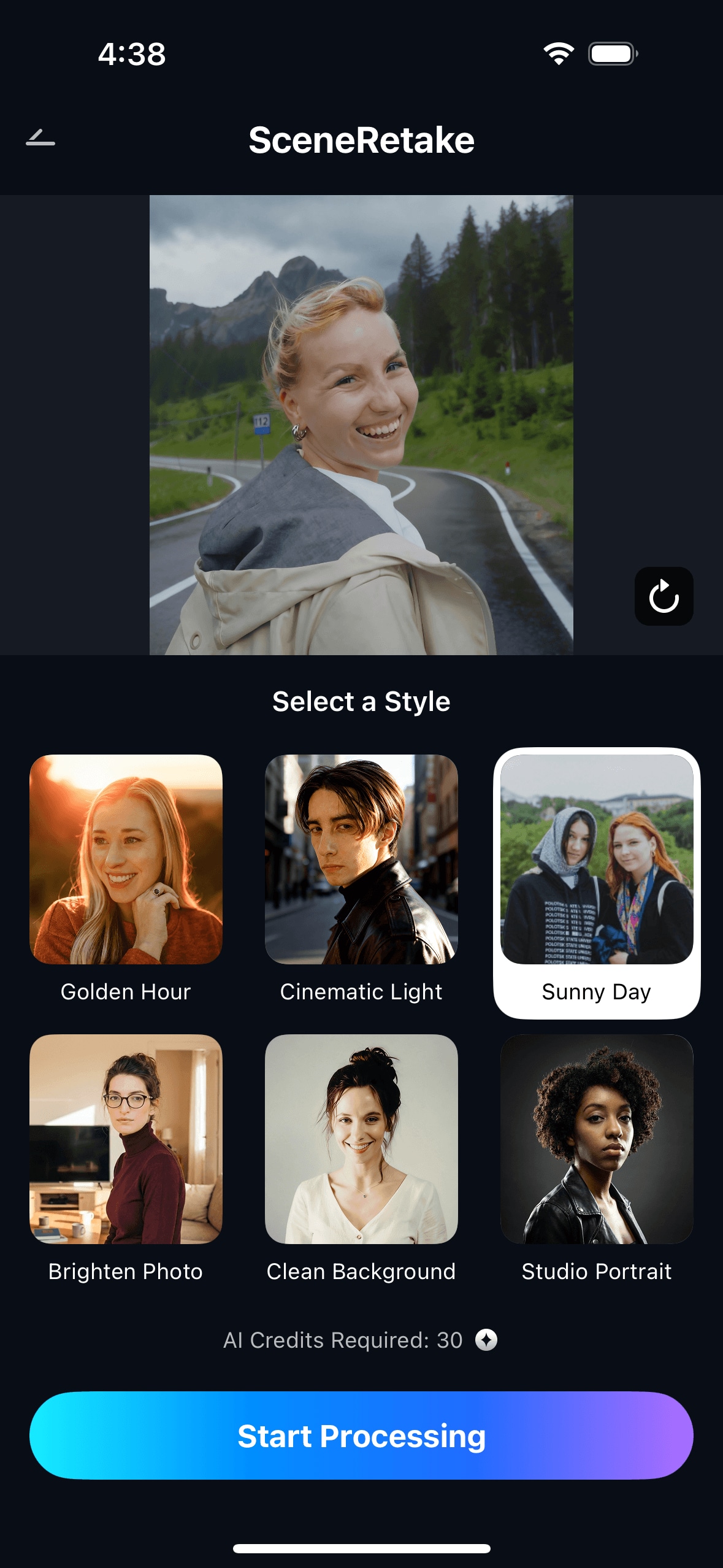
Step 2. Choose Clean Background in Scene Retake
At this stage, the objective is not to turn the selfie into a studio shot. It is to calm down the details that are competing with the person. Think about what is drawing the eye in the wrong direction: sink clutter, towel edges, open cabinets, room mess, wall marks, packaging, shelves, random items, or a bright corner that visually overpowers the face. The best correction keeps the room believable while making it less socially and visually noisy.
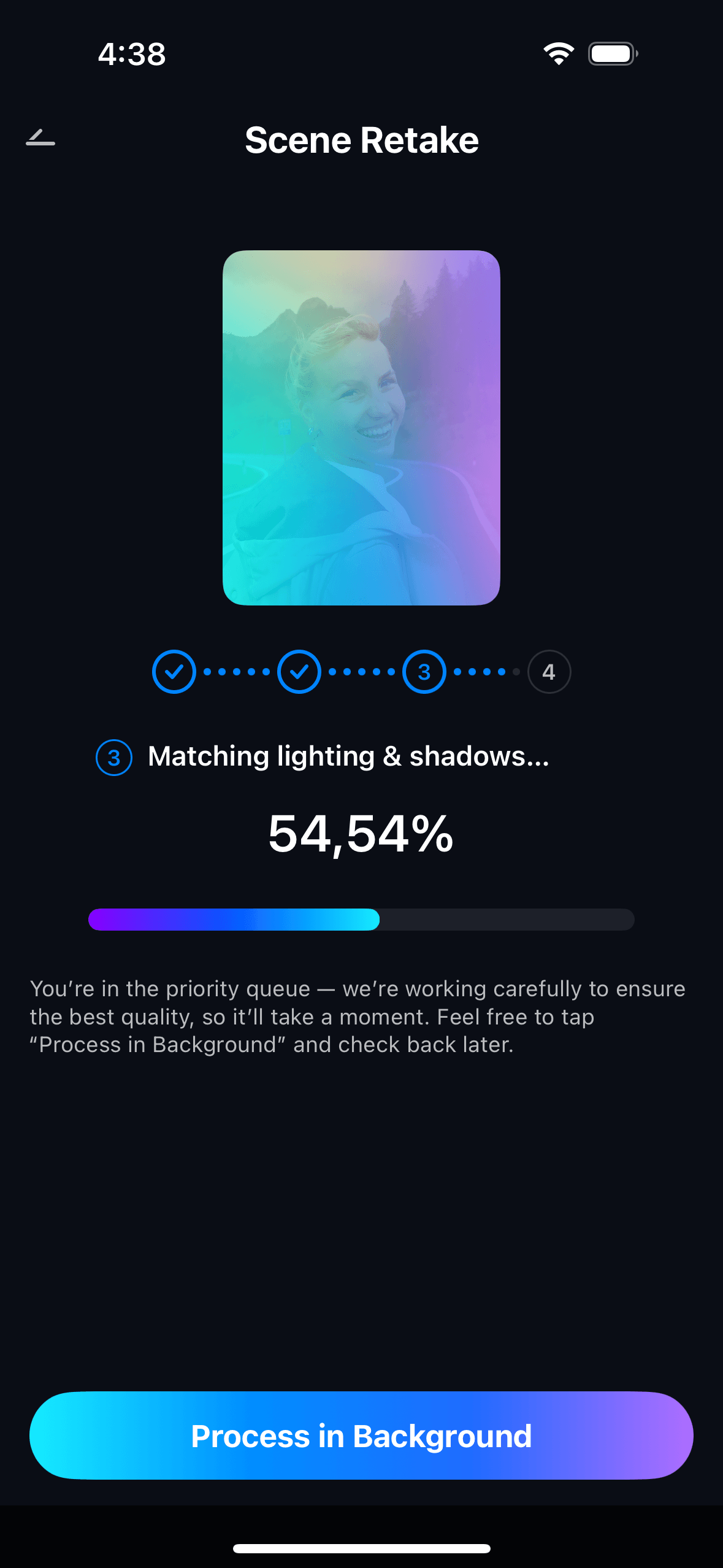
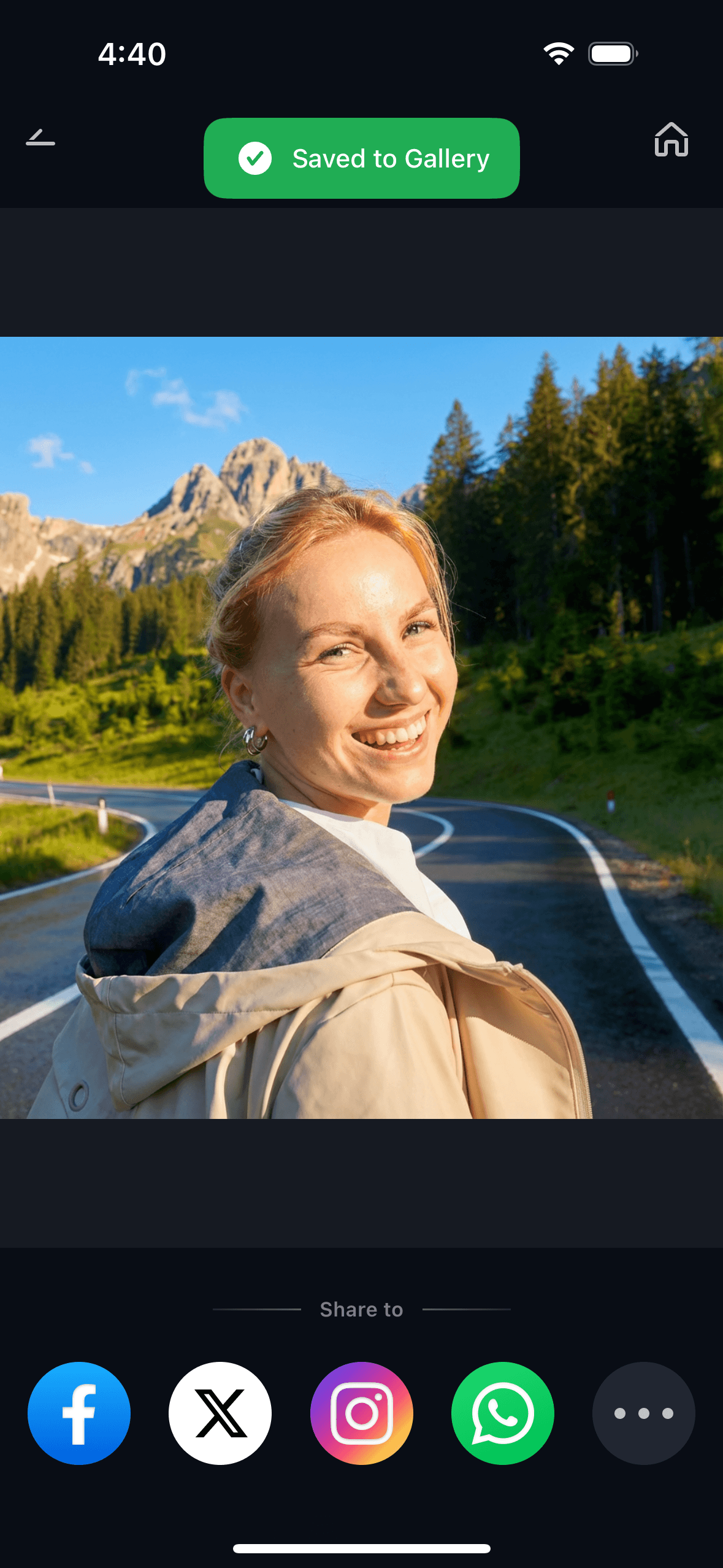
Step 3. Preview and save the version that feels cleaner, not cropped
The final test is simple: does the selfie still look like the same shot, only easier to look at? If the answer is yes, the correction is doing its job. The face should be easier to notice. The frame should still breathe. The outfit or body language should remain intact. The place should still feel real, but it should no longer distract more than it supports. That is the difference between an edited selfie and a rescued selfie.
Part 4. Which types of selfies benefit most from this correction
This kind of correction works best on selfies that are already basically successful. The user likes the face, the pose, or the styling, and the original frame still has value. What is getting in the way is not identity but distraction. In those cases, cleaning the background is more useful than rebuilding the selfie from scratch because it preserves the reason the image was chosen in the first place.
Common selfie situations where the background quietly ruins the result
The most common examples are bedroom selfies with visible clutter, bathroom selfies with sink products and towel noise, mirror selfies where the outfit matters but the room looks chaotic, hotel selfies where travel mess weakens the shot, café selfies where cups and neighboring tables crowd the frame, and profile-update selfies where the face is fine but the background feels careless. These patterns align with what users repeatedly point out in Reddit conversations about profile selfies and Quora questions about selfie background fails. The shared concern is not perfection. It is whether the background quietly changes the impression of the photo.
Quick checklist before saving
- Does your face or overall selfie presence attract attention before the room details do?
- Does the composition still feel open enough, rather than cropped too tightly?
- Does the background still look like the same real place, only calmer?
- Would you feel more comfortable posting or sharing this version without explaining the background away?
Part 5. When results may be limited
Results may be more limited when the selfie background is extremely crowded, when important background clutter overlaps tightly with hair or body edges, when the original image is too dark or too soft, or when the composition depends heavily on a messy reflection that cannot be simplified without looking unnatural. In those cases, the realistic goal is not total perfection. It is a cleaner reading order and a better social impression. Even a partial reduction in distraction can make a selfie feel much more usable.
Conclusion
If a selfie background is ruining the photo, the answer is not always to crop the evidence out. In many cases, that just removes the composition along with the problem. A better result is one where the selfie keeps its frame, keeps its casual realism, and keeps the details that matter, while losing the visual noise that weakens the impression. That is why this kind of correction fits a Scene Retake mindset so well: the point is not to make the selfie look manufactured, but to make it feel closer to the version you thought you captured in the first place.
Related Reading
How to Clean Up a Portrait Background Naturally Without Making It Look Over-Edited
Why Your Portrait Background Feels Messy Even When the Subject Looks Fine
How to Make the Subject Stand Out When the Background Keeps Stealing Attention
FAQ
-
1. Why does a selfie background matter so much more than I expect?
Because selfies are often judged as complete impressions, not just face-only images. Background details can suggest clutter, distraction, or carelessness even when the subject looks good. -
2. Is cropping always the wrong fix for a messy selfie background?
No. Cropping can help in some cases, but it often cuts away outfit context, body language, mirror shape, or breathing room. A cleaner full frame is often more useful than a tighter but weaker crop. -
3. What kinds of selfies benefit most from background cleanup?
Bedroom selfies, bathroom selfies, mirror selfies, hotel selfies, café selfies, and profile-update photos often benefit the most because everyday background details frequently compete with the subject. -
4. What should a good cleaned-selfie result feel like?
It should feel like the same selfie, only calmer and more intentional. The setting should remain believable, but your face, pose, or outfit should lead the image more clearly.