
 TL;DR:
A portrait often feels weak despite a good pose because bright, high-contrast, or cluttered background elements steal visual priority, a problem that can be resolved by using the Clean Background tool within the Relumi App's Scene Retake to reduce visual competition while keeping the original setting believable.
● Unlike cropping, which removes essential outfit context and body language, this method preserves the natural environment while ensuring the viewer's eyes land on the subject before the background.
● This approach is best suited for mirror selfies, street photography, and casual home portraits where the subject's expression is already strong but surrounded by medium-strength details like furniture, signs, or crowds.
● Results will be limited if the subject is extremely small in the frame, the original image is soft or low quality, or complex background clutter tightly overlaps with the subject's hair or body edges.
Ask AI for a summary
 ChatGPT
 Perplexity
 Gemini
 Claude
 Grok
Grok
Some portraits fail in a very specific way: the person is there, the expression is usable, the framing is not terrible, and yet the photo still feels weaker than the moment itself. What often goes wrong is not the subject but the viewing order. Your eyes land on the bright window, the colorful sign, the busy shelf, the mirror clutter, the chair edge, the table mess, or the stranger in the back before they fully land on the person. Once that happens, the portrait loses its center of gravity. The subject is still present, but no longer visually leading the frame.
This is why many users do not describe the problem as “bad lighting” or “bad posing” at first. They say the background keeps stealing attention. That phrase is useful because it reflects how people actually evaluate portraits. In a Reddit discussion about distracting backgrounds and in Quora discussions about why portrait backgrounds are often softened, the same principle keeps surfacing: the stronger the background competes, the harder it is for the person to dominate the image. That logic also aligns with how the Relumi App frames AI Retake: the goal is to fix what the camera caught wrong so the photo feels closer to what the moment actually felt like.
In this article
Part 1. What it really means when the background keeps stealing attention
When users say the background is stealing attention, they usually mean the portrait has lost visual priority. The face may still be visible, but it is no longer the first or strongest thing the viewer notices. Instead, attention gets split. A bright patch behind the head, a high-contrast edge near the shoulder, a crowded shelf, a mirror full of objects, a bold sign, a white doorway, a colorful drink, or a person walking in the back can all behave like visual magnets. None of them needs to be huge. They only need to be strong enough to delay the viewer from settling on the subject.
This matters because portraits are emotional images before they are technical ones. The person is supposed to anchor the frame. If the portrait makes the eye wander before it commits to the subject, the image feels weaker, cheaper, or less intentional, even when the person actually looks good. In a Reddit discussion about making the subject stand out more, the advice quickly shifts toward controlling what else competes in the image. In other words, subject quality and subject dominance are not the same thing. A good subject inside a noisy frame can still produce a weak portrait.
Part 2. Why the subject does not stand out even when the portrait seems usable


Relumi Lighting Enhancer
Retake photo lighting naturally with AI-powered scene relighting.
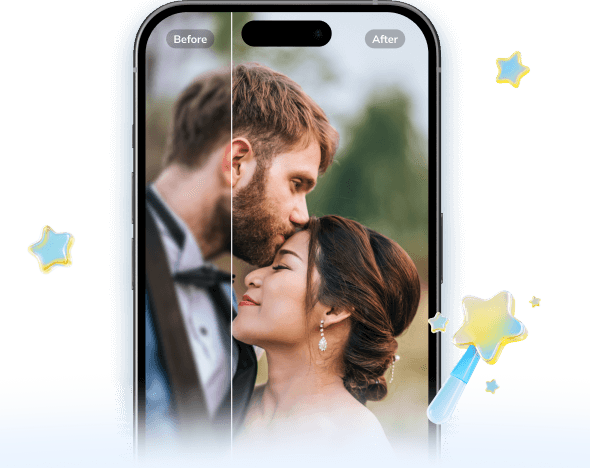
 Balance harsh facial shadows without flattening the portrait
-
Improve hard light, patchy light, and low-visibility street portraits naturally
-
Keep urban mood while making the subject easier to see
-
No editing skills required — upload, relight, preview, and save
There are several reasons this happens, but most of them come back to one principle: the camera records everything with more equality than the viewer emotionally remembers. In real life, you were paying attention to the person. In the photo, the frame is also paying attention to the lamp, the sign, the dishes, the curtain edge, the crowd, the table clutter, the reflection, and the wall contrast. That is why a portrait can feel disappointing even when nothing appears obviously broken.
Strong background contrast can outrank the face
The most common cause is visual contrast. A face can be clear and still lose to a brighter, sharper, or louder background element. This happens a lot with windows, white walls, strong reflections, neon colors, traffic signs, mirror highlights, and bright clothing hanging in the back. The background wins not because it is meaningful, but because it is visually louder. The person becomes one important element among several, instead of the image’s natural center. That is also why the Photo Lighting Enhancer explanation is relevant here: Relumi describes Scene Retake style correction in terms of face brightness, shadow direction, background contrast, and overall scene atmosphere. Subject priority is not only about the subject. It is also about how the surrounding frame behaves.
Users often recognize this problem instinctively, even if they do not describe it in technical terms. In a Quora thread about whether people in the background make a picture less appealing, the underlying concern is not literally the presence of others. It is whether those background elements pull the eye away from the main person. Once the answer is yes, the portrait feels diluted.
Too many medium-size details can flatten subject priority
The second cause is more subtle. Sometimes no single background item is dramatic, but there are too many medium-strength details at once. This is why everyday locations create so many weak portraits. Bedrooms contain shelves, blankets, chargers, bottles, drawers, chairs, and clothing. Cafés contain menus, cups, plates, wall art, and neighboring tables. Home portraits include doorframes, furniture edges, stacked items, toys, kitchen counters, and room corners. Travel portraits carry signs, tourists, parked cars, ropes, poles, umbrellas, and architectural noise. None of these details is necessarily disastrous alone. Together, they flatten the frame and make the subject feel less special.
This is also why cropping alone often fails. A tighter crop may remove some clutter, but it can also cut away gesture, body language, outfit context, or place feeling. In a Reddit thread about background distraction, the concern is not simply how to remove background information at any cost. It is how to stop the background from taking over. That is a different goal. It requires preserving the portrait’s intention while calming what competes around it.
Part 3. How Relumi helps restore subject focus without making the portrait feel fake
The strongest cleanup logic is not to turn the background into a blank space. It is to restore the subject as the frame’s clear priority. That fits how the Relumi App positions AI Retake: some photos cannot be retaken in real life, but they can still be rescued when the camera captured the wrong emphasis. It also fits the broader Relumi language on Photo Lighting Enhancer, where the image is improved by reading the scene more intelligently, not by applying a one-size-fits-all effect. For Clean Background inside Scene Retake, that same idea matters: the portrait should feel like a better version of the original shot, not like a different photo with its character removed.
In practical terms, this means the background can stay recognizable while becoming less competitive. The mirror can still look like a mirror selfie. The café can still look like a café. The room can still feel lived in. The travel place can still feel real. What changes is the eye path. The viewer notices the subject first, then the environment second. That reversal is what makes the portrait feel stronger.
Step 1. Add the portrait that already has the right person, pose, or moment
Start with the photo you already want to keep. This correction is most useful when the subject, timing, or feeling is already there, but the background keeps weakening the image. The best candidates are portraits that feel socially valuable, emotionally meaningful, or compositionally promising, even if they currently lack subject focus.
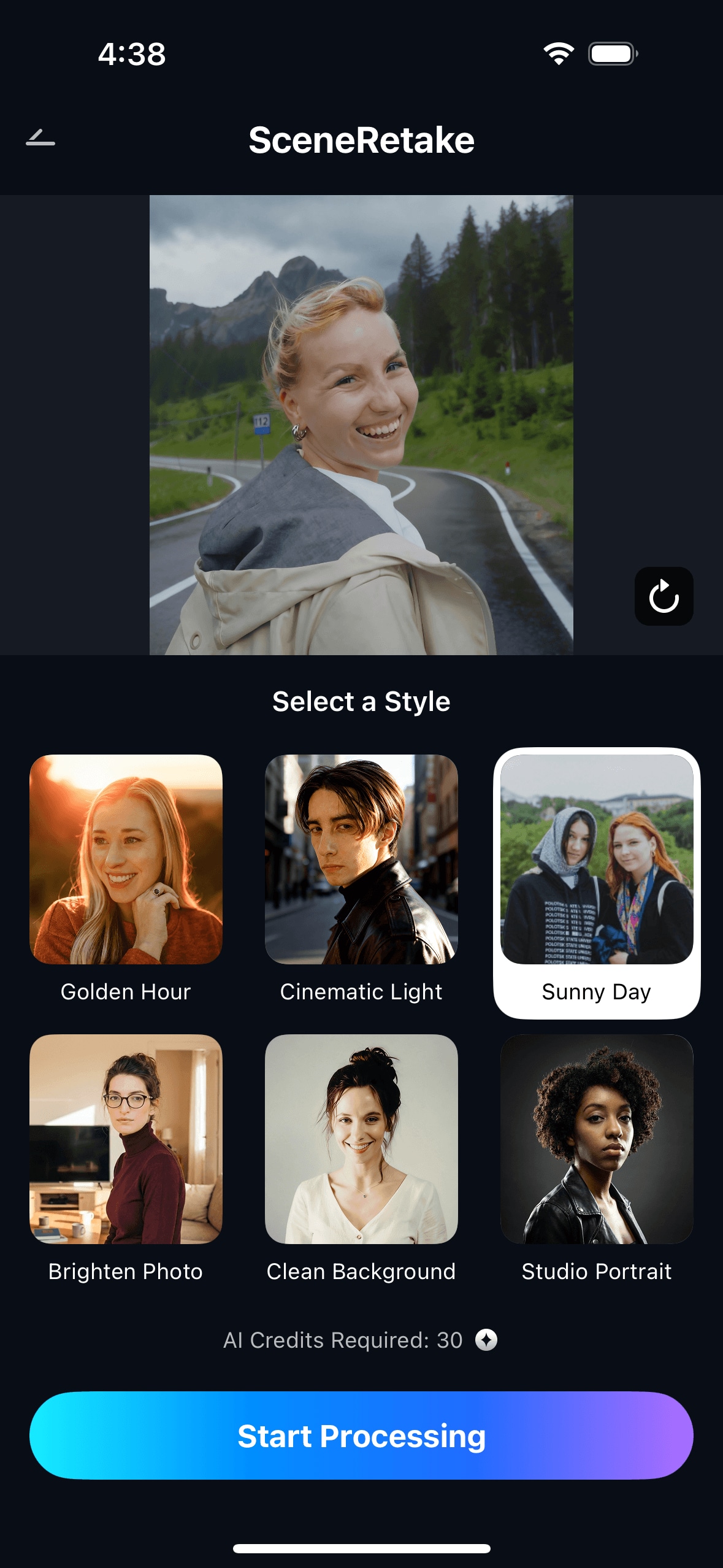
Step 2. Choose Clean Background in Scene Retake
At this step, the goal is not extreme simplification. It is to stop the background from behaving like a rival subject. Think about what is pulling the eye away: a clutter patch, a bright object, a background person, a busy corner, or a strong edge. The ideal result is that the setting still supports the portrait, but no longer competes with it.
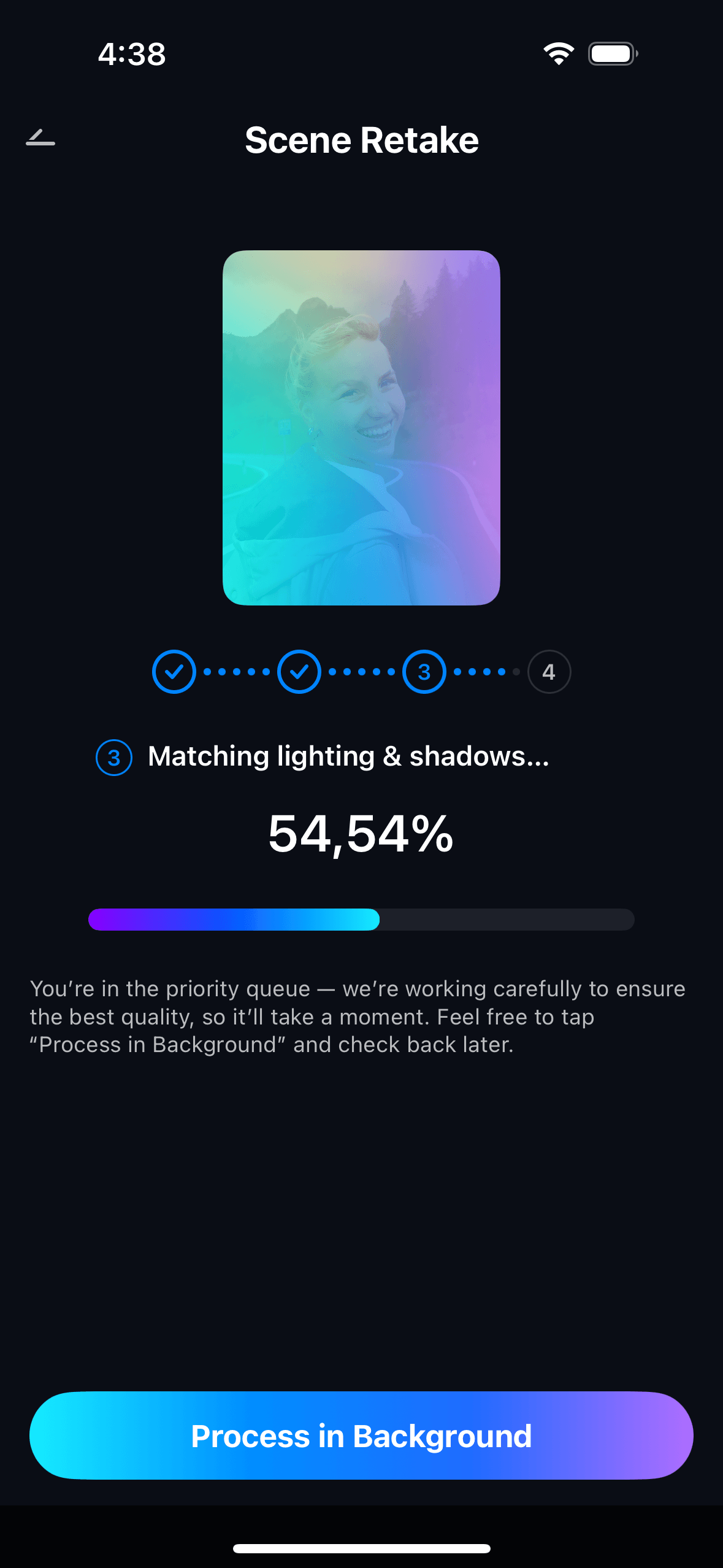
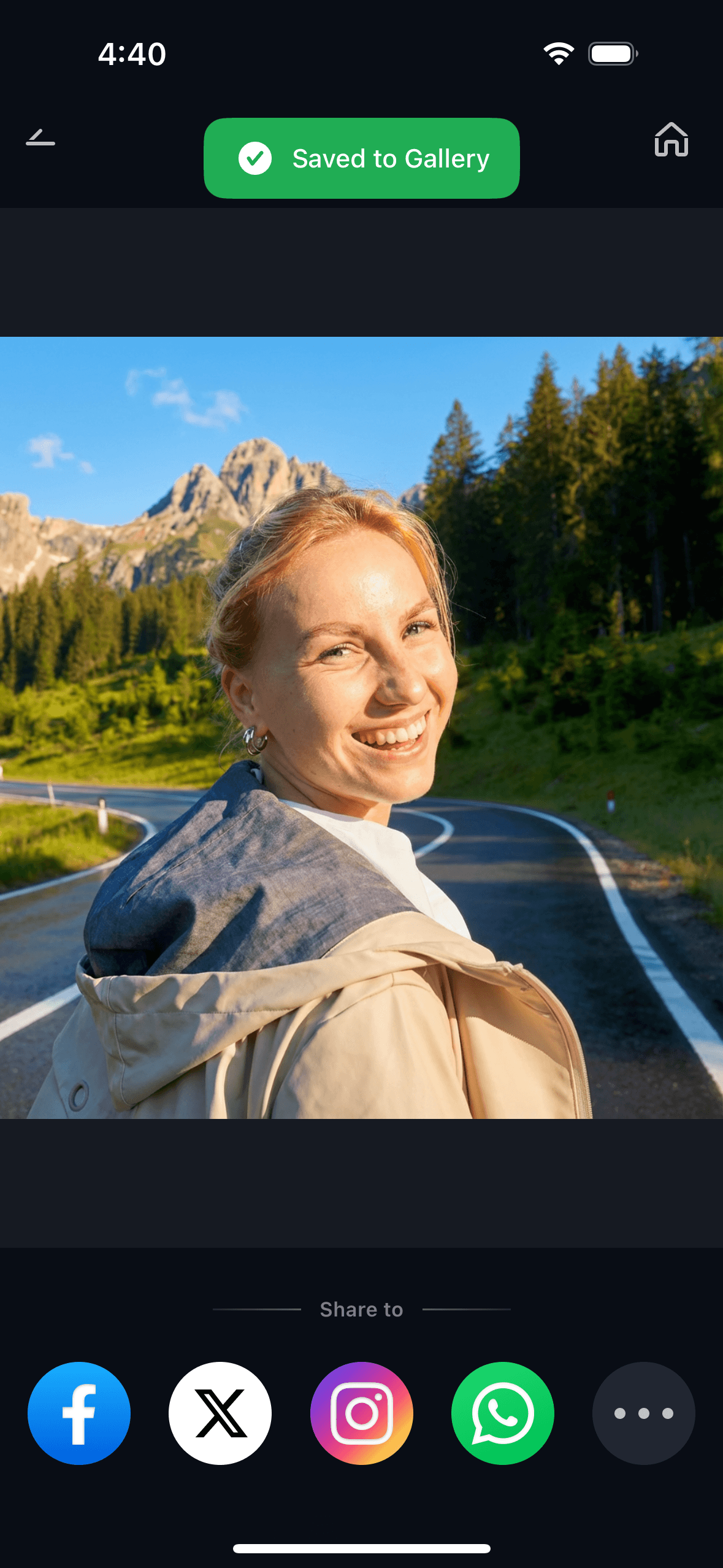
Step 3. Preview and save the version where the eye returns to the subject first
The final test is not whether the background became emptier. It is whether the portrait now reads in the right order. If your eyes go to the person first and the background second, the correction is working. If the photo still feels believable and connected to the real place, the result is much closer to a retake than an edit. That standard also matches the natural-result promise described in Relumi’s scene-oriented improvement pages.
Part 4. Where this kind of correction helps the most
This kind of correction helps most when the portrait is already almost there. The user likes the expression, the face looks decent, the pose or outfit matters, and the frame still has value. The problem is simply that the background is too loud for the subject. In that situation, scene cleanup can do something cropping often cannot: preserve the shot while restoring hierarchy.
Common portrait situations where the background keeps winning
The most common examples are mirror selfies where the outfit matters but the room looks chaotic, casual home portraits where furniture or storage details keep pulling attention, profile pictures where the background looks more careless than the person, street portraits where bright traffic or signage dominates the frame, café portraits where cups, menus, plates, and neighboring tables crowd the composition, and travel portraits where landmarks, tourists, or surrounding motion overwhelm the subject. These concerns echo what users ask in Reddit discussions about judging photo backgrounds and Quora questions about what makes a portrait stand out. The concern is rarely “Can this photo become perfect?” It is “Can the person finally feel like the focus?”
Quick checklist before saving
- Do your eyes go to the face or subject body language before they go to the background?
- Does the environment still look like the same real place rather than an emptied-out backdrop?
- Has the portrait become clearer in intention without looking aggressively processed?
- Would someone seeing the image for the first time understand who the photo is really about?
Part 5. When results may be limited
Results may be more limited when the subject is very small in the frame, when background clutter overlaps tightly with hair or body edges, when the original image is soft or low quality, when the background contains highly complex repeated patterns, or when the scene is so crowded that there is no strong subject separation to rebuild. In those cases, the best goal is still a more readable portrait, not a magically perfect one. A moderate correction that restores subject focus is usually more convincing than an extreme cleanup that makes the image feel synthetic.
Conclusion
If the background keeps stealing attention, the portrait is suffering from a hierarchy problem, not necessarily a subject problem. That distinction matters because it changes what a good fix should do. The goal is not to erase the life out of the scene. It is to make the viewer notice the person the way the photographer noticed the person in real life. That is why this kind of cleanup belongs inside a Scene Retake mindset: a better result should feel like the photo finally found its center again.
Related Reading
How to Clean Up a Portrait Background Naturally Without Making It Look Over-Edited
Why Your Portrait Background Feels Messy Even When the Subject Looks Fine
FAQ
-
1. What does it mean when a background is “stealing attention” in a portrait?
It means the eye is landing on competing background elements before it fully settles on the subject. The portrait may still be usable, but the person is no longer visually leading the frame. -
2. Is this only a problem in obviously messy rooms?
No. Even a relatively normal space can weaken a portrait if it contains bright, high-contrast, crowded, or attention-grabbing elements. A background does not have to be dirty to be distracting. -
3. Why does cropping not always solve the issue?
Because cropping can remove composition, gesture, outfit context, and place feeling. Many users want the same portrait to read better, not a tighter version that loses what made the shot worth keeping. -
4. What should a successful cleaned-background portrait feel like?
It should feel more focused and intentional, while still looking like the same real scene. The person should become easier to notice first, but the setting should remain believable.



