
 TL;DR:
To fix a busy street portrait without erasing its urban atmosphere, use the Clean Background feature in the Relumi App's Scene Retake to remove aggressive visual distractions so the subject becomes the clear priority.
● This correction works best on otherwise successful candid or travel portraits where the timing is right but background pedestrians, bright signage, trash bins, or sharp window reflections overpower the face.
● The AI Retake process targets the visual hierarchy by blending corrections with original environmental lighting, ensuring the scene retains its authentic street mood rather than looking like a sterile studio extraction.
● Cleanup results will be limited if the subject is too small in the frame, the face is much darker than the background, or prominent clutter tightly overlaps with the person's body or hair.
Ask AI for a summary
 ChatGPT
 Perplexity
 Gemini
 Claude
 Grok
Grok
A street portrait usually becomes memorable because it feels alive. The background is not just empty space. It carries the city’s rhythm: storefronts, pavement, traffic marks, passing people, window reflections, signs, walls, bikes, tables, railings, and changing light. But this is also exactly why street portraits so often go wrong. The subject may look great, yet the frame still feels noisy because the eye keeps getting pulled toward a bright sign, a random passerby, a parked scooter, a trash bin, a strong line behind the head, or text on the wall that reads louder than the face itself.
This is why cleaning a street portrait background requires more care than cleaning many other types of portraits. The goal is not to erase the city until the image looks blank or staged. The goal is to keep the sense of place while removing what makes the portrait hard to read. That is also where the Relumi App framing becomes useful. Relumi positions AI Retake around photos that were almost right, where the camera emphasized the wrong things and the result needs to feel closer to how the moment actually felt. In a strong street portrait, that usually means the person should come first, while the city should remain present but calmer.
In this article
Part 1. Why street portraits fail when the city starts speaking louder than the subject
A street portrait is supposed to carry both a person and a place, but the order matters. The viewer should understand the person first and the environment second. When the order flips, the portrait starts to feel messy. This happens all the time in urban scenes because the background is full of visual triggers: bright signage, repeated lines, reflective windows, bold typography, passing figures, parked vehicles, stacked objects, and hard contrast shifts. None of these details are wrong on their own. The problem begins when they become more visually aggressive than the subject’s face.
That effect becomes even stronger because street portraits are often shared in social feeds, mobile galleries, profile-like uses, or small previews where the image is judged quickly. In those conditions, the eye does not patiently sort the whole frame. It jumps to whatever is loudest. This is why photographers so often ask whether a street background is too distracting. In a Reddit discussion about too much distraction in the background and another Reddit thread asking whether a street candid background is too distracting, the recurring concern is the same: real-life detail helps until it starts overpowering the portrait itself.
Part 2. Why a better street portrait is not the same as a flatter or emptier one


Relumi Lighting Enhancer
Retake photo lighting naturally with AI-powered scene relighting.
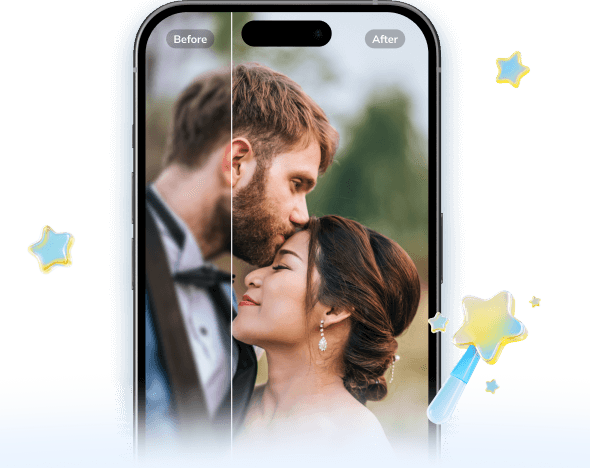
 Balance harsh facial shadows without flattening the portrait
-
Improve hard light, patchy light, and low-visibility street portraits naturally
-
Keep urban mood while making the subject easier to see
-
No editing skills required — upload, relight, preview, and save
Once users realize the background is hurting the image, they often assume the answer is to clean it so aggressively that the portrait stops feeling like street photography at all. But an empty-looking urban portrait can lose what made it worth keeping in the first place. If you strip out too much of the place, the photo may become cleaner, yet also weaker. The best street portraits do not remove context. They control it.
A street portrait needs context, not background chaos
The strongest street portraits usually keep enough environment to explain where the subject belongs. A storefront edge, pavement texture, side-street depth, evening glow, or mural tone can all help the frame feel lived in. That context gives the portrait atmosphere and credibility. The problem is not “city detail” in general. The problem is clutter that behaves like a second subject: text behind the head, a bright pedestrian shirt, a bin near the frame edge, a scooter handlebar cutting into the silhouette, or a reflective window patch that keeps dragging the eye away.
This is where the public Relumi Photo Lighting Enhancer language is helpful. Relumi describes Scene Retake as rebuilding the feeling of better light without making the photo look fake, and says the result should feel closer to a better retake than a heavily edited image. That same standard fits street portraits especially well. The photo should still feel urban and spontaneous, but the visual competition should be calmer and the subject easier to read.
The best result keeps the city believable while making the person the obvious priority
A strong street portrait should still feel like it happened in public space, with all the unpredictability that implies. But even in a dense environment, the face should carry the meaning of the frame. Public conversations on Quora about photographing people in their natural environment and Quora about candid street portraiture point toward the same idea: the scene should support the subject, not overwhelm them. A cleaner street portrait therefore does not mean a generic one. It means the city is still there, but it has stopped interrupting the portrait’s main point.
This also matches the public Relumi App promise that AI Retake can fix what the camera caught wrong while blending corrected areas with original skin texture and environmental lighting. That matters in a street portrait because once the result looks too processed or too sterile, it no longer feels like the same urban moment.
Part 3. How Relumi helps clean a street portrait background without removing its urban mood
The best street-portrait correction is not the one that removes the most detail. It is the one that restores visual order without erasing atmosphere. In practical terms, that means the subject becomes easier to notice, the eye path becomes calmer, and the background keeps enough place-feel to remain believable. The portrait should still look like it belongs to a real sidewalk, alley, storefront, or city corner, not like a studio extraction pasted onto an abstract backdrop.
This is where a Scene Retake mindset works well. A good street portrait is often already very close to right. The timing may be good. The posture may feel natural. The lighting may already have mood. The only issue is that the background is too loud. In those cases, the smartest fix is not to replace the image but to rescue it. That logic also aligns with Relumi’s broader social-photo language around results that feel polished enough to share while still looking natural.
Step 1. Add the portrait that already captured the right moment
Start with the image where the expression, stance, direction of movement, or city mood already feels worth keeping. This correction works best when the person looks right, but the street detail behind them keeps weakening the frame.
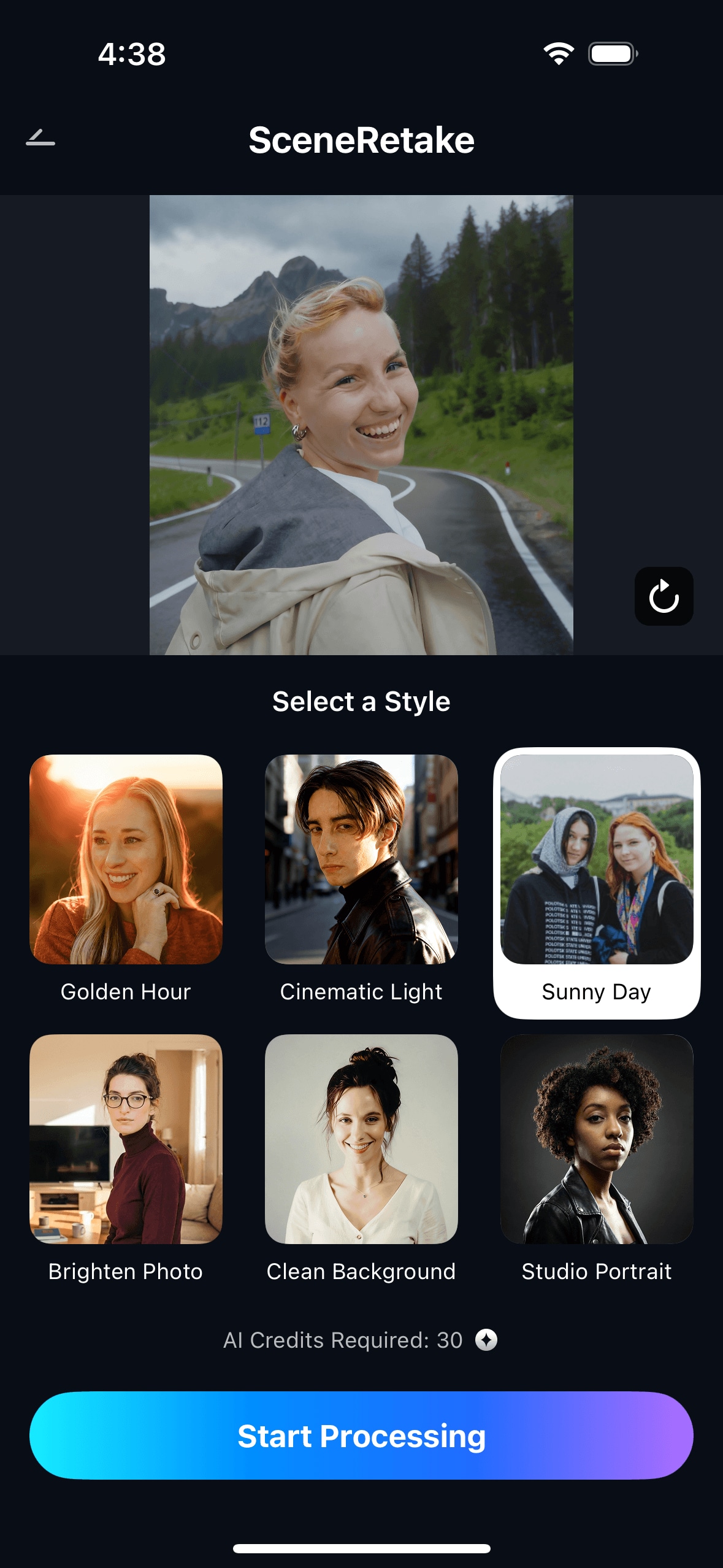
Step 2. Choose Clean Background in Scene Retake
At this stage, focus on what is stealing attention from the subject. The problem may be a background passerby, a bright sign, repeated typography, a vehicle edge, a trash bin, a sharp reflection, an intrusive pole, or dense mid-level clutter that makes the portrait feel busy. The ideal result is not a dead background. It is a cleaner visual hierarchy where the subject becomes the first thing the viewer notices.
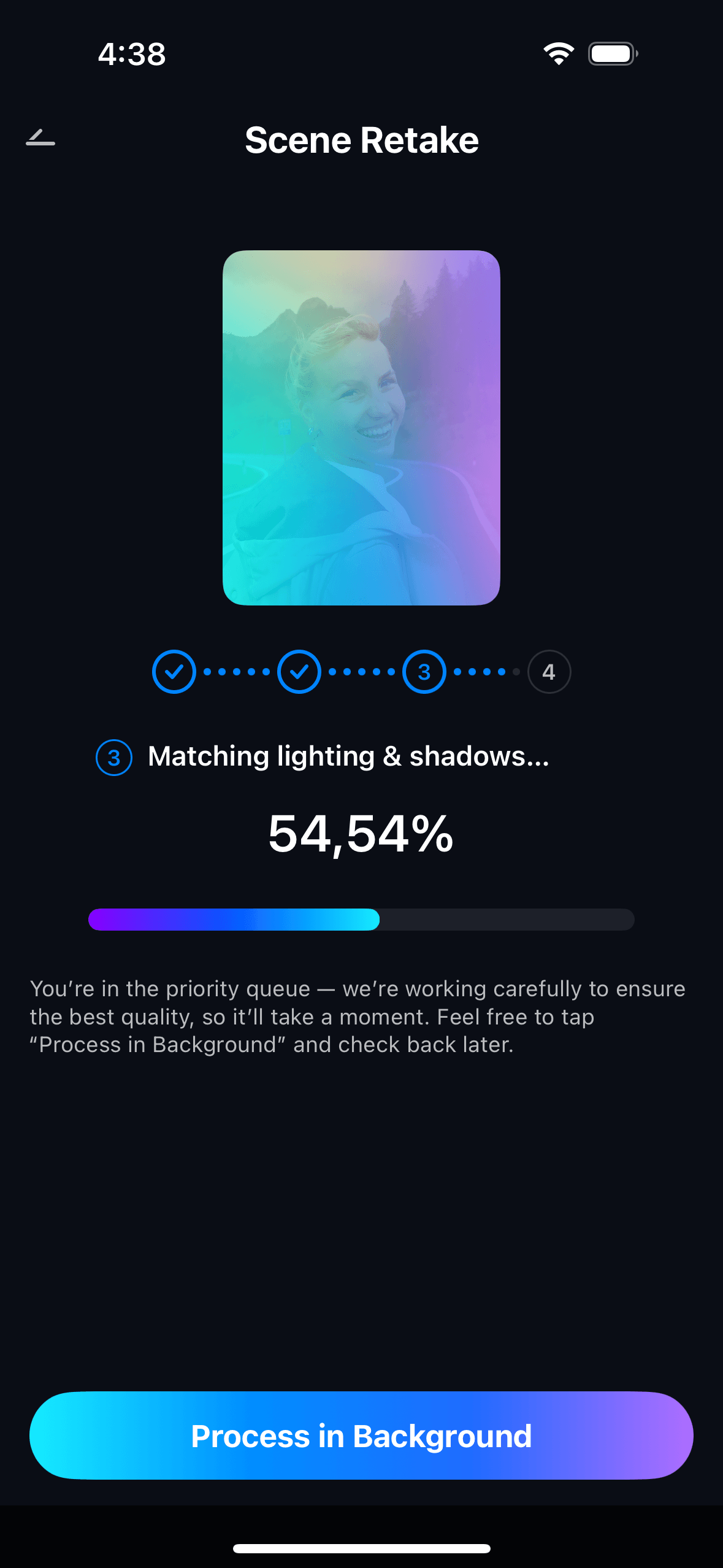
Step 3. Preview and save the version where the person comes first but the place still feels real
The final test should be simple. Does the portrait now guide the eye to the subject faster? Does the background still feel like the same city rather than a sanitized replacement? Does the image still carry its original mood, whether that mood was cinematic, casual, candid, or quiet? If yes, the correction is doing its job. A successful street-portrait cleanup should improve focus without flattening the place.
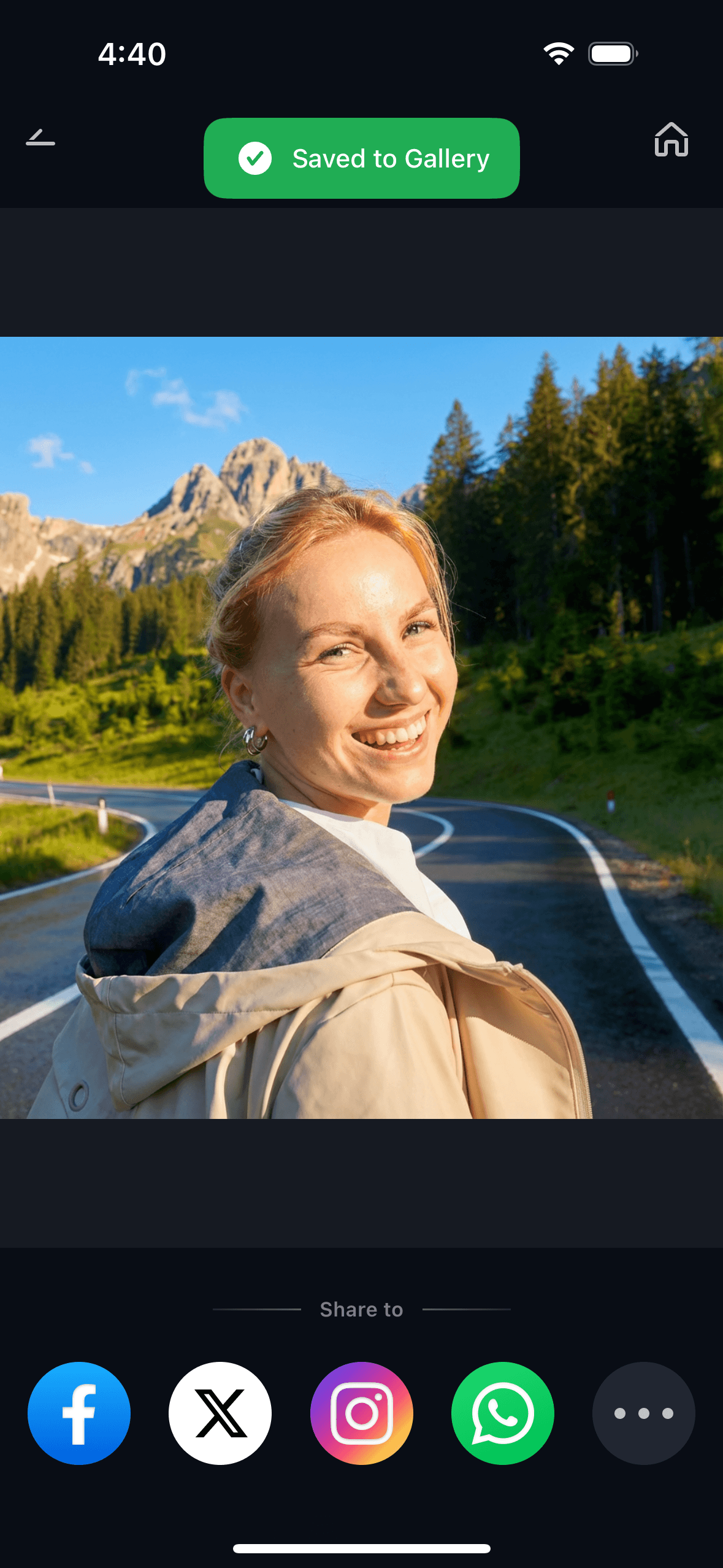
Part 4. Which street portraits benefit most from this correction
This kind of cleanup works best when the portrait is already basically right. The subject looks natural, the framing has energy, and the environment contributes something meaningful. The only issue is that the background adds more competition than context. In those cases, cleanup is not changing what the portrait is about. It is removing what keeps the image from communicating clearly.
Common street-portrait situations where the background weakens the image
The most common examples are sidewalk portraits with random pedestrians crossing behind the subject, storefront portraits where signage or text becomes too loud, travel-style city portraits where scooters, bins, barriers, or parked vehicles clutter the scene, candid urban portraits where edge intrusions make the frame feel accidental, and night portraits where reflective surfaces or bright points overpower the face. These concerns line up with real user questions on Reddit about distracting portrait backgrounds and Quora about making a portrait more engaging. The shared concern is not perfection. It is whether the background supports the portrait or keeps interrupting it.
Quick checklist before saving
- Does the viewer notice the person before the background details?
- Does the portrait still feel like the same street rather than a cleaned-out fake environment?
- Has the image become easier to read without losing its urban mood?
- Would you still describe the portrait as candid, cinematic, or real-life rather than over-edited?
Part 5. When results may be limited
Results may be more limited when the subject is too small in the frame, when strong background elements overlap tightly with the body or hair, when the image is overloaded with distractions from edge to edge, or when the face is much darker than the background. In those situations, the goal should still be believable improvement rather than dramatic perfection. Even partial cleanup can make a street portrait feel much more intentional and readable.
Conclusion
A street portrait should feel like a person in a real place, not a person trapped inside visual noise. The strongest ones let the city remain visible without letting it take over. That is why this kind of correction fits a Scene Retake mindset so well. The goal is not to erase the street. It is to make the image feel closer to the version you thought you had captured: the subject first, the city second, and both still believable together.
Related Reading
How to Clean Up a Portrait Background Naturally Without Making It Look Over-Edited
Why Your Portrait Background Feels Messy Even When the Subject Looks Fine
How to Make the Subject Stand Out When the Background Keeps Stealing Attention
How to Clean Up a Selfie Background Without Cropping Away the Frame
How to Make a Mirror Selfie Look Cleaner Without Losing the Outfit Context
How to Clean Up a Travel Portrait Background While Keeping the Place Feel
How to Make a Home Portrait Look Cleaner Without Making It Feel Staged
How to Make a Casual Café or Restaurant Portrait Look Less Distracting
How to Clean a Profile Picture Background So the Focus Stays on You, with Relumi
FAQ
-
1. Should a street portrait background always stay busy to feel authentic?
No. Authenticity does not depend on keeping every distracting detail. A street portrait can still feel real while reducing the background elements that compete too strongly with the subject. -
2. What kinds of background details usually hurt a street portrait most?
Bright signs, random passersby, vehicles, bins, strong reflections, text behind the head, poles, and awkward edge intrusions are among the most common problems. -
3. Can a cleaner street portrait still keep its city atmosphere?
Yes. The best result keeps enough place-feel, texture, and mood to remain recognizably urban while making the subject easier to notice first. -
4. What should a successful cleaned street portrait feel like?
It should feel calmer, easier to read, and more intentional, while still looking like the same real person in the same real urban moment.