
 TL;DR:
To give flat street portraits a cinematic feel without relying on heavy filters, use the Scene Retake feature in Relumi Photo Lighting Enhancer to adjust facial shadows and clearly separate the subject from distracting urban backgrounds.
● The tool analyzes facial brightness, shadow direction, and scene contrast to rebuild the lighting, ensuring the results look like a naturally well-lit retake rather than an artificial overlay.
● This method is most effective for overcast, night, or unevenly lit outdoor photos where the original composition is already strong but the subject lacks visual priority.
● The relighting process usually cannot fully fix images if the subject's face is heavily blurred, blocked by objects, cropped too tightly, or surrounded by an overwhelmingly chaotic environment lacking usable detail.
Ask AI for a summary
 ChatGPT
 Perplexity
 Gemini
 Claude
 Grok
Grok
A street portrait can have the right subject, the right outfit, and a strong city background, yet still feel visually weak. The scene may look interesting, but the portrait itself can still come out flat, low in mood, or missing the kind of depth people usually describe as cinematic.
That is common in street photography. Outdoor portraits often have mixed light, uneven shadows, bright backgrounds, window reflections, or distracting surroundings. Even when the subject is sharp, the image may not feel dramatic enough, editorial enough, or story-driven enough. In many cases, the issue is not the location. It is the lighting relationship between the person and the scene.
In this article
Part 1: Why Street Portraits Often Do Not Look Cinematic
A lot of street portraits already have strong visual ingredients: textured walls, neon signs, storefront reflections, sidewalks, traffic, architecture, or passing light. But those details do not automatically make the portrait feel cinematic. If the subject does not have enough light priority, enough depth, or enough emotional focus, the result can still feel ordinary.
The Street Looks Interesting, but the Person Does Not Stand Out
One of the biggest issues in street portrait photography is competition inside the frame. The background may have signs, buildings, cars, and movement that feel visually rich, but the face does not get enough emphasis. When the subject blends into the environment too much, the image feels more like a location snapshot than a cinematic portrait.
The Light Is Real, but the Mood Feels Weak
Street light is often unpredictable. You may get overhead daylight, side light from buildings, reflected light from windows, backlight at sunset, or uneven shade between blocks. That means the portrait can be properly exposed and still feel emotionally flat. Cinematic street portraits usually need stronger shaping on the face, better highlight-and-shadow balance, and a clearer sense of visual intention.
Part 2: How Relumi Photo Lighting Enhancer Helps Street Portraits
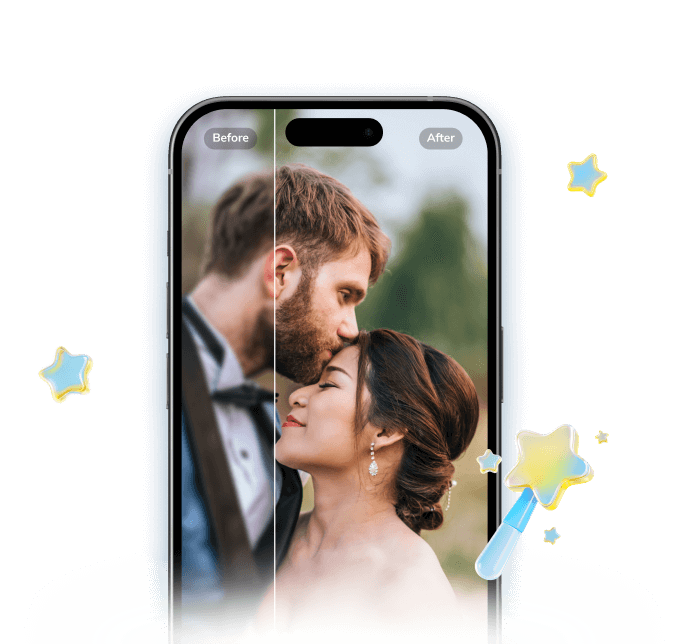

Relumi Lighting Enhancer
Retake photo lighting naturally with AI-powered scene relighting.
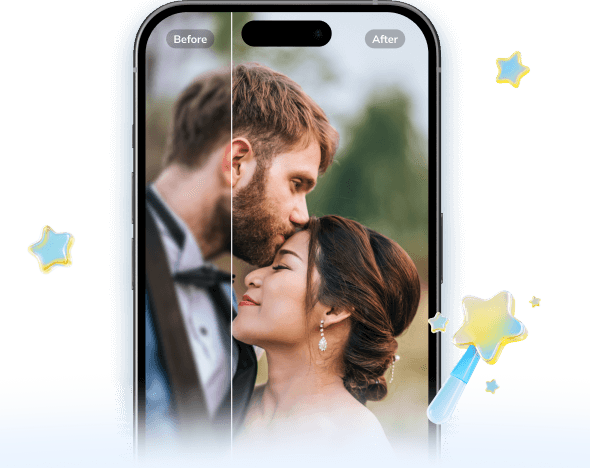
 Balance harsh facial shadows without flattening the portrait
-
Improve hard light, patchy light, and low-visibility street portraits naturally
-
Keep urban mood while making the subject easier to see
-
No editing skills required — upload, relight, preview, and save
Relumi Photo Lighting Enhancer is positioned as a relighting workflow rather than a one-click style filter. On the official feature page, Relumi explains that Scene Retake reads facial brightness, shadow direction, background contrast, and scene atmosphere, then rebuilds the image as if it were captured under better light. That framing matters for street portraits because the goal is usually not to erase the city. It is to make the person feel more visually anchored inside it. See the official explanation on Photo Lighting Enhancer.
Why Subject Separation Matters in Urban Scenes
In a busy street frame, the face can easily lose priority. Better relighting can help create clearer separation between the subject and the background so the viewer knows where to look first. That does not mean making the city disappear. It means making the portrait feel more controlled, more readable, and more intentional.
Why the Result Should Feel Like a Better Retake
A strong cinematic street portrait should not feel like an artificial overlay was placed on top of the photo. It should feel more like the same moment was captured under better lighting conditions. The related Relumi app page also emphasizes more natural blending with the original scene, which is especially important for city portraits where realism is part of the appeal.
Part 3: How to Add Cinematic Light to a Street Portrait in Relumi
The workflow is simple: upload the portrait, use Scene Retake to improve the lighting feel, then preview the result before saving. The point is not to make the image look over-processed. The point is to give the portrait more atmosphere, stronger subject separation, and a more polished editorial feel. See the official workflow on the feature page.
Step 1: Add Your Street Portrait
Open Relumi and upload a street portrait that already has a good subject and setting, but does not feel dramatic enough. This can be a sidewalk portrait, an overcast street shot, a night city portrait, or an urban image where the person looks a little too plain compared with the environment.
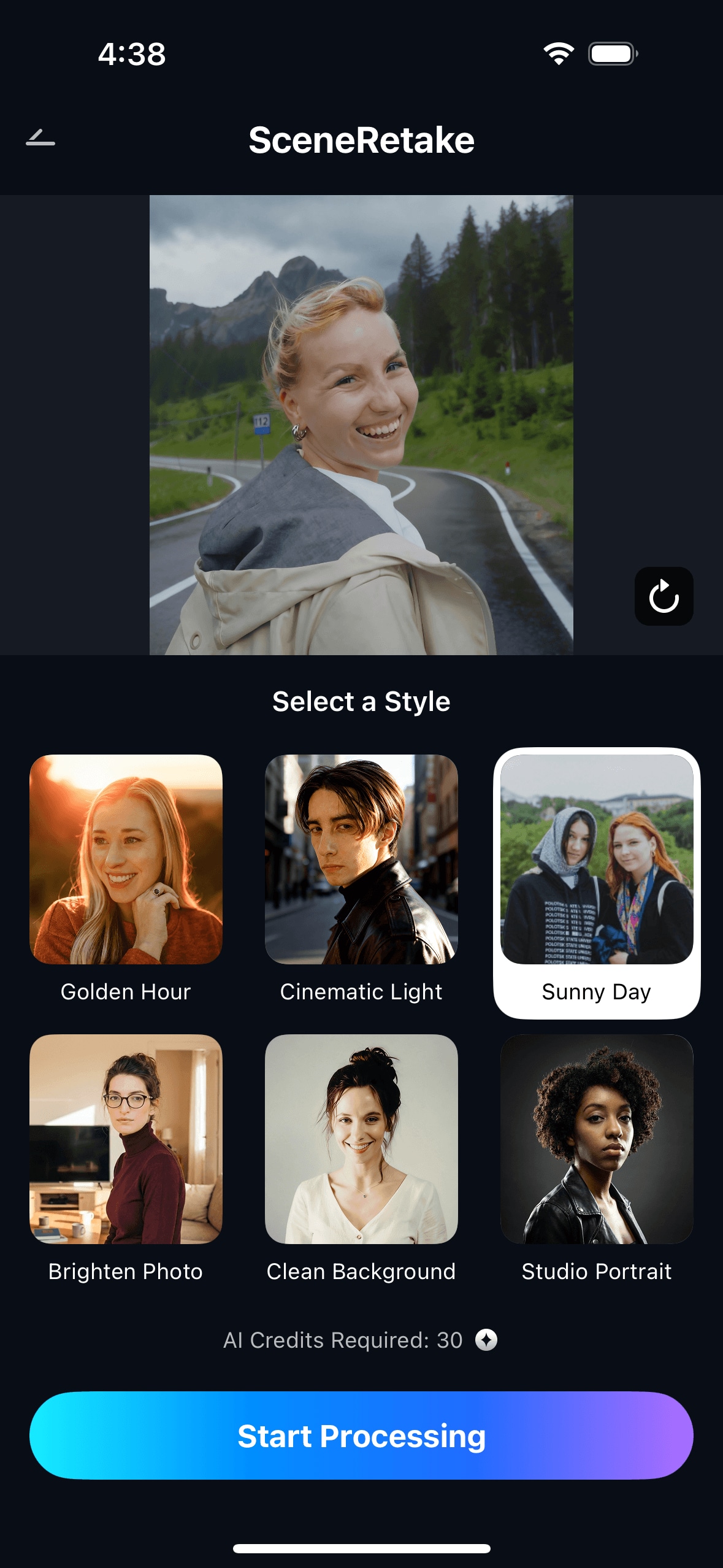
Step 2: Use Scene Retake to Build a More Cinematic Feel
In Scene Retake, focus on the overall lighting logic of the portrait. A better result usually means the face has more shape, the shadows feel more intentional, and the subject stands out more clearly from the background. The street scene should still look real, but the portrait should carry more mood and more visual direction than before.
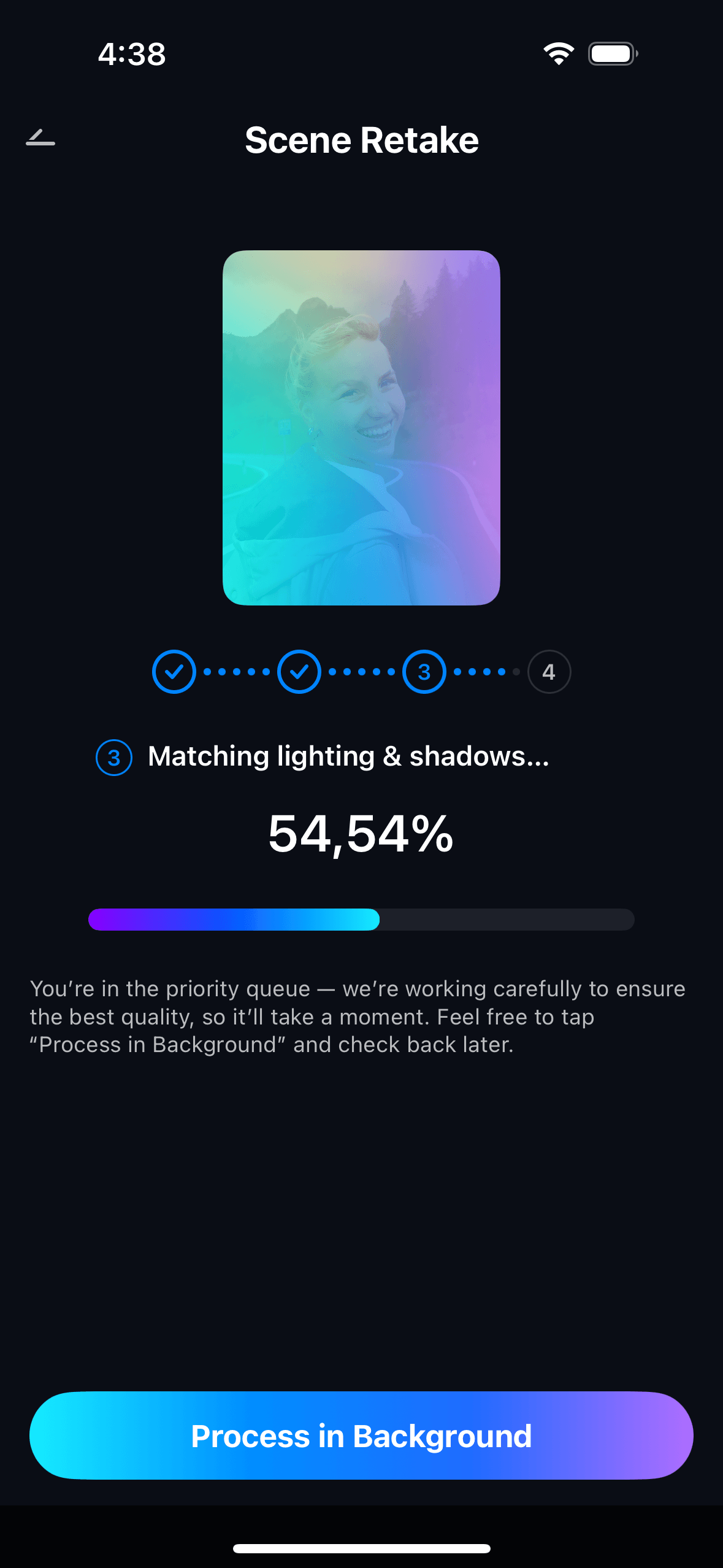
Step 3: Preview and Save
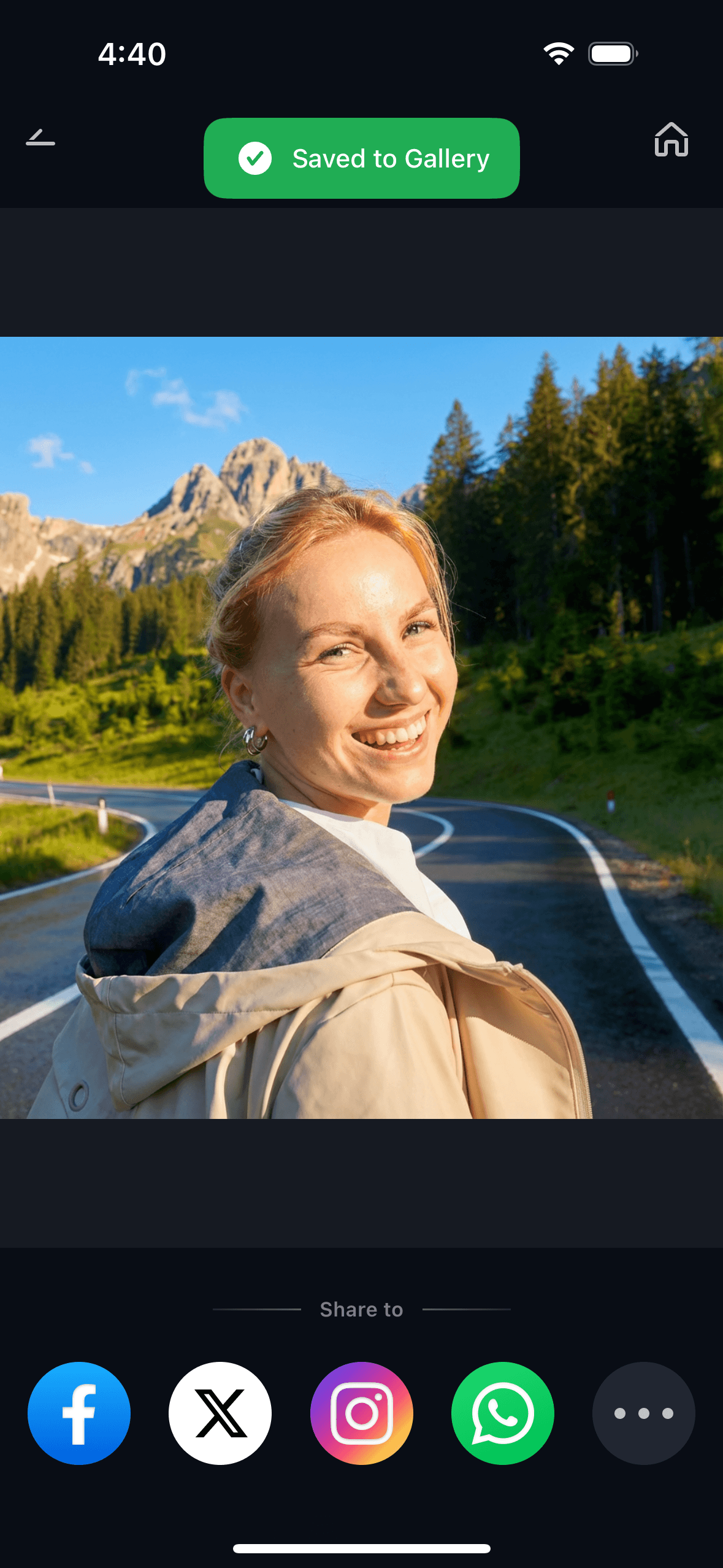
Before saving, compare the updated version with the original. The face should feel easier to focus on, the mood should feel stronger, and the scene should look more cohesive. A good cinematic street portrait does not look darker just for the sake of drama. It looks more intentional, more atmospheric, and more story-driven.
Part 4: When This Works Best
Cinematic-light enhancement works best when the original street portrait already has a strong base image but weak visual impact. In other words, the shot is worth keeping, but the light does not fully support the mood, depth, or storytelling potential of the scene.
Best Use Cases for Cinematic Street Portraits
- the city background looks good, but the face does not stand out enough,
- the portrait is clear, but the light feels too plain or too even,
- the image has urban atmosphere, but not enough emotional depth,
- the subject blends too much into a busy environment,
- or the shot feels more casual than editorial even though the composition is strong.
What a Good Result Should Feel Like
A successful result should still look like a street portrait, not like a studio composite. The city mood should remain visible. The lighting should feel cleaner and more deliberate. The subject should feel more connected to the scene, not pasted on top of it. Most importantly, the portrait should feel more cinematic without losing the realism that makes street photography interesting.
Quick Check Before Saving
- the face has better depth and attention,
- the background still feels natural and urban,
- the added mood supports the portrait instead of overpowering it,
- the subject feels more clearly separated from the scene,
- and the final image feels more editorial and story-driven than the original.
Part 5: When Results May Be Limited
What Street Relighting Usually Cannot Fully Fix
Street relighting can improve mood, depth, and subject focus, but it cannot solve every image problem. If the face is heavily blurred, blocked by motion or objects, cropped too tightly, or barely visible in the original photo, the final result may be limited. The same is true if the background is overwhelmingly chaotic or the source image has very little usable detail. The strongest improvements usually come from portraits that already contain a readable subject and a scene worth preserving.
Conclusion
A cinematic street portrait is not only about having an interesting city background. It is about how the light shapes the person inside that background. If the face does not stand out, if the mood feels weaker than the real scene, or if the image looks more casual than intentional, better relighting can often make the difference.
With Relumi Photo Lighting Enhancer, the most useful scenario is not fixing a broken street photo. It is improving a usable urban portrait so it feels closer to a well-lit retake instead of a heavy filter edit. That is why this page focuses on realistic expectations: when the tool helps, what a strong result should feel like, and where improvements may remain limited.
FAQ
-
Can this work on night street portraits too?
Yes. It can help night street portraits look cleaner and more focused while keeping the original city mood if the base image is still usable. -
Will it make the street portrait look fake or over-edited?
It should not if the original photo already has a solid subject and scene. The goal is to shape the lighting and mood, not cover the image with an artificial filter effect. -
Is this only for dramatic street fashion portraits?
No. It can also work for casual urban portraits, travel shots, and everyday street photos that need more depth and atmosphere. -
What matters most before saving the result?
Check whether the face stands out more clearly, whether the background still feels believable, and whether the portrait looks more intentional rather than just darker or higher in contrast.