

The file extension M file may look simple, but it can represent very different data types depending on the program that created it. When you run into an unknown M file, you might not know how to open it, which app to choose, or how to react if it will not load. This guide explains what an M file usually is, how to open it safely, and what to do when it becomes corrupted or unreadable.
Repair Corrupted Files To Save Your Data
 Security Verified. Over 7,302,189 people have downloaded it.
In this article
What Is M File
An M file is a generic file type whose real meaning depends on the program that generated it. Unlike highly standardized formats such as .docx or .mp4, the .m extension is reused by multiple applications, each with its own structure and purpose.
Some common uses of the m file format include:
- Script or macro files that automate tasks inside a specific program.
- Configuration or metadata files used to store settings and project information.
- Data containers that hold text, numerical values, or serialized project data.
Because of this variety, there is no single universal viewer for every M file. To work with it safely, you must first identify which application created the file, where it came from, and how it is normally used in that environment.
| Aspect | What it means for an M file |
|---|---|
| Creator program | Determines whether the file is a script, configuration, or data file. |
| File contents | May be human-readable text or binary data that requires a specific app. |
| Opening method | You usually need the original application or a compatible tool. |
How to Open M Files
To open M file content without damaging it, focus on identifying the correct program and then using that software to load the file. Trying random apps can lead to confusing errors or, in rare cases, data changes that are hard to undo.
Open M files on Windows and macOS
Follow these basic steps to open M files on a desktop system safely:
- Identify the source application
- Right-click the file, choose "Properties" (Windows) or "Get Info" (macOS), and look at any description or "Opens with" field.
- If the file was emailed to you, ask the sender which software they used.
- Search the folder name or project around the file; it may reference the tool that created it.
- Use the correct program to open the M file
- Launch the suspected application first instead of double-clicking the file.
- In the program, go to File > Open and browse to your M file.
- If it opens correctly, set this app as the default for that file if you use it regularly.
- Try a text editor for inspection only
- If you do not know the original program, open a copy of the file in a plain text editor such as Notepad or TextEdit.
- Do not save over the original. Just inspect it for readable clues like program names, version tags, or paths.
Open M files on Linux and other platforms
On Linux and other systems, the approach to opening M files is similar, but the tools look different.
- Check the file type from the terminal
- Run a "file yourname.m" command to see whether the system recognizes the structure.
- Use hexdump or a similar viewer only if you are familiar with low-level data inspection.
- Match the M file to installed applications
- Look for related project files (.cfg, .dat, or other custom extensions) in the same directory.
- Try opening the file from within the suspected application instead of double-clicking it.
- Use cross-platform editors with care
- View the M file in a code or text editor to identify its format.
- If you must edit it, always work on a backup copy to avoid corrupting the original.
Common M File Errors
Because the m file format is not standardized, you might encounter different types of issues depending on the software involved. Many problems, however, share similar root causes such as incorrect associations, incomplete transfers, or storage damage.
Typical causes of M file problems
The most frequent reasons why M file access fails include:
- Wrong default program – The operating system tries to open the file with the wrong app, leading to unreadable content or open errors.
- Incomplete download or transfer – The file was cut off during download, email, or copy, so its internal structure is broken.
- Corrupted storage device – Bad sectors, failing drives, or sudden disconnects damage the underlying data blocks.
- Unexpected shutdown – The system crashed or lost power while the M file was in use, leaving it only partially saved.
- Malware or antivirus conflicts – Malicious activity or aggressive scanning tools modify or quarantine critical parts of the file.
Quick checks before advanced repair
Before you attempt a full repair on a corrupted M file, run through these quick checks. They often fix simple problems and help you avoid unnecessary work.
- Confirm the file extension and source
- Make sure the extension has not been changed accidentally (for example from .m to .txt).
- Check whether the file was renamed, moved, or synced incorrectly by a cloud service.
- Try opening the M file on another device
- Copy the file to a different computer or external drive.
- If it opens there, your original system might have software or driver issues rather than a damaged file.
- Restore from backup or previous version
- Use built-in backup tools (File History, Time Machine, or cloud history) to roll back to an earlier copy of the M file.
- If no backup exists, move on to professional repair tools to salvage what you can.
How to Use Repairit to Fix a Corrupted M File
When your M file will not open or shows persistent errors even after basic troubleshooting, using a dedicated repair tool gives you a better chance of recovery. Wondershare Repairit is designed to scan storage locations for damaged documents, videos, photos, and other files, then attempt to rebuild their content so you can access them again.
Key features of Repairit for M files
You can download Repairit directly from the Repairit official website, install it on your computer, and use it to work with problem files stored on local drives or removable devices. It aims to simplify complex data repair tasks into a guided, user-friendly workflow.
- Repairs a wide range of corrupted files, including photos, videos, and documents that may contain or relate to M files.
- Runs deep scanning on selected drives or folders to detect damaged M file items and other broken data.
- Provides an intuitive interface with preview options so you can check repaired content and save only the results you need.
Step-by-step: Repair corrupted M files with Repairit
The process of using Repairit to repair M file data is straightforward. Follow the steps below to scan your storage location and recover accessible content.
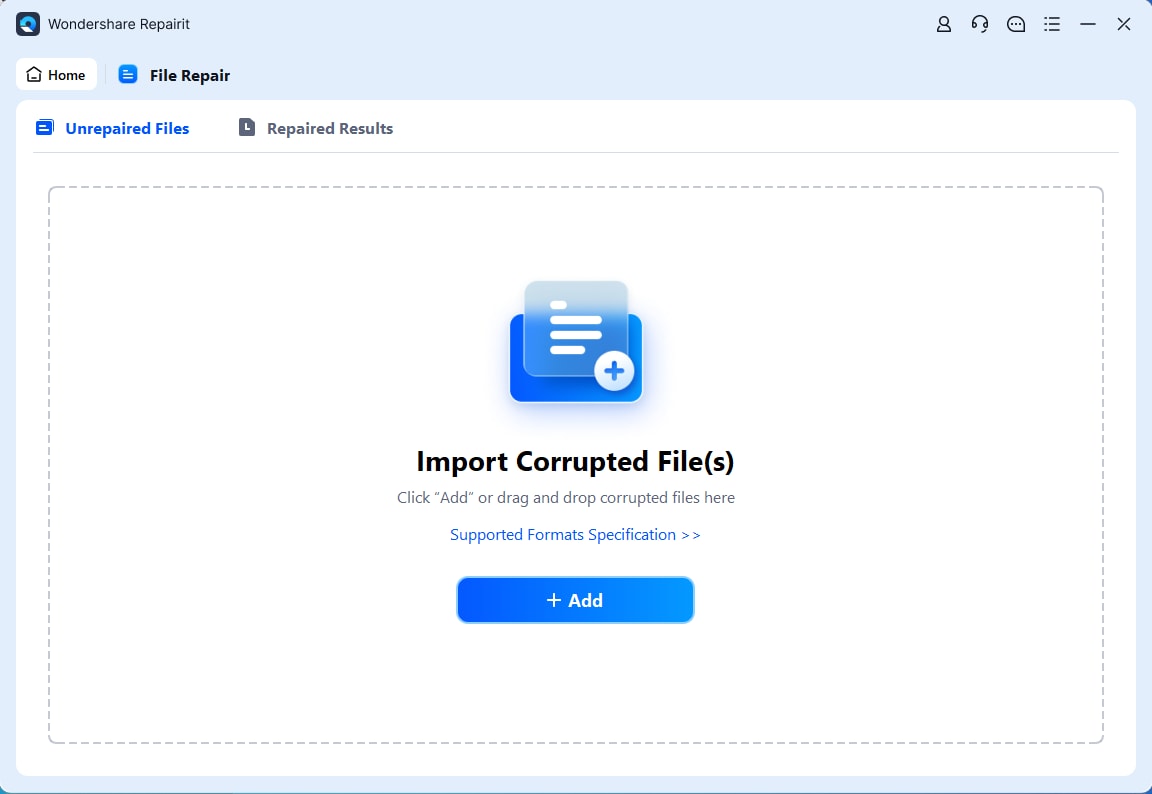
- Load your corrupted files on Repairit
- Open Repairit after installation and wait for the main dashboard to load.
- Select the drive, folder, or external device that contains the problematic M files or related project data.
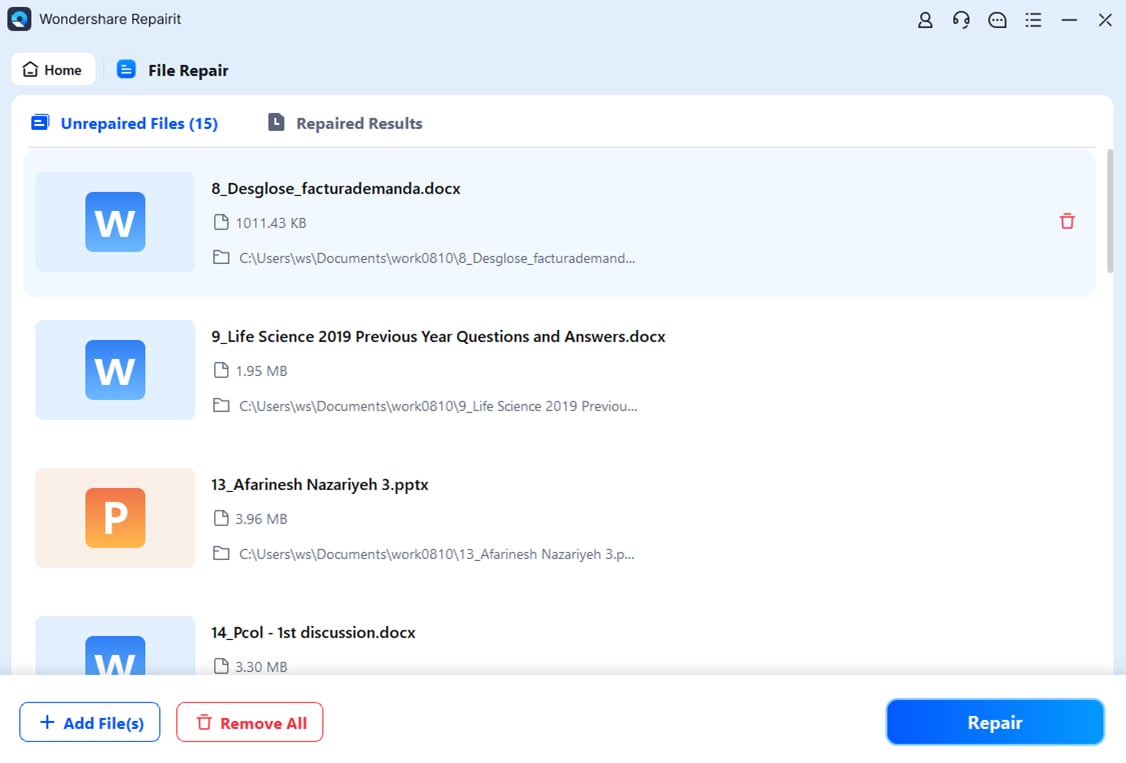
- Start the repair process
- Start the scan and allow Repairit to examine the selected storage area in detail.
- The program will list detected corrupted files, including any damaged M file entries and associated resources.
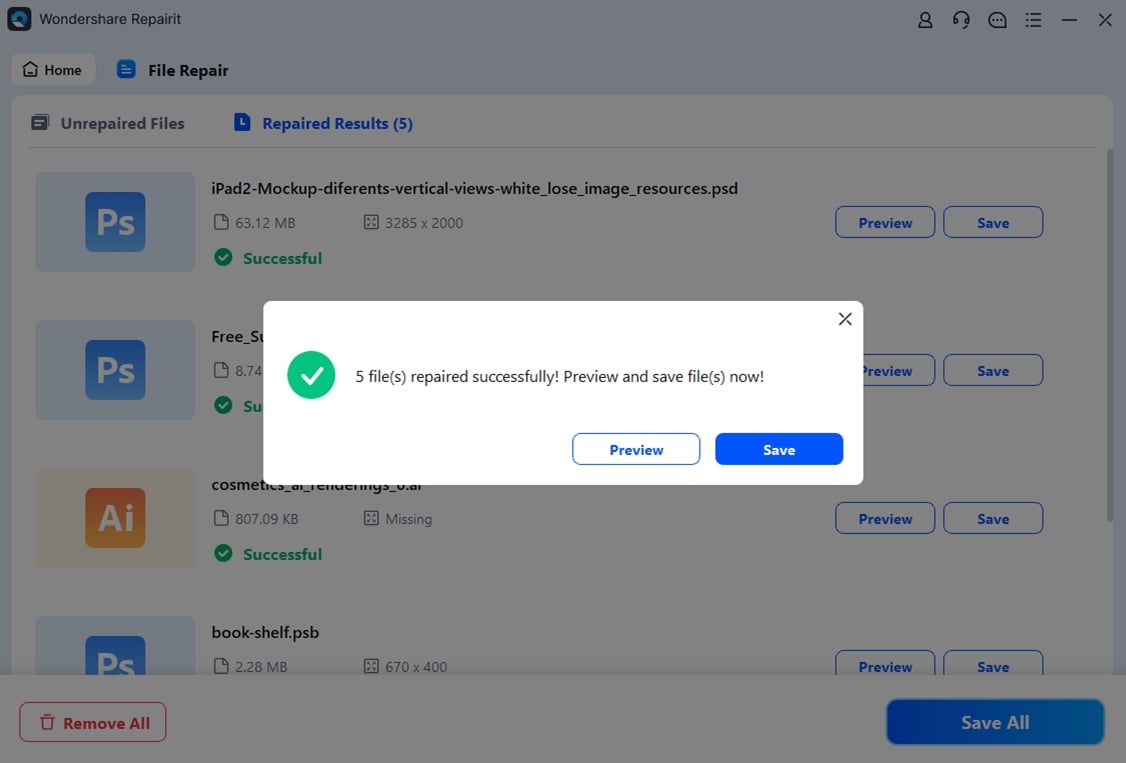
- Preview and Save Your Desired Data
- After scanning, browse through the results pane to locate your target M files and related content.
- Preview supported files when possible to verify that the repair was successful and the data looks correct.
Conclusion
Because the m file format can represent several different data types, it often confuses users who are not sure how to open it or which app to select. Identifying the original software and using that program to handle the file is the safest way to avoid accidental damage or data loss.
If you run into M file errors or signs of corruption, do not assume your data is gone. Start with simple checks like testing another device and restoring from backup, then turn to specialized tools such as Wondershare Repairit to scan affected locations, rebuild damaged structures, and restore usable content wherever possible.
Next: What is Zpr File?
FAQ
-
1. What is an M file used for?
An M file is a flexible extension that different programs may use for scripts, configuration data, project information, or other custom data structures. Its actual role depends entirely on the software that created it. -
2. How do I open an M file on my computer?
First, determine which application generated the M file by checking file properties, project documentation, or asking the sender. Then open that software, go to File > Open, and choose the file instead of double-clicking it blindly. -
3. Why does my M file show errors or fail to open?
Your M file may be linked to the wrong default app, partially downloaded, or damaged by shutdowns, storage issues, or malware. In such cases, even the correct program may show error messages or refuse to load the file. -
4. Can I repair a corrupted M file myself?
You can try simple fixes such as copying the file to another drive, renaming it, or restoring a previous version from backup. If those options fail, use a professional repair utility like Wondershare Repairit to scan and rebuild the damaged data. -
5. Is it safe to download software to open or repair M files?
It is generally safe if you only use trusted sources. Download viewers, editors, or repair tools such as Repairit from their official websites, keep your antivirus active, and avoid unknown download portals or bundled installers.