
An AEP file is an Adobe After Effects project that stores your compositions, layers, effects, and references to media. Understanding what an AEP file is, how to open it, and how to repair it when problems occur is essential for motion designers, video editors, and anyone working with this topic in a professional workflow.
Repair Corrupted Files To Save Your Data
 Security Verified. Over 7,302,189 people have downloaded it.
In this article
What Is AEP File
An AEP file is the native project format used by Adobe After Effects. Instead of holding the actual video, image, and audio data, an Adobe After Effects project stores instructions, timelines, effects, and references to external media on your drives. When you open an AEP file, After Effects reconstructs your motion graphics or VFX composition from these settings and linked assets.
There are two main project formats in After Effects: the standard binary AEP file and the XML-based AEPX file. Binary AEP projects typically load faster and are smaller, which is why they remain popular for daily production work. However, this also means that if an AEP file becomes corrupted, you may lose access to your entire project unless you repair it or restore a backup.
How to Open AEP Files
Open AEP Files on Windows and macOS
You can only open a native AEP file with Adobe After Effects. No free media player or editor can interpret the project structure, because it is proprietary to Adobe.
| Platform | How to open AEP files |
|---|---|
| Windows | Adobe After Effects (Creative Cloud or older standalone versions) |
| macOS | Adobe After Effects (Creative Cloud or compatible legacy versions) |
To open an aep file in After Effects:
- Launch Adobe After Effects on your computer.
- Go to File > Open Project, then browse to your AEP file.
- Select the file and click Open. After Effects will load all compositions and attempt to relink referenced footage.
If your version of After Effects is older than the one used to create the project, you may see a compatibility warning. In many cases, After Effects can still open the file but may ignore newer features or effects that do not exist in your build.
Tips for Working Safely With AEP Projects
Because an After Effects project references external media, opening an AEP file safely means keeping your folder structure organized and backed up. Here are practical habits:
- Use a single master project folder that contains the AEP, footage, audio, and renders.
- Avoid renaming or moving media files after you have added them to the project.
- Save incremental versions (projectName_v01.aep, v02.aep, etc.) to reduce risk.
- Enable Auto-Save in After Effects and keep multiple backup copies.
- Store critical projects on reliable drives rather than failing external disks.
Common AEP File Errors
Typical AEP Error Messages
When an aep file becomes damaged or its assets are missing, After Effects may show various errors when you attempt to open or save the project. Some common examples include:
- Cannot open project. The file is damaged (error when opening the AEP).
- After Effects warning: Unknown file type or extension for project.
- After Effects error: Could not parse the file.
- Project corrupted when writing to disk (error during saving).
- File is not a valid Adobe After Effects project (when double-clicking the AEP).
Sometimes, the project opens partially but crashes when you scrub the timeline, add effects, or render. These symptoms can also indicate that the underlying AEP structure or linked media has been corrupted.
Causes of AEP Corruption
Several technical issues can damage an Adobe After Effects project and lead to a corrupted AEP file:
- Sudden power loss, system freeze, or forced shutdown while saving the project.
- Disk errors or bad sectors on HDDs, SSDs, or external drives hosting the file.
- Interrupted transfers, such as unplugging a USB drive during copy or network drop while syncing.
- Third-party plugins that crash After Effects while writing critical project data.
- Antivirus or security tools locking the file in the middle of a save operation.
- File system corruption due to unsafe ejections or malware.
Once an AEP file is corrupted, After Effects alone often cannot repair the damaged structure. That is where a dedicated data repair tool can help you rescue the project so you do not lose days or weeks of work.
How to Use Repairit to Fix a Corrupted AEP File
When your critical aep file refuses to open, Wondershare Repairit offers a straightforward way to scan your storage device, locate damaged data, and recover corrupted projects and associated files. Instead of trying complex manual workarounds, you can rely on an automated engine designed for document, photo, audio, and video repair directly from the Repairit official website.
Key Features of Repairit
- Repairs a wide range of file types, helping you recover project-related media and other important assets from corrupted storage.
- Supports deep scanning of local and external drives, SD cards, USB sticks, and more to locate damaged files safely.
- Provides a preview window so you can verify the repaired data before saving it back to your system.
Step-by-step Guide to Repair Data With Repairit
The exact workflow is designed to be simple, even if you are not a technical user. Follow these three core steps to scan the drive or folder where your AEP file and related media are stored.
- Load your corrupted files on Repairit
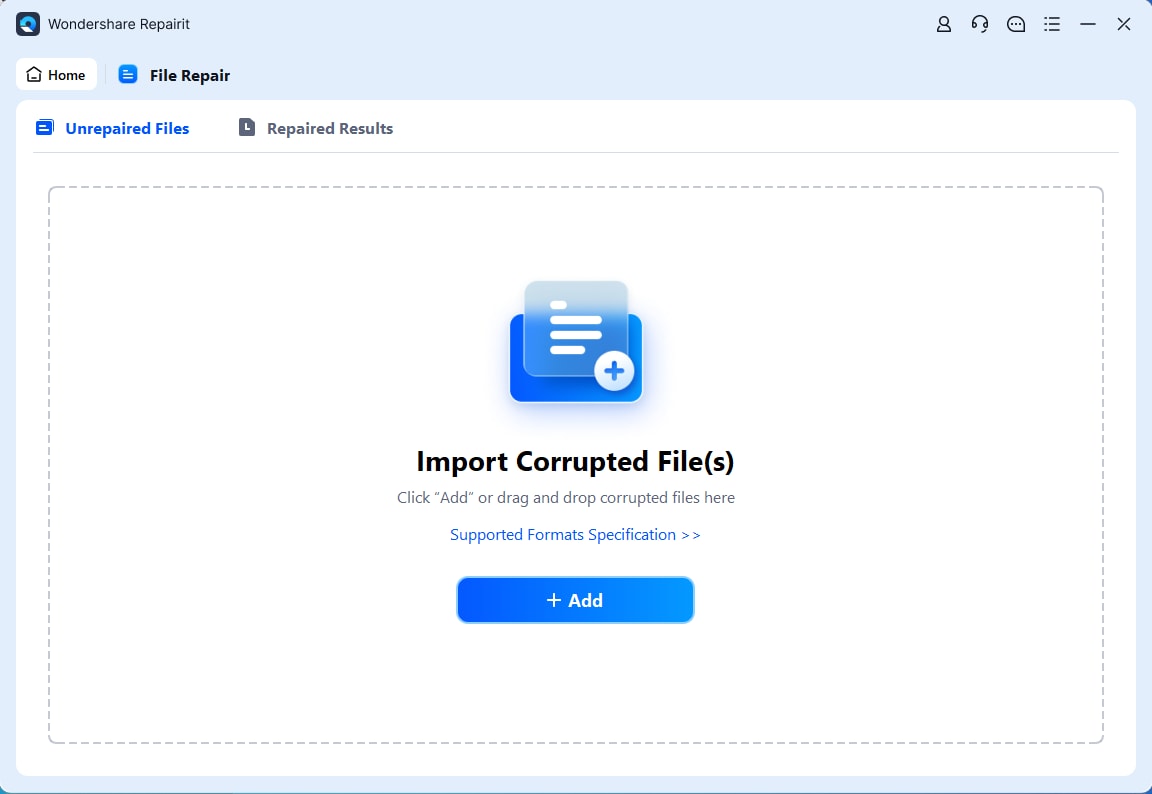
Install and open Wondershare Repairit, then select the data repair module that matches the type of content you need to recover (such as videos, photos, or files). On the main screen, choose the folder, partition, or external device where your damaged aep project and assets are located. This ensures Repairit scans the correct source.
- Start the repair process
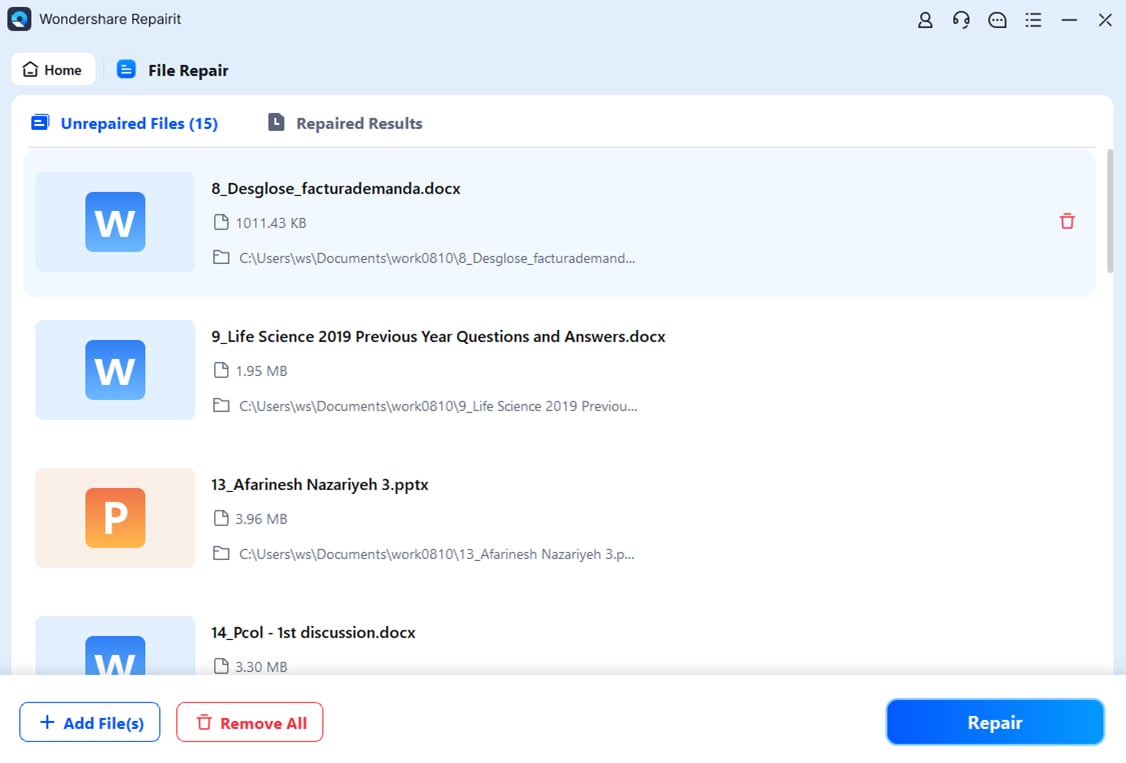
Click the Scan or Start button to let Repairit perform a thorough scan of the selected location. The application analyzes the file system, searches for corrupted data, and reconstructs recoverable items. You can monitor progress in real time while the tool detects files related to your After Effects workflow.
- Save Your Desired Data
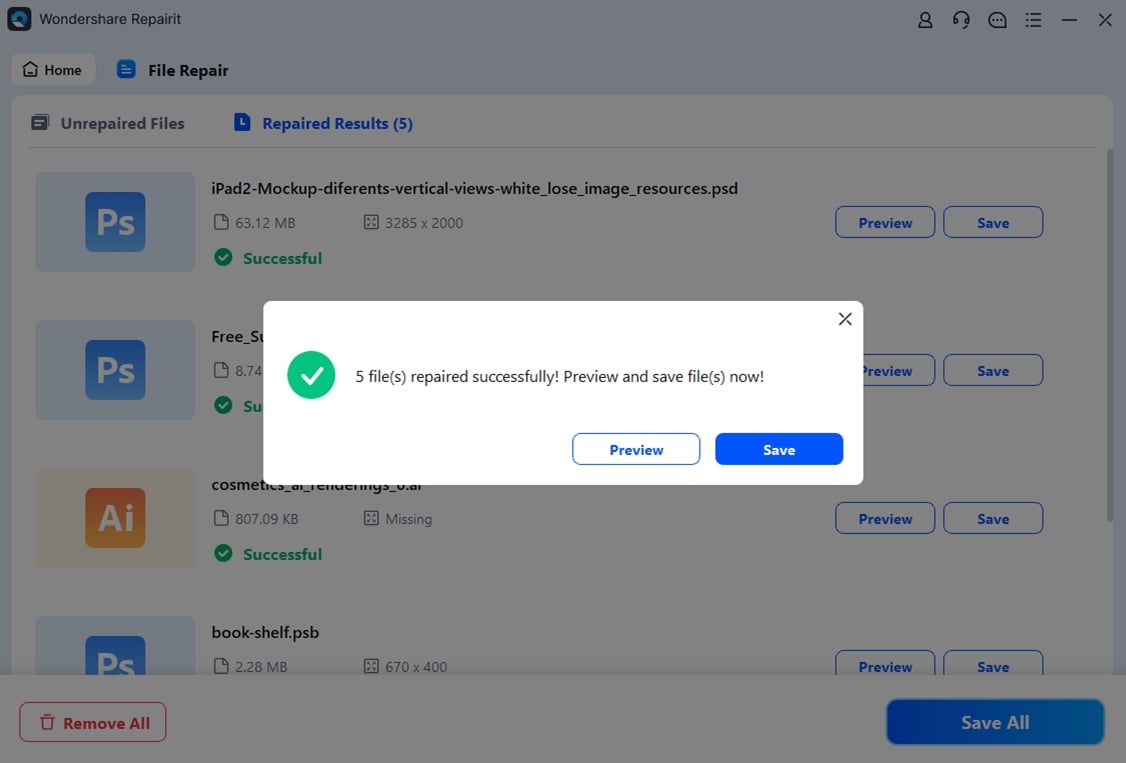
Once the deep scan completes, Repairit lists all the found items. Use the preview feature to inspect files and confirm that the content looks correct. Then, select the files you want to restore and click Repair or Save. Choose a safe destination on a healthy drive for the repaired data, and then try opening your AEP file in After Effects again with the recovered assets in place.
Conclusion
An AEP file is the core of every Adobe After Effects project, describing your compositions, layers, and effects while pointing to external media. Because this project file controls the entire motion graphics workflow, corruption or damage can instantly halt production and put deadlines at risk.
By understanding how to open an aep file, recognizing common error messages, and using a dedicated repair solution such as Wondershare Repairit to scan and restore damaged data, you can greatly reduce the chances of permanent project loss. Building good backup habits and having a reliable repair toolkit ready will keep your After Effects work both efficient and secure.
FAQ
-
1. What is an AEP file in Adobe After Effects?
An AEP file is the native project format for Adobe After Effects. It stores compositions, layers, keyframes, effects, and references to external media, but not the media itself. When you open an AEP project, After Effects reads these instructions to reconstruct your motion graphics or visual effects work. -
2. Why will my AEP file not open in After Effects?
If an AEP file will not open, the project may be corrupted, created with a much newer After Effects version, or stored on a damaged disk. Sudden shutdowns, plugin crashes, and interrupted saves are common reasons why the project structure becomes unreadable. -
3. Can I convert an AEP file to MP4 directly?
No. An AEP file is a project, not a video. To get an MP4, you must open the AEP in After Effects and render the composition, typically through the Render Queue or Adobe Media Encoder, selecting H.264 or another delivery codec as the output format. -
4. How can I prevent AEP corruption in the future?
Use stable storage, enable Auto-Save, keep multiple versioned project files, and avoid forcing your computer to shut down while After Effects is saving. Maintaining regular backups on external or cloud drives also protects you if the main AEP file becomes damaged. -
5. Can Wondershare Repairit fix AEP files directly?
Repairit focuses on repairing corrupted data stored on your drives, such as videos, photos, and documents related to your projects. By scanning the location of your AEP and assets, it helps recover damaged files and restore a workable environment so that After Effects can open your project with less risk of errors.




