
When an important Excel workbook suddenly becomes corrupted, you can lose access to key models, reports, or budgets right when you need them most. Choosing the right desktop tool to repair corrupted Excel files can make the difference between rebuilding a spreadsheet from scratch and getting back to work in a few minutes. This guide compares Repairit File Repair vs SysTools Excel Recovery so you can decide which option better fits your file types, workflow, and budget before you start fixing damaged spreadsheets.
Repair Corrupted Files with Repairit File Repair
 Security Verified. Over 7,302,189 people have downloaded it.
In this article
- Repairit File Repair vs SysTools Excel Recovery: Quick Verdict
- Repairit File Repair vs SysTools Excel Recovery: Key Differences
- Repairit File Repair vs SysTools Excel Recovery: Comparison Table
- What Repairit File Repair and SysTools Excel Recovery Are Best For
- Repairit File Repair vs SysTools Excel Recovery: Features and Capabilities
- Repairit File Repair vs SysTools Excel Recovery: Supported File Types and Compatibility
- Repairit File Repair vs SysTools Excel Recovery: Workflow and Ease of Use
- Repairit File Repair vs SysTools Excel Recovery: Pricing and Trial Options
- Who Should Choose Repairit File Repair
- Who Should Choose SysTools Excel Recovery
- Pros and Cons of Repairit File Repair and SysTools Excel Recovery
- How to Repair Corrupted Files After Choosing the Right Tool
Repairit File Repair vs SysTools Excel Recovery: Quick Verdict
Repairit File Repair is a versatile desktop tool designed to repair corrupted spreadsheets, documents, and other files in one guided interface. SysTools Excel Recovery is a specialized utility focused only on fixing corrupted Excel workbooks.
In most situations, Repairit File Repair is a stronger choice if you work with mixed file types and want a single, consistent workflow for repairing unreadable office files. SysTools Excel Recovery may be enough if your issues are limited to damaged Excel files and you prefer a narrow, spreadsheet-only experience on Windows.
- Repairit File Repair tends to work better for users who need to repair multiple file formats (Excel, Word, PowerPoint, PDFs, archives, and more) and want a unified interface.
- SysTools Excel Recovery makes more sense for people who primarily live in Excel and rarely encounter corruption in other document types.
The bottom line: choose Repairit File Repair when you want flexibility across formats and a repair-focused interface; choose SysTools Excel Recovery when you only care about desktop Excel repair and prefer a simple, spreadsheet-centered tool.
Repairit File Repair vs SysTools Excel Recovery: Key Differences
Although both tools aim to repair corrupted Excel files, they are positioned quite differently.
- Scope: Repairit File Repair is a multi-format file repair platform, while SysTools Excel Recovery targets Excel workbooks only.
- Use cases: Repairit works well in environments where Word, PowerPoint, PDFs, ZIP archives, and other files may also become damaged. SysTools fits teams whose problems rarely extend beyond Excel.
- Interface and workflow: Both tools use guided flows, but Repairit keeps that flow consistent across many file types, whereas SysTools keeps the interface centered on spreadsheet terminology and workbook structures.
- Future flexibility: If you are not sure what kinds of files might get corrupted in the future, Repairit gives you more room to handle different scenarios without adding new utilities.
- Platform focus: Repairit is available on major desktop platforms, while SysTools is typically used as a Windows desktop utility.
Repairit File Repair vs SysTools Excel Recovery: Comparison Table
| Aspect | Repairit File Repair | SysTools Excel Recovery |
|---|---|---|
| Primary focus | Multi-format file repair across office documents and other common files | Excel-only tool for corrupted XLS/XLSX workbooks |
| Best for | Users handling a mix of Excel, Word, PowerPoint, PDFs, and other formats | Excel-heavy users who rarely need to repair other file types |
| Workflow style | Consistent guided flow for importing, repairing, and exporting files | Simple desktop sequence focused on loading and repairing Excel files |
| Supported file types | Excel plus documents, presentations, and additional formats (varies by version) | Mainly XLS and XLSX spreadsheets |
| Platform | Desktop workflow on major operating systems | Desktop utility typically used on Windows PCs |
| Who gets most value | Organizations and professionals with varied file-corruption issues | Teams whose repair needs are almost entirely Excel-based |
| Pricing positioning | Priced as a broad, multi-format solution that can replace several tools | Priced as a single-purpose Excel repair product |
What Repairit File Repair and SysTools Excel Recovery Are Best For
Understanding what each tool is built for makes it easier to match them to your situation.
Repairit File Repair is a dedicated file repair solution designed to fix corrupted, damaged, or unreadable files across multiple formats. Instead of limiting you to spreadsheets, it supports a range of office documents and other file types, guiding you through a consistent repair process. This suits users who regularly run into file issues in more than just Excel workbooks.
SysTools Excel Recovery is a desktop Excel file repair utility created specifically for corrupted spreadsheets. Its branding and messaging lean toward recovery-style language, but the practical focus is on handling damaged Excel workbooks and attempting to restore broken file structures, including sheets, cells, and formulas. The scope is intentionally narrow: Excel-focused, desktop-based, and designed for spreadsheet-centric workflows.
In general:
- Choose Repairit File Repair if you are responsible for a wide variety of documents and want a unified way to repair unreadable files.
- Choose SysTools Excel Recovery if your daily work is almost entirely in Excel and you want a straightforward, focused desktop utility.
Repairit File Repair vs SysTools Excel Recovery: Features and Capabilities
Both products aim to fix damaged files, but their feature sets reflect different priorities.
Repairit File Repair core capabilities
- Repairs a wide range of office and other common file formats, not just Excel.
- Guided repair flow that walks users through adding, scanning, and exporting fixed files.
- Emphasis on repairing corrupted files by addressing unreadable content and broken structures.
- Batch repair for multiple files in a single session in supported scenarios.
- Previews for certain file types so you can validate repaired content before saving.
- User-friendly interface suitable for non-technical staff.
SysTools Excel Recovery core capabilities
- Excel-specific desktop repair utility aimed at corrupted XLS and XLSX files.
- Spreadsheet-focused handling with attention to worksheets, cells, and formulas.
- Simple step-by-step process to scan and attempt repair of damaged workbooks.
- Desktop workflow that keeps everything on the local machine.
- Language and interface elements centered on Excel workbooks only.
In most cases, SysTools Excel Recovery stands out for its simple, spreadsheet-only design, which can feel familiar for Excel-heavy users. Repairit File Repair, by contrast, offers a broader set of capabilities across formats, which is usually more helpful for organizations that see corruption in multiple file types, not just spreadsheets.
Repairit File Repair vs SysTools Excel Recovery: Supported File Types and Compatibility
Supported formats are one of the most important differences between these tools.
Repairit File Repair formats and platforms
- File types: Supports Excel spreadsheets along with other common file formats such as word-processing documents, presentations, and additional file types, depending on the plan and version.
- Excel coverage: Designed to repair corrupted Excel files as part of a wider office file toolkit.
- Platforms: Available on major desktop platforms so you can work within your usual workstation environment.
- Typical use case: Best when teams manage mixed document types and want to handle all corrupted files in a consistent desktop interface.
SysTools Excel Recovery formats and platforms
- File types: Primarily targets Excel formats such as XLS and XLSX and is not designed for repairing other office documents like Word or PowerPoint.
- Excel coverage: Optimized around spreadsheet repair tasks, including multiple worksheets and workbook structures.
- Platforms: Desktop-only utility typically running on Windows-based PCs.
- Typical use case: Suited to users who rely almost exclusively on Excel and rarely need to repair other file types.
In practice, SysTools Excel Recovery keeps its scope tightly focused on Excel files, while Repairit File Repair covers Excel plus additional document types. If your corruption issues are varied, Repairit offers more flexibility; if your world is Excel-only, SysTools may be sufficient.
Repairit File Repair vs SysTools Excel Recovery: Workflow and Ease of Use
Both tools use guided desktop workflows, but they differ in how broadly those workflows apply.
Repairit File Repair workflow
- Workflow style: Guided workflow that is consistent across supported file types, from importing corrupted files through scanning and exporting repaired versions.
- Typical steps:
- Launch Repairit File Repair and select the appropriate repair mode.
- Add one or multiple corrupted files for analysis.
- Run the repair process and let the tool attempt to fix structures and content.
- Preview (where available), then export repaired files to a chosen location.
- Ease of use: Designed for non-technical users with minimal manual settings, while still letting you choose which files to repair and where to save them.
- Strengths: Predictable process across many file types and clear separation between original and repaired outputs.
SysTools Excel Recovery workflow
- Workflow style: Guided desktop workflow focused strictly on Excel, usually following a load-scan-repair sequence.
- Typical steps:
- Open SysTools Excel Recovery on a Windows desktop.
- Browse and select the corrupted Excel file or files.
- Initiate scanning to detect and analyze workbook issues.
- Attempt repair, then save the fixed Excel file to a selected folder.
- Ease of use: Straightforward for users familiar with Excel and common Windows utilities.
- Strengths: Excel-focused interface that keeps the workflow narrow and easy to understand for spreadsheet users.
Overall, both tools are approachable. Repairit File Repair will feel especially convenient if you want the same steps for spreadsheets, documents, presentations, and other files. SysTools Excel Recovery will feel natural if you like tools that mirror an Excel-centric mindset and do one thing only.
Repairit File Repair vs SysTools Excel Recovery: Pricing and Trial Options
Pricing and licensing can change, so it is important to confirm details on each official website before purchasing. Still, their general positioning is clear.
Repairit File Repair pricing outlook
- Typically offered as a paid product with different license or plan options.
- Often includes trial or demo modes so you can test core repair workflows on sample files.
- Positioned as a broader solution that can repair many file types, which can reduce the need to buy multiple single-purpose utilities.
SysTools Excel Recovery pricing outlook
- Generally sold as a dedicated desktop Excel repair license, sometimes with personal and business tiers.
- Focused on Excel repair only, which can feel cost-effective if you truly never need to repair other file types.
- Often provides some form of limited demo or evaluation so you can see how it handles corrupted spreadsheets before committing.
In many cases, Repairit File Repair may appear higher in price initially, but it can consolidate your repair needs across formats. SysTools Excel Recovery can be a reasonable choice when you are sure that only Excel files need attention.
Who Should Choose Repairit File Repair
Repairit File Repair is usually preferable when your responsibilities go beyond Excel alone.
- Ideal users:
- Professionals who handle a mix of Excel, Word, PowerPoint, and other file types.
- IT support teams maintaining many document formats across departments.
- Users who prefer a single unified tool instead of several narrow utilities.
- People who want a repair-focused interface that clearly distinguishes corrupted and repaired files.
- Typical scenarios:
- You receive project files in various formats from clients and occasionally encounter corruption in more than just spreadsheets.
- Your organization wants a standard process to repair unreadable office files, rather than separate tools for each format.
- You do not want to check which file type is corrupted before deciding which tool to open.
- Main reasons to pick Repairit:
- Broader format support reduces the need for multiple specialized tools.
- Guided interface keeps the process similar even when repairing different file types.
- Designed specifically around fixing corrupted files and restoring damaged file structure.
Who Should Choose SysTools Excel Recovery
SysTools Excel Recovery can make more sense when your environment is clearly Excel-centered.
- Ideal users:
- Excel-heavy users who rarely work outside spreadsheets.
- Finance, analytics, and operations teams based primarily in Excel on Windows desktops.
- Individuals who want a narrow, spreadsheet-only desktop utility.
- Typical scenarios:
- You maintain large Excel models and occasionally face corrupted workbooks, but other file types are hardly ever an issue.
- Your team prefers lightweight, single-purpose tools for each specialized task.
- You like tools that closely match your Excel-focused workflow and avoid extra features you will not use.
- Main reasons to pick SysTools Excel Recovery:
- Spreadsheet handling tailored to Excel workbook structures.
- Simple guided desktop process that stays close to what Excel users expect.
- Narrow scope can make it quick to learn and easy to maintain.
Pros and Cons of Repairit File Repair and SysTools Excel Recovery
Both tools involve trade-offs between flexibility and simplicity. These concise pros and cons can help clarify where each one fits better.
Repairit File Repair Pros and Cons
SysTools Excel Recovery Pros and Cons
How to Repair Corrupted Files After Choosing the Right Tool
Once you have compared Repairit File Repair vs SysTools Excel Recovery and identified which better matches your needs, the next step is actually fixing the corrupted workbook or other damaged documents. For users who want a guided, multi-format approach on desktop, Repairit File Repair offers a practical way to move from comparison to action without changing tools for different file types.
Key Features
- Single platform to repair corrupted spreadsheets, documents, and other files in one place.
- Intuitive guided workflow that walks you from file selection through repair and export.
- Focus on repairing damaged file structures so office files become usable again.
- Scales from individual professionals to teams who frequently exchange critical documents.
- Desktop-based process that keeps repairs close to your normal working environment.
Step-by-step guide
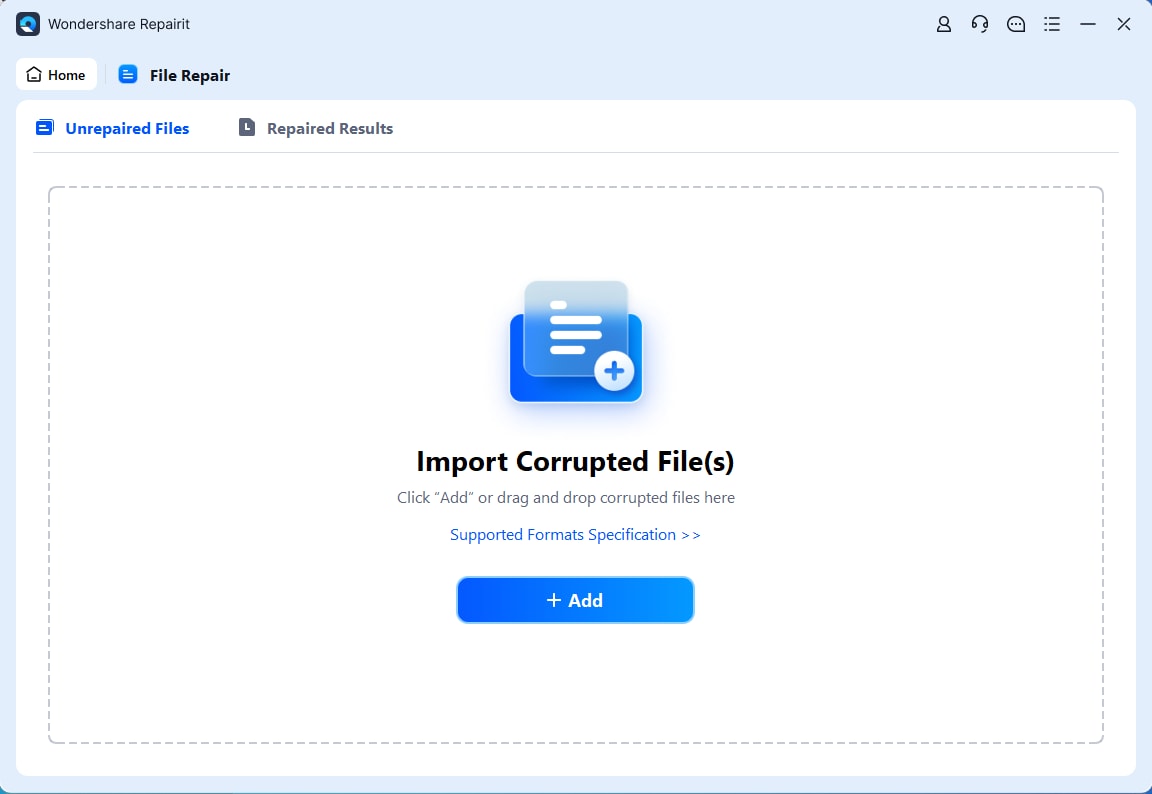
- Add corrupted files
Launch Repairit File Repair and import the damaged or unreadable files you want to fix. - Start the repair
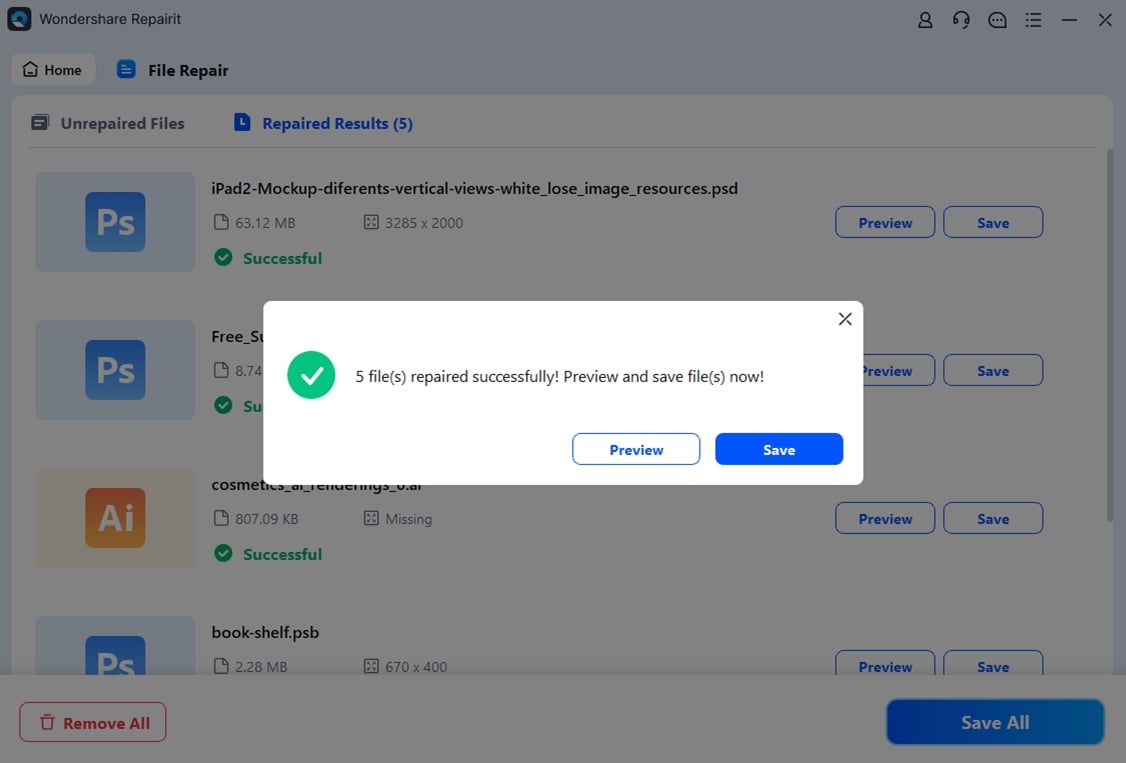
Click the repair button and let the tool scan and repair the selected files automatically. - Preview and save
Preview the repaired results and save the restored files to your preferred location.

Final Verdict
Both tools are built to help when Excel workbooks refuse to open or show garbled content, but they take different approaches. SysTools Excel Recovery concentrates on Excel only, using a desktop workflow that stays close to traditional spreadsheet tasks. Repairit File Repair provides a broader, repair-focused environment that extends the same workflow to documents, presentations, and other common file types.
When to choose Repairit File Repair: It is usually the stronger choice if you often handle more than just spreadsheets, or if your team wants a consistent way to repair corrupted files across Word, Excel, PowerPoint, and other formats. Its guided interface and multi-format support make it a practical long-term option for modern, document-heavy workflows.
When to choose SysTools Excel Recovery: It makes sense when your needs are strictly Excel-based, you prefer a narrow desktop tool, and you want something that maps closely to a spreadsheet-only routine. For some finance or analytics teams, this focused design can be all they need.
If you are unsure, think about the variety of files you rely on. For Excel-only scenarios, SysTools Excel Recovery may be enough. For broader document use and future flexibility, Repairit File Repair is more likely to cover the problems you encounter over time.
Next: Repairit File Repair vs Systools Pdf Recovery
FAQ
-
1. Is Repairit File Repair better than SysTools Excel Recovery for fixing corrupted Excel files?
Repairit File Repair is generally a better fit if you work with multiple file types and want one desktop tool that can repair Excel, Word, PowerPoint, PDFs, and other documents. SysTools Excel Recovery can be suitable if you only need to repair corrupted Excel workbooks and prefer a focused spreadsheet-only utility. -
2. Can SysTools Excel Recovery repair file types other than Excel?
SysTools Excel Recovery is designed specifically for Excel spreadsheets, mainly targeting XLS and XLSX formats. It is not intended to repair other document types such as Word or PowerPoint, so you would need an additional tool for those files. -
3. Does Repairit File Repair support a desktop workflow for Excel files?
Yes. Repairit File Repair provides a desktop workflow where you can add corrupted Excel files, run the repair process, and then save the repaired workbooks locally, alongside other repaired document types.