

Many users face a frustrating moment when trying to open a program. You click an icon, but a sudden alert stops your progress immediately. This message says "Part of This App Has Been Blocked" on your screen. Such issues can prevent you from finishing important work or playing games.
It often happens because Windows wants to keep your computer very safe. However, these security tools sometimes stop safe programs from working correctly. So, understanding why this happens and how to fix it step by step can save time. Thus, this guide will help you understand why these blocks happen right now.
Table of Contents
Part 1. Understanding "Part of This App Has Been Blocked" Error
Windows often displays a specific warning when a single file seems very unsafe. This alert tells you that "Part of This App Has Been Blocked" by Windows security. It means the main program starts, but a small component cannot run now. Usually, this happens to extra files like DLL files or helper EXE programs. Windows stops these files because it cannot verify the digital signature of the publisher.

This block usually comes from Smart App Control or Windows Defender SmartScreen. Such security actions help protect your device from hidden threats or bad code. As a result, missing these files can cause your favorite software to crash quite often. You might also notice that certain features or buttons do not work at all. Alongside this, some apps may even fail to update or connect to the internet for you.
Part 2. 5 Common Causes of "Part of This App Has Been Blocked"
Several issues can trigger the warning that "Part of This App Has Been Blocked." Below, you will explore a few common causes that trigger this protection alert:
- Missing Signatures: The software developer did not include a trusted digital signature for the file. Windows may block unsigned components based on reputation and security policies.
- Smart App Control: This Windows security feature evaluates program reputation using Microsoft protection services. It blocks suspicious or unrecognized files to reduce potential malware risks.
- Corrupted Files: Some required files may be damaged or incomplete inside the installation directory. This causes verification checks to fail when Windows attempts to launch the application.
- Admin Rights: The program requires elevated permissions to access protected system locations or registry areas. Without administrator approval, Windows restricts certain operations from executing properly.
- System Updates: A Windows security update may introduce stricter protection policies or driver rules. These changes can prevent older or incompatible software components from running normally.
Part 3. Step-by-Step Solutions to Fix "Part of This App Has Been Blocked"
When the message "Part of This App Has Been Blocked" appears, it disrupts normal computer use. Yet, the following 4 methods will help you fix this issue without hassle:
Solution 1. Run App as Administrator
Running your software as an administrator grants elevated permissions to the application. This access allows the program to interact with protected system locations when required. It does not bypass Windows security protections, but it can allow legitimate operations that need higher privileges. Some components, such as DLL or helper EXE files, may load correctly after approval. Follow these steps to launch your app with administrator rights:
Instructions. Locate the problematic program and right‑click it to select "Run as Administrator."

Solution 2. Check Security Settings
Adjusting your internal security settings can stop many common software launch errors. This process involves managing how Windows handles unknown files and new programs. You can often fix the warning that "Part of This App Has Been Blocked." Disabling specific filters like Smart App Control might solve the existing conflict. Anyhow, adhere to these easy steps to adjust your Windows security settings now:
Step 1. Open "Privacy & Security" from settings, then enter the "Windows Security" area. Moving forward, you need to go to "App & Browser Control."

Step 2. Next, locate and open the "Smart App Control Settings" option from the available list.

Step 3. In case it is enabled, select "Off" to temporarily deactivate it on your system.

Solution 3. Check Antivirus Logs
Your antivirus software often records every file it stops from running today. These logs show you exactly why "Part of This App Has Been Blocked." You can find specific details about hidden threats or false positive alerts. Therefore, reviewing these reports helps you decide if a file is actually very safe. So, take guidance from the steps to check and analyze your antivirus activity logs:
Step 1. To initiate, click the "Open" option upon searching for "Windows Security."

Step 2. Moving forward by going to the "Virus & Threat Protection" feature.

Step 3. On the following screen, click the "Protection History" option.

Step 4. Afterward, check the log entries matching the time the error message appeared. Moreover, open a record to view details such as the threat name and action taken, then restore or allow the file if it is trusted.

Solution 4. Update or Reinstall the App
This solution can also help resolve why "Part of This App Has Been Blocked." New versions replace outdated files that Windows may consider unsafe or incompatible. Reinstallation restores missing or corrupted components, ensuring the program functions correctly. It also ensures compatibility with the latest Windows security updates and settings. Moreover, this method fixes crashes or repeated block notifications. Hence, move ahead with the steps to reinstall your affected application:
Step 1. As you head to the "Apps" settings, navigate to the "Installed Apps" section. Then, click the "Three Dots" icon next to the problematic program and opt for "Uninstall."

Step 2. Upon doing this, click the "Uninstall" button again to delete the program. Afterward, go to the official website of the deleted program and install it again.

Part 4. Try 4 Advanced Fixes for "Part of This App Has Been Blocked"
Sometimes, common solutions fail when "Part of This App Has Been Blocked." Hence, you should try these 4 advanced technical methods to resolve deeper system conflicts:
Solution 1. Verify Digital Signature
Checking a digital signature helps you confirm the identity of the software creator. This process helps Windows confirm that no unauthorized changes have been made to the app. It reduces the chances of false security alerts and prevents unnecessary blocking actions. Yet, a valid signature assures authenticity and safe installation on your system environment. So, let’s continue by following the steps to verify your app’s digital signature:
Step 1. To initiate, right-click the problematic program and opt for the "Properties" option.

Step 2. As you see the Properties window, head to the "Digital Signatures" tab. In case you can’t see or access this tab, the file is not signed, so download it again from the official source before running.

Solution 2. Check Event Viewer Logs
The Event Viewer is a powerful tool that records every system activity. It provides a technical look at why "Part of This App Has Been Blocked." You can find hidden error codes that explain the exact security conflict now. Besides, these logs help you identify if a specific rule stopped your program's files. So, you need to go through the given steps to pinpoint the source of the protection alert:
Step 1. Upon pressing both "Windows + R," type "eventvwr.msc" and click "OK."

Step 2. When accessing "Event Viewer," expand "Applications and Services Logs" to click "Microsoft." Finally, you need to head to the "Windows" section.

Step 3. Following this, access the "CodeIntegrity" folder and click "Operational." After that, you will see log records of blocked executables, DLLs, and drivers, then identify the file path and reinstall the program or allow it if trusted.

Solution 3. Repair Windows System Files (via SFC/DISM)
Windows system files often become missing due to various technical issues. This corruption might cause the warning that "Part of This App Has Been Blocked." Yet, using SFC and DISM tools can fix these broken files very quickly. These native utilities scan your entire system for any hidden software errors. They replace faulty data with a fresh version from the cloud. Follow these precise commands to repair your Windows system files:
Step 1. As you search for the "Command Prompt" option, click "Run as Administrator."

Step 2. Enter the "DISM /Online /Cleanup-Image /CheckHealth" command and press "Enter". Upon doing this, run "DISM /Online /Cleanup-Image /ScanHealth" for a deeper scan.

Step 3. Moving forward, input "DISM /Online /Cleanup-Image /RestoreHealth" and hit "Enter."

Solution 4. Use Sandbox or Virtual Machine
A Windows Sandbox provides a safe space for testing any unknown software. You can run programs here even if the "Part of This App Has Been Blocked" errors show on the main system. This isolated environment keeps your main operating system fully protected from threats. Moreover, virtual machines allow you to use a different version of the Windows system. Thus, let’s explore the steps to run your application using a sandbox or virtual machine:
Step 1. Initially, type "Turn Windows Features On or Off" in the search and open the result.

Step 2. Enable the "Windows Sandbox" option by checking its box, then click "OK."

Step 3. When prompted, select "Restart Now" to apply the changes.

Step 4. After rebooting, open "Start" and launch "Windows Sandbox" from the list.

Step 5. Once the virtual environment loads, you can run the problematic app and click "Install."

Pro Tip. Repair Your Windows’ Corrupted Documents and Media with Repairit
When fixing system errors, you may still find some files refusing to open, even after solving "Part of This App Has Been Blocked" on Windows. In such cases, your documents and media might already be corrupted and need a repair tool. At this point, Repairit is designed exactly for this situation, which has powerful tools to fix your corrupted data. It supports 30+ damaged file formats, including Word and PDF, for restoration.
It can also repair a 25+ of video types, including MP4 or MKV, and several RAW or professional formats. Likewise, Repairit helps fix 20+ broken photos in JPEG and TIFF formats so your memories stay usable. Alongside this, batch repair lets you add multiple files and fix them together, saving valuable time. After repair, you can preview the result and export the repaired files to your preferred folder.
Key Features
-
Smart Corruption Detection: Automatically analyzes file structure headers and internal metadata to locate damage points before initiating an optimized repair process.
-
Cross-Device Compatibility Recovery: Repairs files created on cameras, phones, drones, or recorders and restores proper playback across Windows applications and media players.
-
Safe Non-Destructive Repair Mode: Performs recovery without overwriting original files, preserving originals while generating a separate repaired copy for safe use.
Guide to Repair Your Corrupted Documents and Media with Repairit
You can easily repair or fix all your damaged files by using this simple software. So, the following stepwise guide will show you how to restore corrupted documents using Repairit:
Step 1. Open Repairit File Repair Module
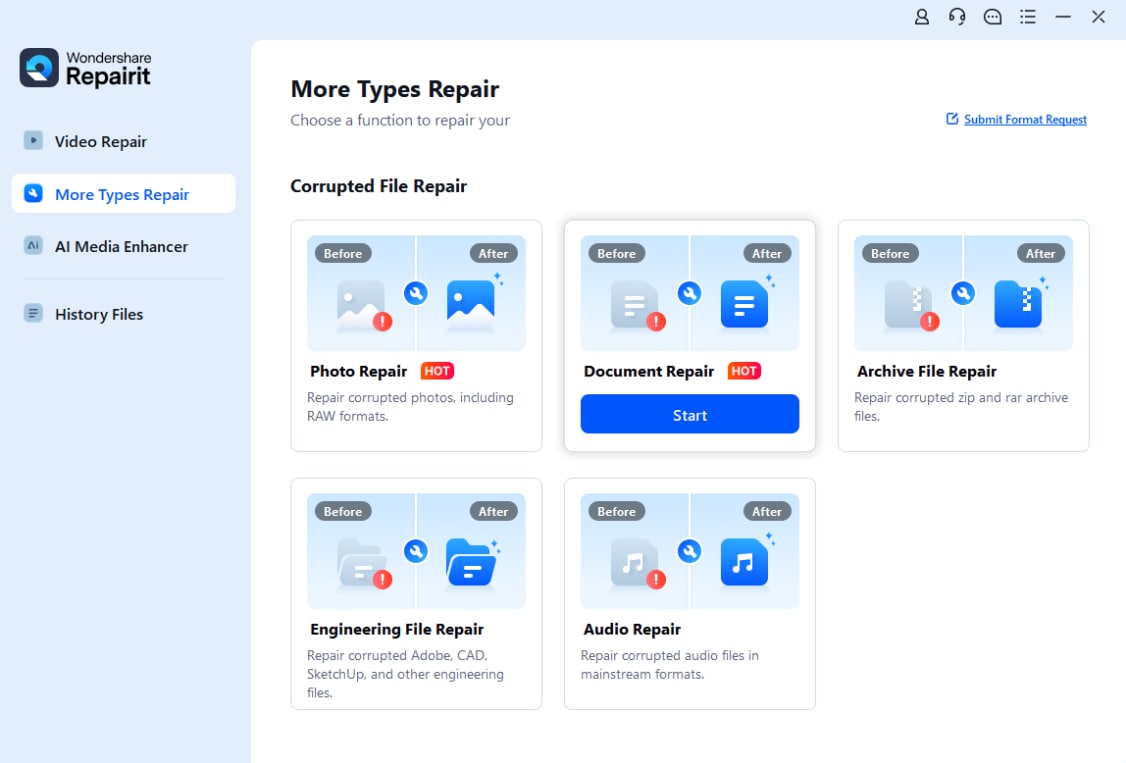
Start by heading to the "More Types Repair" tab, then select "Document Repair" and click "Start." Next, press "+Add" to load corrupted files from your PC.
Step 2. Fix the Imported Damaged Files
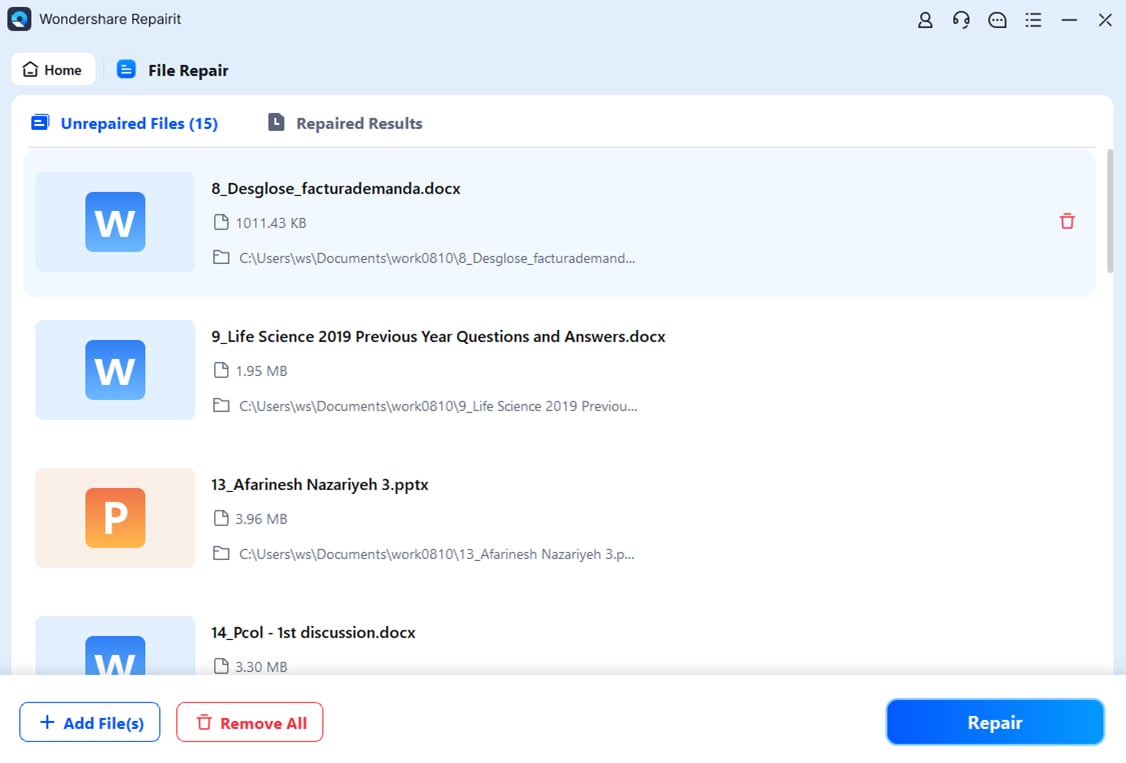
Following that, click the "Repair" button to start the process. Here, Repairit also allows you to add more damaged documents using the "+Add Files" button.
Step 3. Save or Export the Repaired Document
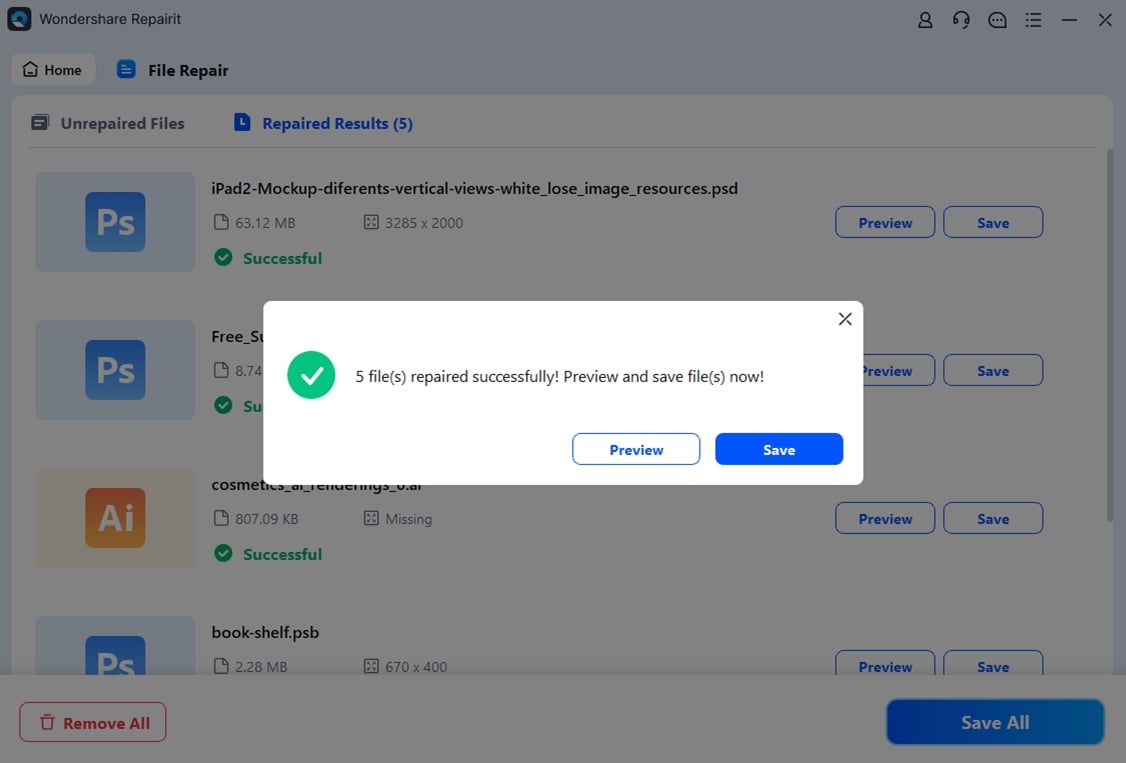
Once the files move to "Repaired Result," preview them to confirm recovery. When the files get repaired successfully, click "Save All" to download the restored files.
Repair Corrupted Files
 Security Verified. Over 7,302,189 people have downloaded it.
Conclusion
In summary, dealing with system errors on your computer can be a very stressful experience. Still, seeing the message "Part of This App Has Been Blocked" is quite common. Yet, you can now use this simple guide to fix these security alerts. These steps will help you run your favorite programs without any further trouble. Apart from that, if your files remain broken, use Repairit to restore your important data.
Frequently Asked Questions
-
1. Will running an app as an admin fix every single blocking issue?
This method only works if the problem is related to restricted folder access rights. Some blocks are caused by missing digital signatures rather than simple user permissions. You must try other solutions if the administrator mode does not work correctly. -
2. What should I do if my downloaded files are completely corrupted?
You can use Repairit to repair damaged media and document files and recover important data. It supports multiple common formats and allows preview after repair. However, it cannot repair executable installation or setup program files. -
3. Is it safe to disable the Smart App Control feature on Windows?
Basically, disabling this particular tool reduces your overall protection against new and unknown threats. Yet, you should only disable it when you are certain the program is safe. However, always remember to turn your security settings back on after finishing your task.