
An ISO file is a single archive that mirrors the entire contents and structure of a CD, DVD, or Blu-ray disc. It is widely used for distributing operating systems, large software packages, and media backups. Knowing how to open, mount, verify, and repair ISO images keeps your installations smooth and protects you from data loss when a disk image becomes corrupted or unreadable.
Repair Corrupted Files To Save Your Data
 Security Verified. Over 7,302,189 people have downloaded it.
In this article
What Is ISO File
An ISO file, often called an ISO image, is a sector-by-sector copy of an entire optical disc. Instead of storing individual folders and files, it reproduces the complete file system, boot information, and metadata in one container with the .iso extension.
Because an ISO preserves the original disc layout, it is ideal for:
- Distributing operating systems and software installation media
- Backing up game discs, movie DVDs, and training materials
- Sharing large collections while keeping file order and structure intact
Most ISO images follow the ISO 9660 or UDF file system standards that were designed for CDs and DVDs. Modern tools let you mount an ISO image as a virtual drive, burn it back to disc, or extract its content like a compressed archive.
| Aspect | Details |
|---|---|
| File extension | .iso |
| Typical use cases | OS installers, software suites, game backups, DVD images |
| Main advantage | Single file that keeps the full disc structure, including boot data |
How to Open ISO Files
You can access an ISO file in several ways: mounting it as a virtual drive, burning it to physical media, or extracting its contents to a folder. The exact method depends on your operating system and tools.
Open and mount ISO files on Windows
Modern Windows versions (Windows 8, 10, and 11) include native support for ISO mounting, so you often do not need extra software.
- Right-click the ISO file and choose "Mount" to attach it as a virtual DVD drive in File Explorer.
- Double-click the mounted drive to browse or run setup files, just like from a real disc.
- When finished, right-click the virtual drive and select "Eject" to unmount the image.
On older systems like Windows 7, you may need third-party tools or archive utilities:
- Virtual drive programs that create a simulated DVD drive and load the ISO image.
- Archive tools (for example, 7-Zip or similar) that can open an ISO so you can extract selected files.
If you want a bootable USB from an ISO, such as a Windows or Linux installer, use dedicated media creators like Rufus or the official tools from the OS vendor. These utilities write the ISO file to a USB drive and configure boot sectors correctly.
Open and mount ISO files on macOS and Linux
macOS and most Linux distributions can work with ISO images out of the box.
On macOS:
- Double-click the ISO file in Finder to mount it as a virtual disk on the desktop.
- Open the new volume to access its contents or run installers.
- Eject the volume when done to unmount the image.
On Linux:
- Most file managers let you right-click an ISO and select a mount option.
- Alternatively, advanced users can mount the image from the terminal with the "mount" command.
- You can also use tools that burn the ISO file to a DVD or USB stick for bootable media.
In all environments, treat an ISO image like the original disc: keep it in a reliable location, avoid sudden shutdowns while copying it, and verify large downloads so you do not work with a corrupted file.
Common ISO File Errors
Despite being robust, an ISO file can still become damaged during download, copying, or storage. When that happens, you are likely to see specific errors or strange behavior.
Typical ISO file symptoms
- The ISO will not mount or open in File Explorer or your virtual drive software.
- Error messages such as "The disc image file is corrupted" or "Windows cannot access this disk."
- Setup programs fail partway through installation with missing file errors.
- Checksum or hash verification does not match the value published by the source site.
- Slow reads, system freezes, or repeated retries when copying files from the ISO image.
Common causes of ISO corruption
- Incomplete or interrupted downloads, especially for large ISO files.
- Bad sectors or failing storage devices where your images are saved.
- File system errors or sudden power loss while moving or editing the ISO.
- Poor-quality discs or drives if the image was created from damaged media.
- Malware or unsafe tools that tamper with existing ISO images.
Always keep a backup of crucial ISO files, verify checksums for critical downloads, and scan your drives regularly. When an image already appears corrupted or unreadable, you can still attempt data-level repair or recovery from the drive where the ISO is stored.
How to Use Repairit to Fix a Corrupted ISO File
Why choose Repairit for ISO-related issues
When a ISO file fails to open or vanishes from a folder, it often points to deeper issues on the storage device or in the file system. Wondershare Repairit focuses on repairing corrupted data and recovering inaccessible files, including images, documents, and archives stored alongside your ISO images. You can learn more and get the latest version from the Repairit official website, which provides downloads for both Windows and macOS.
Key features of Repairit
- Repairs corrupted files and recovers data from local disks, external drives, SD cards, and other storage where your ISO files are kept.
- Supports many file types such as documents, compressed archives, photos, videos, and more, helping you recover full project folders around a damaged ISO image.
- Guided repair workflow with file preview so you can verify content before saving and only restore what you really need.
Step-by-step: Repair data where your ISO is stored
The idea is to scan the drive or folder that contains your problematic ISO file and repair or recover all readable data from there. Follow these simplified steps.
-
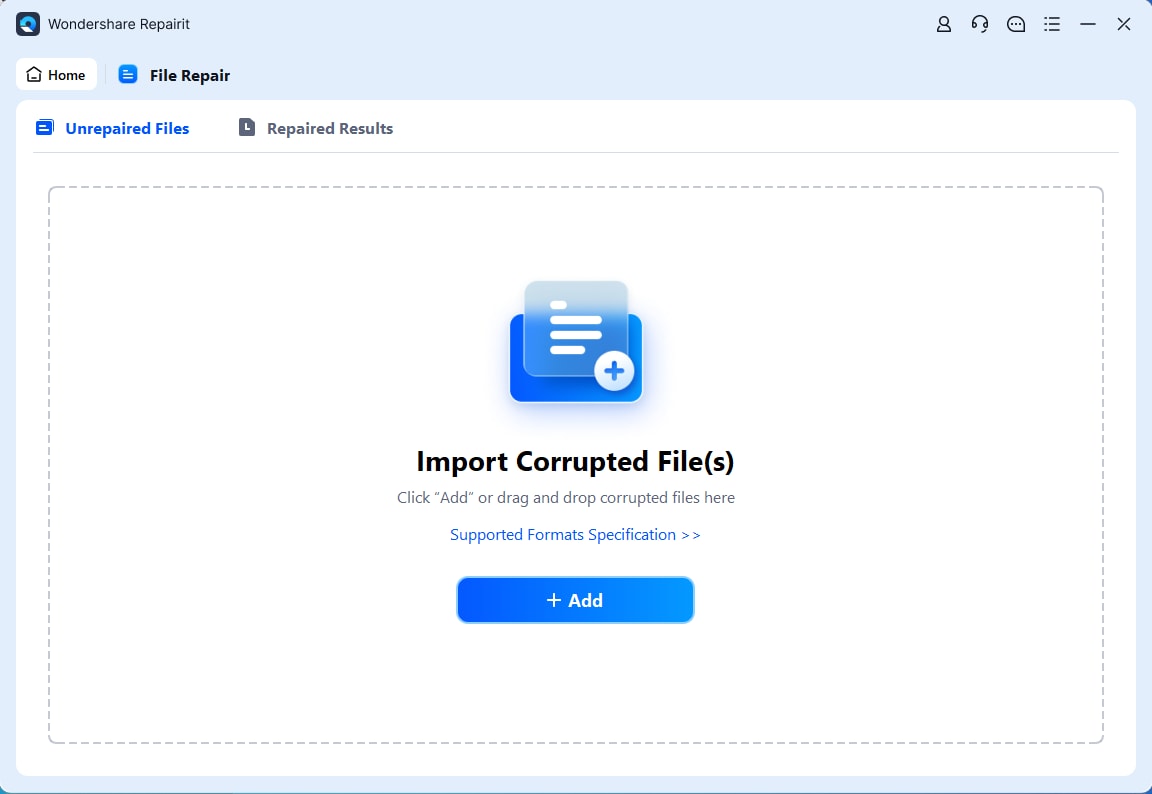
Load your corrupted files on Repairit
Open Repairit and look at the list of available drives, external devices, and folders. Select the disk, partition, or specific directory where the corrupted or missing ISO is located. Confirm your choice so the software can focus its scan on that exact area rather than your entire system, which saves time and improves accuracy.
-
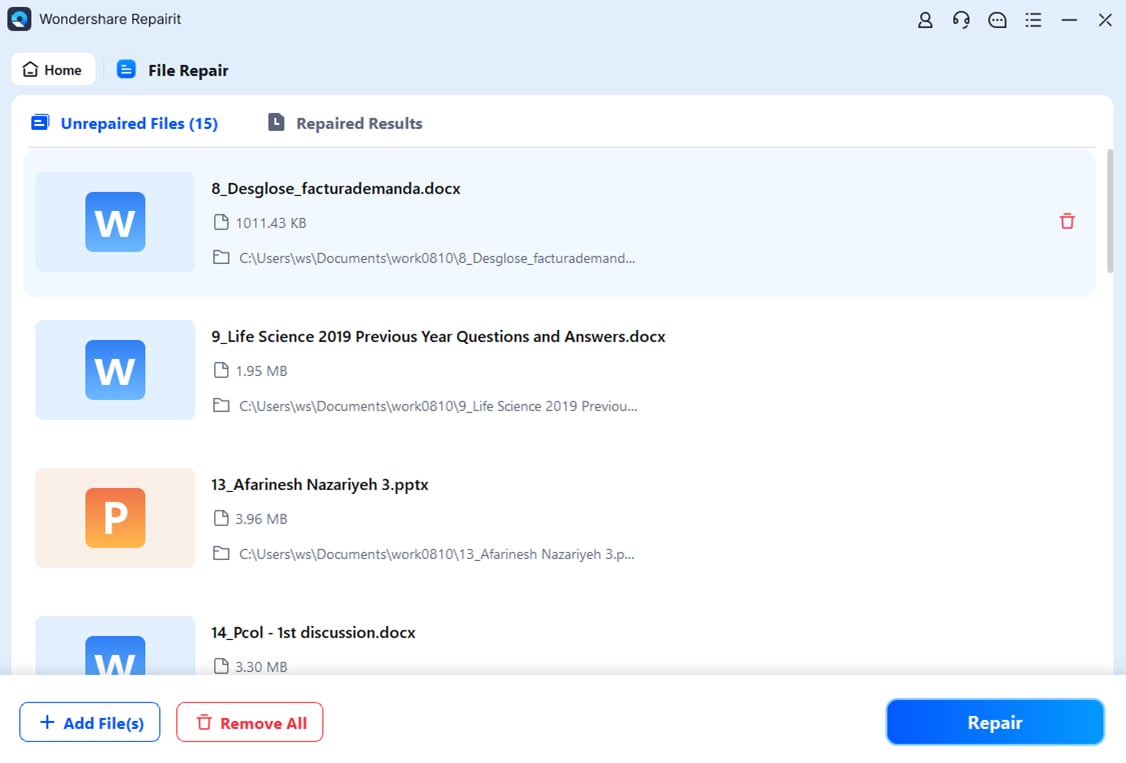
Start the repair process
Click the Scan or Start button to launch a deep scan of the chosen location. Repairit will carefully analyze the file system, trace lost entries, and search for damaged or partially unreadable data, including any ISO images. You can watch recoverable items appear in real time and pause or stop the scan if you have already found the content you were looking for.
-
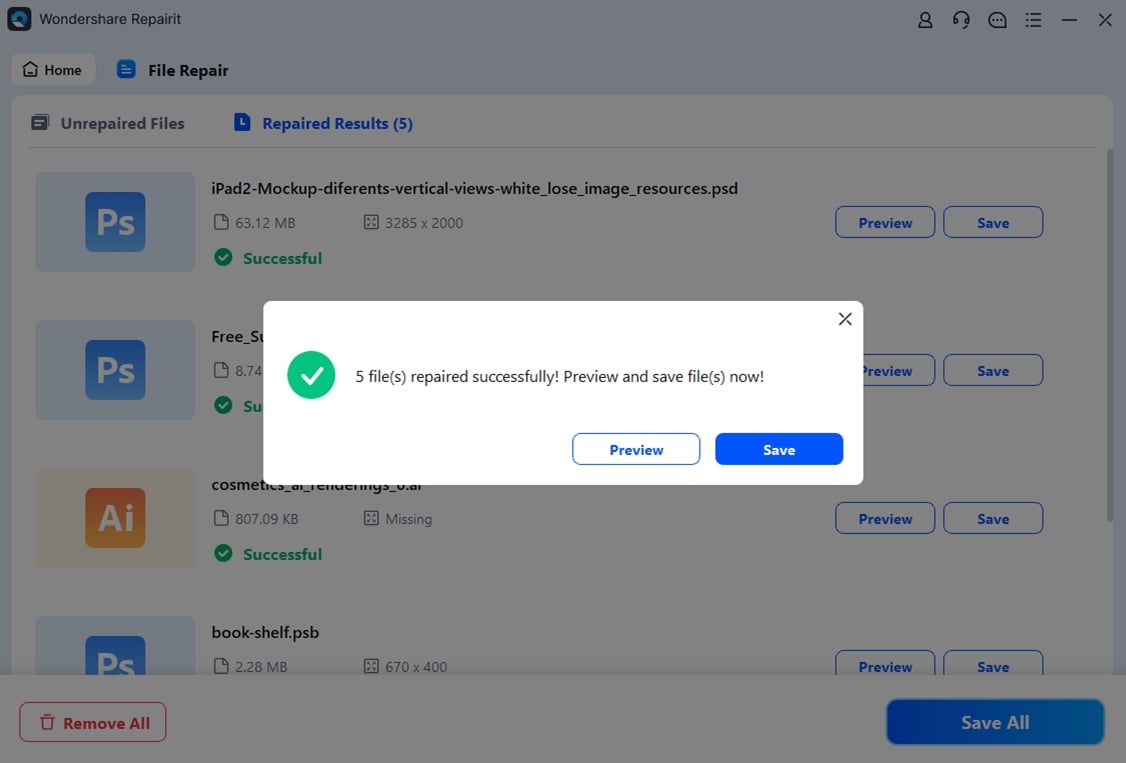
Save Your Desired Data
When the scan finishes, browse the categorized results or use filters to quickly locate your ISO file and related items. Preview supported files to confirm they are intact. Then select everything you want to restore and click the Recover or Repair button. Choose a safe destination on a different drive to save the repaired data, keeping it separate from the original, potentially unstable storage device.
Conclusion
An ISO file gives you a convenient way to store and share complete disc images, from operating system installers to personal media collections. By understanding what an ISO image contains and how to open or mount it on different systems, you can install software, create backups, and move large datasets with fewer hassles.
When an ISO file becomes corrupted or refuses to mount, focus on the health of the underlying storage and use dedicated tools like Repairit to scan, repair, or recover the affected data. Combining safe download practices, checksum verification, and reliable repair software dramatically reduces the risk of losing valuable content stored in your disk images.
Next: What is BZ2 File?
FAQ
-
1. What is an ISO file used for?
An ISO file is a complete image of an optical disc, typically used to distribute operating systems, large software installers, and media collections. Because it preserves the disc structure and boot data, it is especially useful for creating bootable DVDs or USB drives. -
2. How do I know if my ISO download is corrupted?
Most official sources publish checksum values (such as MD5, SHA1, or SHA256) next to the download. After downloading the ISO, run a checksum tool on the file and compare the result with the published value. If they differ, the image is likely corrupted and should be downloaded again. -
3. Why will my ISO file not open or mount?
If an ISO image will not open, it may be incomplete, damaged during transfer, or affected by bad sectors on the storage device. Sometimes the problem lies with the mounting software. Try another viewer, verify the checksum, and scan the drive for errors before assuming the ISO itself is beyond repair. -
4. Can I repair a corrupted ISO file directly?
You usually cannot fix every internal error inside a severely corrupted ISO file, but you can attempt to repair or recover data from the drive where it is stored. Tools like Repairit scan the location for damaged or lost files, allowing you to restore usable data, including ISO images that are still recoverable. -
5. Is it safe to keep ISO images on external drives?
Yes, storing ISO files on external drives is common practice, but you should use reliable hardware, safely eject the device, and keep at least one backup copy. Regularly checking the drive for errors and avoiding sudden disconnections helps prevent corruption and data loss.