
A DXF file is a universal CAD exchange format created by Autodesk to share detailed 2D and 3D drawings across different programs. It keeps lines, dimensions, layers, and text intact so engineers, architects, and makers can collaborate smoothly between AutoCAD, CNC tools, and other design software. Understanding how DXF works, how to open it, and how to repair it when something goes wrong helps you avoid workflow interruptions and data loss.
Repair Corrupted Files To Save Your Data
 Security Verified. Over 7,302,189 people have downloaded it.
In this article
What Is DXF File
A DXF file (Drawing Exchange Format) is a CAD file type introduced by Autodesk to allow seamless sharing of drawing data between AutoCAD and other software. It stores entities such as lines, arcs, splines, hatches, text, dimensions, and 3D geometry in a structured text or binary format.
Unlike DWG, which is AutoCAD's native binary format, DXF is designed as an open specification. Many CAD, CAM, GIS, and CNC tools can import and export DXF, making it ideal for:
- Transferring 2D floor plans, elevations, and mechanical drawings
- Sending part outlines and toolpaths to CNC routers, laser cutters, and plasma cutters
- Exchanging designs between different drafting or modeling platforms
- Archiving geometry in a human-readable text form (ASCII DXF)
Each DXF file is divided into sections (HEADER, TABLES, BLOCKS, ENTITIES, etc.), which describe drawing settings, layers, styles, reusable blocks, and all visible objects. This structure is powerful, but also means that damage in one section can affect how the entire drawing opens.
How to Open DXF Files
You can open a DXF file on almost any platform, from professional CAD software to lightweight viewers and even web browsers. The best option depends on whether you only need to view, edit, or convert the drawing.
Open DXF on Windows and macOS
Desktop applications offer the most reliable way to open, inspect, and modify DXF drawings.
| Platform | Common DXF tools and use cases |
|---|---|
| Windows | AutoCAD, DraftSight, LibreCAD, FreeCAD, SolidWorks, and many CAM suites can open and edit DXF; Autodesk DWG TrueView lets you view and convert DXF/DWG for free. |
| macOS | AutoCAD for Mac, LibreCAD, FreeCAD, and various CNC utilities import DXF for editing or toolpath generation. |
| Cross-platform | Vector editors such as Inkscape and QCAD open 2D DXF for layout work, laser cutting, or conversion to SVG and PDF. |
To open a DXF in typical CAD software:
- Launch your CAD program (for example, AutoCAD, LibreCAD, or FreeCAD).
- Go to File > Open (or Import, depending on the application).
- Browse to the DXF file, select it, and confirm to load the drawing.
If the program complains about an unsupported version, try saving or converting the file with another viewer or converter to an older or more compatible DXF revision (for example, R12, 2000, or 2010).
Open DXF Online or on Mobile
When you only need quick access to geometry, an online DXF viewer or mobile app can be enough.
- Use web-based DXF viewers (search for "online DXF viewer") to upload your file and inspect layers and dimensions in a browser without installing a full CAD suite.
- Some cloud platforms and collaboration tools preview DXF thumbnails directly in the interface for review and markup.
- On phones and tablets, dedicated CAD viewer apps from Autodesk and others let you open DXF for reference on-site.
For compatibility and safety, make sure you trust the site or app before uploading sensitive or proprietary drawings.
Common DXF File Errors
Because a DXF file can be large and complex, errors may appear when saving, converting, or transferring drawings. These issues range from minor warnings to serious corruption that prevents the file from opening at all.
Format and version issues
Many problems stem from mismatches between DXF versions and the software trying to read them.
- Unsupported DXF version: Older viewers may not recognize newer DXF revisions, leading to messages such as "Invalid or incomplete DXF input" or "Drawing file is not valid."
- Missing fonts or linetypes: Text or line styles used in the original CAD environment may not exist on the receiving machine, causing substituted fonts, incorrect spacing, or dashed lines appearing solid.
- Units and scaling problems: If units (mm, inches, meters) are misinterpreted, imported parts may come in at the wrong scale, which is critical in CNC and manufacturing workflows.
These issues are usually resolved by resaving the drawing as an older DXF version, installing required fonts or linetypes, or confirming unit settings during import.
Corrupted or incomplete DXF files
More serious DXF problems involve damaged or partially written files. Common causes include:
- Sudden power loss or software crash while the DXF is being saved or exported
- Bad sectors or hardware problems on the storage device holding the DXF
- Interrupted downloads or transfers that leave the file incomplete
- Malware or file system errors corrupting DXF and related project files
Symptoms might include:
- The CAD program refusing to open the file, or locking up when loading it
- Error messages about missing sections (HEADER, ENTITIES) or unexpected end-of-file
- Drawings opening but showing missing geometry, empty layers, or garbled text
When this happens, trying the file in another CAD viewer, restoring from backup, or scanning the storage drive becomes essential. If multiple project assets (models, references, exports) on the same disk show issues, a dedicated repair and recovery utility is recommended.
How to Use Repairit to Fix a Corrupted DXF File
When a DXF file is corrupted because of disk errors, crashes, or interrupted transfers, you often need more than a CAD viewer to get your work back. Wondershare Repairit focuses on repairing damaged files and recovering inaccessible data from problematic drives, which can include the folders that store your DXF and related CAD assets. You can learn more and download the tool from the Repairit official website.
Repairit key features for DXF workflows
- Repairs damaged documents, media, and other project files from multiple storage devices, including local disks, external drives, and memory cards used in CAD workflows.
- Deep scanning mode that thoroughly searches for broken or inaccessible data that may include DXF exports, reference images, and documentation.
- Simple click-through workflow with preview before recovering repaired files so you can confirm that your critical project items are usable again.
Step-by-step guide to repair corrupted data
Use the following workflow to scan the storage location that contains your DXF and other project files, then recover what is still repairable.
-
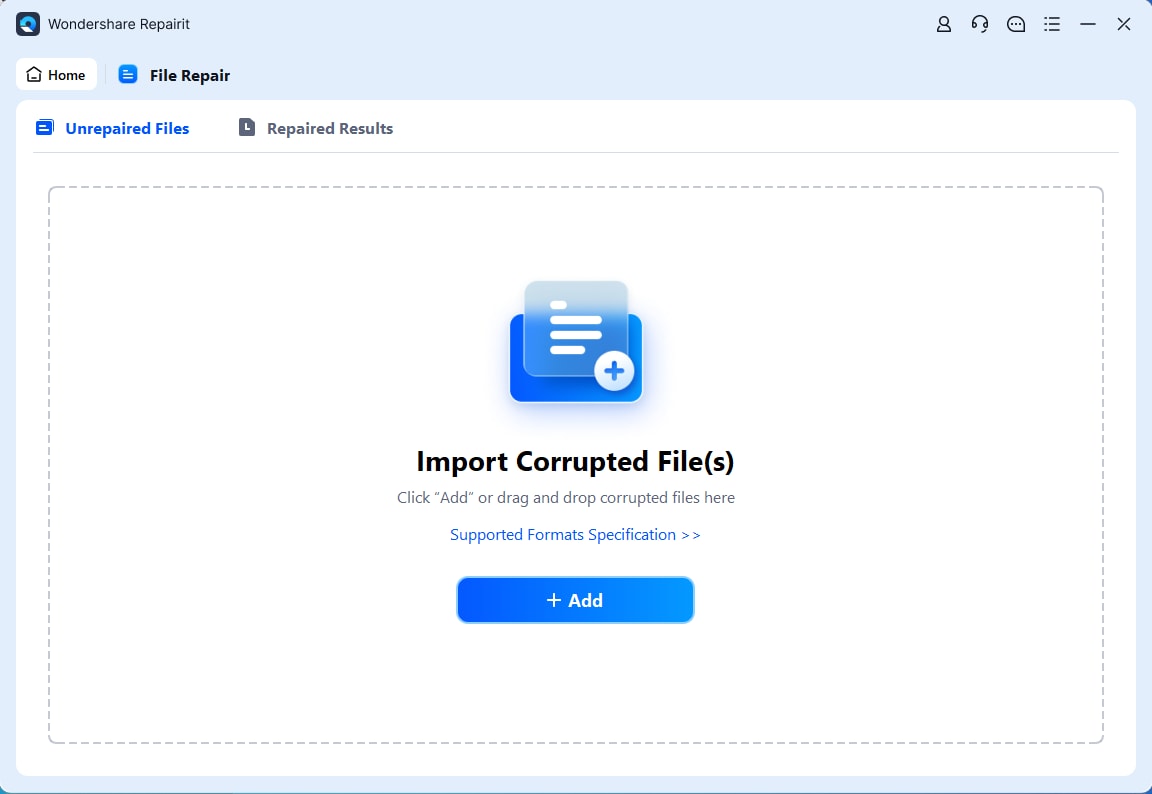
Load your corrupted files on Repairit
Open Wondershare Repairit and select the data recovery and repair module from the main interface. In the drive list, highlight the disk, partition, or removable device that holds your CAD project folders, including the corrupted DXF file. Confirm your selection so Repairit knows exactly where to look for damaged or missing items.
-
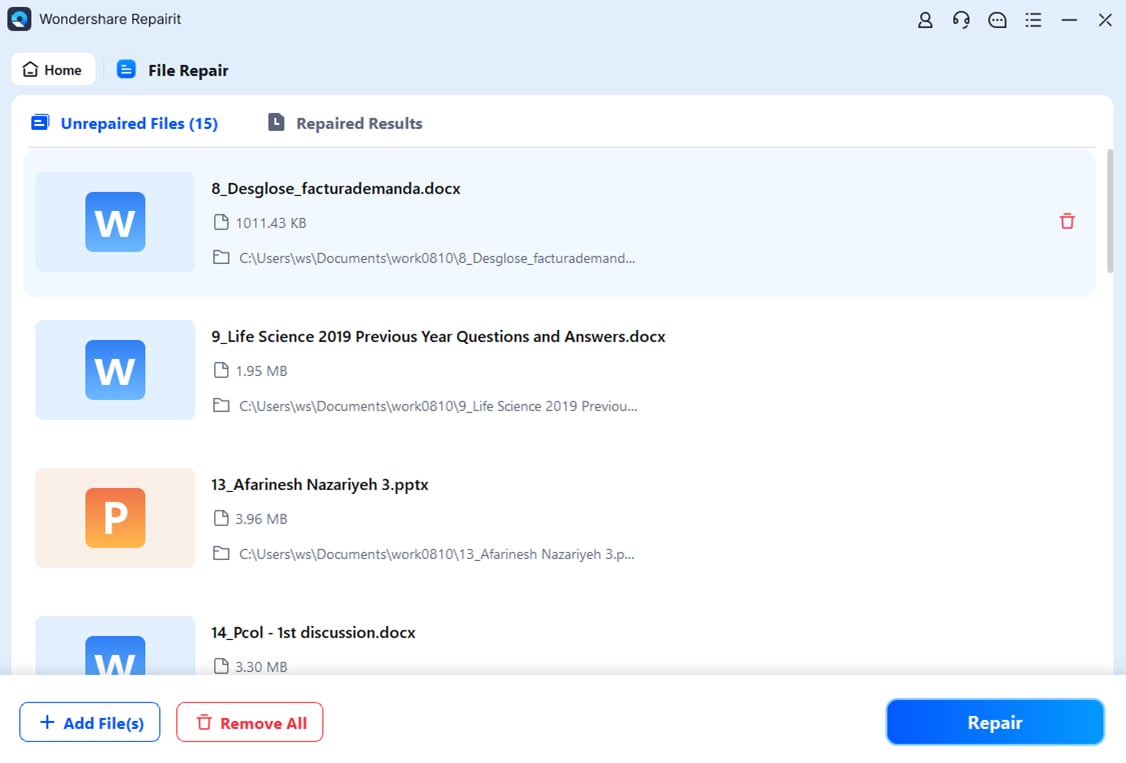
Start the repair process
Start the scan to let Repairit examine the chosen location sector by sector. During this deep analysis, the program searches for lost, overwritten, or corrupted entries that may include exported DXF drawings, reference images, and supporting files. As recoverable data is detected, it appears in the results pane, where you can track progress without interrupting the scan.
-
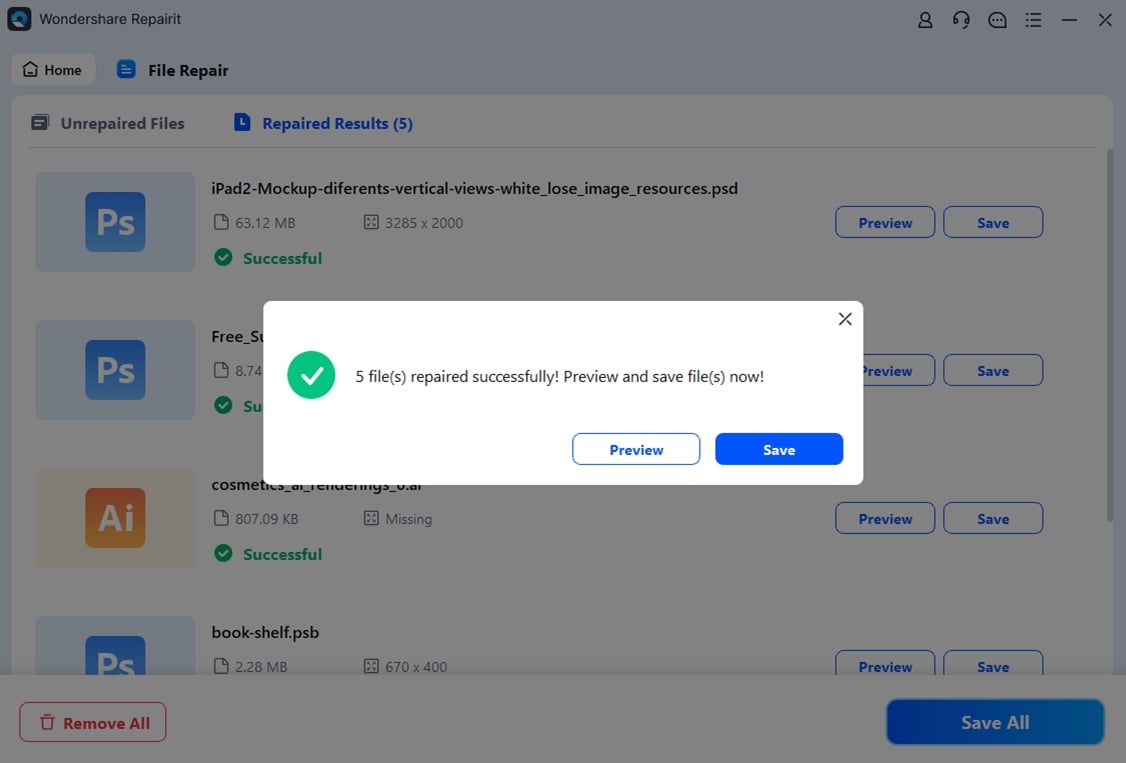
Preview and Save Your Desired Data
When the scan completes, browse through the detected files by type, path, or name to quickly locate your project assets. Use the preview feature where available to confirm that content looks correct and is no longer corrupted. Finally, select the items you want to restore and click the recover button. Save the repaired data to a different, healthy drive to avoid overwriting any remaining information on the original device.
Conclusion
The DXF format remains one of the most important ways to move CAD data between applications, machines, and collaborators. Knowing what a DXF file is, how it structures drawing information, and which tools can open or convert it helps you work confidently across drafting, visualization, and CNC environments.
Even so, disk problems, crashes, and failed transfers can render a DXF file or its related project assets unreadable. Combining regular backups with specialized software like Wondershare Repairit gives you a strong safety net. By scanning the affected drive and recovering damaged files, you can often salvage critical design data and keep your projects on track.
Next: What is Skp File?
FAQ
-
1. What is a DXF file used for in CAD workflows
A DXF file is primarily used to exchange 2D and 3D CAD drawings between different programs. It lets architects, engineers, and manufacturers send geometry, annotations, and layers from one tool to another without being restricted to a single vendor's format. -
2. How can I open a DXF file for free
You can open DXF drawings with free tools such as Autodesk DWG TrueView, LibreCAD, FreeCAD, QCAD, and Inkscape. Many online DXF viewers also let you upload a file and inspect it directly in a web browser. -
3. What is the difference between DXF and DWG
DWG is AutoCAD's native, compact binary format, while DXF is an open exchange format intended for interoperability. DXF files are often larger and may not store every application-specific object, but they are widely supported across CAD, CAM, and CNC software. -
4. Why will my DXF file not open
A DXF file may not open because of version incompatibility, missing fonts or linetypes, incomplete downloads, or actual file corruption. Testing the file in another viewer, converting to a different DXF version, or scanning the storage device for errors can help pinpoint the cause. -
5. Can I repair a corrupted DXF file
In some cases, yes. You can try opening the DXF in multiple CAD programs, importing it into a new drawing, or restoring a previous version from backups. If the corruption is related to broader disk issues, using data repair tools like Wondershare Repairit to scan and recover project files from the affected drive improves your chances of getting usable data back.