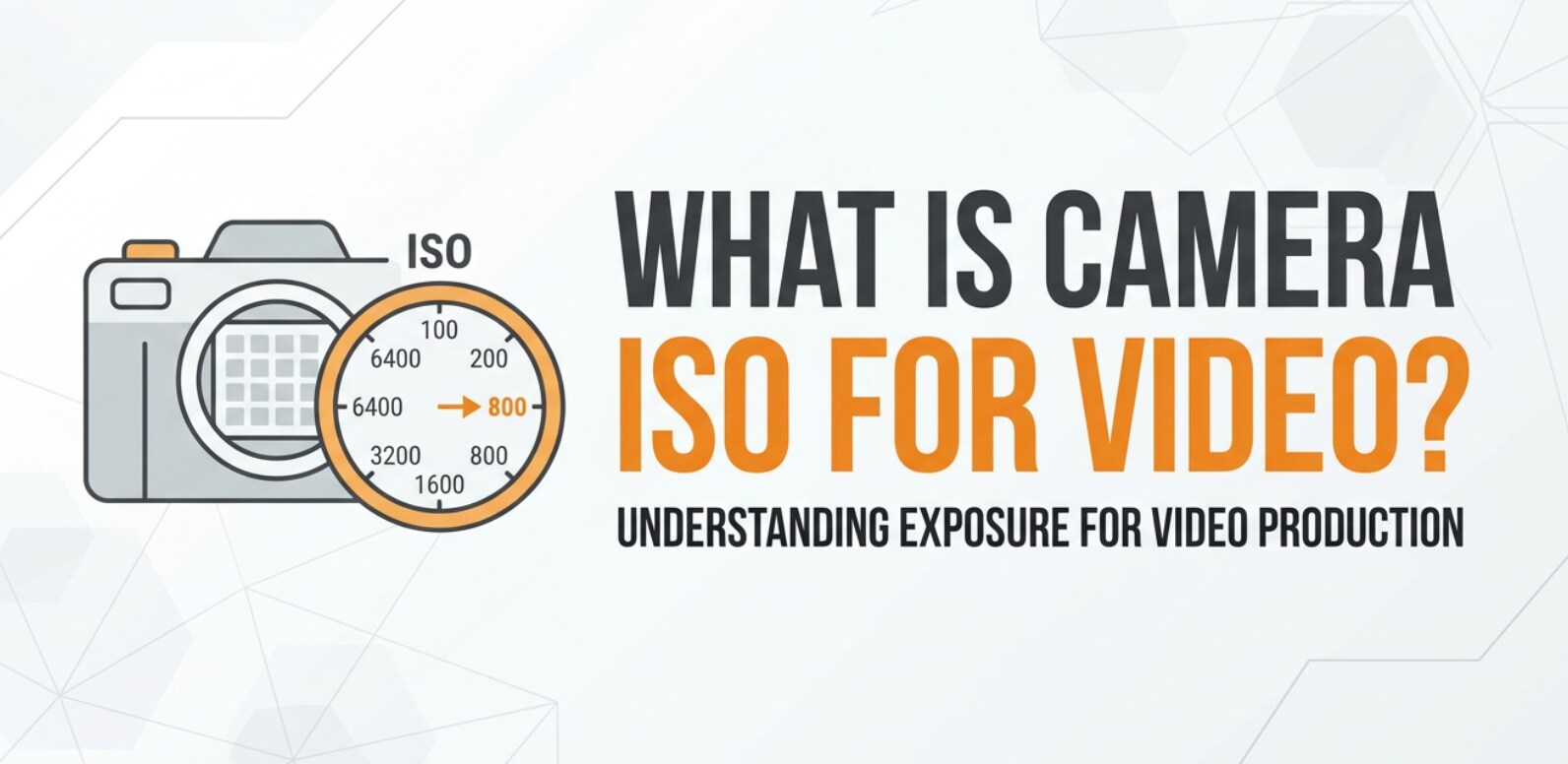
Camera ISO for video is a setting you will see on almost every camera, from mirrorless bodies and DSLRs to cinema cameras and even some smartphones. You will adjust ISO whenever you shoot indoors, film at night, or try to keep your footage clean of grain. Understanding how video ISO settings affect brightness and noise helps you capture clear, professional-looking clips that are easier to edit, export, and share across platforms.
Repair Corrupted Files To Save Your Data
 Security Verified. Over 7,302,189 people have downloaded it.
In this article
What Is Camera ISO for Video?
Camera ISO for video is a technical setting that tells your camera how sensitive its image sensor should be to light while recording motion. It is a core exposure parameter, just like shutter speed and aperture, and it lives in the category of video and image capture settings.
On most camera displays you will see ISO written as numbers such as 100, 400, 800, 1600, 3200, and higher. Lower numbers mean lower sensitivity to light, while higher numbers mean higher sensitivity. When you raise ISO, the camera amplifies the signal coming from the sensor so the picture looks brighter without changing your lens or shutter speed.
For video creation, ISO matters from start to finish: it shapes how clean your original footage looks, how flexible it is in color grading, and how good the final export appears on streaming platforms, TVs, and mobile devices.
What Does Camera ISO for Video Affect?
The main things camera ISO for video affects are brightness, image noise, dynamic range, and how far you can push your footage in editing.
| ISO level | Practical impact on video |
|---|---|
| Low ISO (100–400) | Clean image, minimal ISO noise in video, best for bright conditions, strong detail and color. |
| Medium ISO (800–3200) | Balanced brightness and noise, often the best ISO for video indoors or in shade with decent lighting. |
| High ISO (6400+) | Usable in very dark scenes, but grain, blotchy shadows, and softer detail become obvious. |
Here is what changes as you move through that range:
- Exposure and visibility: Higher ISO exposure video settings brighten faces and backgrounds when you cannot add more light or slow your shutter speed.
- Noise and grain: As ISO climbs, so does sensor noise. This appears as colored specks, dancing grain, or mushy shadows that are very noticeable after exporting or streaming in HD or 4K.
- Dynamic range: At very high ISO, cameras usually lose some detail in bright highlights and deep shadows, making it harder to keep skies, lights, and dark areas all looking natural.
- Color accuracy: High ISO can wash out colors or introduce strange tints, which you will see during color correction and grading.
- Compression and file appearance: Video codecs struggle more with very noisy footage. The encoder may produce extra artifacts and blockiness, especially at low bitrates for social media uploads.
In short, ISO affects how bright your footage is, how clean it looks, and how well it survives heavy editing, recompression, and playback on different platforms.
How Does Camera ISO for Video Work in Real Use?
In real-world shooting, you rarely think about ISO by itself. You use it together with shutter speed, aperture, and lighting to hit the exposure you want while keeping noise at an acceptable level.
ISO in cameras, apps, and editing
You will encounter video ISO settings in many places:
- Mirrorless and DSLR cameras: ISO is usually on a dedicated button or dial. You can choose a single value (like ISO 800) or switch to Auto ISO and let the camera decide while you lock the shutter and aperture.
- Cinema cameras: Many have "native" or "dual native" ISO values that give the cleanest image. Staying close to those base values is a common pro workflow for clean footage and consistent color.
- Smartphones and shooting apps: In manual or "pro" mode, you can set ISO directly instead of letting the phone brighten the scene automatically, which is useful to control grain in low-light video ISO situations.
- Monitoring while recording: As you raise ISO, preview screens, histograms, and waveforms help you see whether you are crushing shadows or clipping highlights.
- Editing, encoding, and exporting: You cannot change the true ISO after recording, but noisy high-ISO clips may require denoising filters, higher bitrates, or different export settings to look acceptable on YouTube, TikTok, or streaming players.
Because ISO is "baked in" at capture time, its impact will follow your footage through color correction, visual effects, encoding, and final playback.
Typical ISO ranges for common shooting scenarios
Here are some everyday examples of how camera ISO for video works in practice:
- Outdoor daylight: ISO 100–400 is enough. You get clean, sharp, low-noise footage, ideal for 4K exports or heavy color grading.
- Indoor scenes with window light: ISO 400–1600 is common. You balance a bright enough image with manageable grain, especially if you are shooting weddings, interviews, or vlogs.
- Event or stage lighting: ISO 1600–3200 (or higher) helps expose performers under spotlights while keeping shutter speed consistent with your frame rate.
- Night streets or dim rooms: ISO 3200–6400+ may be necessary if you cannot add lights or open your aperture further. Expect more iso noise in video and plan some denoising in post.
For smoother workflows, many videographers pick a "ceiling" ISO they are comfortable with and try not to exceed it unless there is no other option. This keeps footage quality, noise, and color behavior predictable across shots, which pays off during editing and final export.
Common Mistakes and Quick Tips
Working with camera ISO for video is simple once you know what to avoid and what to prioritize.
Common ISO mistakes in video
- Relying on Auto ISO for everything and ending up with visible brightness jumps in a single clip.
- Cranking ISO instead of adding light, opening the aperture, or slowing the shutter speed when possible.
- Ignoring your camera's base or native ISO for log or flat picture profiles can add noise and reduce dynamic range unnecessarily.
- Mixing very low and very high ISO clips in one project makes matching shots in color grading much harder.
- Assuming noise can always be fully removed in post, which often leads to soft, plasticky-looking footage after aggressive denoising.
Quick tips for cleaner, more consistent video
- Keep ISO as low as you reasonably can for the scene; use lighting, aperture, and shutter speed first.
- Learn your camera's "comfortable" range, where the best ISO for video quality lives, and treat that as your default.
- Use Auto ISO only when the light changes fast, such as run-and-gun or documentary shooting, and cap the maximum value.
- Turn on exposure aids like zebras, histogram, or waveform to avoid accidentally underexposing and then lifting shadows later.
- Test your typical export path (for example, 4K YouTube or 1080p social clips) to see how much noise is still visible after compression.
Key takeaways: ISO is a powerful tool, but it is not free. More brightness means more noise, so aim for the lowest ISO that still gives a properly exposed, usable image.
How to Use Repairit to Fix a Corrupted Video File
Why use Repairit when your footage is damaged
Even when you perfectly manage camera ISO for video, other issues like power loss, memory card errors, or file transfer problems can leave your clips corrupted or unplayable. In those moments, a dedicated repair tool can save a crucial project. Wondershare Repairit is purpose-built to fix damaged media files from cameras, drones, action cams, and phones. You can learn more and download it from the Repairit official website.
Key features of Wondershare Repairit
- Repair corrupted video issues such as playback errors, stuck frames, or visual glitches from many different recording devices.
- Support for numerous formats, making it easier to fix damaged video files from mirrorless cameras, DSLRs, action cams, and smartphones.
- A guided interface that walks beginners through diagnosis and repair without requiring technical knowledge.
Step-by-step: Repair a corrupted video with Repairit
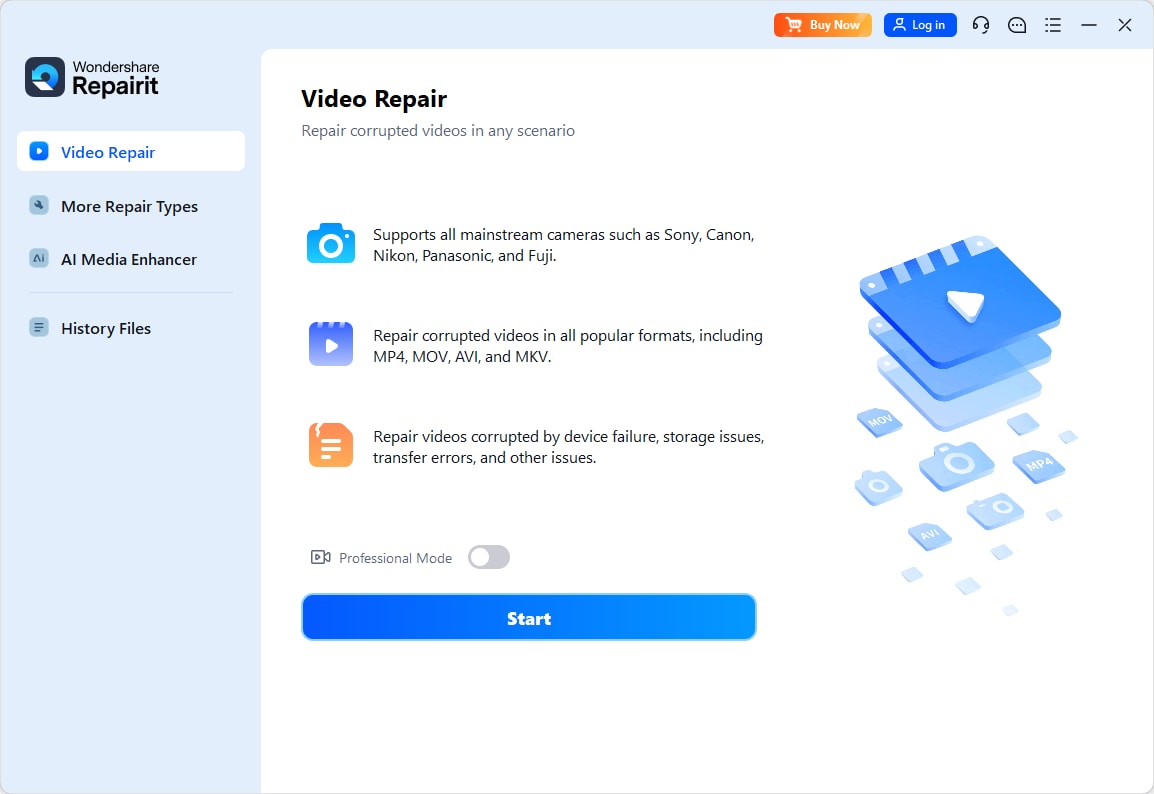
- Add corrupted video files
Install and open Wondershare Repairit on your computer, then go to the Video Repair section. Click the Add button and navigate to the folder that contains your corrupted or unplayable clips. Select the files you want to restore and load them into the program.
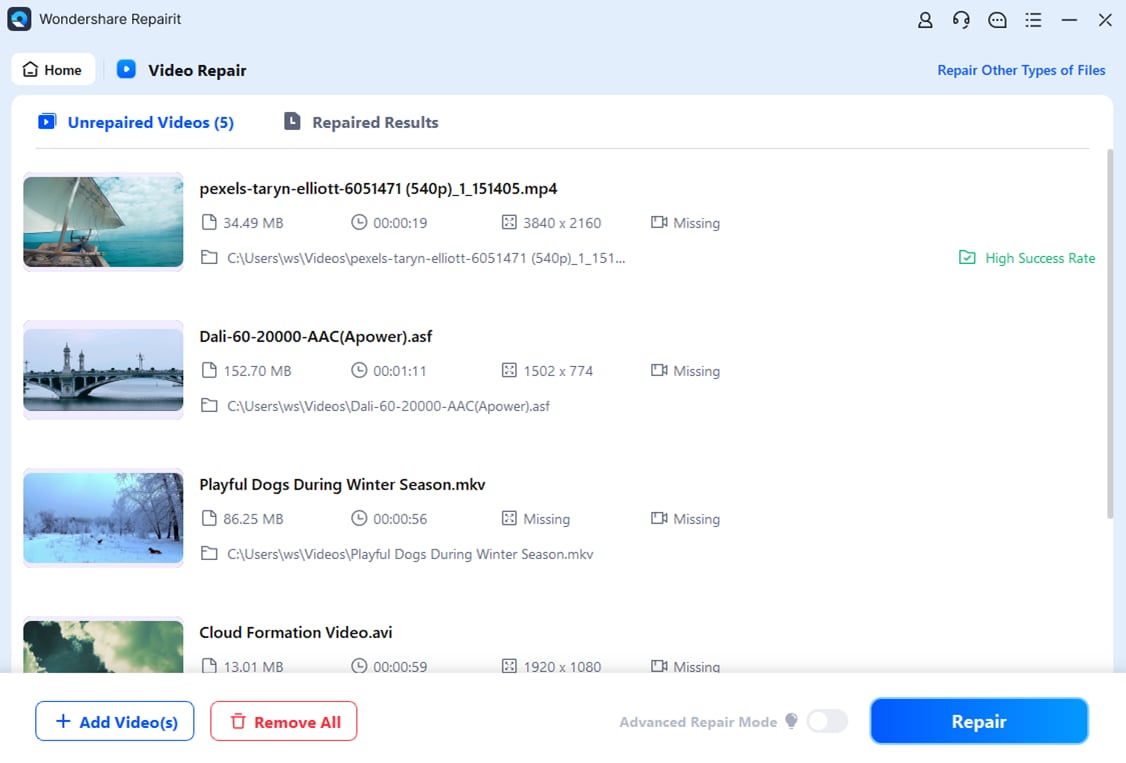
- Repair video files
Once your videos are listed, confirm that all the clips you need are selected, then start the repair process. Repairit analyzes the structure of each file, locates errors that prevent normal playback, and automatically fixes issues like freezes, glitches, or missing frames where possible.
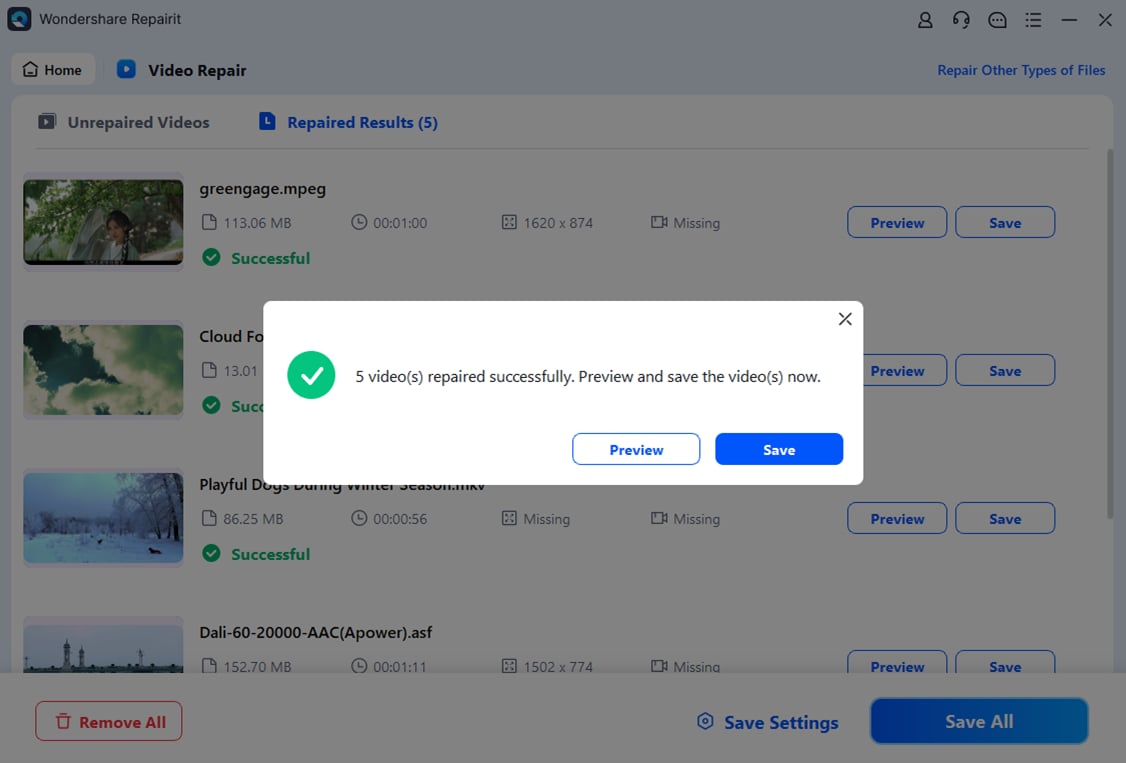
- Save the repaired video files
When Repairit finishes processing, preview the repaired clips directly in the software to check that they play smoothly and look correct. If you are satisfied, choose a safe output folder and save the restored videos, ready to bring back into your editing software, encode, and share.
Conclusion
Managing camera ISO for video is about balancing brightness and noise so your footage looks clean, natural, and consistent from capture to export. By learning how ISO interacts with shutter speed, aperture, and lighting, you can choose values that protect detail, preserve dynamic range, and avoid distracting grain on any viewing platform.
Even with perfect exposure, files can still be damaged by technical problems beyond your control. When that happens, tools like Wondershare Repairit give you a practical way to recover corrupted footage and keep your production on schedule. Combine smart ISO choices with reliable repair software and you will have a more secure, professional video workflow.
Next: What is Field Of View (Fov)?
FAQ
-
1. What is camera ISO for video in simple terms?
Camera ISO for video is a setting that controls how sensitive your camera's sensor is to light while recording. Low ISO values keep the image clean but require more light, while higher ISO values brighten the scene but introduce visible noise or grain. -
2. What ISO should I use for video indoors?
There is no single "best" ISO, but many cameras produce good results between ISO 400 and 1600 indoors. Start with the lowest ISO that gives correct exposure with your chosen shutter speed and aperture, and only increase it if the image is still too dark. -
3. Why does a high ISO make my video look grainy?
At high ISO, the camera amplifies the signal from the sensor, but it also amplifies electronic noise. That noise appears as grain, speckles, and crawling texture, especially in shadows and smooth areas like walls or skies, and it becomes even more obvious after compression. -
4. Is Auto ISO good for shooting video?
Auto ISO can be useful when lighting changes quickly and you do not have time to adjust settings manually. However, it may cause exposure jumps and inconsistent noise levels within a single clip, so many videographers prefer manual ISO for controlled shoots. -
5. Can wrong ISO settings corrupt my video files?
No. Incorrect ISO choices may lead to noisy or badly exposed footage, but they do not corrupt the files. Corruption usually comes from power loss, faulty memory cards, or interrupted transfers. In those cases, specialized tools like Wondershare Repairit can help repair damaged video files.