
A DOTM file is a macro-enabled Microsoft Word template that lets you reuse the same layout, styles, and automated actions across many documents. By storing formatting and VBA macros in one place, DOTM templates can streamline repetitive work, but they may also raise security prompts or become corrupted, making access difficult.
Repair Corrupted Files To Save Your Data
 Security Verified. Over 7,302,189 people have downloaded it.
In this article
What Is DOTM File
A DOTM file is a Microsoft Word macro-enabled template. It is designed to store reusable content such as default text, styles, headers and footers, page layouts, and Visual Basic for Applications (VBA) macros. When you create a new document from a DOTM, Word uses the template as a blueprint so every document starts with the same structure and automated behaviors.
Unlike a standard DOCX document, a DOTM is not usually edited directly. Instead, it lives as a master template in locations like the Word templates folder or a shared network directory. Each time you open it normally, Word spawns a new document based on that template, preserving the original settings, fields, and macro logic.
Because macros can run code on your computer, Word treats macro enabled template files differently from ordinary documents. Depending on your Trust Center settings, you may see security warnings when opening a new DOTM, especially if it was downloaded from email or the web. This is normal behavior intended to protect you from potentially unsafe scripts.
| File Extension | Purpose |
|---|---|
| .dotm | Macro-enabled Word template with reusable layouts and VBA automation. |
| .dotx | Word template without macros, for static layouts and styles only. |
| .docx | Standard Word document for everyday editing and sharing. |
How to Open DOTM Files
Opening a DOTM file is straightforward if Microsoft Word is installed, but your approach will differ depending on whether you want to use the template or edit it directly. You can also convert DOTM templates into standard Word documents when you no longer need macros.
Open DOTM Files in Microsoft Word
Most Windows and macOS systems with Word installed will associate DOTM files automatically. That means you can usually double-click the file, and Word opens a new document based on that template. This keeps the master template intact and lets you work on a fresh copy.
To take more control over how you open and use the template, follow these options:
- Open as a new document from the template: Locate the DOTM file in File Explorer or Finder, then double-click it. Word launches a new document, typically named "Document1" or similar, built from that DOTM.
- Open the actual template for editing: In Word, go to File > Open, browse to the DOTM file, and select it. If you need to modify the master template itself, use File > Save instead of Save As so changes stay in the DOTM.
- Use from the New document gallery: Save the DOTM in your Word templates folder. Then choose File > New, find your custom template in the gallery, and create new documents from it on demand.
- Enable or block macros: When Word displays a security banner about macros, choose "Enable Content" only if you trust the source. Otherwise, leave macros disabled or close the file.
If you do not have Word, some alternative suites can open the textual parts of a DOTM, but they typically ignore embedded VBA macros. For full macro support, you need Microsoft Word from Microsoft 365, Office 2021, 2019, or earlier compatible versions.
Change DOTM to Other Word Formats
Sometimes you no longer need macro automation and prefer a standard document format that is easier to share. In that case, you can convert a DOTM file into DOCX or DOTX from inside Word.
- Convert DOTM to DOCX: Open the DOTM as a new document, then go to File > Save As and choose "Word Document (*.docx)". This creates a regular document without template behavior. Macros are not stored in DOCX, so automation is stripped or disabled.
- Convert DOTM to DOTX: If you want to keep template features but remove macros, open the DOTM and use File > Save As > "Word Template (*.dotx)". This saves layout and styles but drops macro functionality.
- Save as PDF for distribution: To preserve layout while preventing edits, use File > Save As > "PDF". This is ideal when you share documents based on a DOTM but do not want recipients to access macro code.
When converting away from DOTM, always keep an original copy of the template. That way, you can return to the macro-enabled version if you later need the automated features again.
Common DOTM File Errors
Because DOTM templates can include complex macros and may be stored on network drives or external devices, they are more vulnerable to corruption and security restrictions than simple documents. When something goes wrong, you might see error messages, unexpected crashes, or missing content.
Typical DOTM Error Messages
Common problems with DOTM file templates often present as short but confusing alerts in Word. Recognizing them helps you decide whether the issue is about security, compatibility, or actual file damage.
- "Word cannot open the file because the file format does not match the file extension": This may appear if the file header is damaged or the file was renamed incorrectly.
- "The file is corrupted and cannot be opened": Indicates serious internal corruption, often caused by sudden system shutdowns, disk errors, or interrupted saves.
- "Macros have been disabled": Word's macro security has blocked VBA code inside the DOTM, usually when the source is untrusted or comes from the internet.
- Word crashes or freezes when opening the template: Faulty macros or corrupted template elements can cause Word to stop responding at startup.
- Template loads but formatting is broken: Styles, fields, or layout settings may be partially damaged even if basic text still appears.
Quick Fixes for Minor DOTM Problems
Not every issue with a DOTM file requires advanced repair. In many cases, you can restore access using built-in Word tools or basic troubleshooting steps before moving to a dedicated repair solution.
- Copy the template locally: If the DOTM is on a network share or USB drive, copy it to your desktop first. Network interruptions or failing drives can cause read errors that disappear once the file is stored locally.
- Use Open and Repair: In Word, choose File > Open > Browse, select the DOTM, click the arrow next to Open, and pick "Open and Repair". Word attempts to fix minor structural issues automatically.
- Disable problematic add-ins: Third-party add-ins may conflict with macro-enabled templates. Temporarily disable them under File > Options > Add-ins and test again.
- Start Word in Safe Mode: Hold Ctrl while launching Word or run "winword /safe". Then try opening the DOTM to see if the problem is related to your environment rather than the file itself.
- Recover content into a new template: If the DOTM opens partially, create a new blank DOTM, then copy styles and building blocks manually. Save and test whether the new template behaves normally.
If the template still refuses to open, shows severe corruption, or contains critical content that you cannot recreate, it is safer to use a professional repair utility that can scan and rebuild damaged DOTM data.
How to Use Repairit to Fix a Corrupted DOTM File
Why Use Repairit for DOTM Repair
When your DOTM file is badly corrupted and Word cannot repair it, manual fixes quickly reach their limits. In these situations, a dedicated repair utility can analyze the underlying data structure and attempt to reconstruct a usable template. Wondershare Repairit is designed exactly for this purpose, offering a straightforward way to recover damaged Office files alongside photos, videos, and other documents.
Instead of experimenting with risky tricks on your only copy of a DOTM template, you can let Repairit scan the drive or folder where it is stored and rebuild as much content as possible. To learn more or download the latest version, visit the Repairit official website.
Step-by-Step: Repair DOTM Files with Repairit
Key features of Repairit for DOTM templates
- Repairs a wide range of corrupted documents, including macro-enabled templates like DOTM, alongside photos, videos, and other file types.
- Scans local disks, external drives, memory cards, and specific folders to locate and analyze damaged files wherever they are stored.
- Lets you preview repaired DOTM file content and other documents before saving, so you only recover what you actually need.
Step-by-step guide to repair DOTM files
-
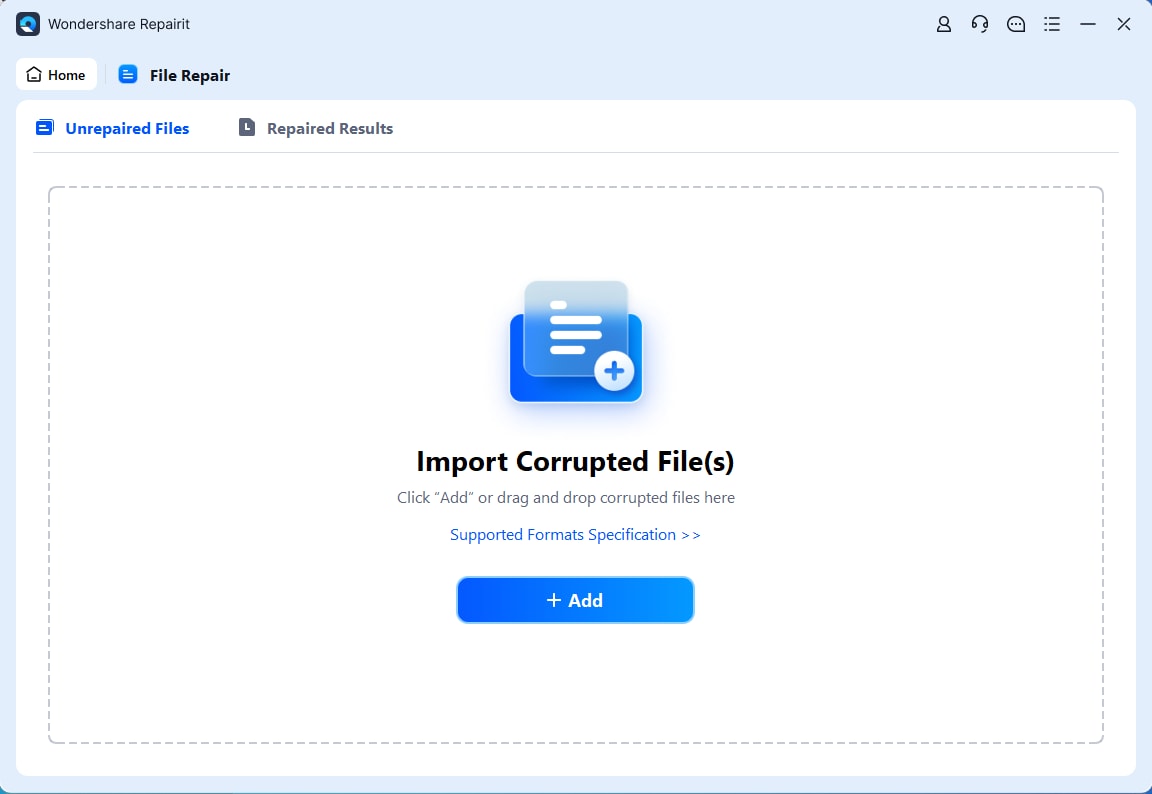
Load your corrupted files on Repairit
-
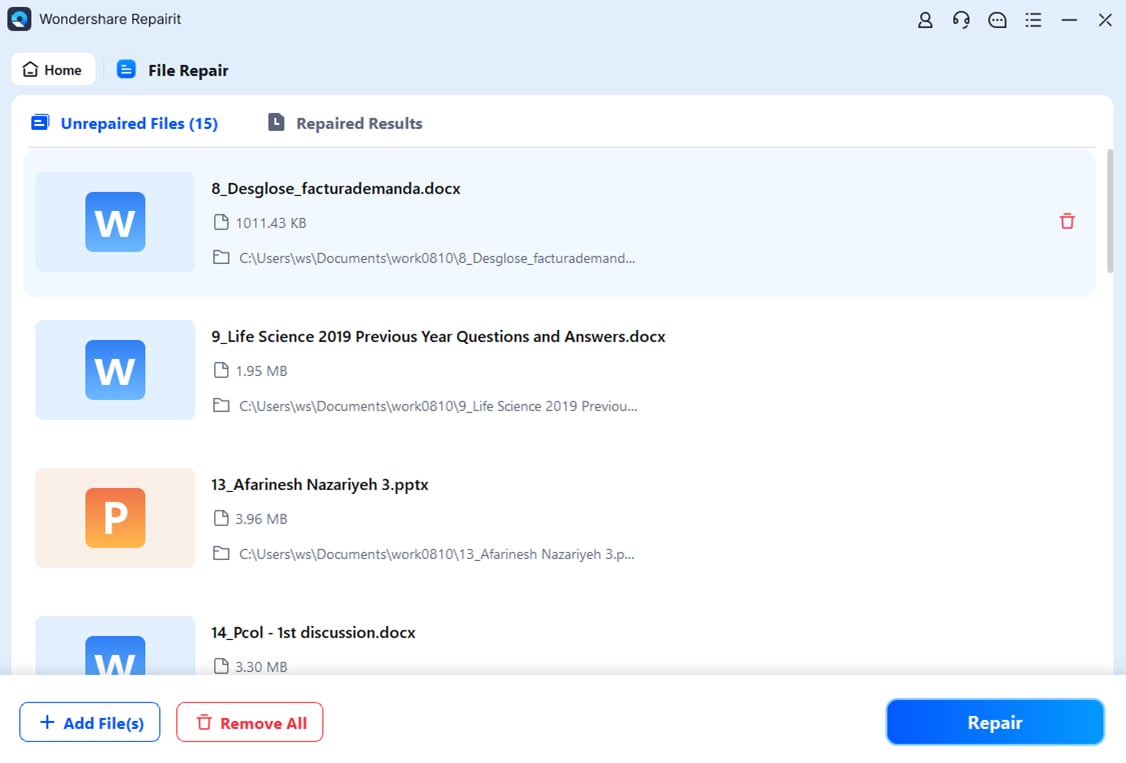
Start the repair process
-
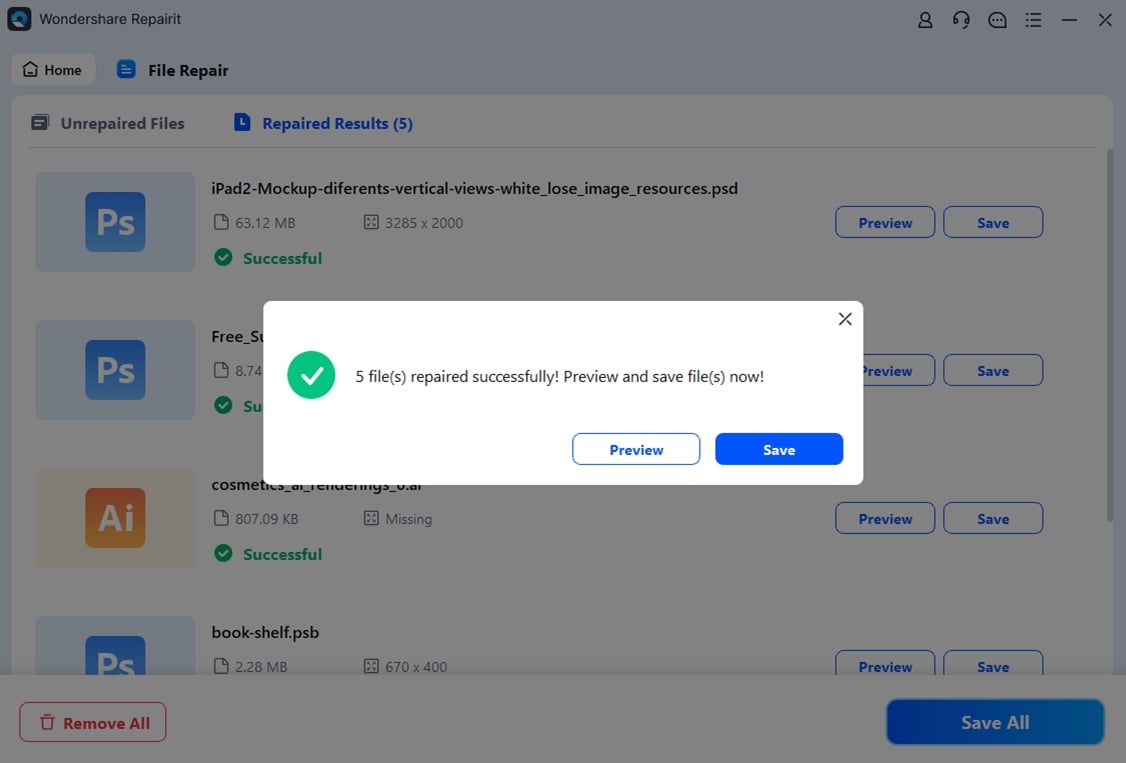
Save Your Desired Data
Conclusion
DOTM files are macro-enabled Word templates that make it easier to standardize layouts and automate repeated tasks across your documents. Understanding what a DOTM is, how to open it correctly, and how to manage macro security lets you enjoy these benefits without exposing your system to unnecessary risk.
When a DOTM file fails to open, shows error messages, or loses important formatting, basic Word tools may not be enough. In those cases, a specialized repair solution such as Wondershare Repairit can scan your storage, reconstruct damaged templates, and help you get back to work with minimal disruption.
FAQ
-
1. What is a DOTM file in Microsoft Word?
A DOTM file is a Microsoft Word macro-enabled template that stores layouts, styles, default content, and VBA macros. When you create a new document from a DOTM, Word uses the template as a blueprint so every new document starts with the same structure and automated actions. -
2. How do I open a DOTM file safely?
To open a DOTM file, double-click it if Word is installed, or use File > Open from within Word. When a security banner appears, only enable macros if you trust the source. If the file is from email or the web and you are unsure about its origin, keep macros disabled or verify with the sender first. -
3. Why does my DOTM file not open in Word?
A DOTM file might fail to open if it is corrupted, stored on a failing or disconnected drive, blocked by macro security, or created in a newer Word version with unsupported features. Try copying it to a local folder, updating Word, using "Open and Repair," or, if the problem persists, repair the file with a tool like Wondershare Repairit. -
4. Can I convert DOTM to DOCX without losing content?
Yes. Open the DOTM in Word, then use File > Save As and choose DOCX. Text, formatting, and most layout elements are preserved, but macros and template-specific behavior are removed because DOCX does not support VBA code. Keep a backup of the original DOTM if you still need automation. -
5. How can I repair a corrupted DOTM template?
First, try Word's built-in "Open and Repair" option and test the file in Safe Mode. If the DOTM remains unreadable or key content is missing, use a dedicated repair solution such as Wondershare Repairit to scan the storage location, reconstruct damaged data, and restore a working version of your template.