
Choosing between Repairit vs SysTools Video Repair comes down to how you like to work and how damaged your clips are. Repairit focuses on a guided, user-friendly experience for a wide range of corruption issues, while SysTools Video Repair takes a more traditional, utility-style desktop approach. In this comparison, we will look at features, workflow, and typical use cases so you can decide when Repairit is worth adopting and when SysTools Video Repair may already cover your standard repair tasks.
Repair Corrupted Files To Save Your Data
 Security Verified. Over 7,302,189 people have downloaded it.
In this article
- Repairit vs SysTools Video Repair: Quick Verdict
- Repairit vs SysTools Video Repair: Key Differences
- Repairit vs SysTools Video Repair: Comparison Table
- What Repairit and SysTools Video Repair Are Best For
- Repairit vs SysTools Video Repair: Features and Capabilities
- Repairit vs SysTools Video Repair: Supported Formats and Compatibility
- Repairit vs SysTools Video Repair: Workflow and Ease of Use
- Repairit vs SysTools Video Repair: Pricing and Trial Options
- Who Should Choose Repairit
- Who Should Choose SysTools Video Repair
- Pros and Cons of Repairit and SysTools Video Repair
- How to Repair Corrupted Videos After Choosing the Right Tool
Repairit vs SysTools Video Repair: Quick Verdict
For users comparing video repair software for Windows, the choice between Repairit and SysTools Video Repair usually depends on how much guidance you want and how often you repair corrupted videos.
Repairit tends to suit people who want a modern interface, clear steps, and flexibility to handle both minor glitches and more severe playback issues. SysTools Video Repair, by contrast, fits users who are comfortable with classic Windows utilities and mainly fix straightforward, everyday video problems.
If you regularly handle mixed sources of footage or help others troubleshoot unplayable video files, Repairit can be a better fit. If you only occasionally fix standard desktop clips and prefer a more traditional layout, SysTools Video Repair may already cover your needs.
Repairit vs SysTools Video Repair: Key Differences
While both tools aim to repair corrupted videos, they differ in a few important ways that shape your workflow.
- Positioning and audience: Repairit targets users who value a guided, visually clear experience across many corruption scenarios. SysTools Video Repair positions itself as a utility-style option for users who like classic business software.
- Interface style: Repairit offers a more modern, streamlined layout. SysTools Video Repair follows a traditional Windows utility design that may feel familiar but less polished.
- Repair depth focus: Repairit is generally aligned with more complex or severe corruption scenarios, while SysTools Video Repair often focuses on common, moderate issues in typical office or home videos.
- Workflow guidance: Repairit emphasizes a step-driven flow with clearer prompts. SysTools Video Repair gives you a straightforward path but with less on-screen guidance.
- Typical use cases: Repairit is suitable for creators, teams, and support roles. SysTools Video Repair suits users who occasionally fix files in a broader desktop toolkit.
Repairit vs SysTools Video Repair: Comparison Table
| Dimension | Repairit | SysTools Video Repair |
|---|---|---|
| Best for | Users needing a guided experience for a wide range of video corruption issues | Users comfortable with classic Windows repair suites handling standard desktop cases |
| Ease of use | Modern, streamlined interface with clearer guidance | Traditional utility look that may feel familiar to long-time Windows users |
| Repair depth | Generally better aligned with more complex or severe corruption scenarios | Practical for common, moderate corruption in everyday files |
| Workflow | Simplified, step-driven workflow for quick repairs | Traditional and moderate workflow similar to other desktop utilities |
| Strengths | Guided interface, broad use cases, suitable for mixed skill levels | Clear problem-solution framing, straightforward for standard repair needs |
| Weaknesses | May feel more than you need for occasional minor fixes | Interface and messaging may feel less modern or polished |
What Repairit and SysTools Video Repair Are Best For
SysTools Video Repair positions itself as a utility-style desktop repair product with a business-software tone, best for users comfortable with classic Windows repair suites. Compared with the more guided style of Repairit, SysTools appeals to those who prefer familiar, straightforward tools for everyday video repair tasks.
Repairit, on the other hand, tends to be chosen when users need to handle a variety of issues, from clips that will not play at all to videos with playback glitches, and want more help from the interface at each stage.
Repairit vs SysTools Video Repair: Features and Capabilities
Both tools share the same overall goal: fix unplayable video files so you can watch or reuse them again. How they present these capabilities is different.
Both Repairit and SysTools Video Repair aim to restore corrupted or unplayable video files, but they differ in how they present options and support users through the process. Repairit leans into clarity and guidance, while SysTools Video Repair emphasizes a traditional utility layout with clear problem-solution flows for standard cases.
Core capabilities you can generally expect from both include:
- Repair corrupted or unplayable video files from common formats
- Desktop-based repair workflow suitable for Windows environments
- Straightforward problem-solution approach to fixing typical issues
Where they diverge is in how advanced or guided the process feels:
- Repairit focuses on guided steps that support more complex scenarios, with more visual cues and preview options.
- SysTools Video Repair offers a moderate, utility-like workflow familiar to business users who prefer simple, form-based interfaces.
- Both tools can be combined with other utilities in a broader desktop toolkit when needed, especially in office or IT environments.
Repairit vs SysTools Video Repair: Supported Formats and Compatibility
Both tools are designed to handle widely used video formats from consumer cameras, phones, and desktop workflows. Repairit typically emphasizes broader, user-facing compatibility messaging, while SysTools Video Repair focuses on practical coverage for common Windows-based video files used in office and everyday environments.
In most cases, if you work with standard formats from phones, action cameras, or basic editing software, either tool should be able to attempt repairs. If you work with a more varied mix of sources or expect unusual formats, checking each vendors current format list before choosing is a good idea.
Repairit vs SysTools Video Repair: Workflow and Ease of Use
Workflow is one of the clearest differences when weighing Repairit vs SysTools Video Repair.
Repairit offers a modern, streamlined flow that guides you from file selection to preview and export with minimal guesswork. Buttons, messages, and progress indicators are designed to walk you through, which tends to help beginners and busy users who do not want to interpret technical terms.
SysTools Video Repair follows a more traditional and moderate workflow, where options feel like a classic Windows utility: less handholding, but familiar for users used to business-style software. This can feel efficient if you already know roughly what to click, though it may feel less intuitive for occasional or non-technical users.
Repairit vs SysTools Video Repair: Pricing and Trial Options
Both Repairit and SysTools Video Repair are usually offered as paid desktop tools, often with trial or demo modes so you can test basic repairs before committing. Pricing structures can differ by license type, so it makes sense to compare current offers on each vendors site and factor in how often you expect to use video repair.
For most people, a trial is the safest way to see whether a tool suits your video repair workflow, especially if you work with a mix of file types or you are not sure how severe your corruption issues are.
Who Should Choose Repairit
Repairit is likely to be a stronger option if the following points resonate with you:
- Users who want a guided, modern interface for handling corrupted videos
- People dealing with a mix of minor and more severe video corruption issues
- Creators and teams who repair videos frequently and value a smooth workflow
- Users who prefer clear, visual cues and previews throughout the repair process
Who Should Choose SysTools Video Repair
SysTools Video Repair can be a practical choice for those who like traditional, utility-style software and do not mind a less modern interface as long as it gets the job done. It tends to work well as part of a broader toolbox for managing Windows files in office or home setups.
You may lean toward SysTools Video Repair if:
- Users comfortable with classic Windows repair suites and utility-style tools
- Business or office users who repair standard desktop video files occasionally
- People who prefer clear problem-solution framing without extra visual layers
- Those who do not mind an interface that feels less modern as long as it works
Pros and Cons of Repairit and SysTools Video Repair
Looking at pros and cons side by side helps clarify which video repair tool aligns better with your expectations and habits.
Repairit Pros and Cons
SysTools Video Repair Pros and Cons
How to Repair Corrupted Videos After Choosing the Right Tool
Once you have compared Repairit vs SysTools Video Repair and decided which approach fits your workflow, the next step is actually fixing your damaged clips. Even if you keep both tools on hand, having a clear process helps you move from comparison to real results.
For users who prefer a guided experience, Repairit offers a practical way to walk through each stage, from adding broken files to checking the repaired output.
Repairit Introduction
Repairit is built to make restoring damaged video playback feel manageable whether you are an editor, content creator, or someone just trying to watch a family clip again. Instead of asking you to understand technical terms, it focuses on clear actions and visual feedback so you can see what is happening at each step.
Key Features
Some key capabilities that support this guided approach include:
- Intuitive interface for repairing damaged video files
- Preview options to check repaired clips before saving
- Support for various common video formats and scenarios
Step-by-step guide
Here is how a typical repair flow looks in Repairit after you have chosen it as your main tool.
- Add corrupted videos
Launch Repairit and import the video files that are not playing correctly by dragging them into the window or using the add button.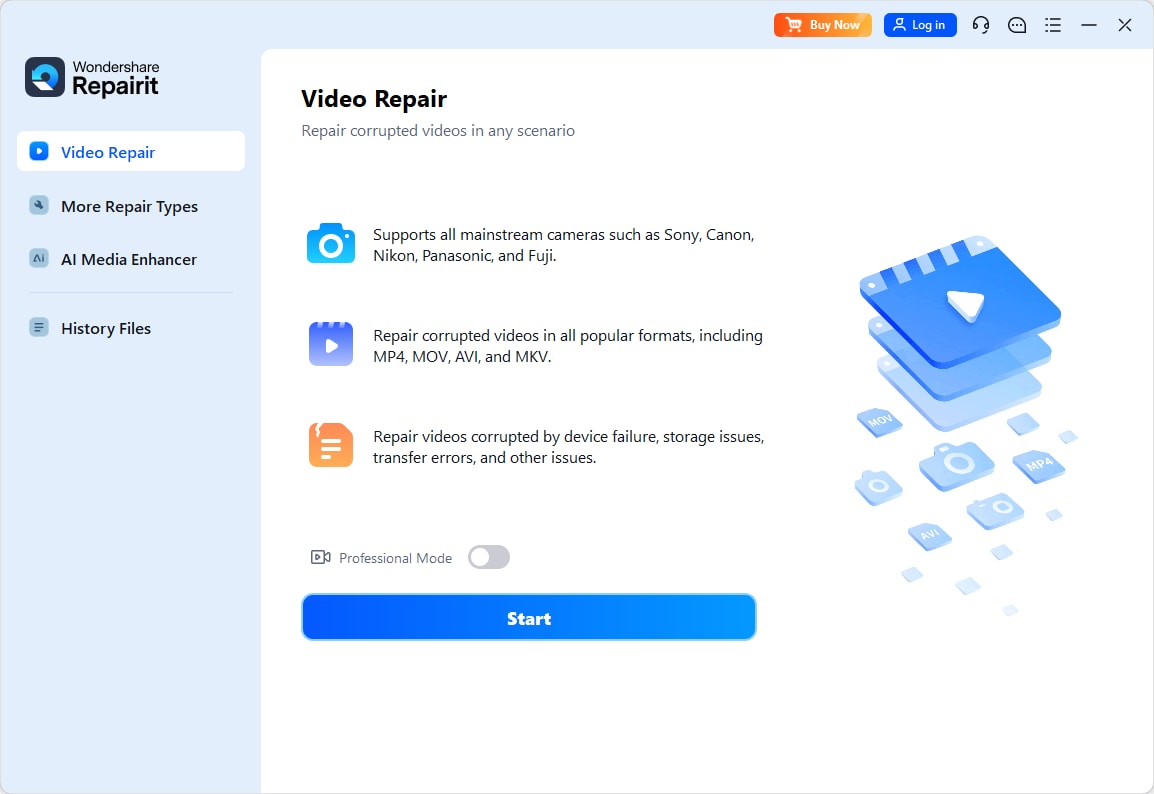
- Run the repair
Select the repair option to let Repairit analyze and process your clips. The software guides you through any additional selections if they are required for your situation.
- Preview and export
When the repair finishes, preview the output inside Repairit. If the playback looks acceptable, save the fixed video to a safe folder on your computer.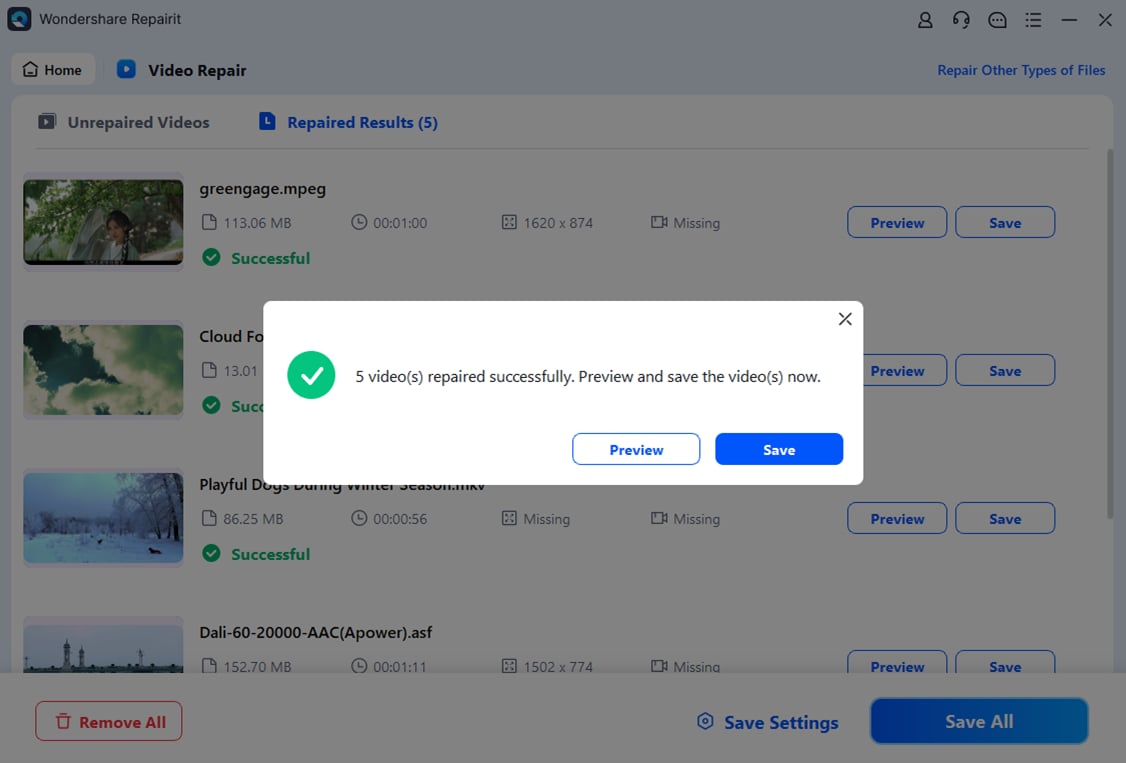
Final Verdict
Repairit is a stronger choice for users who want a modern, guided experience and need flexibility for a range of corruption levels, from everyday glitches to more severe issues. Its workflow and design help reduce trial and error, which is valuable if you repair videos frequently or support less technical colleagues.
SysTools Video Repair may be enough if you prefer a classic Windows utility feel, mainly handle standard desktop video files, and are comfortable with a more traditional, moderate workflow. In many cases, the right pick comes down to whether you value a familiar business-style tool or a more guided, user-focused repair experience.
For many workflows, trying both tools on sample files and observing which one feels clearer and more dependable in your environment is the most reliable way to decide.
FAQ
-
1. How does Repairit compare to SysTools Video Repair for beginners?
Repairit is generally easier for beginners because of its guided interface and clearer prompts, while SysTools Video Repair tends to suit users who are already comfortable with traditional Windows utilities and do not mind a more technical feel. -
2. Is SysTools Video Repair a good alternative to Repairit for basic issues?
SysTools Video Repair can be a good alternative to Repairit if you mainly fix moderate, everyday video corruption and prefer a straightforward, utility-style desktop tool without many extra visual elements. -
3. When should I choose Repairit over SysTools Video Repair?
You may want to choose Repairit if you repair videos frequently, expect more severe or varied corruption, or prefer an interface that offers clear guidance, visual progress, and previews before you save the repaired file. -
4. Can I use both Repairit and SysTools Video Repair in the same workflow?
Yes, some users run quick fixes with SysTools Video Repair for simple issues and turn to Repairit when they need a more guided approach or when initial repairs are not sufficient for heavily corrupted clips. -
5. Do I need technical knowledge to use these video repair tools?
Both tools can be used without deep technical knowledge, but Repairit leans more toward non-technical users with its step-by-step design, while SysTools Video Repair may feel more natural to people already familiar with classic Windows utilities.