
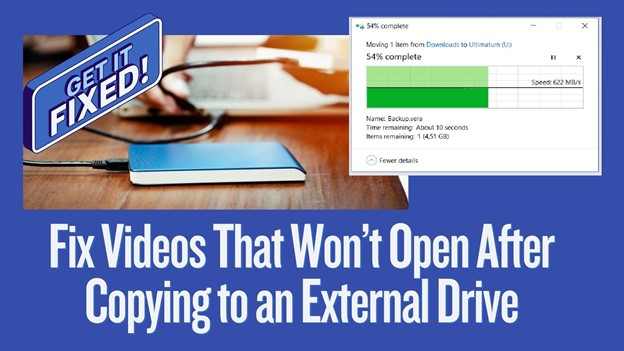
If your videos won't open after copying to an external drive, you're dealing with a fairly common issue linked to file transfer errors or storage device problems. Many users encounter this after moving large video files to external hard drives for backup or portability.
In most cases, the video isn't completely lost---it's just become partially corrupted during the transfer process. This guide explains why external drive video corruption happens and how to fix it step by step.
In this article
Why Videos Won't Open After Copying to an External Drive
When copying videos to an external drive, several things can go wrong behind the scenes.
Common Causes:
- Interrupted file transfer (disconnecting the drive too early)
- Corrupted external drive sectors
- File system incompatibility (NTFS, exFAT, FAT32)
- Incomplete copying process
- Power supply interruptions
- Damaged USB cable or port
External Drive--Specific Issues:
External drives are more prone to errors due to:
- Sudden unplugging without safe ejection
- Unstable power supply (especially portable drives)
- Cross-device compatibility problems (Windows ↔ Mac)
Even if the file size looks correct, the internal structure of the video may already be damaged.
How the Issue Appears
External drive video corruption doesn't always look the same. You may notice:
- Video won't open at all
- Error messages like "file format not supported."
- Black screen during playback
- Video freezes or crashes the player
- Audio missing or out of sync
- File appears normal, but won't play
These symptoms usually indicate that the file structure was affected during copying.
Basic Fixes to Try First
Before using advanced repair methods, try these simple fixes:
- Copy the File Again - Reconnect your external drive and re-copy the video from the original source. If the original file works, the first transfer likely failed.
- Try a Different Media Player - Some players can handle partially corrupted files better than others.
- Move the File to Your Computer - Copy the video from the external drive back to your PC and try opening it locally.
- Check the External Drive for Errors - Scan the drive for file system issues using built-in tools.
- Restart Your Device - Temporary system glitches can sometimes prevent files from opening.
Fix Based on External Drive Scenario
External drives introduce specific risks that can lead to video corruption during copying.
Why External Drives Cause This Issue
- File transfers may be interrupted due to loose USB connections
- Drives may use incompatible file systems across devices
- Power loss during transfer can damage the file structure
Fix 1. Use a Different USB Port or Cable
Step 1. Disconnect the external drive from your current USB port.
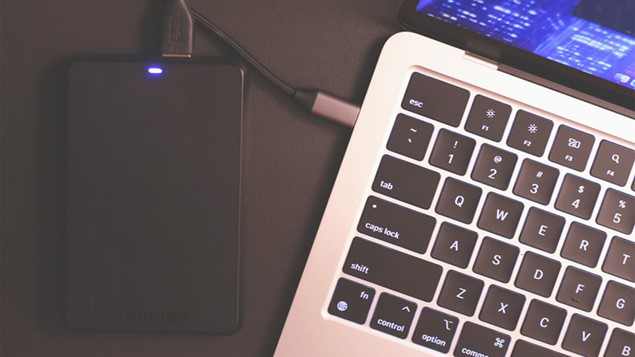
Step 2. Connect it to another port or use a different USB cable, then try accessing the video again.
💡Why this works: A weak or unstable connection can interrupt data transfer, leading to incomplete or corrupted video files.
Fix 2: Avoid Copying Large Files All at Once
Break transfers into smaller batches to reduce risk.
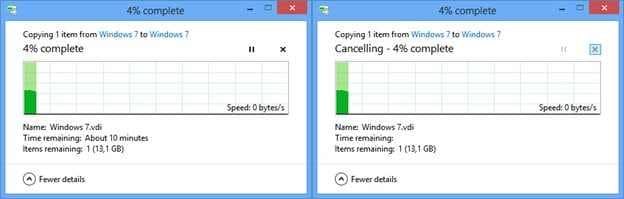
Step 1. Select smaller batches of video files instead of transferring everything at once.
Step 2. Copy each batch separately and wait for each transfer to fully complete.
💡Why this works: Large transfers increase the risk of interruption, which can corrupt files during the copying process.
Fix 3: Check File System Compatibility
Step 1. Right-click the external drive and open Properties to check its file system format.
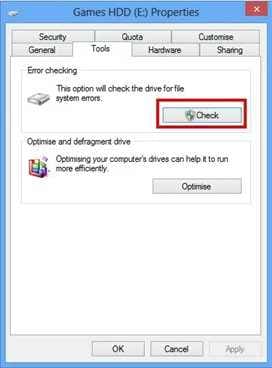
Step 2. Ensure the format (e.g., exFAT) is compatible with all devices you're using.
💡Why this works: Incompatible file systems can cause files to become unreadable or behave unexpectedly after transfer.
Fix 4: Safely Eject the Drive Every Time
Step 1: Click the "Safely Remove Hardware" option on your computer.
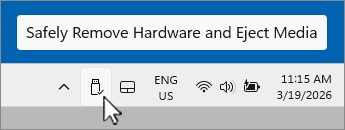
Step 2: Wait for the confirmation before unplugging the external drive.
💡Why this works: Removing a drive while data is still being written can damage file structure and cause corruption.
Fix 5: Test the Drive on Another Computer
Step 1. Connect the external drive to a different computer.
Step 2. Try opening the same video file on that device.
💡Why this works: This helps determine whether the issue is with the file itself or a problem with your original system.
Advanced Fix: Repair the Corrupted Video
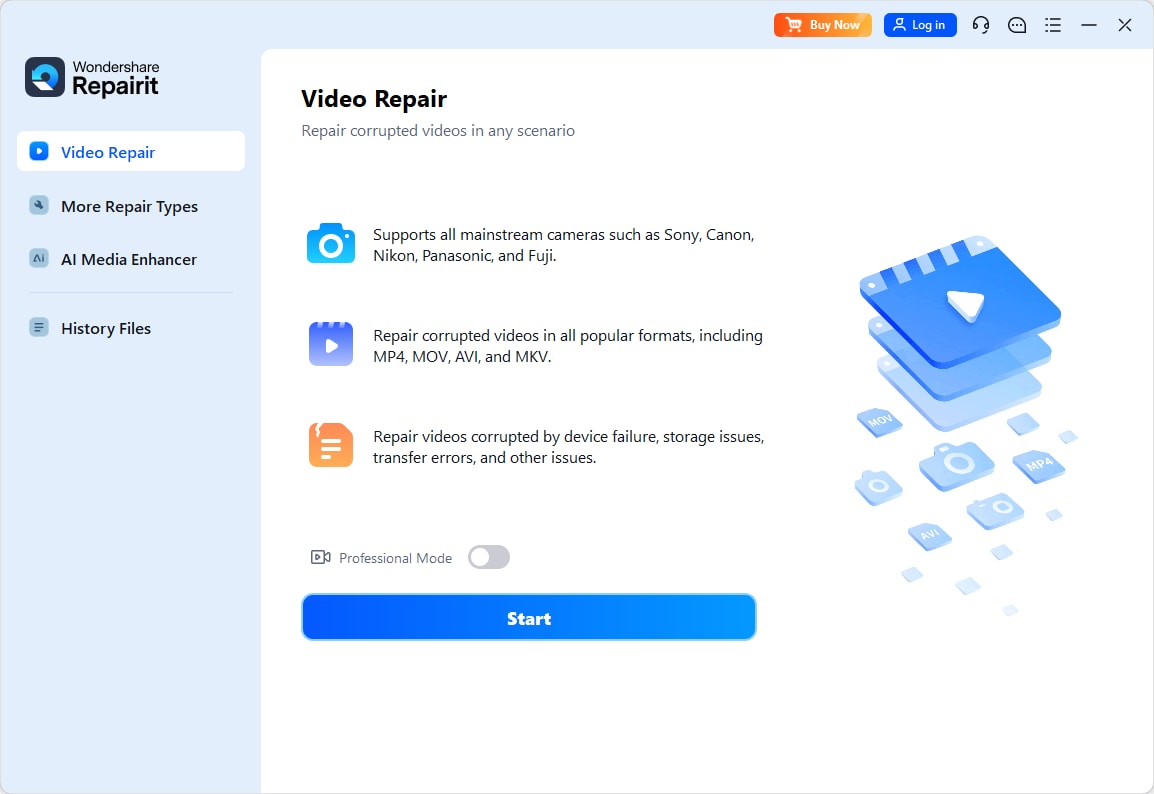
If the video still won't open, it likely has structural corruption that basic fixes can't resolve. In this case, using a dedicated video repair solution like Repairit Video Repair is often the most effective approach.
This repair tool can:
- Rebuild the damaged video structure
- Restore playback functionality
- Fix black screen, freezing, or missing audio
- Support formats like MP4, MOV, AVI, and more
Step 1. Add the corrupted video file.
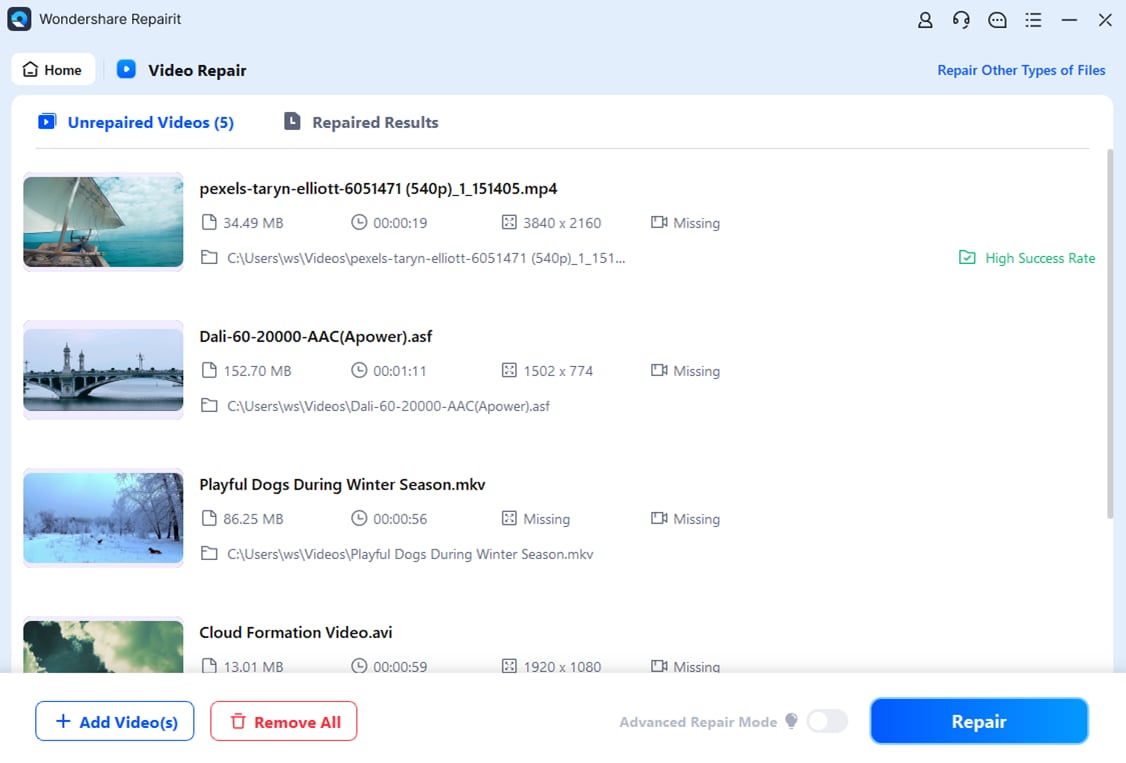
Step 2. Run the repair process.
Step 3. Preview the repaired result, then save the fixed video.
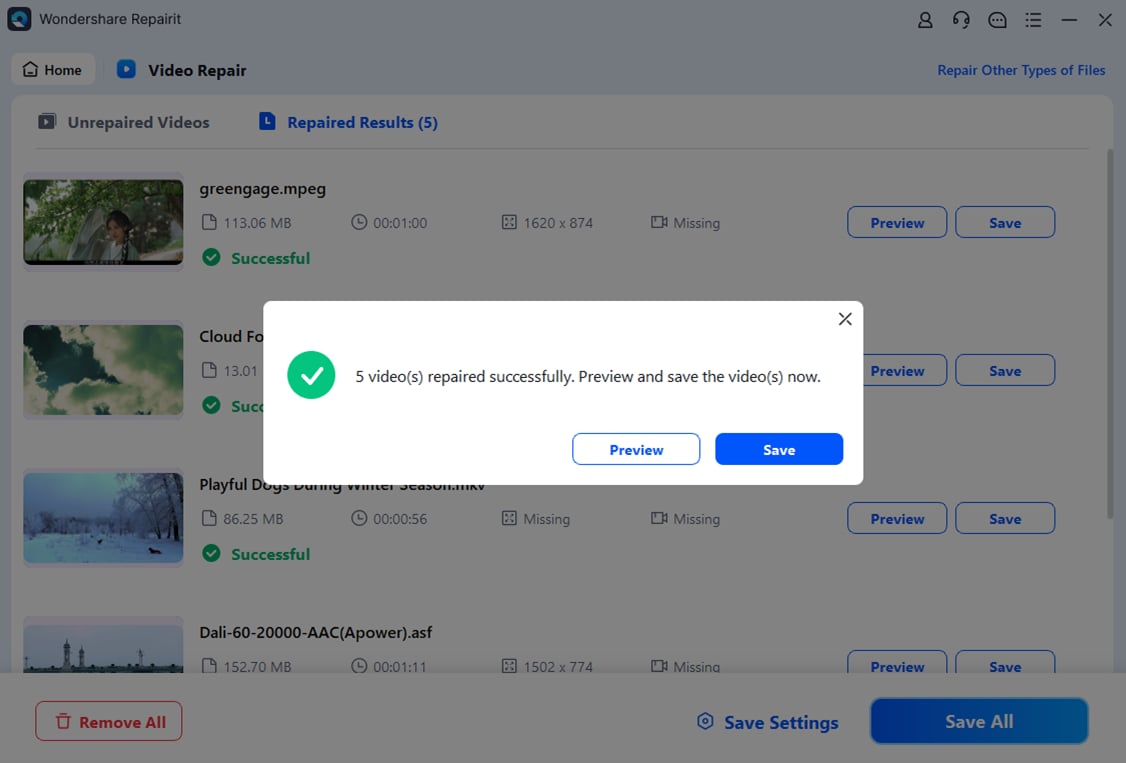
📌 This approach is especially useful when the file was damaged during transfer rather than deleted.
How to Prevent External Drive Video Corruption
To avoid this issue in the future:
- Always wait for transfers to fully complete
- Safely eject your external drive before unplugging
- Use high-quality USB cables and ports
- Avoid moving files during power interruptions
- Regularly check your external drive for errors
- Keep backup copies of important videos
Conclusion
If your videos won't open after copying to an external drive, the issue is usually caused by interrupted transfers, connection problems, or file system incompatibility.
Start with simple fixes like re-copying the file and checking the drive. If that doesn't work, advanced repair methods can often restore the video. With proper handling and precautions, you can also prevent this issue from happening again.
FAQs
-
Why do videos get corrupted when copied to an external drive?
Interruptions or storage issues can damage the file structure during transfer. -
Can I recover a video that won't open?
Yes, especially if the corruption happened during copying. Professional repair tools can often restore it. -
Is my external drive broken?
Not necessarily. The issue may be with the transfer process, not the drive itself. -
Should I format my external drive?
Only as a last resort, since formatting deletes all data.