
 TL;DR:
⚡ Quick Fix: Fix iPhone Videos Not Playing on Windows Instantly
If iPhone videos won't play on Windows 10/11, it is usually due to missing HEVC codecs or file corruption during transfer.
● Switch to VLC Player: Windows Media Player lacks native iOS decoding matrices. Right-click the video, select Open with > VLC Media Player to bypass format limits instantly.● Convert format in VLC: Open VLC, click Media > Convert / Save, add your video, select "Video - H.264 + MP4" profile, and click Start to transcode it into a universally readable file.
● Repair corrupted files: If the container metadata was broken during migration, upload it to Wondershare Repairit Video Repair to fix unplayable headers and restore original video quality.
Ask AI for a summary
 ChatGPT
 Perplexity
 Gemini
 Claude
 Grok
Grok
Apple's advanced camera ecosystem captures stunning, high-definition videos, making the iPhone a favorite tool for creators worldwide. However, because macOS and iOS prioritize highly specialized encoding systems for storage efficiency, migrating these files to non-Apple environments like Windows can sometimes present unexpected hurdles.
It is a common scenario: you successfully transfer your favorite recorded clips to your PC, only to be met with an unplayable error or a blank screen stating "iPhone video won't play on PC." If you are currently facing this roadblock, please do not worry. This issue is entirely normal and typically stems from a few specific system gaps or file misconfigurations. Let us guide you through understanding the root causes behind this problem and provide practical, effortless solutions to get your videos playing smoothly.
Part 1. Root Reasons That Cause iPhone Videos Not Playing on Windows 10/11
Before diving into the fixes, it helps to pinpoint exactly why your Windows 10 or Windows 11 system is refusing to render your iPhone recordings. Identifying the underlying block ensures you choose the fastest path to resolution:
- Video File Corruption: Interruptions during the transfer process, storage drive bad sectors, or sudden compression faults can corrupt the video's index blocks or metadata, leaving the file unreadable.
- Codec Compatibility (HEVC Format): Modern iPhones default to HEVC (High Efficiency Video Coding / H.265) to maximize storage efficiency. Windows does not always come with native HEVC decoding capabilities out of the box.
- Media Player Limitations: Legacy desktop players often lack the framework required to parse structural parameters unique to iOS media containers.
- Improper Video Transfer Methods: Relying on unstable cloud sync software or disconnecting cables prematurely can result in incomplete data structure transfer.
Part 2. 5 Methods to Fix iPhone Videos Not Playing on Windows
Method 1: Repair the Corrupted Video with Wondershare Repairit
If your video structures were compromised during migration, standard playback adjustments will not suffice. In such scenarios, utilizing a dedicated application like Wondershare Repairit is your most dependable option. Repairit scans broken metadata frameworks and reconstructs broken file parameters seamlessly, regardless of how severely the container is damaged.
Follow these streamlined steps to restore your unplayable iPhone videos:
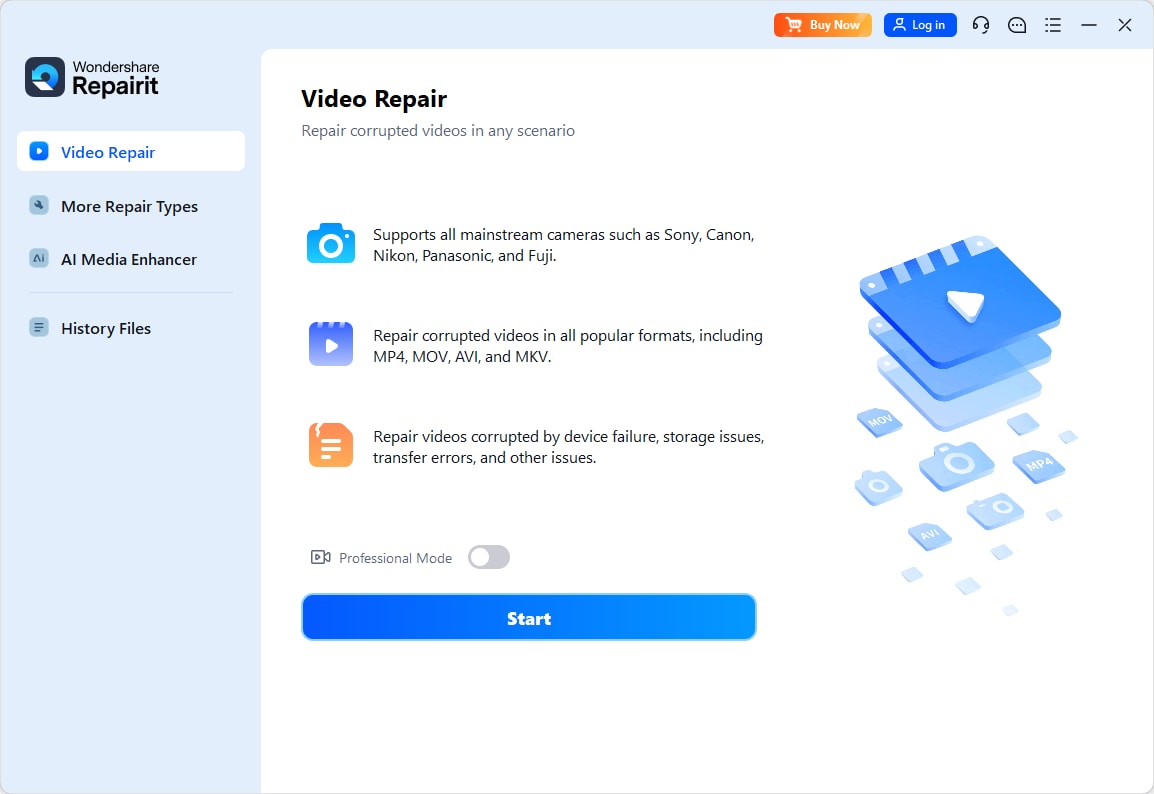
Step 1: Launch the Software
Download, install, and open Wondershare Repairit on your PC to access the clean interface dashboard.
Step 2: Add the Damaged Videos
Click the (+) Add button to locate and import the unplayable iPhone video files from your computer storage.
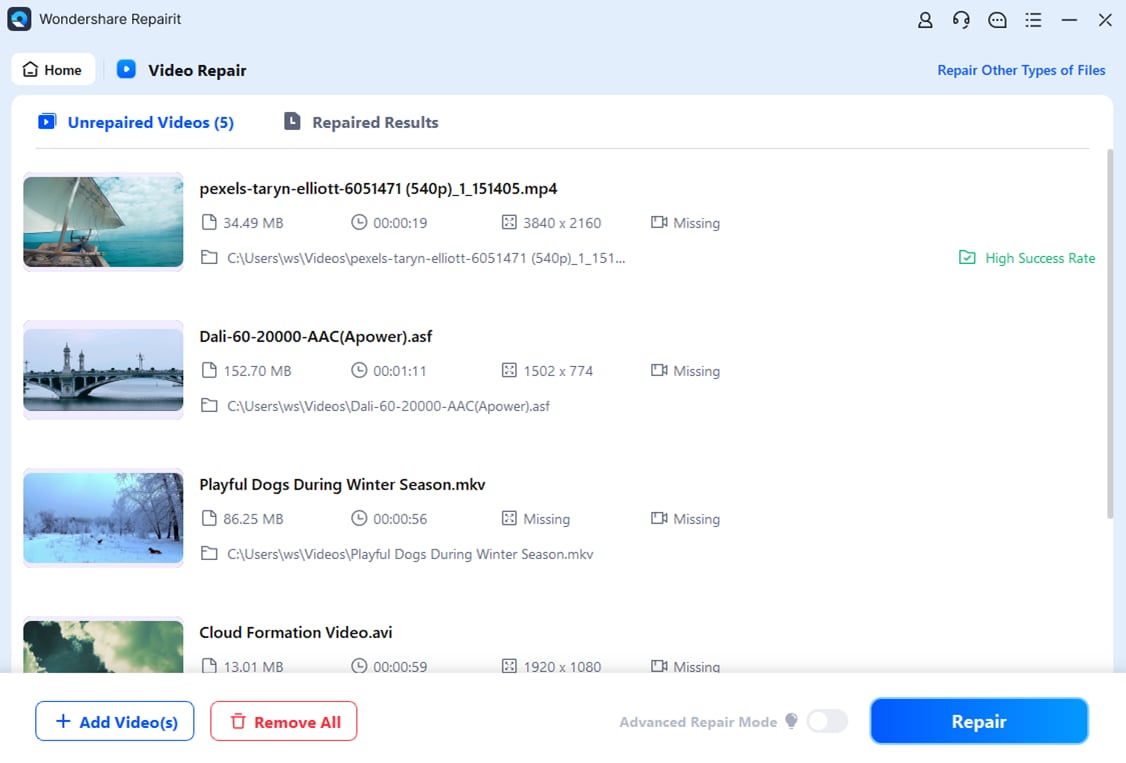
Step 3: Execute Video Repair
Click the Repair button in the bottom right corner. The software will swiftly process and analyze the internal container properties to fix inconsistencies.
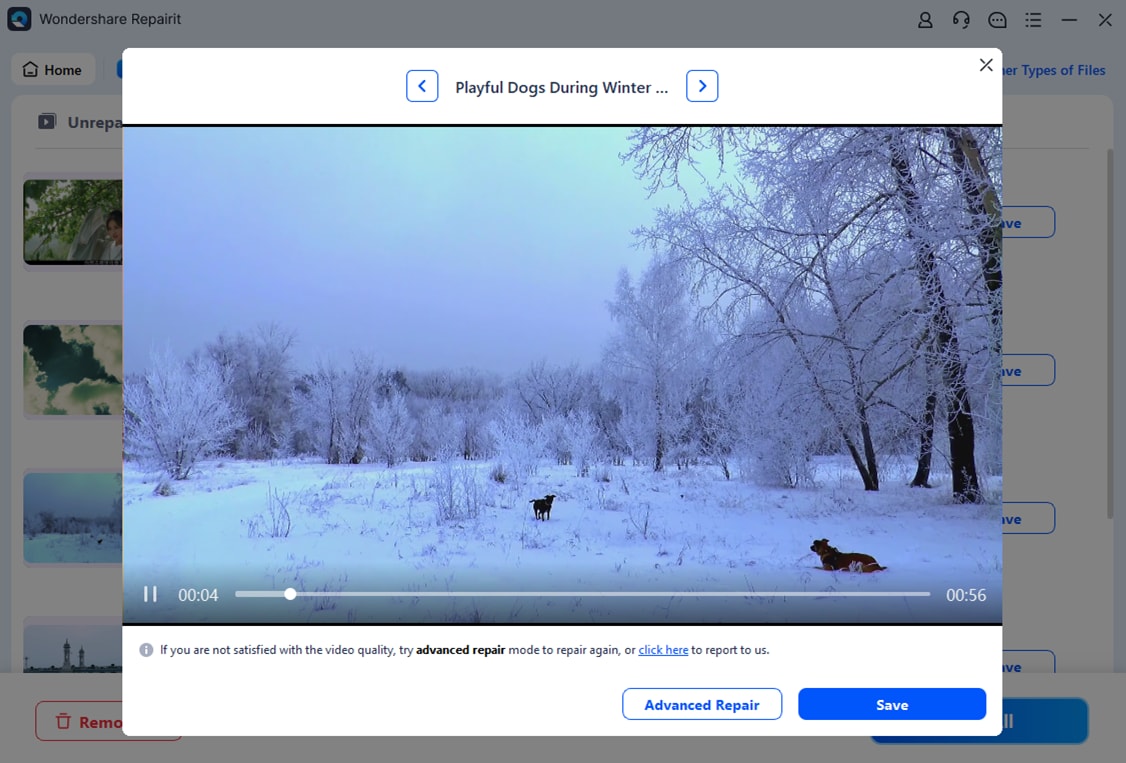
Step 4: Preview and Export
Once finished, use the Preview option to check the recovered video quality, then click Save to store the functional file safely on your PC.
Use Repairit to Fix Your Unplayable iPhone Videos Instantly
 Security Verified. Trusted by over 7 million users worldwide.
Note on Advanced Repair: For deeply corrupted files where standard rebuilding paths fail, leverage the "Advanced Repair" feature. This option uses a sample video recorded from the same iPhone model to recalculate missing codec parameters flawlessly.
If your corrupted iPhone file size is under 3GB and you prefer a browser solution without local software installation, try the Wondershare Repairit - Online Video Repair utility to salvage files instantly online.
Choosing the Right Path: Manual Methods vs. Wondershare Repairit
| Solution Approach | Success Rate | Best Suited For | Time Required |
|---|---|---|---|
| Wondershare Repairit | High (Up to 98%) | Corrupted structures, unplayable headers, transmission bugs. | < 3 Minutes |
| Changing System Codecs | Moderate | Healthy files facing native media software format blocks. | 10-15 Minutes |
| Format Converters | Low | Basic extension mismatch fixes; fails completely if corrupted. | 15-20 Minutes |
Method 2: Configure Automatic Codec Updates for Windows
If the file itself is safe but Windows Media Player refuses to launch it, you likely need a codec pack update. Codecs decompress file containers to streamline desktop media rendering loops.
Step 1. Launch Windows Media Player on your PC.
Step 2. Click on the Tools menu option from the top taskbar layout.
Step 3. Select Options from the context list dropdown.
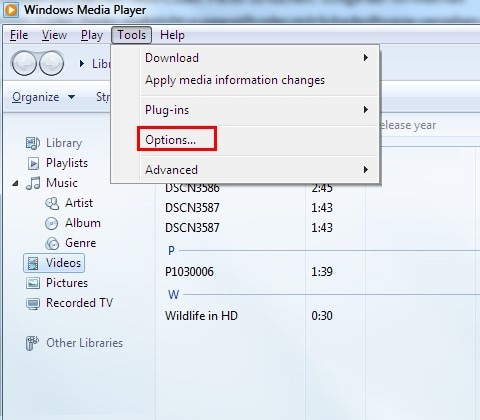
Step 4. Switch to the Player navigation tab configuration.
Step 5. Under the Automatic Updates grouping, check the options to ensure Windows downloads codec enhancements automatically.
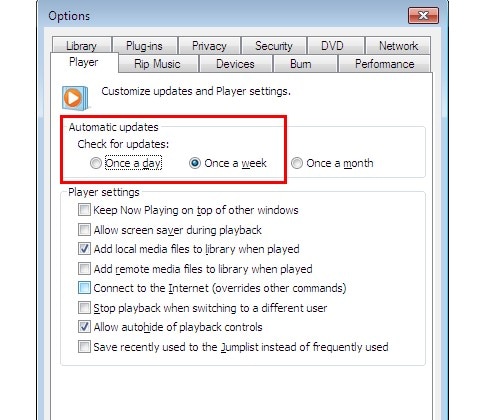
Alternative Tip: If structural playback limitations persist, consider installing safe external codec collections like K-Lite Codec Pack or the official Media Player Codec Pack.
Method 3: Refresh and Reinstall Windows Media Player Features
Internal application faults inside legacy Windows features can block modern iPhone playback. Re-indexing the player setup often fixes systemic registry bugs.
Step 1. Click the Windows Start menu or search bar on your computer taskbar.
Step 2. Search for "Features" and click on Turn Windows features on or off.
Step 3. Scroll down to expand Media Features, then uncheck Windows Media Player.
Step 4. Click OK on the prompt window and restart your computer.
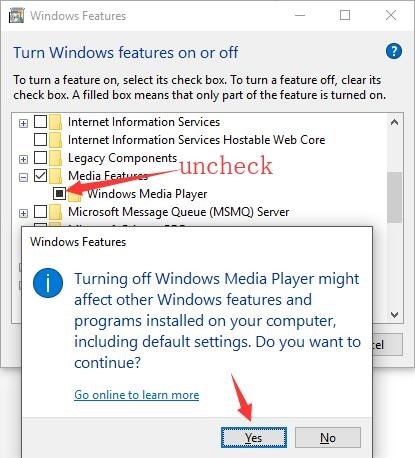
Step 5. Once restarted, reopen the Turn Windows features on or off interface menu.
Step 6. Check the box next to Windows Media Player again and click OK to trigger a clean reinstallation.
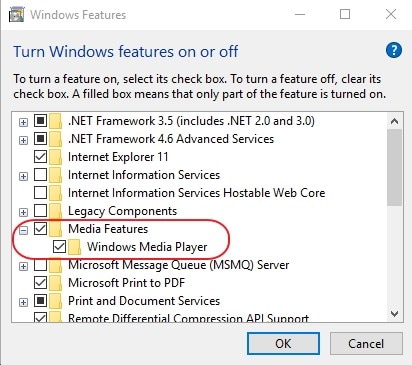
Method 4: Deploy a Multi-Format Third-Party Media Player
If the native Windows player continues to experience configuration bottlenecks, switching to an alternative tool like VLC Media Player will usually resolve format incompatibilities immediately. VLC features universal built-in decoding matrices for HEVC formats.
Step 1. Download and install the verified VLC Media Player framework on your desktop.
Step 2. Right-click your transferred iPhone video file to open the explorer options list.
Step 3. Hover over Open with and select VLC media player from the apps list.
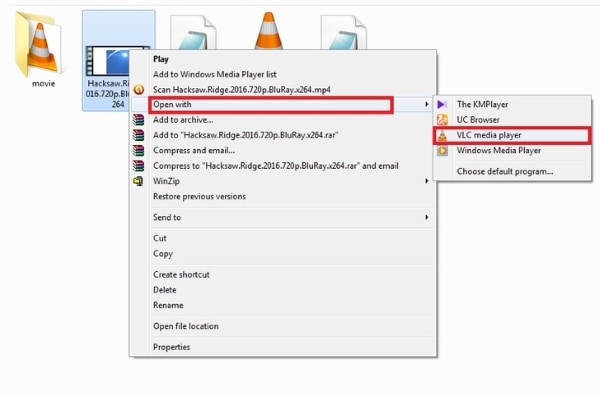
Method 5: Transcode the iPhone Video via VLC Media Player
Transcoding complex container streams into universally supported formats like MP4/H.264 helps eliminate playback errors across legacy target systems.
Step 1. Open VLC Media Player on your computer dashboard.
Step 2. Select the Media menu dropdown list and click on Convert / Save.
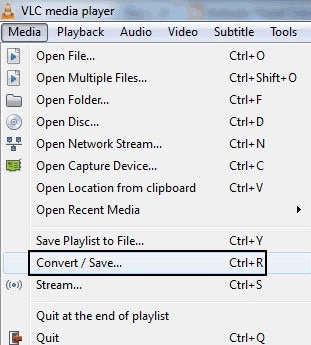
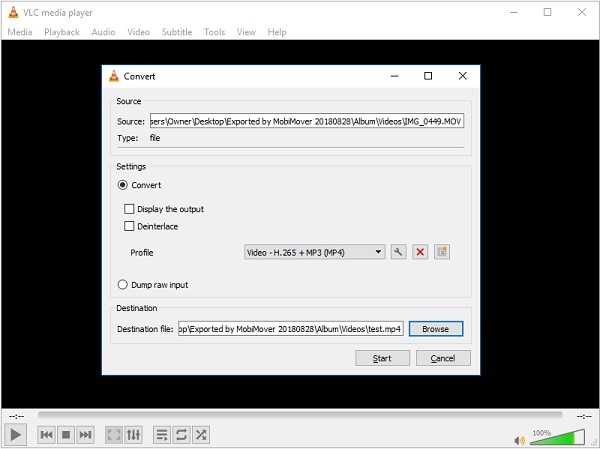
Step 3. Click Add to load your non-playing iPhone media clip, then click the Convert / Save button.
Step 4. Under the Profile selection settings, choose a standard universal profile like Video - H.264 + MP4 (TS).
Step 5. Click Browse to assign a safe destination storage path, then click Start to transcode the video stream.
Conclusion
Due to codec variations between advanced Apple iOS storage profiles and desktop ecosystems, encountering a "blank screen or playback failure" on Windows 10/11 is a frequent user bottleneck. Fortunately, these errors can be resolved quickly using system codec adjustments or alternative players.
When video container corruption is the root cause, manual configuration changes are rarely effective on their own. For a fast and reliable solution, use a dedicated application like Wondershare Repairit Video Repair to restore your files and enjoy smooth playback without further disruption.
Frequently Asked Questions (FAQ)
-
1. Why does Windows Media Player say it lacks the required codecs for iPhone files?
This occurs because recent iPhones record utilizing high-efficiency HEVC formats. Windows platforms do not always come pre-configured with active HEVC extensions. Installing external player tools or certified codec packages usually addresses this limitation. -
2. How can I tell if my iPhone video file is corrupted or just encountering codec blocks?
If the video opens and plays perfectly inside alternative tools like VLC but throws errors in Windows Media Player, it is a codec issue. However, if the file fails to play across all software or throws structural parameter errors, the container metadata is likely corrupted. -
3. Will using a repair tool like Wondershare Repairit reduce the original quality of my iPhone video?
No. Wondershare Repairit works by reconstructing broken indexing headers and structural metadata without modifying or compressing the video stream itself. Your original resolution, frame rates, and audio tracks remain perfectly intact. -
4. What are the safest ways to transfer files to avoid video corruption in the future?
To prevent corruption, use a certified USB cable during physical transfers and avoid disconnecting the device until the process is complete. If you transfer files wirelessly, ensure a stable network connection to prevent data loss.



