
 TL;DR:
⚡ Quick Fix: Repair Corrupted MOV and MP4 Videos Online for Free
● Identify the Corruption Cause: Check whether the video was damaged by sudden power loss, interrupted recording, failed transfer, bad storage sectors, codec conversion, or an unfinished editing export.
● Try Online Video Repair First: For MOV or MP4 files under 3GB with minor playback, header, or audio-sync issues, upload the video to an online repair tool and download the fixed file.
● Use Desktop Repair for Severe Damage: If the video is large, batch-based, badly corrupted, or needs sample-file reconstruction, repair it with desktop video repair software and preview before saving.
● Test VLC Workarounds: Try increasing VLC cache, changing the video output module, or converting a copy to AVI with auto-repair enabled before replacing the original file.
Ask AI for a summary
 ChatGPT
 Perplexity
 Gemini
 Claude
 Grok
Grok
Have you encountered MOV videos or MP4 videos that can't be played? Whether you are a professional filmmaker, movie fan, hobby creator, or just someone who wants to watch a video on a PC, then seeing a warning message instead of an expected visual scene won't make you happy, but this article brings hope back with video repair tool online for free!
Part 1. Why My MOV/MP4 Videos Are Corrupted?
Understanding why your MP4 or MOV files become unplayable is the first step toward successful video recovery and preventing future data loss. Video files consist of complex data streams, container metadata, and video/audio codecs. If any part of this structure is interrupted or modified improperly, the file fails to play smoothly.
Here is a detailed breakdown of the technical causes behind MOV and MP4 video corruption across different stages of the video lifecycle:
1: Recording & Saving Errors (Capture Stage)
A video recording is essentially an active stream of visual frames and index metadata being written simultaneously to your storage medium. While video streams are resilient, metadata is extremely vulnerable to interruption:
- Sudden Power Loss: If your camera, drone, or smartphone turns off due to a depleted battery or sudden shutdown while recording, the device fails to finalize the file header (Moov Atom), rendering the entire video unreadable.
- Physical Impacts & Crashes: Action cameras, GoPros, and drones are susceptible to physical falls. Even if the outer body looks fine, mid-write vibrations or crashes can cause card disconnects during active saving.
- Storage Buffer & Overheating Issues: Shooting at high bitrates or under extreme heat onto slow memory cards can cause buffer overflows, leading to missing frames or broken metadata structures.
2: File Transfer & Storage Degradation
Moving your recorded footage to long-term storage introduces multiple data loss hazards:
- Interrupted Transfers: Unplugging a USB cable, removing an SD card prematurely, or experiencing network drops during file transfers corrupts the video container format.
- Bad Sectors on Storage Drives: Over time, hard drives, external SSDs, and flash cards develop bad sectors that degrade stored video byte sequences.
- System Shutdowns: Rebooting or powering off your OS while a video file is playing, indexing, or transferring scrambled its file index table.
3: Playing, Editing & Formatting Errors
Software-level conflicts during playback or post-production can easily break a video's inner architecture:
- Unsafe Codec & Format Conversion: Re-encoding videos with low-quality, unlicensed converters or buggy third-party players can corrupt background metadata silently.
- Interrupted Editing Exports: System crashes or forced quits inside video editors (like Premiere Pro or Final Cut) leave behind incomplete, unusable exported files.
- Malware & Human Errors: Viruses or accidentally modifying file extensions in text/hex editors can instantly alter header signatures and block playback.
Before moving to the solutions, let's put all the primary triggers together. In most cases, you can repair video files online or on desktop independently of the underlying cause, including:
- Damaged SD card.
- Interrupted recording.
- System or device shut down.
- Failed file transfer.
- Damaged permanent storage.
- Video editor or player changing file structure.
Attention:
MOV video file corruption causes are like MP4 files, MOV video files can also get corrupted due to device malfunctions, storage issues, file transfer failures, formatting issues and other similar problems.
Part 2: How to Repair Corrupted MOV/MP4 Videos Online for Free?
If your corrupted video is under 3GB and you need an instant solution without installing software, Wondershare Repairit Online Video Repair is the ideal choice. It repairs minor metadata corruption, audio-video sync glitches, and unplayable headers directly inside your web browser.
Features of Wondershare Repairit Online Video Repair
- Repair damaged videos with different video corruption issues.
- Supports up to 150 videos per month and up to 3GB per file online.
- Supports multiple formats: MOV, MP4, M2TS, MKV, MTS, 3GP, AVI, FLV, MXF, and M4V.
- Secure 2048-bit encrypted connection with automatic file deletion after 3 hours.
- Fixes videos online without compromising original quality or integrity.
3 Simple Steps to Fix Your Video Online
If you are new to this interface and do not how this tool works, just follow the instructions below precisely to process corrupted video file repair online free:
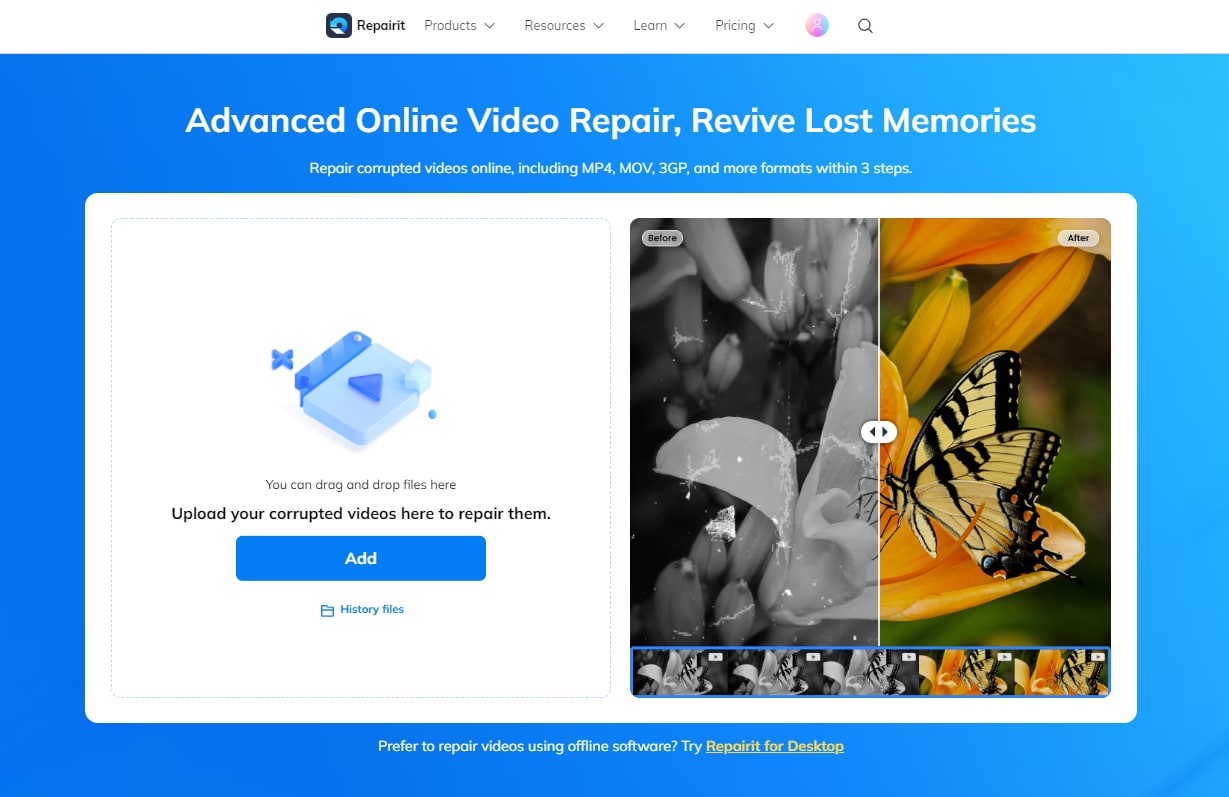
Step 1: Inserting the corrupted MP4 or MOV video to the Interface
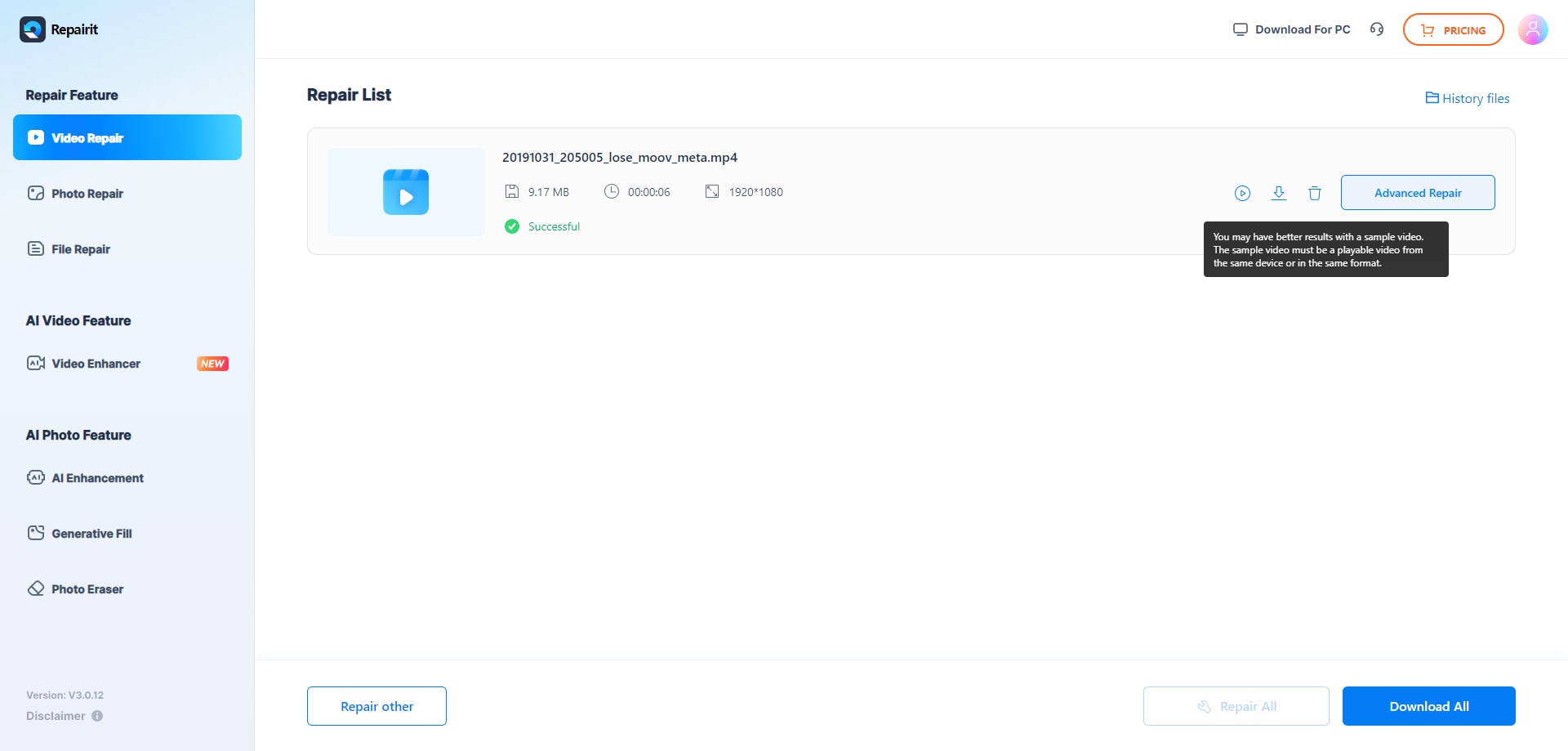
Step 2: Waiting for the repair process
After the uploading bar reached 100%, the repairing process will start automatically.
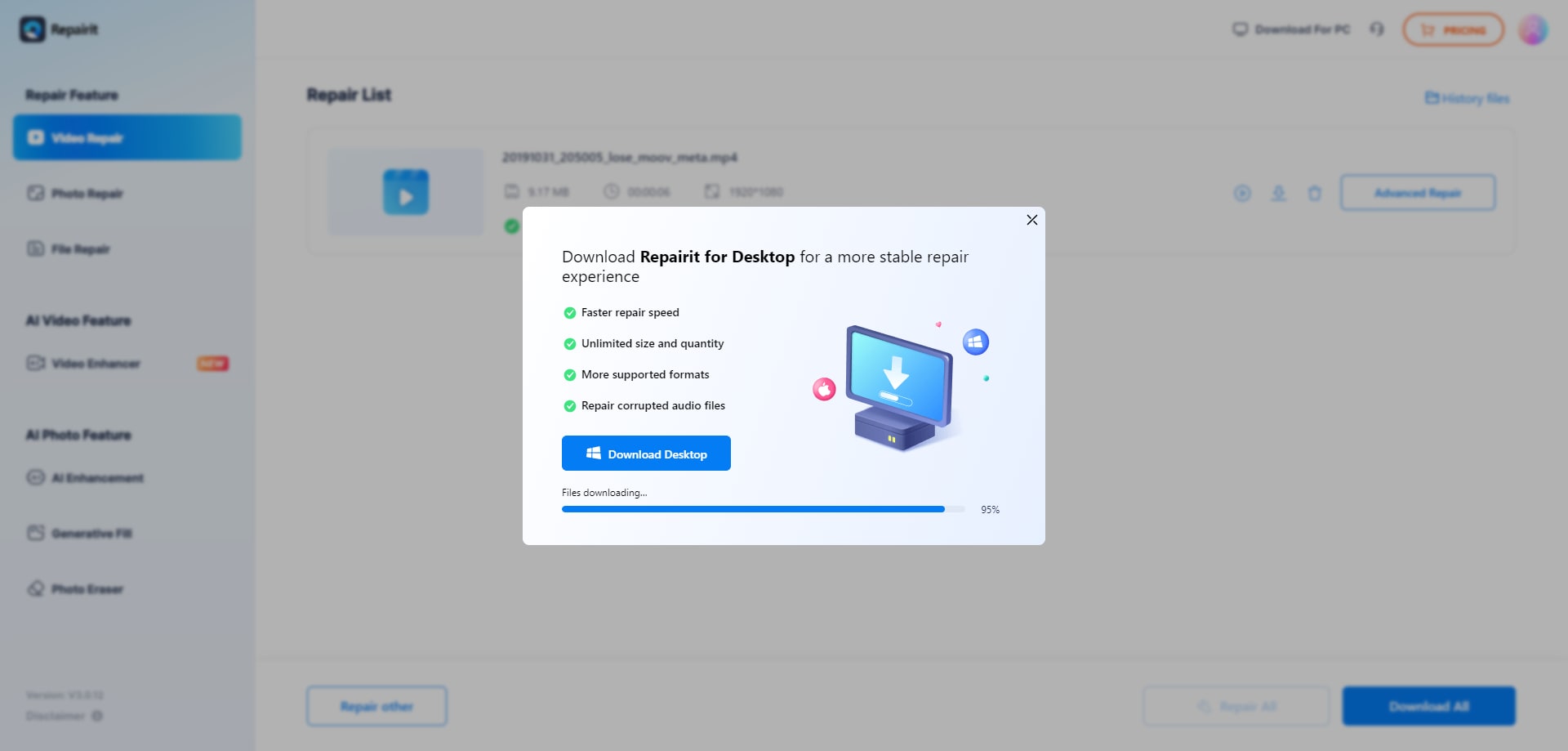
Step 3: Saving the repaired online MOV or MP4 video
You can save the repaired video and then repair the next video following the same method.
Note: For videos larger than 3GB, batch processing needs, or severely damaged files requiring a sample video header reconstruction, please proceed to the desktop version below.
Part 3. How to Fix Corrupted MOV/MP4 files with Video Repair Tool?
This part will disclose the elegant way of repairing video files on computer or Mac. You click the below button to download the Wondershare Repairit Video Repair and install your rescuer on your computer or Mac.
-
Repair different video corruption issues, such as video not playing, video no sound, out-of-sync video or audio, playback errors, header corruption, flickering video, etc.
-
Support 20+ video formats, including MOV, MP4, MKV, AVI, M4V, etc.
-
Repair damaged or corrupted videos caused by video compression, system crash, video format change, etc.
-
Repairit has a quick and advanced scanning mode. You can use either depending on the level of corruption the video file has undergone.
-
No limit to the number and size of the corrupted videos.
-
Support Windows 11/10/8/7/Vista, Windows Server 2003/2008/2012/2016/2019/2022, and macOS 10.13~macOS 26.
You are now ready to start with the file repair. Only four simple steps lie behind this moment and a complete restoration of your videos. You do not have to click around to find them. The developers have reduced the functionality of the tool to a sufficiently essential minimum!
Step 1. Upload your MP4 or MOV video
Upon opening the application, you'll see the window that invites you to upload the damaged video files. Use the vast plus sign to access your file system.
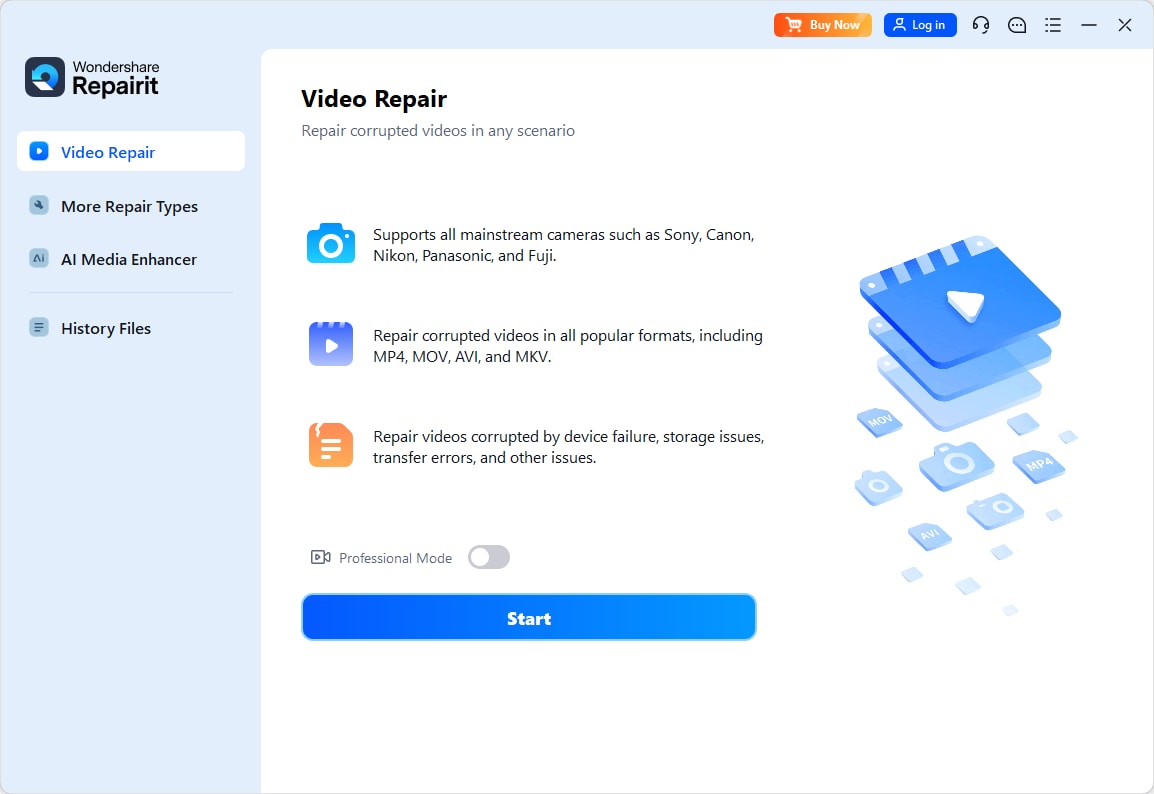
That will open a usual dialogue window of your operating system, where you can find your corrupted videos.
Step 2. Repair your video
After the video is added, you will see the name of it in the Wondershare Repairit file list:
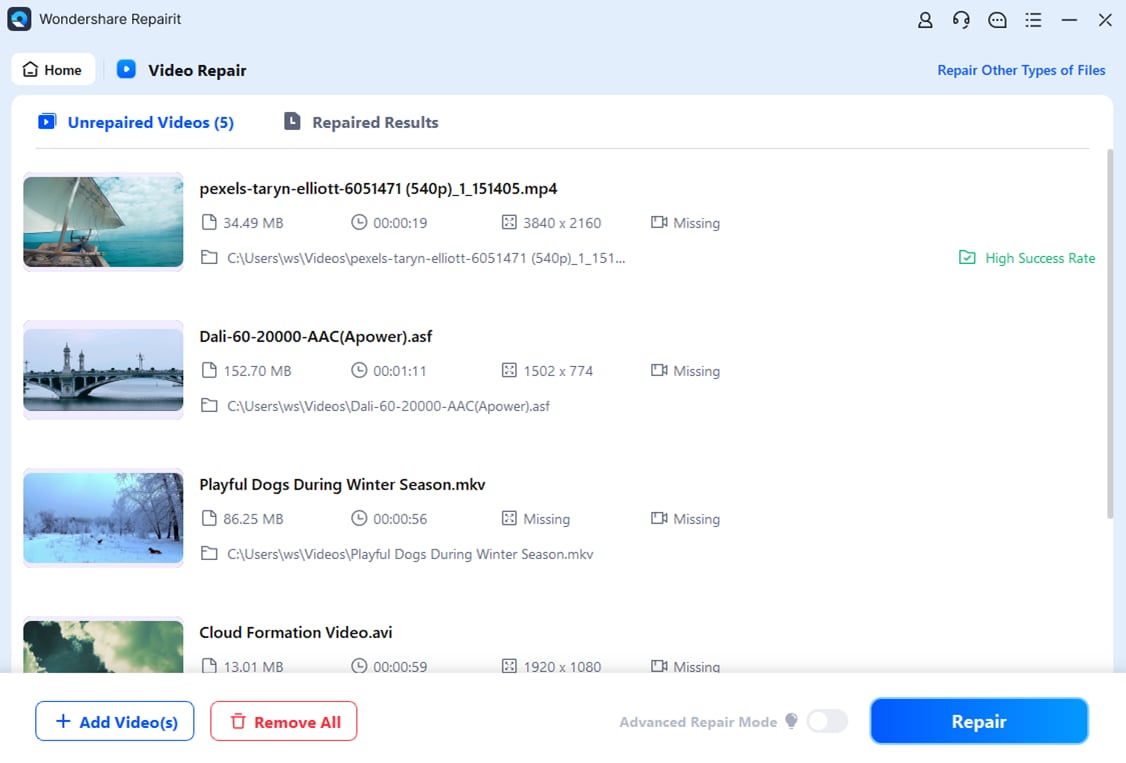
In the bottom right corner, find and press the "Repair" button. The tool won't exhaust your patience. A preview of the recovered video will soon appear.
Step 3. Preview the repaired video
Play the repaired video to make sure it looks like you expect it:
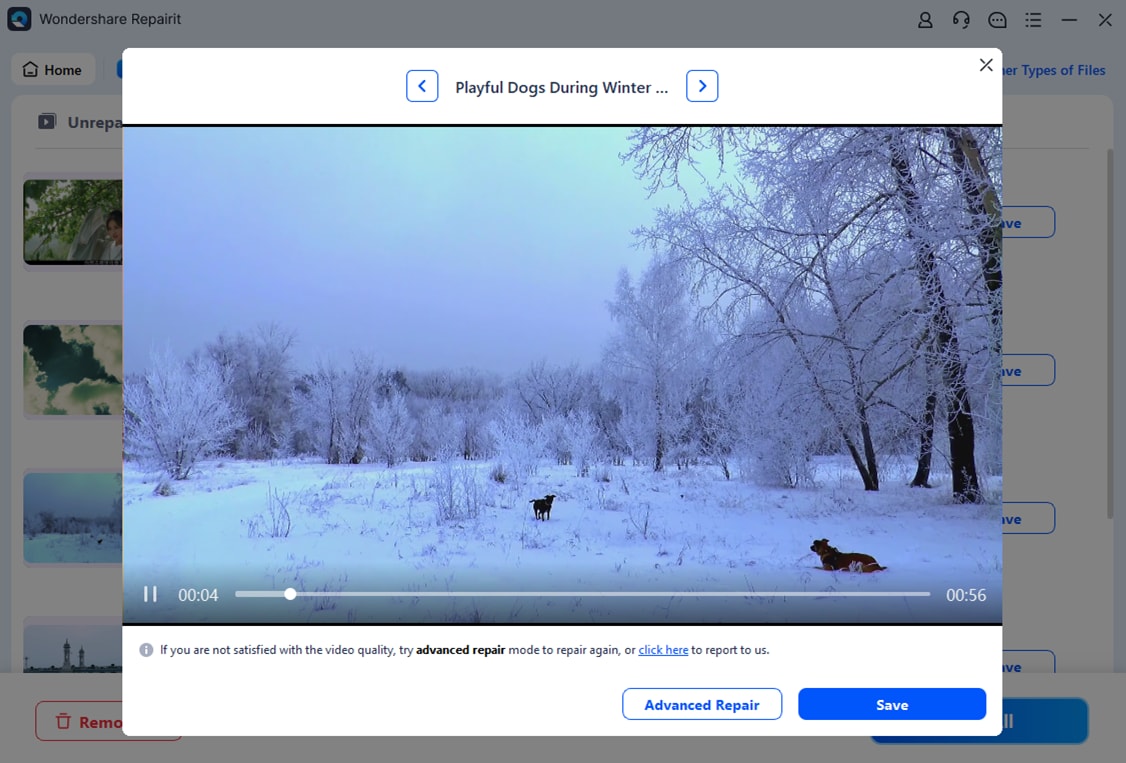
Once the video is restored, and you are satisfied with the visual and sound quality, proceed to the last step.
Step 4. Save the repaired video
The Wondershare Repairit will prompt you to identify the destination folder or create a new one.
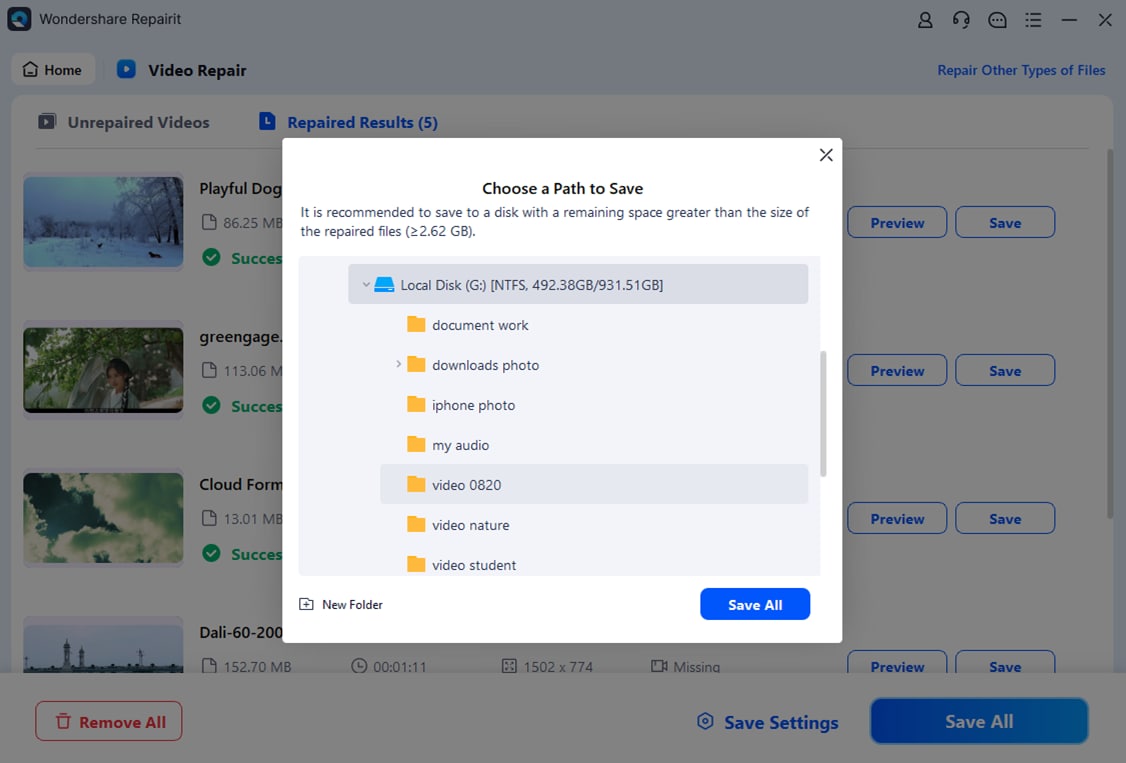
If you're not satisfied with the quick repair result, you can also use the "Advanced Repair" feature. Even a seriously corrupted video still has a chance.
You will need another video in the same format and originating from the same recording device. Load it into the Wondershare Reparit application:
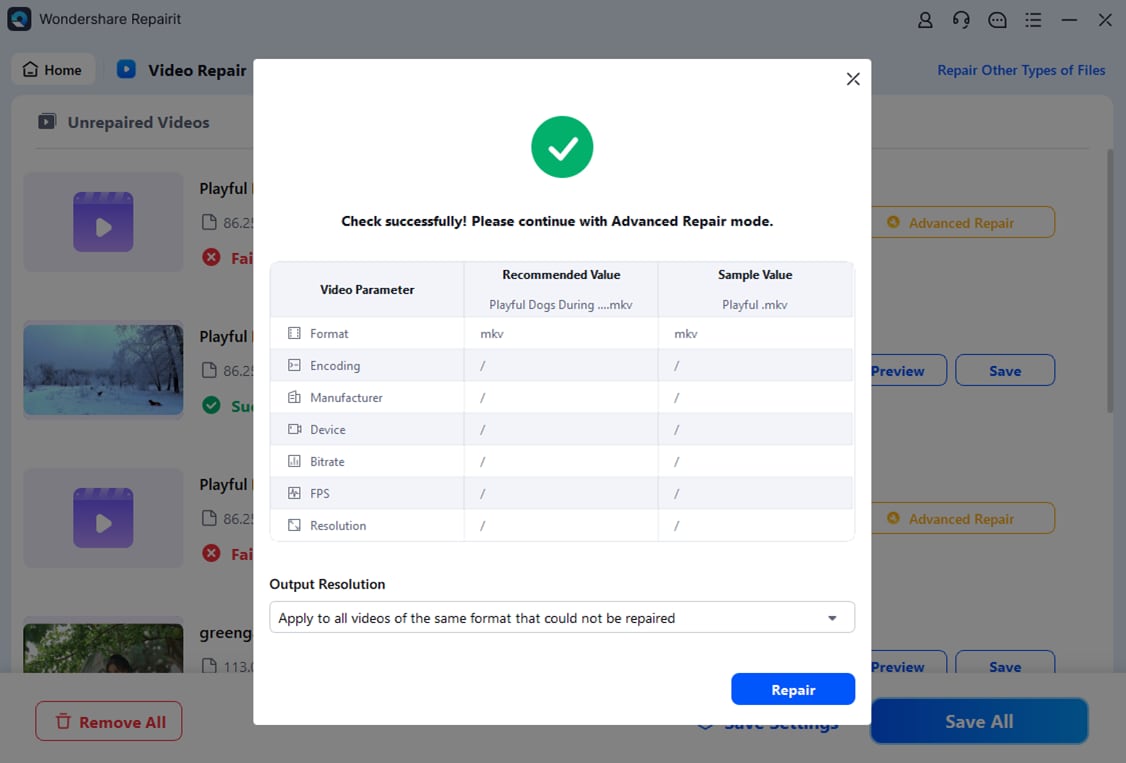
Repeat the uploading and repairing steps. Let the application take its time to fix the problem. Due to the advanced level of the happening process, this can last just a little bit longer.
This video can help you fix your corrupted video files with a step-by-step guide.
Part 4. How to Repair MP4/MOV Videos in VLC Player?
VLC works as a video player and is a free MP4 video repair available online for download without any license costs.
In many cases, VLC will play a slightly corrupted video file without throwing you a warning at all. Its library of codes allows the opening of damaged videos that a less armored player won't cope with reading.
If you have some other video player set as default, you can just right-click on the video file to open it in VLC.
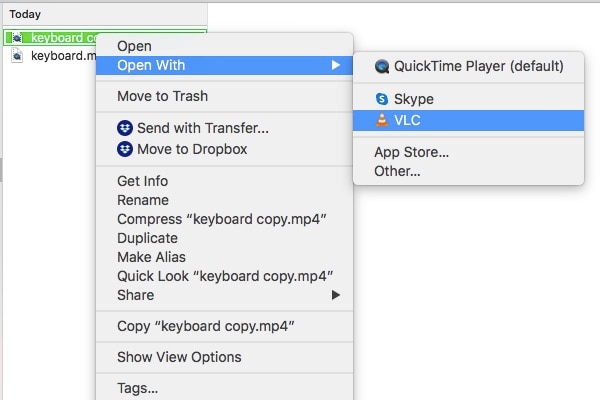
If no miracle happens, you can try three basic approaches:
-
Increase VLC cache parameter.
-
Play around with the video output modules.
-
Play around with the video output modules.
As you can see, before repairing the MP4 video online or fixing the online MOV video with any other tool, you need to exhaust the repair capacities of VLC.
Method 1: Increase VLC Stream Cache Value
Let us start with the cache. Currently, the memory cache of VLC can store only 1,5 seconds of the video snippet. Increasing this number may help when your video keeps freezing due to some corruption.
Open the VLC player preferences.
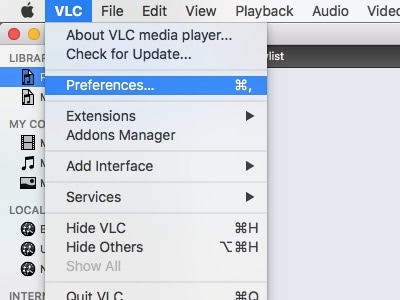
Find "Show All" in the bottom left corner.
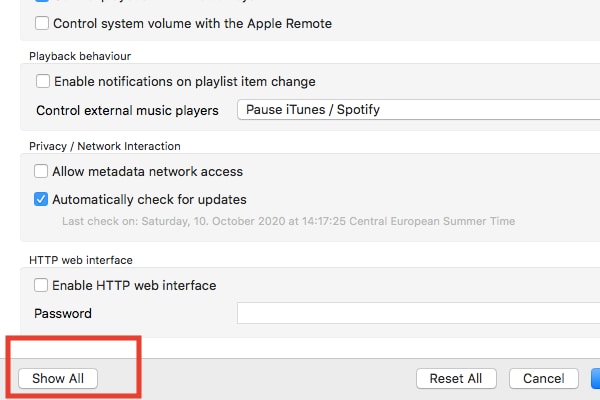
In the "Stream output" section, set the new cache value.
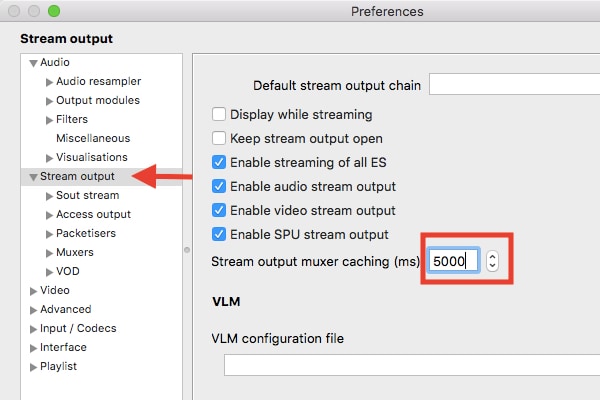
Method 2: Change the Video Output Module
If this fails to open your video, you've got a chance to change the default video output module. Repeat the previous steps to view the foldable menu again. This time, find the "Video" section. Then go to "Output modules" and try different modules.
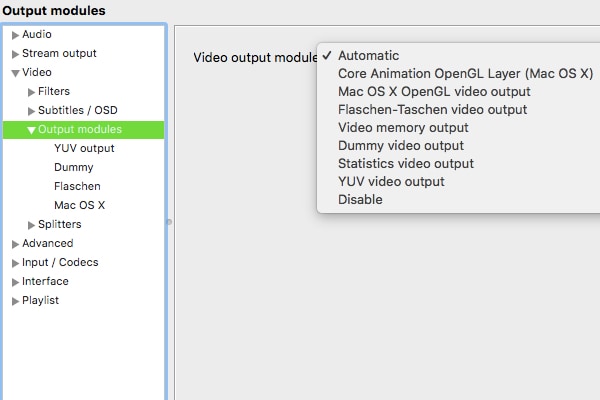
Each time you switch to the new module, try to open your video. Then turn to the next.
Method 3: Convert to AVI & Enable Auto-Repair
If the output preferences do not seem to change anything, it's time to convert your .MOV or .MP4 into .AVI. Create a duplicate of the original damaged file and try the next solutions on the copy. By using a new copy for each of the two workarounds, you'll be on the side.
To make the file conversion meaningful, you need to activate some in-built VLC magic first. You can do it in Preferences.
Choose the "Input / Codecs" tab from the top.
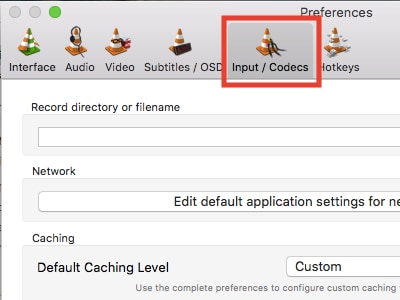
From the "Repair AVI Files" drop-down menu, select "Always fix." Do not forget to hit "Save."
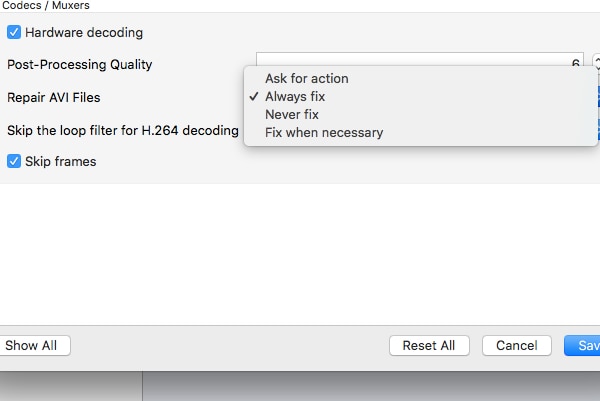
Now, try to play your new .AVI file normally.
You can convert the file by simply renaming it. Right-click on it, then select rename and change the file extension to .AVI.

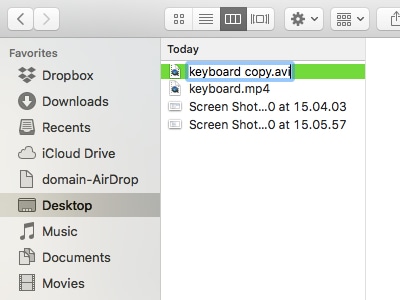
Your OS will probably argue with you a bit: just click "Use .avi." Now, you can try to play it again. If this dirty fix fails, try to convert the file into the .AVI format from inside the VLC player.
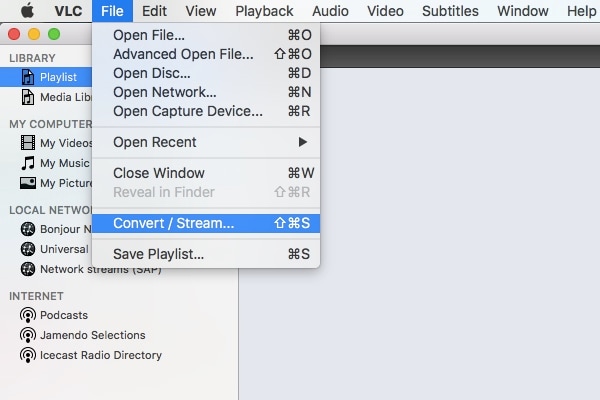
In the player, go to the "File" menu and select "Convert / Stream."
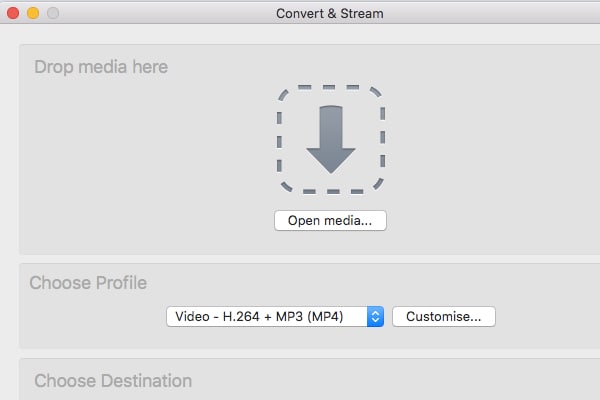
Use the "Open media" button to open your file system and pick up the copy you've reserved for this try.
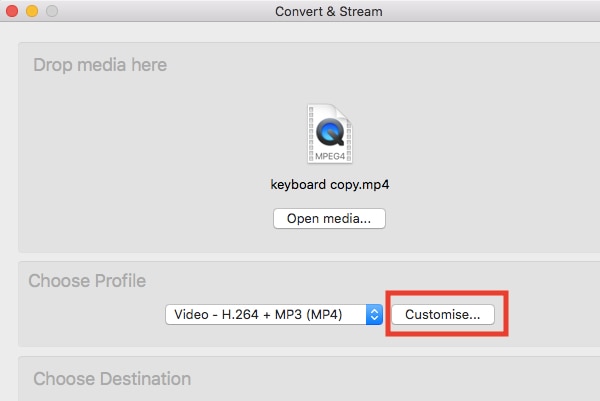
Click the "Customise" button to access the output profiles.
Select "AVI" and click apply.
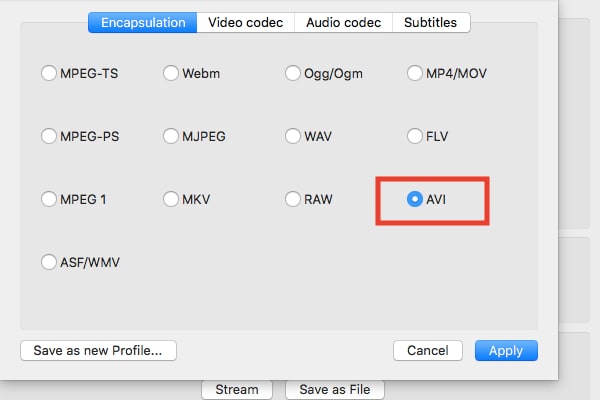
Now, just choose a destination for your output file. Click on "Save as File."

The interface will change, and the "Browse" button will appear:
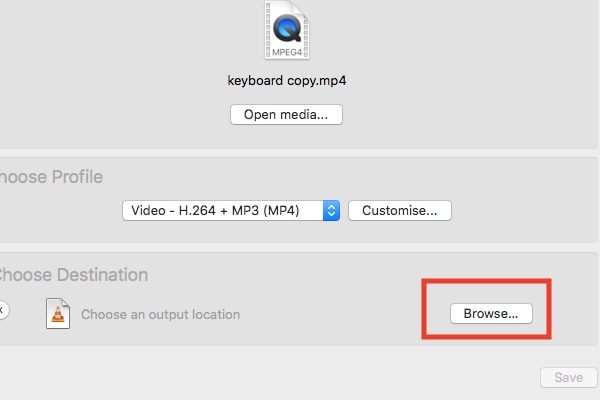
Select a file name and hit "Save." Try playing it with VLC.
Still, no guarantee it will work. But if you want to discover new bright sides of the VLC player, you may practice with those workarounds.
Indeed, you may have too little time for so many steps. There is another mp4 fix online that is worth trying.
Part 5. Preventive Measures to the MP4/MOV Video Corruption Issues
The above parts have introduced the most effective measures to help you resolve video corruption issues. Instead of dealing with repairing corrupted data or recovering lost data, try to avoid these pitfalls.
-
Format your SD card on the same camera you use for shooting.
-
Please do not format videos on the camera.
-
Do not use cheap or no-name power batteries.
-
Buy a camera cage or bag avoid falling and crashing.
-
Always wait till the file transfer finished.
-
Do not use cheap video editing software.
-
Do some research about all devices you're going to use.
Conclusion
The appearance of a black screen or a warning message still does not mean your footage can't get restored. Whatever has caused the damage, you can always rely on Wondershare Repairit, the free download corrupted video file repair tool. It supports many popular formats and remains one of the most stable solutions on the market.
People Also Ask
-
Can corrupted video files be fixed?
In most cases, yes. Independently from the cause of the damage, some applications can restore lost or corrupted metadata. -
How do I recover a deleted mp4?
You can have a try with Wondershare Recoverit video recovery software. Just 3 easy steps, then you can recover your deleted mp4 files like a pro. -
How do you change the format of a video file?
Sometimes, the video file format can be changed by a simple renaming, as shown previously. Keep in mind that a new extension and the underlying data may mismatch and cause trouble with playing the video. Using a converting feature provided by some video players remains a safer method for doing this.



