
An SVG file is a popular image format for icons, logos, and illustrations on the web, but it works very differently from regular photos. Understanding what this topic is, how to open and convert it, and what to do if it gets corrupted helps you keep your graphics sharp and usable across devices and resolutions.
Repair Corrupted Files To Save Your Data
 Security Verified. Over 7,302,189 people have downloaded it.
In this article
What Is SVG File
An SVG file (Scalable Vector Graphics) is an XML-based vector image format used mainly on websites and in design workflows. Unlike JPEG or PNG, which store images as pixels, the SVG format stores shapes, lines, text, and colors as mathematical instructions. This makes SVG images infinitely scalable without losing quality, ideal for logos, icons, charts, UI elements, and simple illustrations.
Because it is text-based, an SVG file is lightweight, easy to compress, and can be edited directly in a code editor or through graphic design software. SVG also supports transparency, animation, and interactivity via CSS and JavaScript, which is why it is widely used in modern web development.
However, the same text-based nature makes an SVG file vulnerable to corruption: a single broken tag, wrong encoding, or incomplete download can stop it from rendering correctly in your browser or design tools.
How to Open SVG Files
You can open SVG images on almost any platform using common tools. The best method depends on whether you just want to view the file or edit it.
Open SVG files in a web browser
Most modern browsers support SVG file rendering natively, making this the fastest way to view them.
- Google Chrome, Microsoft Edge, Mozilla Firefox, and Safari can all open SVG files directly.
- Right-click the SVG, choose "Open with," and select your browser.
- Drag and drop the SVG file into an open browser window to preview it.
Viewing SVGs in a browser is ideal for checking icons, logos, or exported assets without launching a full design application.
Open and edit SVG files in design software
If you need to modify shapes, colors, or text, you will want a vector editing program that supports the SVG format.
- Adobe Illustrator: Industry-standard vector editor that opens and exports SVG with advanced options.
- Inkscape: Free, open-source vector editor that fully supports SVG file editing on Windows, macOS, and Linux.
- CorelDRAW, Sketch, Figma, Affinity Designer: Popular tools that import and export SVG for UI and illustration work.
You can also open simple SVGs in text editors (such as VS Code or Notepad++) to fix minor XML issues, change colors, or adjust dimensions directly in the code.
How to Convert SVG to JPG
Although SVG is perfect for vector graphics, you may need a raster image for email signatures, social media, or platforms that do not support SVG file uploads. In those cases, you can convert SVG to JPG using online tools or desktop apps.
Convert SVG to JPG Online
Online converters are convenient when you only need to process a few files and do not want to install software.
- Many free web tools let you upload an SVG file and download it as JPG or PNG.
- Look for options to set image size, background color, and quality before converting.
- Use trusted sites and avoid uploading sensitive or proprietary artwork to unknown services.
A typical online conversion workflow looks like this:
- Open a trusted SVG-to-JPG converter website in your browser.
- Upload your SVG file from your computer, cloud storage, or by URL.
- Choose JPG as the output format, set resolution or background color if needed, then download the converted file.
Convert SVG to JPG on Desktop
Desktop apps provide more control and better privacy when you need to batch convert or fine-tune exported images.
- Vector editors (Illustrator, Inkscape, etc.): Open the SVG and export or "Save As" JPG, choosing resolution (DPI) and quality.
- Image editors (Photoshop, GIMP): Import the SVG, rasterize it at your desired size, then save it as JPG.
- Batch converters: Some tools allow you to convert multiple SVG file assets to JPG in one go.
When exporting, always choose an appropriate resolution so your converted JPG stays sharp and does not look blurry on high-density displays.
How to Use Repairit to Fix a Corrupted SVG File
Because an SVG file is structured as XML text, even a minor corruption can stop it from loading correctly or make it appear blank. Wondershare Repairit is designed to repair damaged files from various storage locations and formats, helping you rescue important assets when manual fixes are not enough. You can learn more and download the tool from the Repairit official website.
Key Features of Repairit
- Repairs a wide range of file types, including photos, videos, and documents affected by corruption, bad sectors, or interrupted transfers.
- Supports repairing data from local drives, external disks, memory cards, and other storage devices with an intuitive workflow.
- Offers a preview feature so you can confirm that your recovered data is usable before saving it to a safe location.
Step-by-step: Repair a corrupted SVG location with Repairit
If an SVG file becomes unreadable due to disk errors or unexpected interruptions, you can scan the affected folder or drive with Repairit and attempt to restore healthy copies of your data.
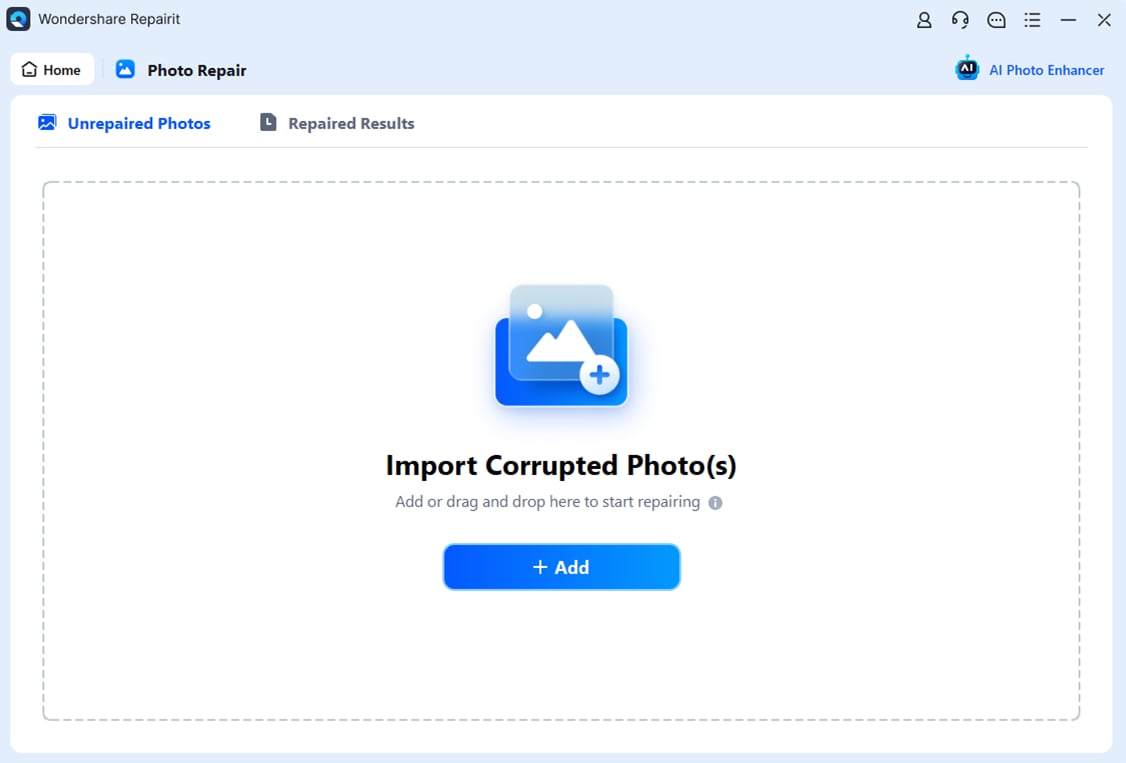
- Choose a Location to Repair Data
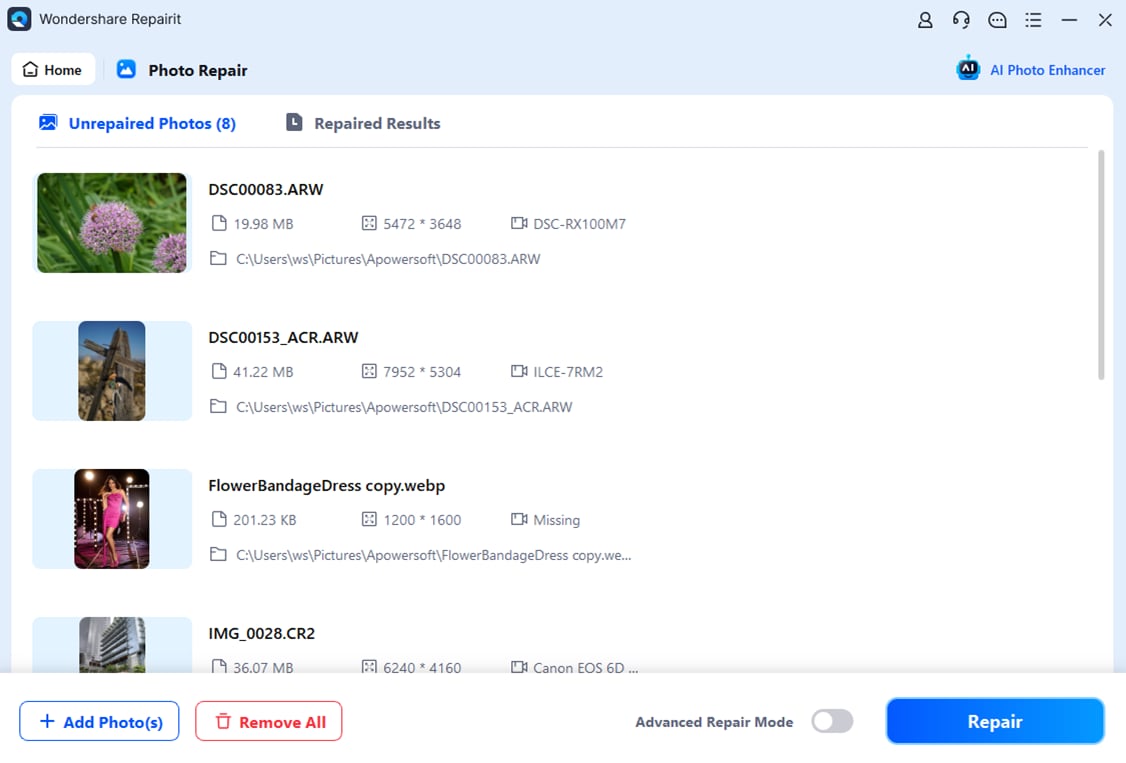
- Deep Scan the Location
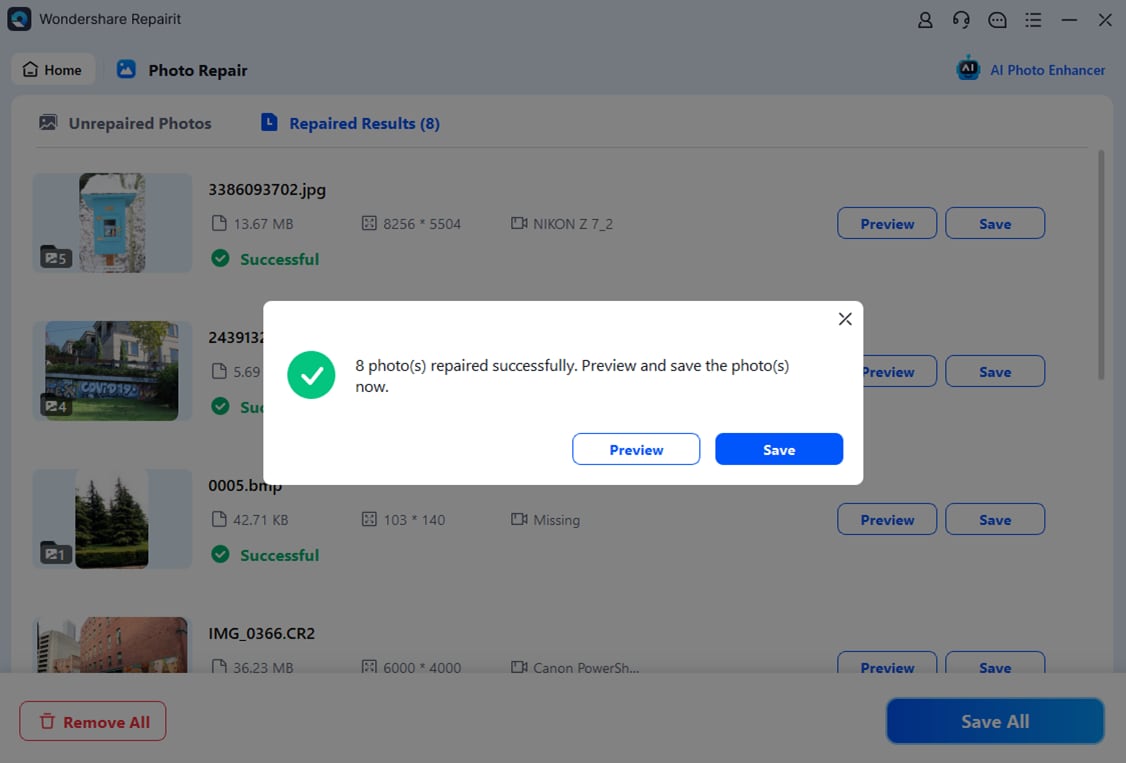
- Preview and Repair Your Desired Data
Conclusion
An SVG file is a flexible, scalable vector image format that keeps your graphics sharp at any resolution. You can easily open SVG images in browsers and design tools, and convert SVG to JPG whenever you need a standard raster file.
If you encounter corrupted SVGs or lose access to folders that store your artwork, a dedicated repair solution like Repairit can help you scan affected locations and recover usable data, protecting your creative assets and project files from unexpected errors.
Next: How to Make a Logo High Resolution: 5 Quick & Easy Methods
FAQ
-
1. What is an SVG file used for?
An SVG file is mainly used for logos, icons, diagrams, charts, and UI elements on websites and in design projects because it scales without losing quality and remains lightweight. -
2. How do I open an SVG file on Windows or Mac?
You can open an SVG file in any modern web browser or in vector editors such as Adobe Illustrator and Inkscape. Right-click the file, choose "Open with," and select your preferred browser or design program. -
3. Why does my SVG look blank or not load?
A blank or non-loading SVG file can be caused by corrupted XML code, unsupported features, wrong file extension, or incomplete downloads. Try opening it in a text editor to check for obvious syntax errors, or scan the storage location with a repair tool such as Repairit. -
4. Is SVG better than JPG or PNG?
SVG is better for vector graphics such as icons and logos because it scales cleanly, while JPG and PNG are better for photos and complex images. Often, both formats are used together in the same project for different purposes. -
5. Can I convert SVG to JPG without losing quality?
You can convert SVG to JPG at a high resolution to minimize visible quality loss, but the result is still a raster image. If you later scale the JPG up, it may become blurry, while the original SVG file will remain sharp at any size.




