
When you search for how to open a password protected PDF without the password, first identify which protection is blocking you. A PDF can require an open password before any page is displayed, or it can open normally while restricting printing, copying, or editing. If you own the document or have permission to use it, the safest answer is to recover the password from the sender or password manager, or remove protection after authenticating with the correct password. A tool should not be presented as a way to bypass encryption on a document you are not authorized to access.
A different problem occurs when the PDF is damaged: it may show a blank page, refuse to open, display missing fonts, or report that the file is corrupted. In that case, password recovery is not the right fix. This guide explains the difference, gives legitimate ways to open or save an authorized copy, and shows how to repair a corrupted PDF while keeping the original file unchanged.

In this article
Part 1: What Type of PDF Password Is Blocking Access?
Password protection in a PDF can secure viewing, or it can limit actions after the document has already opened. It is a way of putting a lock on your PDF file. The distinction determines whether you need a password, a permissions change, or a file-repair workflow.
| What you see | Protection type | Correct next step |
| A password prompt appears before any page is visible | Open password, also called a user password | Ask the owner or sender for the password. Do not treat a repair tool as a password bypass. |
| The PDF opens, but printing, copying, or editing is disabled | Permissions password, also called an owner password | Ask the owner to change the permissions or use an authorized PDF editor to save a permitted copy. |
| The PDF opens with errors, blank pages, missing text, or damaged objects | File corruption or incomplete export | Keep the original and repair a duplicate with a supported PDF repair workflow. |
| The password is accepted but the file still will not render | Protection and corruption may coexist | Verify the password, try the original download again, then repair a copy if the file remains damaged. |
An open password encrypts the document content before the viewer can render it. Without the correct credential, the viewer cannot reliably display the pages. A permissions password is different: the pages may be readable, but the owner has restricted actions such as editing, printing, or copying. These two cases are often confused when people search for how to open a protected PDF without password.
Adobe's current PDF security guidance distinguishes a document open password from a permissions password. A password is not stored for retrieval, so the owner should keep it in a secure password manager or another approved record.
Part 2: What to Do If You Forgot the PDF Password
If you are authorized to access the document but do not remember the password, start with recovery steps that preserve the file and its security. Do not repeatedly rename the file, edit the PDF structure, or upload a confidential document to an unknown unlocker.
Check the sender, account, or password manager
Look at the email, message thread, invoice, or cover letter that came with the PDF. Banks, employers, schools, and service providers often explain the required format separately from the attachment. The password may be a date, customer reference, account suffix, or a one-time code, but do not guess beyond information the sender has legitimately provided.
If you created the PDF, check your approved password manager, secure notes, document-management system, or backup instructions. Type the password manually once to avoid copying a trailing space or changing a case-sensitive character. If the password still fails, ask the sender or document owner to confirm it or issue a new copy.
When the owner supplies the password, keep a local copy of the original before opening or exporting it. If the PDF was sent through a cloud drive, download it again rather than working from an incomplete browser cache.
Open a PDF with a permissions restriction
If the PDF opens but you cannot print, copy, or edit it, you may not be locked out of the document itself. Ask the owner for an authorized version with the required permissions, or request that they perform the restricted action for you. Do not assume that a browser trick or an online tool is appropriate for a confidential or copyrighted document.
For a document you own, you can open it with a supported PDF reader and then create a new copy only when the document permissions and your license allow that action. Keep the protected original as the source of record and label any unprotected copy clearly.
Remove protection after entering the password
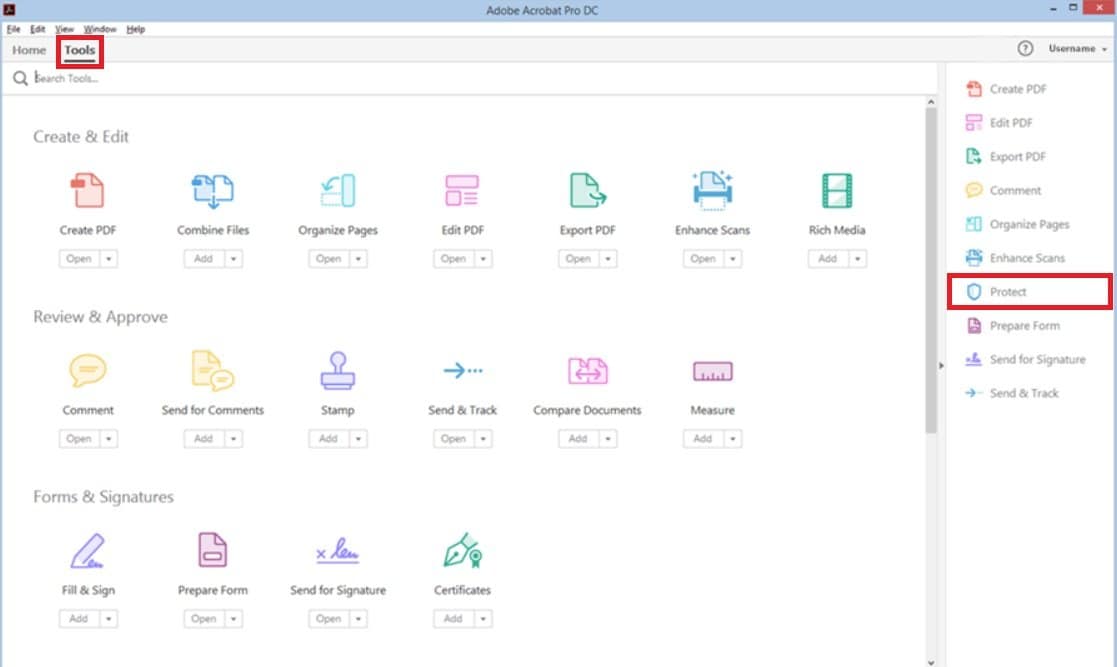
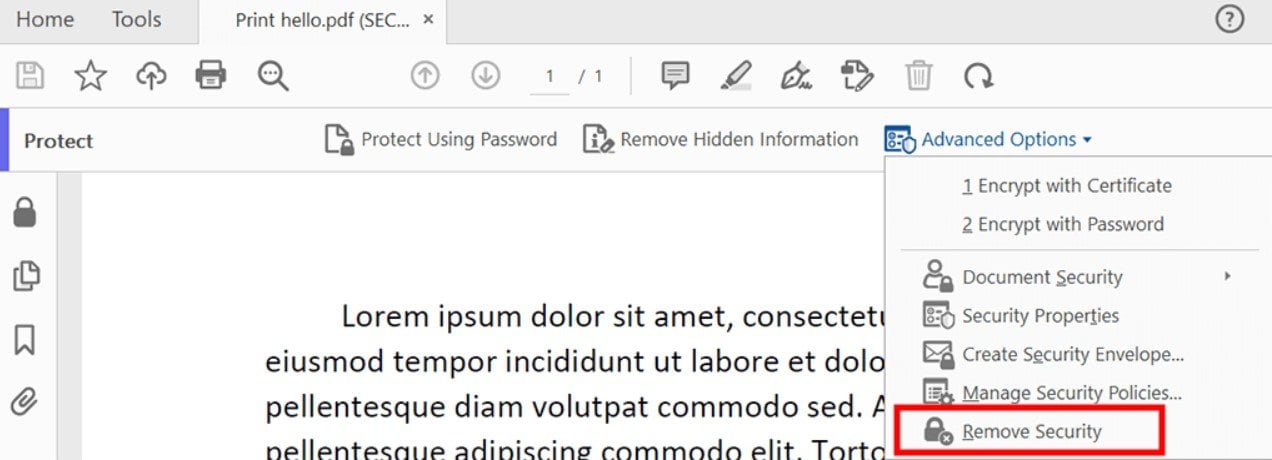
If you know the password and own the file, a desktop PDF editor such as Adobe Acrobat can remove security from an authorized copy. In Acrobat, open the file and enter the password, open the document security or protection settings, choose the option to remove security, confirm the password if requested, and save a new copy. Adobe's remove passwords from PDFs instructions note that the permissions password may be required. Menu names can vary by product version, so follow the current instructions for your edition.
Another local option is to open the authenticated PDF in a current browser or PDF viewer and use Print or Save as PDF to create a new rendered copy. This can change interactive forms, links, tags, layers, signatures, bookmarks, or metadata, so compare the output with the original before relying on it. If you need to convert PDF files, export to a separate destination and verify the result. Never overwrite the only protected copy.
| Method | Works when | Main limitation |
| Ask the sender or owner | You forgot or never received the open password | Only the owner can confirm or reset the credential. |
| Adobe Acrobat or another licensed editor | You know the password and have permission to modify the file | Requires the right software and may change security settings or document features. |
| Print or Save as PDF | You can already open the document and printing is permitted | Interactive elements and document structure may not be preserved. |
| Online unlock service | You have verified the service, the password, and the file is non-sensitive | The document is uploaded or processed by a third party; privacy and file-size limits apply. |
Part 3: Why Online Unlockers and Google Drive Are Not a Universal Bypass
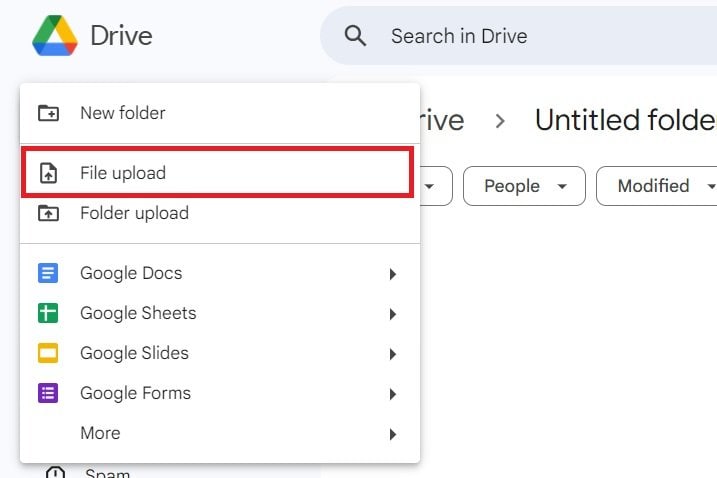
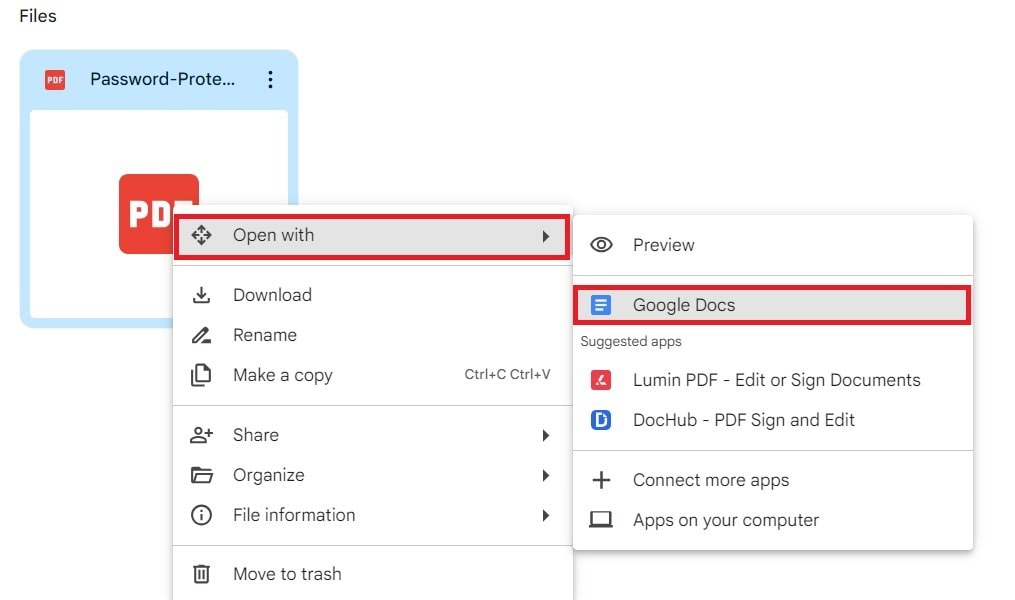
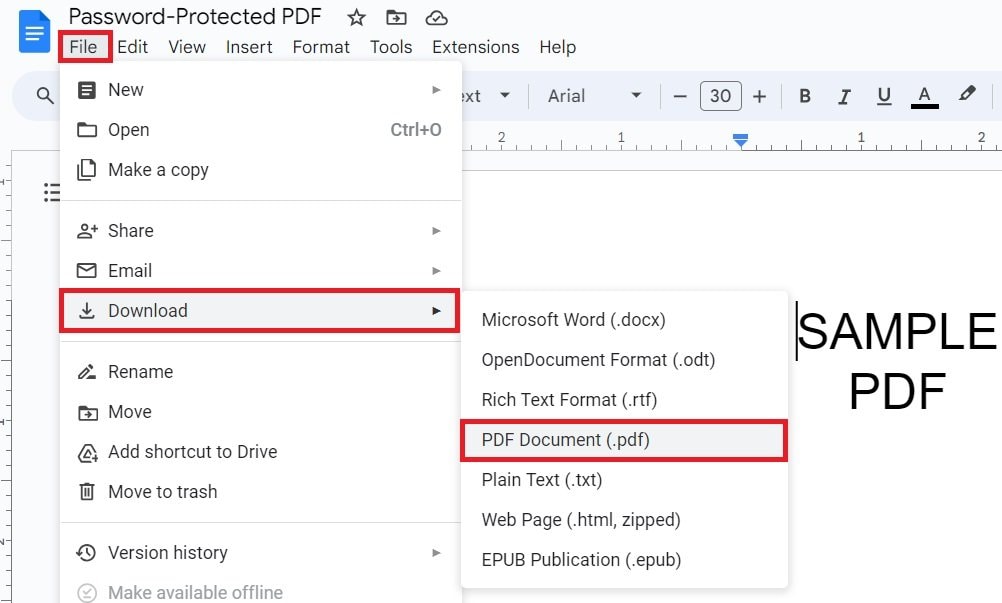
Older versions of this article suggested uploading a password-protected PDF to Google Drive or an online unlocker and downloading a new file. That workflow is not a reliable answer for an open-password PDF. A service cannot legitimately convert encrypted content that it cannot decrypt, and a cloud upload can expose confidential information to a third party.
Google Drive or an online PDF tool may help with a PDF that already opens and only has a permissions restriction, or with a file that you have authenticated locally and are intentionally converting. An online tool may advertise an option to remove passwords from PDFs, but that does not prove that an unknown open password has been removed. If a service such as PDFCandy asks you to upload a bank statement, contract, medical record, identity document, or customer data, stop and check your privacy and compliance requirements first.
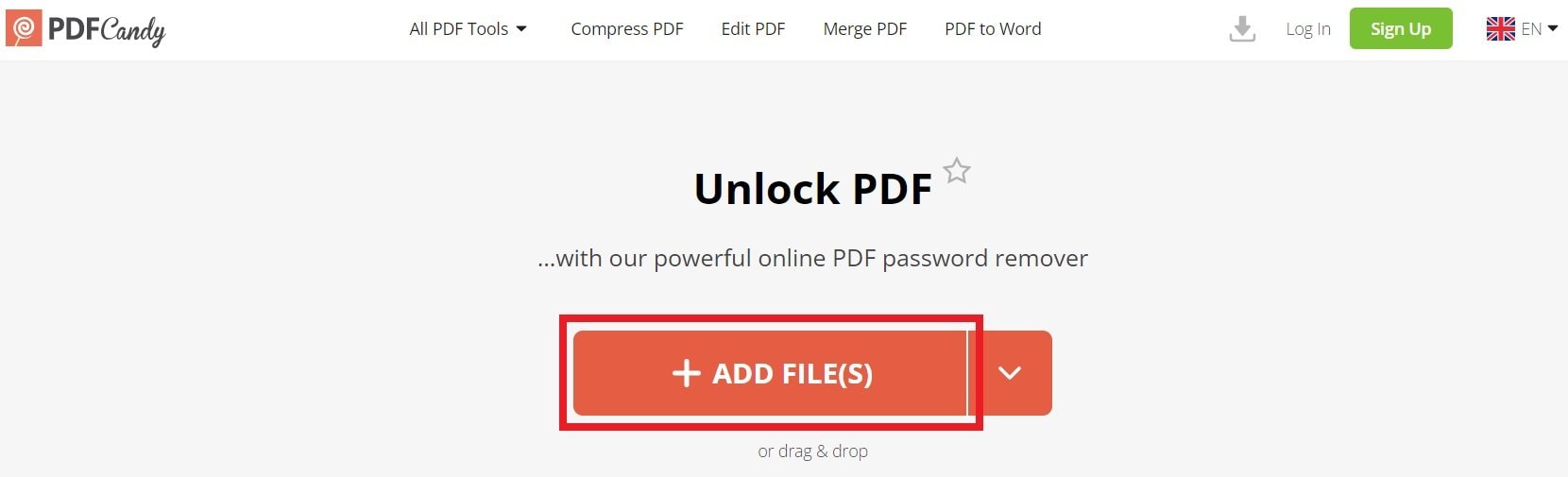
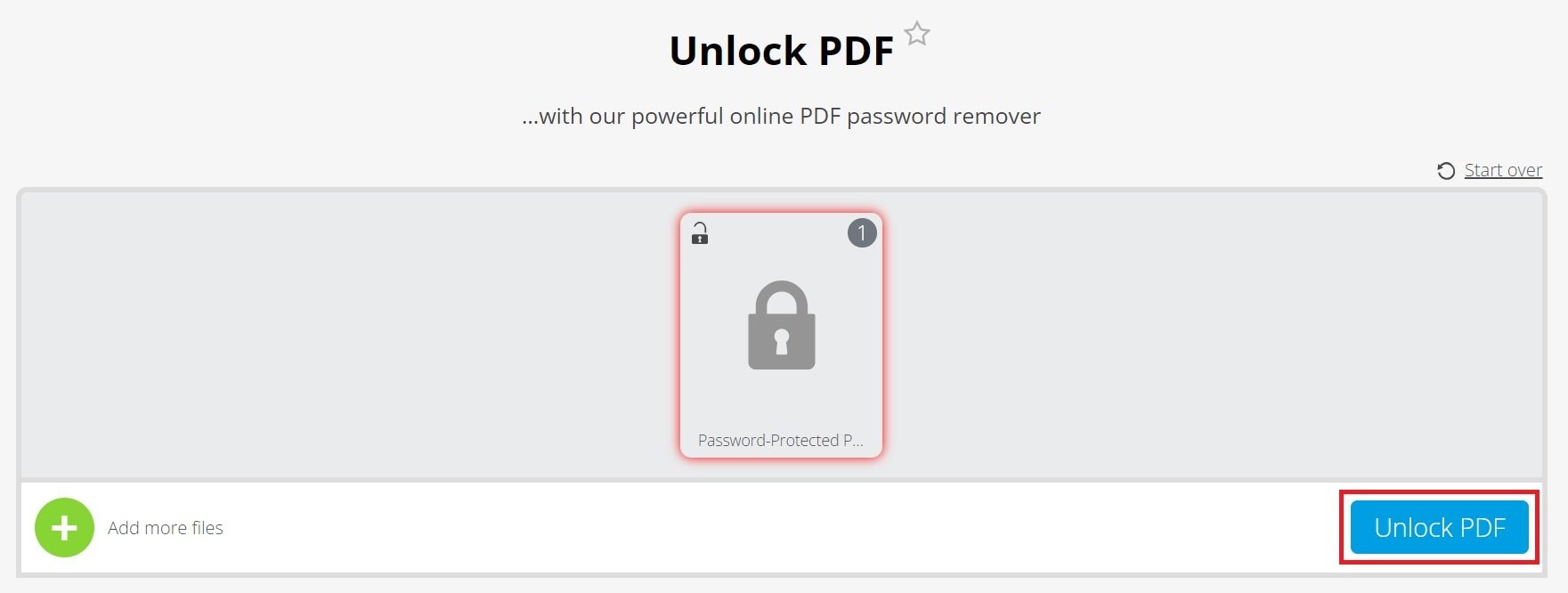
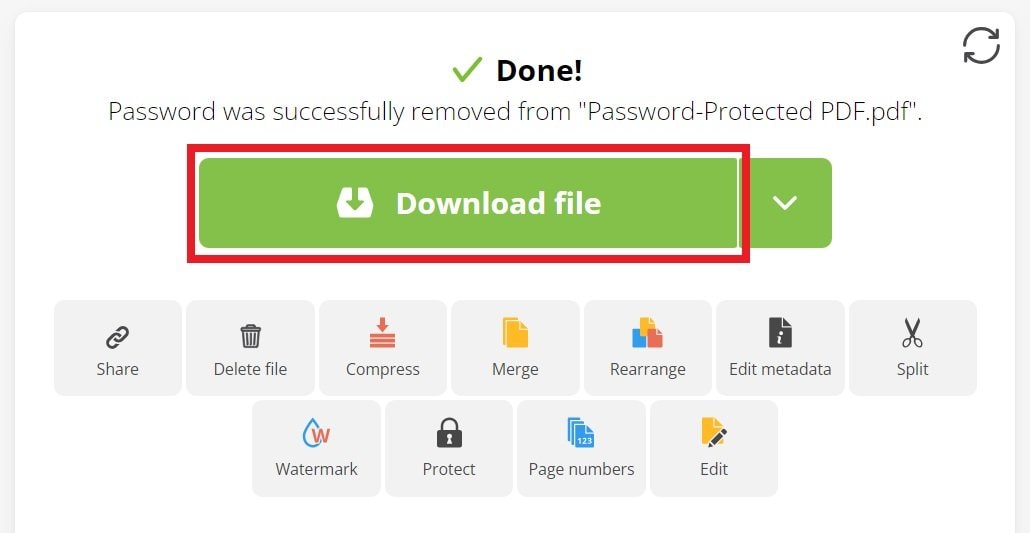
Do not follow instructions that claim Repairit, Google Drive, Adobe Reader, or a browser can crack a strong open password. Repairit does not bypass PDF passwords, decrypt protected files without legitimate credentials, or recover a password that was never supplied. If you do not have authorization, the correct action is to contact the owner rather than attempt to defeat the protection.
Part 4: How to Repair a Corrupted Protected PDF
When a PDF is authorized but damaged, the problem is not necessarily the password. A failed download, interrupted transfer, damaged object table, missing font, blank page, or malformed structure can prevent a viewer from opening or rendering the file correctly. In this situation, use a copy of the original and choose a supported PDF repair tool. Repairit can help repair corrupted PDF files; it is not a password bypass or decryption tool.

Wondershare Repairit - PDF File Repair
 Security Verified. Over 7,302,189 people have downloaded it.
-
Repair damaged files with all levels of corruption, including protected PDF file, blank PDF, PDF not opening, PDF picture issues, PDF color issue, PDF fonts missing, unreadable pdf, etc.
-
Fix text, hyperlinks, forms, headers, footers, graphs, watermarks in PDF, etc
-
Perfectly repair corrupted files with a very high success rate, without modifying the original file.
-
No limit to the number and size of the repairable files.
-
Support Windows 11/10/8/7/Vista, Windows Server 2003/2008/2012/2016/2019/2022, and macOS 10.13~macOS 13.
-
Except PDF, Repairit also supports all formats of Word, Word, Excel, PowerPoint, ZIP, and Adobe files.
Before repairing, make a duplicate and record the original file size, location, and any password or permission information you have. Do not save the repaired output over the protected source. If the PDF is still encrypted with an unknown open password, Repairit cannot make the protected content readable; obtain the credential or an authorized unencrypted copy first.
Step 1: Select More Types Repair and choose File Repair. Click the +Add button or drag and drop a copy of the corrupted PDF file.
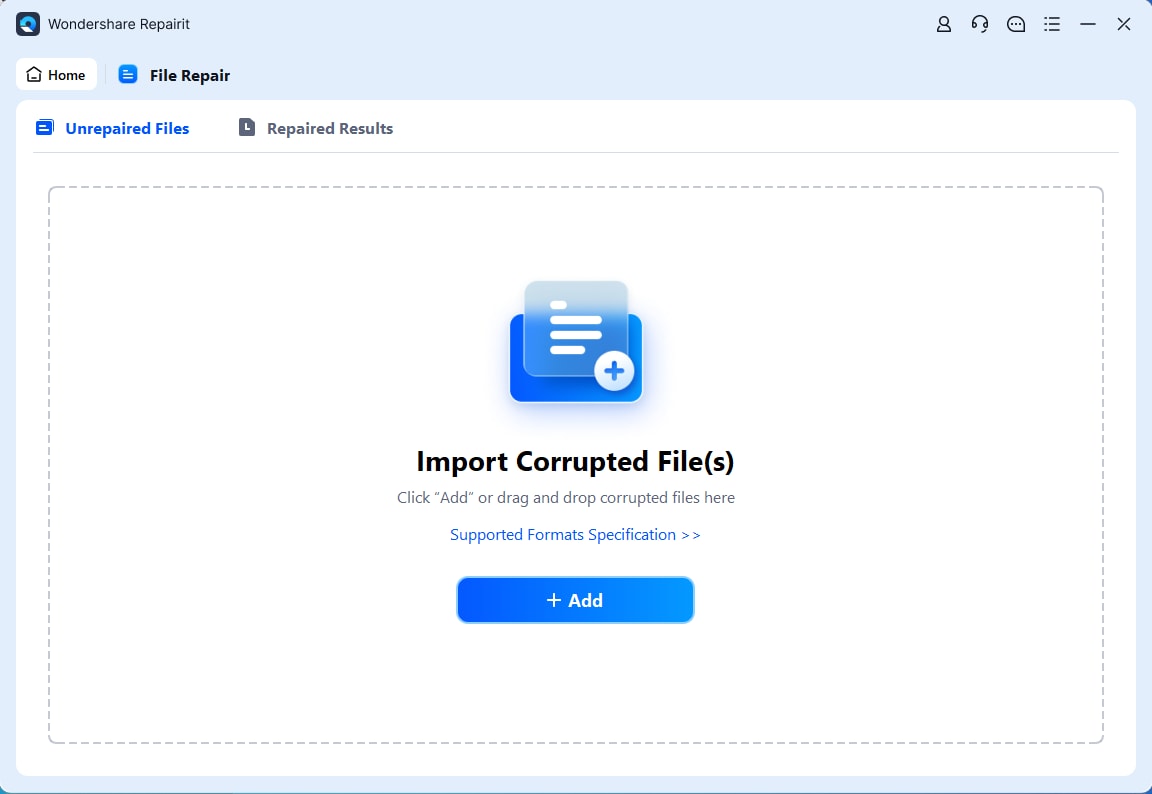
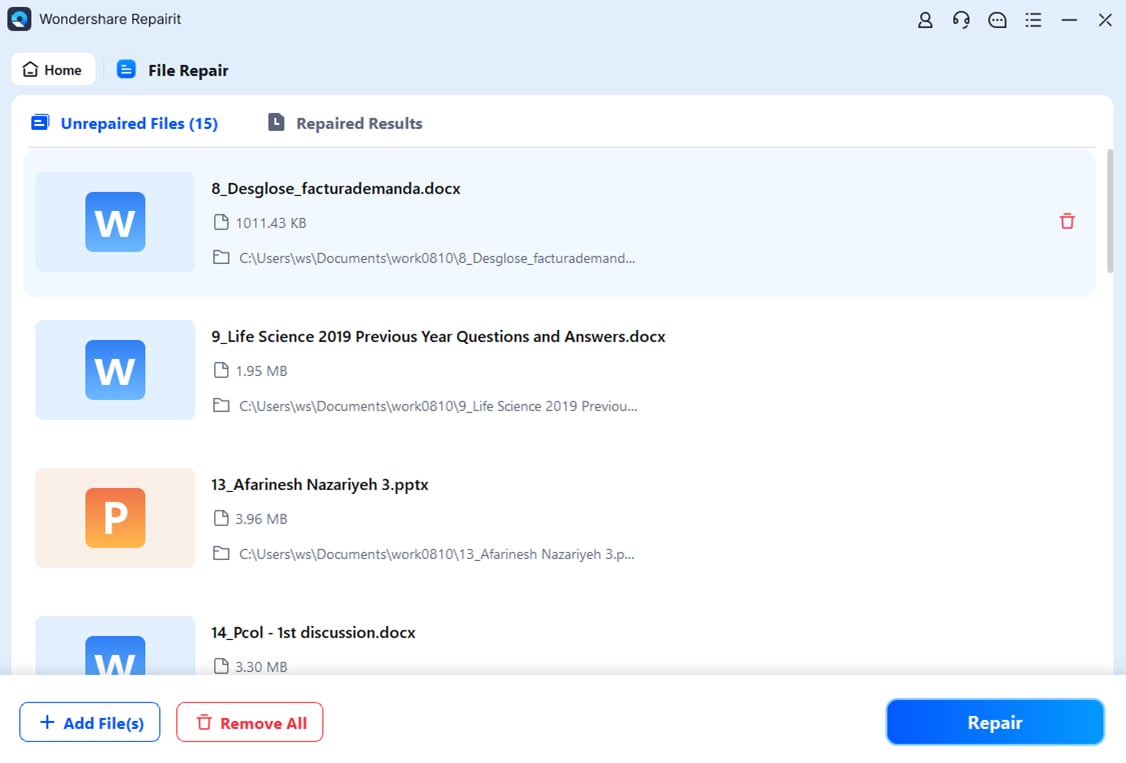
Step 2: After importing the PDF, click Repair to start the repair process. The result depends on the file structure, format, and severity of the damage.
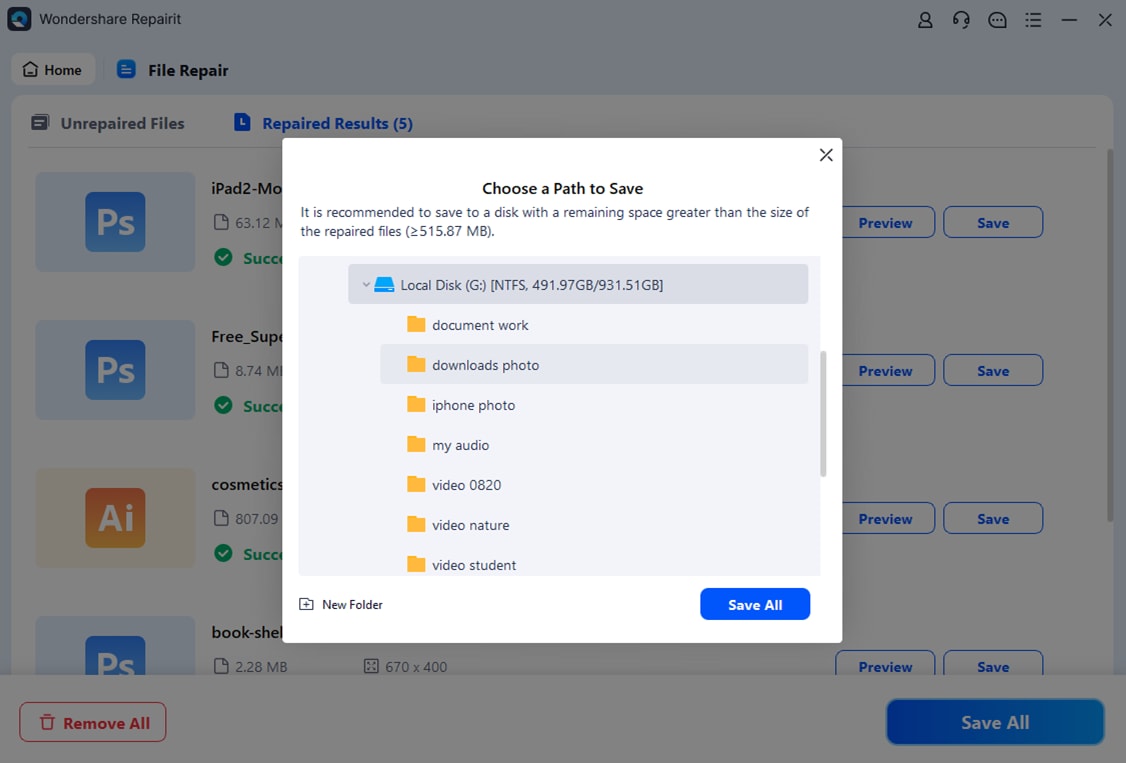
Step 3: Preview or inspect the repaired output, then select Save and choose a new destination. Open the saved copy in a PDF viewer and check pages, text, forms, links, images, and permissions before replacing anything in your workflow.
Repair Corrupted Protected PDF Files Now
Security Verified. Over 7,302,189 people have downloaded it.
Part 5: How to Prevent Future PDF Access Problems
- Store PDF passwords in an approved password manager instead of relying on memory alone.
- Send the password through a different channel from the protected PDF when appropriate.
- Keep the original protected PDF and an authorized working copy in separate, clearly named locations.
- Test that the recipient can open the file before deleting an export or backup.
- For forms and signed PDFs, check that printing to PDF or re-saving has not removed signatures, fields, bookmarks, tags, or metadata.
- Download important PDFs again from the original source if the file size is unexpectedly small or the transfer was interrupted.
- Use a local repair workflow for sensitive documents and review any organization's retention or data-processing rules before using an online service.
| Situation | Safest action |
| You know the password and want convenience | Remove security from a new copy with an authorized PDF editor or save workflow. |
| You do not know the open password | Contact the owner, sender, or administrator; do not attempt to crack or bypass it. |
| The PDF opens but is damaged | Repair a duplicate, inspect the output, and preserve the protected original. |
| The document is sensitive | Prefer local processing and confirm that any third-party service is approved. |
Conclusion
If you are asking how to open a password protected PDF without password, the answer depends on the protection type. An unknown open password cannot be safely or legitimately skipped; recover it from the sender, owner, password manager, or an authorized backup. If the PDF opens but has permission restrictions, request an allowed copy or remove security only after authenticating and confirming your rights. If the problem is corruption, use Repairit to attempt repair on a duplicate, then save and verify a separate output. These steps protect the document's integrity without presenting Repairit or an online service as a password bypass.
FAQ
-
Can I open a password-protected PDF without the password?
If the PDF has an open password and you do not know it, you should obtain the password or an authorized copy from the owner. Strong PDF encryption is specifically designed to prevent the content from being read without the correct credential. -
How do I open a locked PDF file without password when it only blocks printing or editing?
A PDF that opens but blocks printing, copying, or editing usually has a permissions restriction. Ask the owner for permission or an unrestricted copy. If you own the file and know the required credentials, use a licensed PDF editor to change security settings and save a new copy. -
Can Google Drive unlock a protected PDF without password?
Google Drive is not a universal way to bypass an open-password PDF. It may convert a PDF that already opens or has limited permissions, but it cannot reliably decrypt a document when the open password is unknown. Uploading a sensitive PDF also creates privacy and compliance risks. -
Can Adobe Acrobat remove a PDF password?
Adobe Acrobat can remove security from an authorized PDF after you open it and provide the required password. The exact menu names depend on the Acrobat edition and version. Save a separate copy and confirm that forms, signatures, metadata, and permissions still meet your needs. -
Can Repairit unlock a locked PDF without the password?
No. Repairit is for supported PDF corruption such as blank pages, missing text, or a file that will not open. It does not crack passwords, bypass encryption, remove DRM, or decrypt an open-password PDF without legitimate credentials. -
What should I do if a password-protected PDF is corrupted?
Keep the original file, make a duplicate, and repair the copy with a supported PDF repair workflow. After saving the repaired output, inspect pages, text, forms, links, and security settings. If the open password is unknown, obtain it before expecting any repair tool to read the encrypted content.




