
 TL;DR:
⚡ Quick Fix: How to Stop Video Freezing Instantly
Video freezing is usually caused by a corrupted file, outdated drivers, or player glitches. Use these fast methods to restore smooth playback:
● Fix Corrupted Files: If the video file itself is damaged, upload it to Wondershare Repairit. Click Repair to instantly rebuild the file structure and fix playback glitches.
● Update Graphics Drivers: Outdated hardware software causes rendering freezes. Open Windows Device Manager, expand Display adapters, right-click your GPU, and select update to install the latest driver.
● Clear Browser Cache: Accumulated junk data causes streaming videos to stall. Go to your browser settings, select Clear Browsing Data, set the time range to All Time, and clear cached files and cookies.
● Lower Resolution / Switch Players: Reduce system strain by lowering the playback resolution within your media player's settings, or simply open the file using an alternative video player like VLC.
Ask AI for a summary
 ChatGPT
 Perplexity
 Gemini
 Claude
 Grok
Grok
Experiencing an unexpected video freeze or playback glitch can ruin your viewing experience. In this guide, we will break down why your video keeps freezing and introduce 11 proven methods to resolve the issue permanently. Let’s dive in.

Part 1: What Is a Video Freeze?
A video freeze occurs when the media playback gets stuck on a single frame while the audio either continues or cuts out entirely. This common issue forces users to restart the media player or wait for the system to catch up.
Video freezing triggered by various software or hardware bottlenecks. The most common root causes include:
- Media Player Conflicts: Faulty media players, missing codec packs, or unsupported video file formats.
- Video File Corruption: Broken file headers or missing keyframes due to incomplete downloads or transfer errors.
- Network Constraints: Insufficient internet bandwidth, high latency, or unstable Wi-Fi connections during streaming.
- Hardware Performance Bottlenecks: High hardware usage caused by rendering ultra-high-resolution (4K/8K) videos on systems with limited RAM, full storage, or overloaded cache.
- Outdated Graphics Drivers: Outdated operating systems or GPU drivers causing critical rendering bugs and software glitches.
Part 2:Other Problems Related to Video Freezes

Besides video freezes, you could experience other video issues while playing. Some of the most common problems related to video freezes include:
- Video lagging – delays in the playback.
- Video stuttering – skipping frames.
- Video artifacts – distortions and pixelations during playback.
- Sync issues – out-of-sync audio and video.
- Buffering – constant video pausing due to pre-loaded data segments.
Part 3: How to Fix the “Video Keeps Freezing” Problem
Fortunately, numerous ways exist to fix a freezing video and make it watchable again. Follow our step-by-step instructions below to deploy these 11 proven troubleshooting techniques.
Check These Methods
Fix 1: Update Your OS
An outdated operating system carries unresolved system bugs that disrupt media rendering layers. Keeping Windows or macOS updated resolves these core performance conflicts.
For Windows 11/10 Users:
Step 1: Open the Start Menu and select the Settings gear icon (or press Win + I).
Step 2: Navigate to Windows Update (or Update & Security on older builds).

Step 3: Click the Check for updates button to scan for available patches.

Step 4: If an update is detected, click Download & Install, then restart your PC.

Fix 2: Reinstall Your Media Player
If structural application damage causes your videos to freeze, a clean reinstall of your media player can clear out underlying corrupt program files.
To Rebuild Windows Media Features:
Step 1: Press the Windows Key, type Optional Features or "Turn Windows features on or off" into the search bar, and hit Enter.

Step 2: Locate and expand the Media Features folder.
Step 3: Uncheck Windows Media Player, click OK, and restart your computer to uninstall it.

Step 4: After restarting, return to the same menu, re-check Windows Media Player, click OK, and reboot once more to finalize the clean reinstall.

Fix 3: Check Your Internet Connection
Online streaming streams require consistent bandwidth. If cloud-hosted videos keep freezing, check your connection integrity by running an online speed test. Switching from Wi-Fi to a wired Ethernet cable or rebooting your local router frequently stabilizes dropping data packets.
Fix 4: Fix Corrupted Video Files With Wondershare Repairit
If local video files freeze consistently at the exact same timestamp across multiple media players, the video file itself is likely corrupted. This structural damage requires a specialized repair utility.
Wondershare Repairit is a powerful video repair tool that can help you fix corrupted videos in just a few clicks. It has two repair modes—Basic and Advanced Repair. Thus, you can choose one according to the severity of the video corruption.
Steps to Restore Your Freezing Video via Repairit:
Step 1: Open Wondershare Repairit on your PC or Mac. Select Video Repair from the sidebar and click + Add to import the frozen video files.
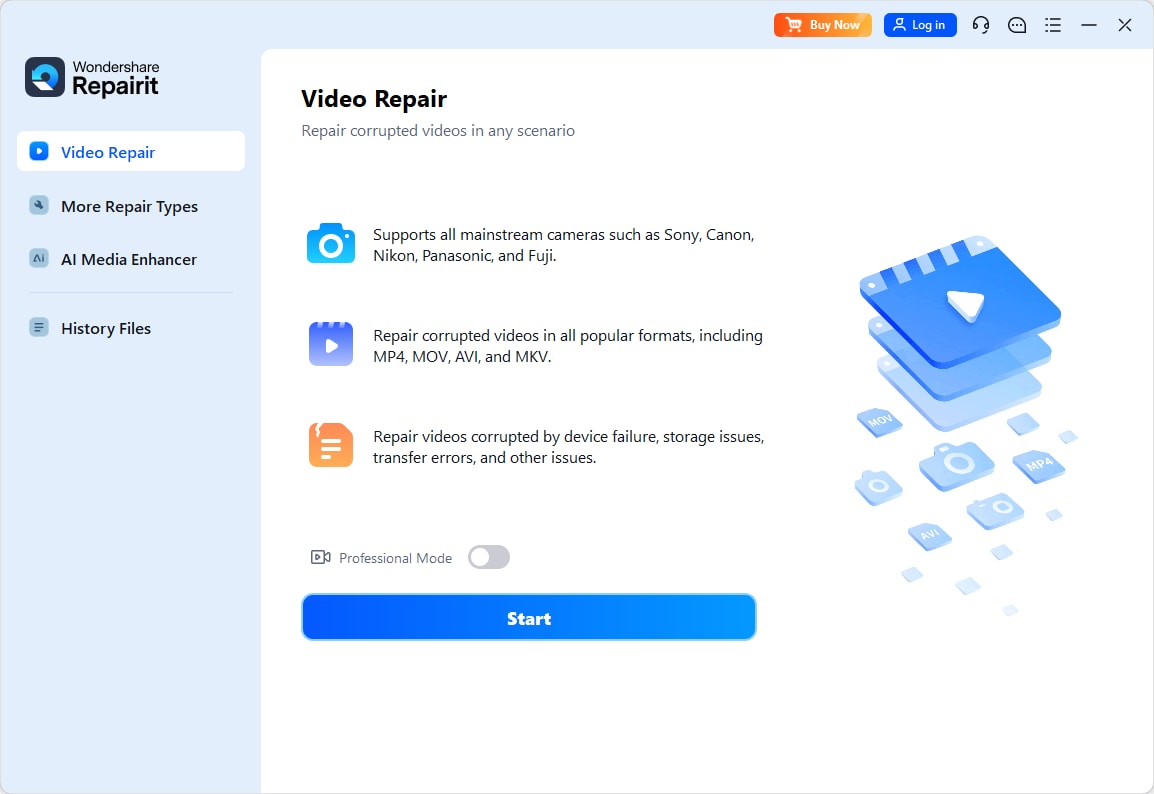
Step 2: Review your loaded video metadata, then click the Repair button to initiate data block reconstruction.
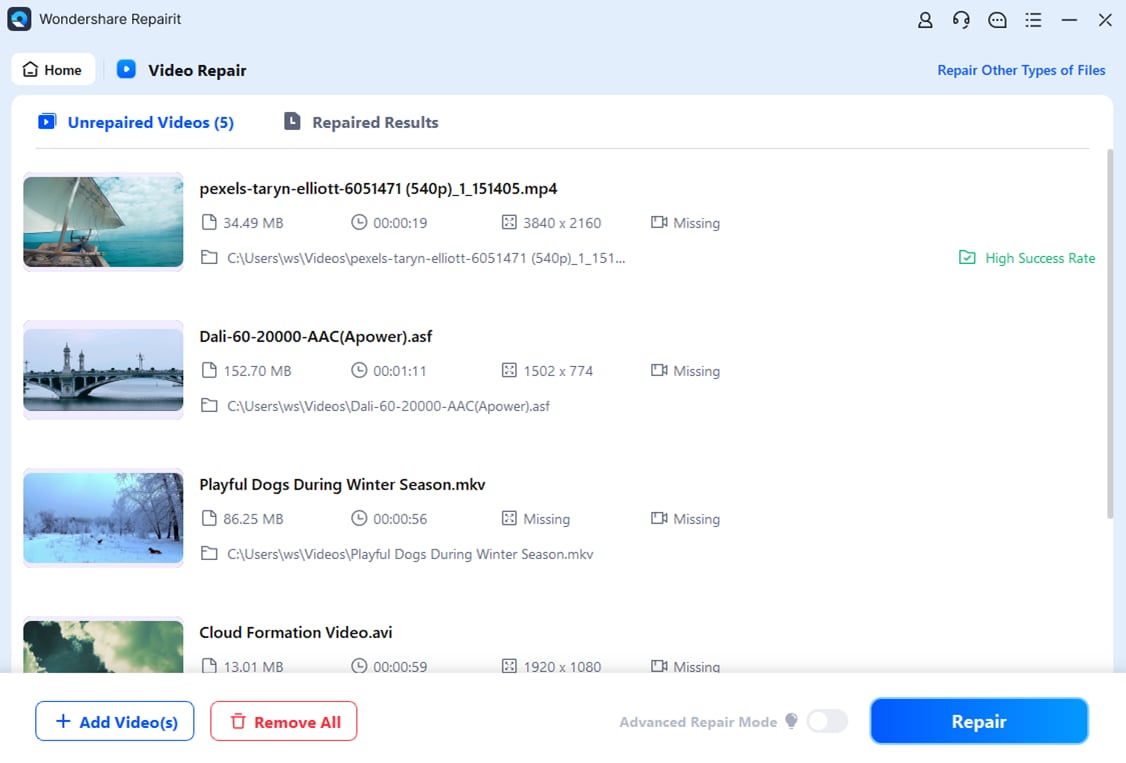
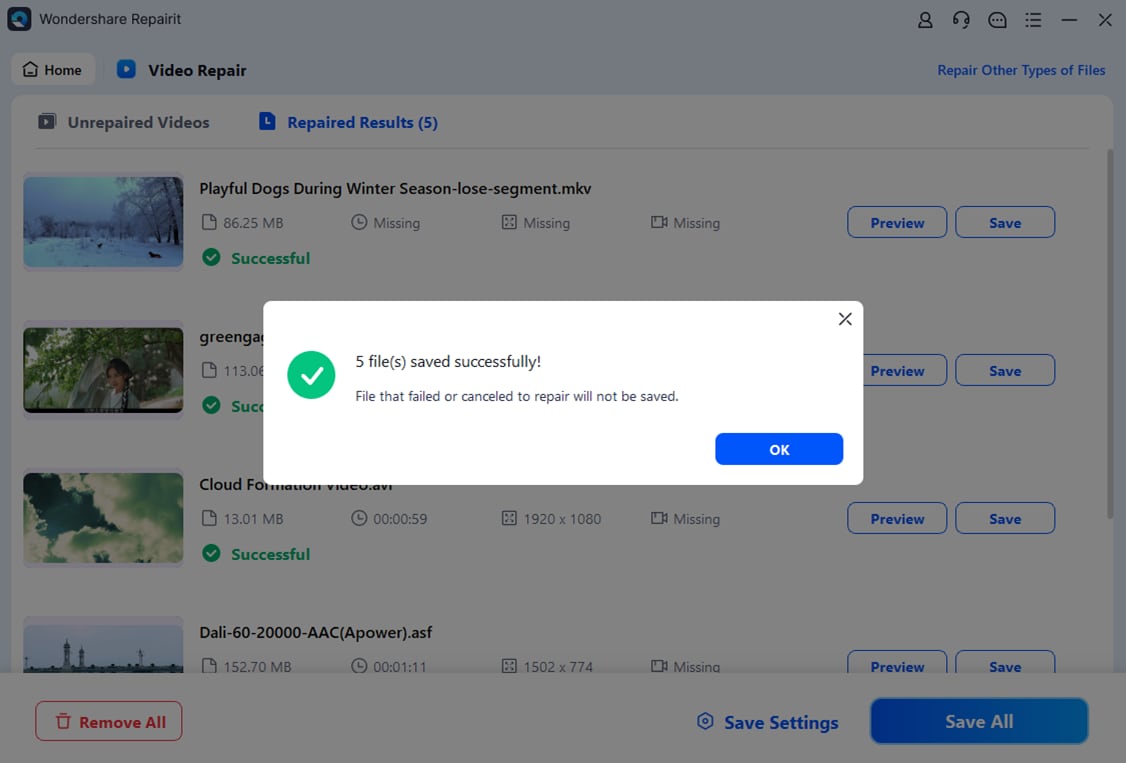
Step 3: Once finalized, a "Successfully Repaired" notification will display. Click OK.
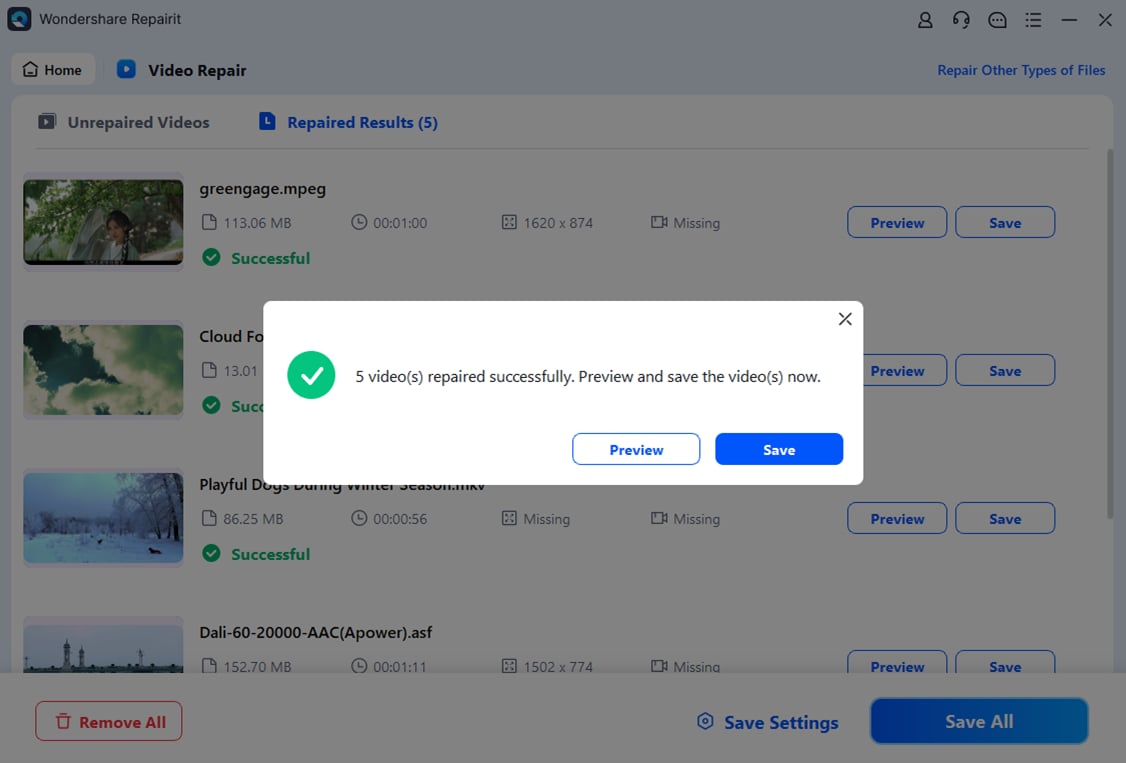
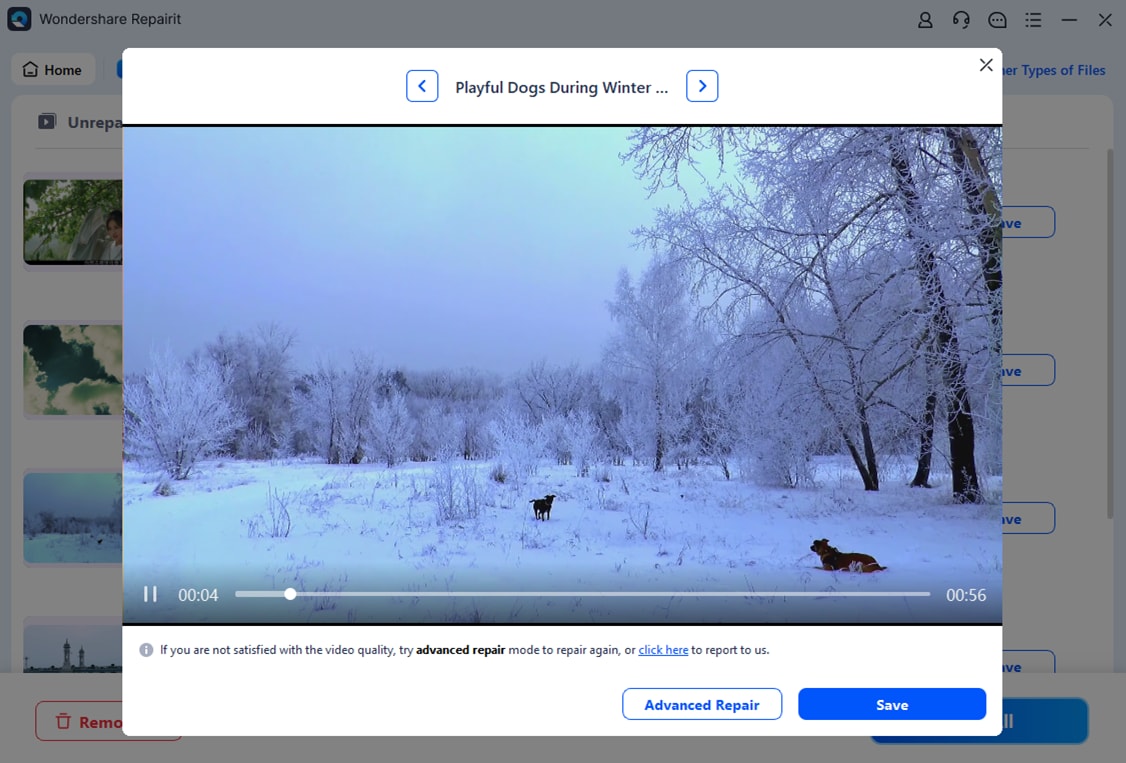
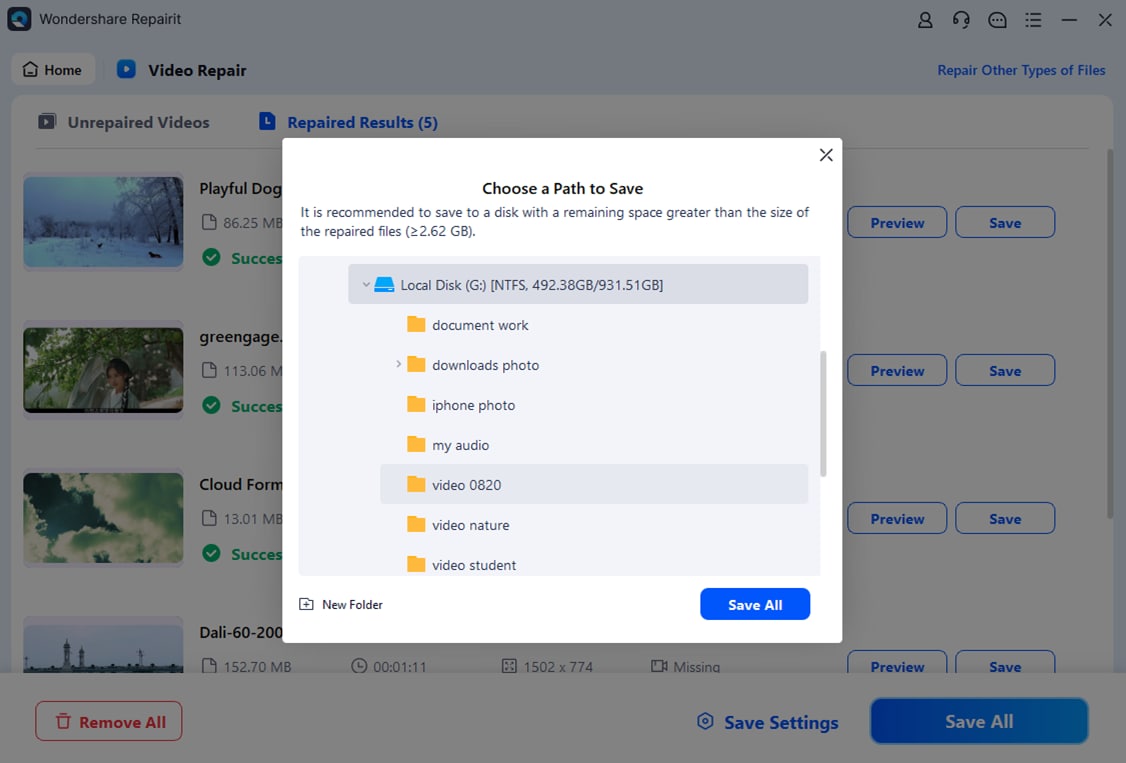
Step 4: Click Preview to audit the restored file timeline. If the playback runs smoothly without freezing, click Save to export it to a safe drive location.
Fix 5: Update Your Graphics Drivers
Outdated GPU software layers cause critical hardware rendering issues, resulting in visual stuttering and frame drops. Keeping display adapters updated prevents these conflicts.
Step 1: Right-click the Start Menu button and select Device Manager from the advanced system menu.

Step 2: Double-click to expand the Display adapters directory segment.
Step 3: Right-click your discrete graphics hardware engine (Intel, NVIDIA, or AMD) and select Properties.

Step 4: Select the Driver tab to verify your current driver build version.

Step 5: Head to your official GPU manufacturer’s website, check for updates against your noted model specifications, and install the latest stable driver release package.
Fix 6: Set the Correct Resolution
Playing high-bitrate Ultra HD (4K/8K) videos on modest hardware specs can easily overload your GPU, triggering severe frame drops. Lowering the playback scaling parameters or matching the video to your display's native resolution can quickly resolve these performance issues.
To Configure Playback Resolution inside VLC Media Player:
Step 1: Launch VLC Media Player, open the top menu bar, click Tools, and choose Preferences.

Step 2: At the bottom left under Show settings, toggle the radio choice from Simple to All.
Step 3: Navigate to the Input / Codecs advanced settings branch segment.

Step 4: Under Track settings, expand the Preferred video resolution drop-down options, choose a more conservative resolution parameter (like Standard Definition or Full HD), and save settings.

Fix 7: Free Up System Storage Space
When your system drive (typically C:) drops below 10% capacity, Windows loses the virtual memory buffer space needed to cache temporary video components. Deleting unneeded local downloads or offloading massive storage folders to an external backup hard drive immediately frees up system storage space to resolve playback choking.
Fix 8: Restart Your Device
Minor system runtime glitches and temporary ram leaks can easily cause video freezes. Clicking the Start Menu, selecting the Power option, and executing a clean Restart flushes your active system cache and terminates background background processes, quickly clearing out minor performance bugs.

Fix 9: Clear Browser Cache and Cookies
When streaming web media assets on platforms like YouTube, bloated browser data can slow down web acceleration performance. Cleaning this internal storage area helps restore fluid streaming playback.
For Google Chrome Users:
Step 1: Click the three dots Menu icon in the upper right corner, then select Clear browsing data (or use Ctrl + Shift + Delete).

Step 2: Set the target time range option setting to All time.

Step 3: Check both Cookies and other site data and Cached images and files, then click Clear data.
Fix 10: Install the Latest Codecs
Media players require updated codec matrices to properly decode modern video compression algorithms (such as H.265/HEVC or AV1). Enabling automatic utility updates ensures your local media players maintain full codec compatibility.
To Configure Codec Updates inside Windows Media Player Legacy:
Step 1: Select Tools > Options from the primary application dashboard interface layout toolbars.

Step 2: Check the Once a day automation tracking checkbox listed right below the Automatic updates tab properties framework, then apply changes.

Fix 11: Switch to a Different Video Player
If your default system software continues to freeze while playing specific video files, it may lack native acceleration profiles for that encoding format. Try playing the file in a versatile, open-source media app like VLC Media Player or KMPlayer. If the video runs cleanly there, your previous player likely has software bugs or format limits.
Conclusion
If your video keeps freezing, it can be frustrating to keep watching. Video freezes can happen for numerous reasons, such as corruption, media player issues, poor internet connection, outdated drivers, or performance problems. Besides video freezes, you may experience lagging, stuttering, video artifacts, sync issues, buffering, etc.
Fortunately, you can resolve this problem with several straightforward fixes. You can fix a video that keeps freezing by updating your OS, codecs, and graphics drivers, restarting your computer, clearing cache and cookies, reinstalling or changing your video player, setting the correct resolution, or using Wondershare Repairit.



