
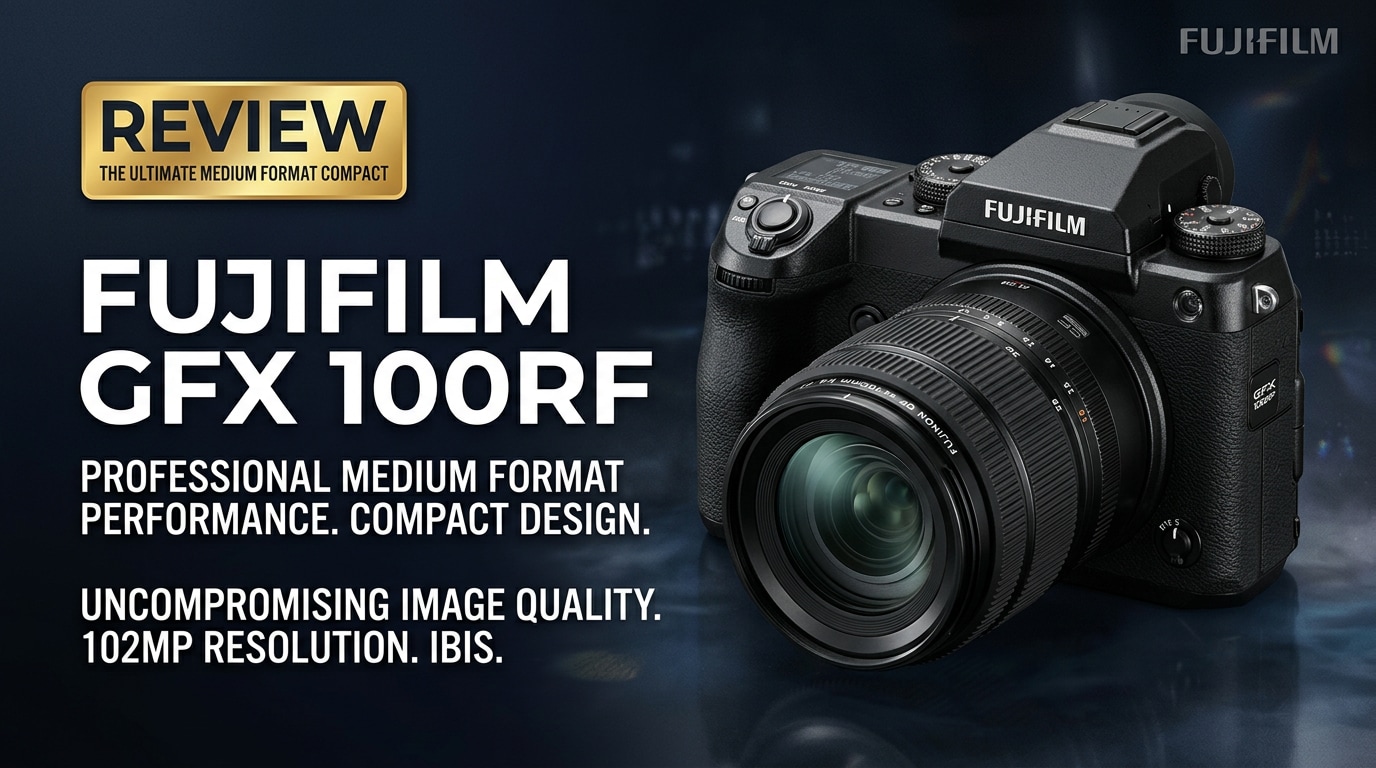
The Fujifilm GFX 100RF is a next-generation medium format mirrorless camera designed for creators who demand immense resolution, rich dynamic range, and robust video tools in a body that can leave the studio. It blends Fujifilm's color science with modern autofocus, stabilization, and connectivity, aiming to give full-frame users a meaningful step up in image quality without sacrificing everyday usability.
Repair Corrupted Files To Save Your Data
 Security Verified. Over 7,302,189 people have downloaded it.
In this article
What is New About Fujifilm GFX 100RF
The GFX 100RF refines Fujifilm's medium format concept by pushing resolution, autofocus intelligence, and handling further than previous GFX bodies. It targets hybrid shooters who want a camera capable of both billboard-sized stills and polished video without resorting to a separate system.
- More compact, rangefinder-style-inspired body that is easier to carry than bulky studio-oriented medium format cameras.
- Updated high-resolution sensor paired with faster processing for better subject tracking, eye/face AF, and lower rolling shutter.
- Improved in-body image stabilization (IBIS) to keep handheld shots sharp, even at lower shutter speeds and in low light.
- Enhanced video toolset with higher recording resolutions, flexible codecs, and improved heat management for longer clips.
- Expanded film simulations and color control aimed at making JPEGs and straight-out-of-camera video more usable.
Full Specs at a Glance
While exact specifications can vary slightly depending on firmware and regional configurations, the Fujifilm GFX 100RF sits firmly in the high-end medium format category. Below is a simplified overview to help position it against full-frame rivals and other GFX bodies.
Sensor and Image Quality
| Feature | Fujifilm GFX 100RF (Key Specs) |
|---|---|
| Sensor Type & Size | Medium format CMOS, approx. 44 x 33 mm |
| Effective Resolution | Roughly 100 MP class for extreme detail and large prints |
| Native ISO Range | Typically low base ISO with extended upper range for flexibility |
| Dynamic Range | Wide latitude for recovering shadows and highlights in RAW files |
| File Formats | Fujifilm RAW (RAF), JPEG, and various video codecs depending on mode |
Body, Controls, and Connectivity
| Feature | Details |
|---|---|
| Mount & Lenses | Fujifilm G-mount, compatible with GFX medium format lenses |
| Stabilization | In-body image stabilization designed for handheld stills and video |
| Viewfinder & LCD | High-resolution electronic viewfinder and tilting or articulating rear screen |
| Video Capabilities | High-resolution internal recording with log profiles and external output options |
| Storage & Ports | Dual card slots, USB-C, HDMI, and audio connections for pro workflows |
Real-World Performance
In the field, the GFX 100RF shines when you demand maximum detail and tonal subtlety. The large sensor delivers files that can be pushed heavily in post, whether you are working on fine art, landscape, or commercial campaigns. Shadow noise remains well controlled at typical working ISOs, and highlight roll-off is smoother than most full-frame rivals.
Autofocus feels more confident than earlier medium format cameras, particularly in good light. The system tracks faces and eyes reliably for portraits and editorial work, though it may not match the blistering speed of the latest sports-oriented full-frame bodies. IBIS is a major asset, making it realistic to shoot handheld in situations that once demanded a tripod.
For video, the Fujifilm GFX 100RF offers a distinctive look thanks to its sensor size and color science. Footage has a cinematic depth with pleasing separation between subject and background. As always with high-resolution sensors, storage and processing requirements are heavy, so fast cards and a capable editing machine are essential.
Pros & Cons
Pros
- Massive 100 MP-class resolution ideal for large prints, cropping, and premium commercial work.
- Medium format sensor delivers rich tonal transitions and generous dynamic range.
- Improved AF and IBIS make handheld medium format shooting realistic.
- Hybrid-friendly design with advanced video options and good ergonomics.
- Fujifilm film simulations and color science provide attractive images out of camera.
Cons
- Larger, heavier, and more expensive system than typical full-frame kits.
- High-resolution files demand significant storage and computing resources.
- Autofocus, while much improved, still trails the very fastest full-frame sports cameras.
- Native G-mount lenses can be costly, especially fast aperture primes and zooms.
- Medium format depth of field can be challenging for fast-paced work if you are not used to it.
Who Is This Camera For?
The Fujifilm GFX 100RF is aimed at photographers and filmmakers who prioritize image quality above all but still need mobility. It particularly suits:
- Commercial, fashion, and editorial shooters who deliver large-format campaigns and high-end client work.
- Landscape and fine art photographers who print big and expect maximum detail and dynamic range.
- Portrait photographers who value subtle skin tones, depth, and the ability to crop flexibly.
- Hybrid creators and small studios wanting one main body for both stills and cinematic video.
- Experienced full-frame users ready to move into medium format without embracing a purely studio-bound system.
What to Do If Your Fujifilm GFX 100RF Files Get Corrupted
Why Use Repairit for GFX 100RF Files
When you are working with high-value shoots on the Fujifilm GFX 100RF, file corruption can be devastating. Instead of experimenting with risky manual fixes, you can rely on Wondershare Repairit, a dedicated repair toolkit built for photos, videos, and other files from modern cameras. Visit the Repairit official website to download the software and quickly repair damaged RAF stills or video clips from your GFX workflow.
Key Features of Repairit
- Repairs corrupted or unplayable photo and video files from cameras, memory cards, and other storage devices without demanding technical skills.
- Supports multiple formats and allows batch repair so you can process an entire problematic shoot in one pass.
- Guided, step-by-step interface that walks you from adding files to previewing and saving repaired media safely.
Step-by-Step: Repairing Corrupted GFX 100RF Files
-
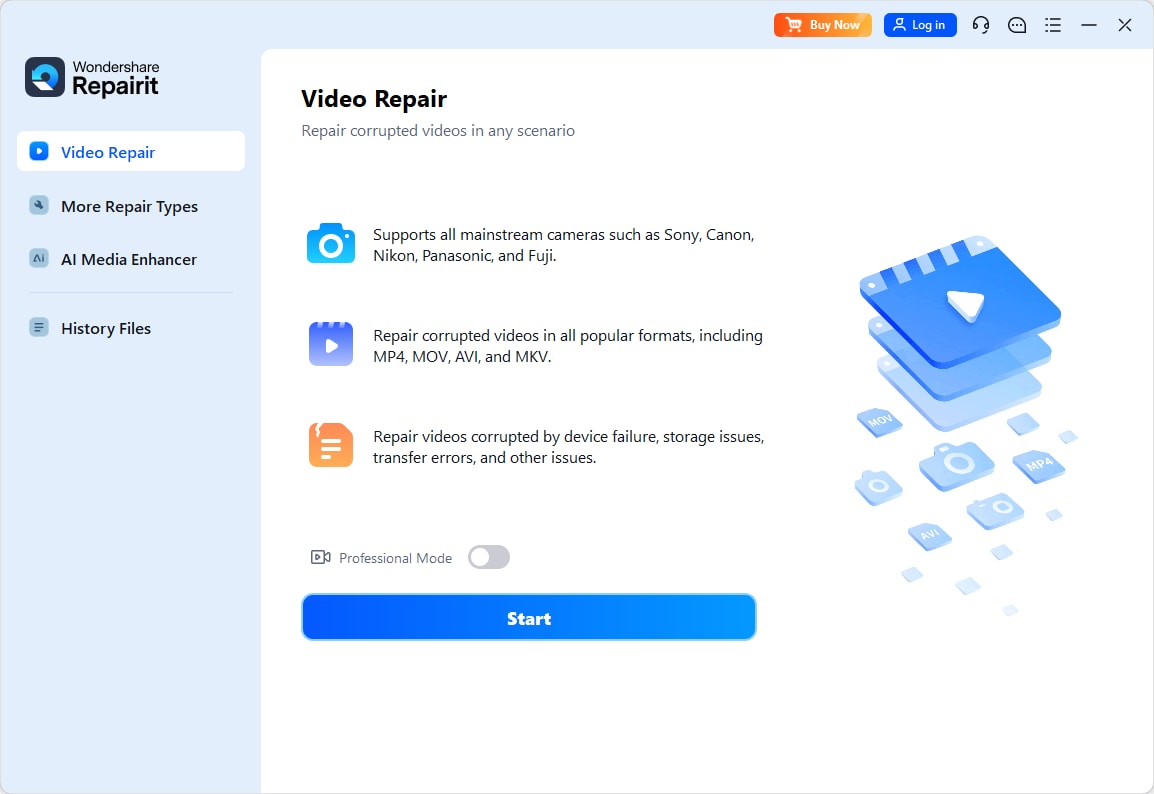
Choose a Location to Repair Data
Install and launch Wondershare Repairit on your computer. On the home screen, select the appropriate module for photos or videos, then click to add your problematic GFX 100RF files. You can import them directly from your memory card, card reader, or a folder where you copied the shoot. This tells Repairit exactly which files need attention.
-
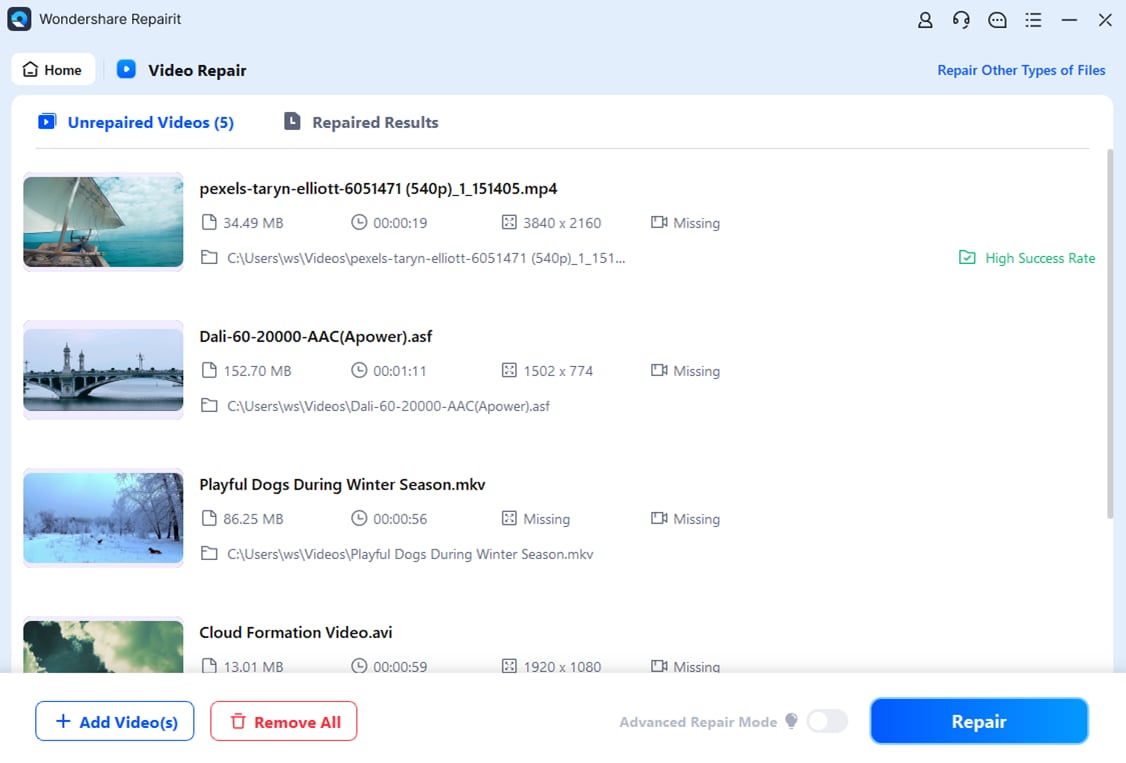
Deep Scan the Location
Once the damaged RAF images or video clips are loaded, start the repair process. Repairit will analyze file headers, structure, and metadata to identify where corruption occurred. Behind the scenes, it attempts to reconstruct missing or broken segments so that the files become readable again, even if they previously refused to open or play smoothly.
-
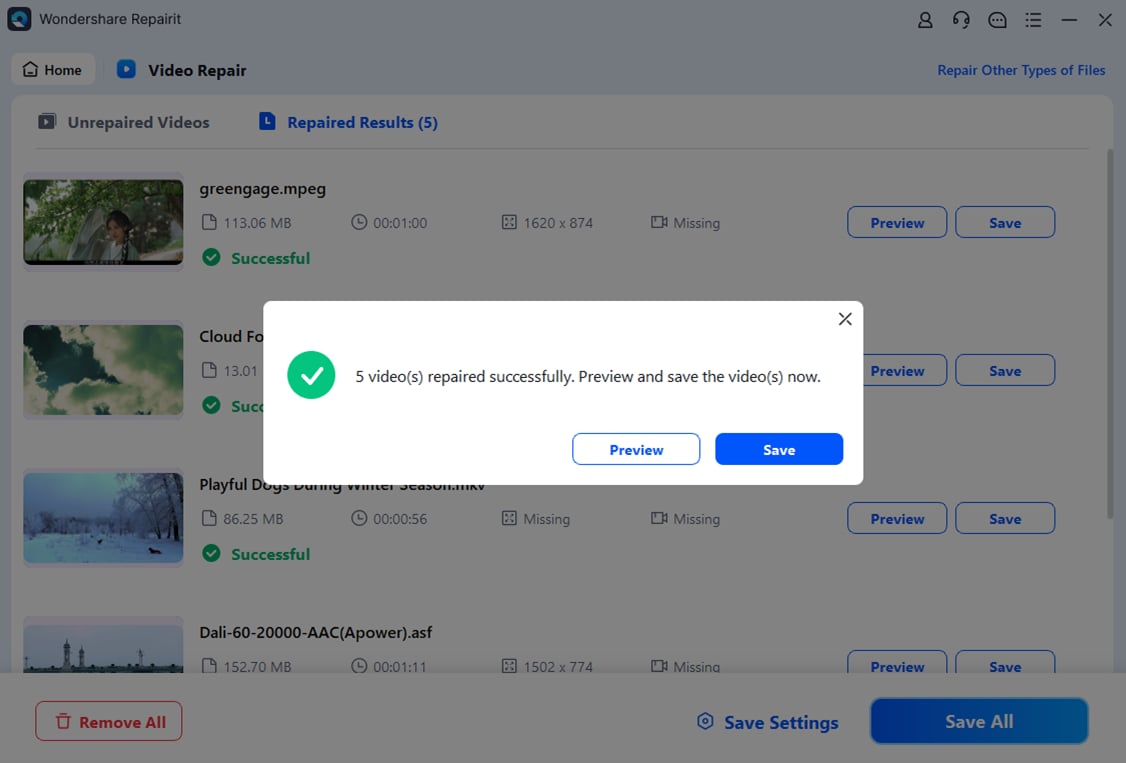
Preview and Repair Your Desired Data
After the repair finishes, use the built-in preview window to check a sample of each recovered file. Confirm that photos display correctly and that video clips play without glitches or artifacts. Finally, select the files you want to keep and save them to a secure location, such as a different drive or backup folder, so your Fujifilm GFX 100RF work is safely preserved.
Conclusion — Should You Buy?
The Fujifilm GFX 100RF delivers true medium format image quality in a camera that does not feel locked to the studio. Its blend of resolution, dynamic range, stabilization, and video features makes it a compelling upgrade for professionals and serious enthusiasts who have outgrown full-frame systems.
If you regularly shoot high-value commercial work, fine art prints, or cinematic projects where every pixel counts, the GFX 100RF is a strong investment. Pairing it with a safety net like Wondershare Repairit ensures that, even if files become corrupted, you have a practical path to rescuing your most important images and footage.
FAQ
-
1. Is the Fujifilm GFX 100RF suitable for handheld shooting?
Yes. The Fujifilm GFX 100RF is designed with in-body stabilization and an ergonomic layout that make handheld shooting far more practical than older medium format bodies, especially for street, travel, and environmental portraits. -
2. How does the Fujifilm GFX 100RF compare to full-frame cameras?
The GFX 100RF typically offers higher resolution, greater dynamic range, and smoother tonal transitions than most full-frame cameras. In return, you accept larger lenses, bigger files, and a higher overall system cost. -
3. Can I use the Fujifilm GFX 100RF for professional video projects?
Yes. The camera includes advanced video resolutions and profiles suitable for professional work, though you should confirm final specs such as codecs, frame rates, and external recording options to ensure they meet your workflow needs. -
4. What should I do if my GFX 100RF RAW files become corrupted?
Immediately stop shooting on that card to avoid overwriting data, copy any readable files to a computer, and then use a repair tool like Wondershare Repairit to attempt recovery of damaged RAF images or video clips. -
5. Do I need special lenses for the Fujifilm GFX 100RF?
Yes. The GFX 100RF uses Fujifilm G-mount medium format lenses. While some third-party or adapted lenses may work, native GFX lenses generally deliver the best optical performance and autofocus reliability.