
If you have ever wondered what is GPR File after seeing this unfamiliar extension on your camera or computer, you are not alone. GPR files are usually specialized RAW photos or data created by particular devices, and common viewers may not recognize them. Knowing what a GPR file stores, how it differs from formats like JPG, and the right way to open, convert, or repair it will help you protect image quality and avoid losing valuable shots.
Repair Corrupted Files To Save Your Data
 Security Verified. Over 7,302,189 people have downloaded it.
In this article
What Is GPR File
The phrase GPR file usually refers to a RAW image or specialized data file created by certain devices or professional tools. In many photography workflows, a GPR image is a RAW photo that preserves far more color and exposure information than compressed formats like JPG. Because the data is minimally processed, editors have extra freedom to correct highlights, shadows, and white balance without degrading quality.
Depending on the source device, a GPR raw file may use a proprietary structure that only specific apps understand. That is why double-clicking it in a standard image viewer can result in an error or a blank screen. Understanding exactly which device created your GPR file is the key to choosing the right software to open, convert, or repair it.
Main types of GPR files
GPR is not a single universal standard. Instead, it can represent a few related but different file types, including:
- Camera RAW photos: Some advanced cameras and drones generate GPR as a high-quality RAW photo format for professional editing workflows.
- Proprietary imaging data: Certain vendors rely on GPR to store sensor data, metadata, and processing instructions that their own software can interpret.
- Specialized project or measurement data: In some technical tools, GPR can represent geophysical or research data, which is readable only in the associated analysis software.
Because each variant has its own structure, not every program that supports one GPR type will automatically support another.
GPR vs common image formats
When you compare GPR to formats such as JPG or PNG, several differences stand out:
| Format | Main Characteristics |
|---|---|
| GPR (RAW) | High bit depth, minimal compression, retains rich detail for color grading and exposure correction; larger file size. |
| JPG | Lossy compression, small size, widely supported; some image detail is permanently discarded. |
| PNG | Lossless compression, supports transparency; good for graphics and screenshots, but larger than JPG. |
In practice, you keep GPR files as a master archive and export copies to JPG or PNG when you need easy sharing or web use.
How to Open GPR File
Opening a GPR file depends on the software support for your exact variant. Generic image viewers often fail, so you usually need a RAW editor or the manufacturer-provided application.
Open GPR on Windows and Mac
On both Windows and macOS, you can follow a similar approach to work with GPR photos safely:
- Identify the source device or app that created the GPR file by checking your camera model, drone, or software documentation.
- Install or update compatible tools such as Adobe Lightroom, Adobe Photoshop, or the camera maker's official suite if they declare support for your GPR image type.
- Launch the chosen program and use its "Import" or "Open" dialog instead of double-clicking the file in the file explorer.
- Check whether an additional RAW codec or plugin is required on your system and install it if prompted.
- Once opened, view and adjust exposure, white balance, noise reduction, and other settings before exporting to a more common format.
If your GPR is not a photo but a technical or Garmin GPR-style data file, contact the device or software vendor to find its dedicated viewer or analysis tool.
Tips if your GPR will not open
If your attempt to open GPR file keeps failing, the problem might be compatibility or corruption. Try these checks before assuming the file is lost:
- Confirm the file extension: Make sure it is actually .gpr and not a similarly named format.
- Try multiple programs: Test the file in two or three different RAW editors or in the manufacturer's software.
- Rule out transfer errors: If you copied the file from a card or USB drive, recopy it using a different cable or reader.
- Scan for corruption: If the file still refuses to open, consider that it may be damaged and prepare to use repair software so you do not overwrite the only copy.
How to Convert GPR File to JPG
Because GPR is not widely supported, you may want to convert a GPR raw file into a standard JPG for quick viewing, sharing, or printing. Conversion compresses and flattens the image, so you should keep the original GPR as your editable master.
Convert with desktop software
Most RAW-capable editors can convert GPR to JPG with flexible quality settings. The precise names of menu options differ slightly, but the process usually looks like this:
- Open your GPR file in a compatible RAW editor or the manufacturer's own software.
- Adjust basic controls such as exposure, contrast, highlights, shadows, and white balance until the preview looks right.
- Apply optional tweaks like lens correction, sharpening, noise reduction, or cropping to fine-tune the output.
- Choose "Export," "Save As," or a similar command and set the output format to JPG.
- Pick a quality level that balances file size and detail, then confirm the export and select a safe destination folder.
Many tools also offer batch export, so you can convert entire folders of GPR images to JPG in one go.
Best practices before conversion
When preparing to convert GPR images, consider these best practices to avoid regrets later:
- Keep the original GPR: Never delete the master file; JPG is lossy and not ideal for heavy future edits.
- Check color profiles: Make sure the export uses an appropriate profile such as sRGB for web or standard printing.
- Use non-destructive editing: Save edits as metadata or sidecar files where possible, so you can re-export with different settings if needed.
How to Use Repairit to Fix a Corrupted GPR File
Why choose Repairit for GPR issues
If your GPR file becomes unreadable or gets damaged during transfer, a professional repair utility can dramatically increase your chance of recovery. Wondershare Repairit is designed to handle corrupted photos, videos, and files from a variety of storage locations, and it offers an easy workflow even if you are not a technical expert. You can explore all capabilities on the Repairit official website.
Key features of Repairit
- Repairs broken or corrupted photos, videos, and documents from local disks, SD cards, USB drives, and other storage media.
- Supports advanced repair modes to tackle severely damaged media files that ordinary viewers cannot open.
- Lets you preview repaired files before saving them, so you can verify quality and recover only what you need.
Steps to repair damaged GPR data
When a repair GPR file attempt is necessary, act quickly and avoid saving new data onto the affected drive. Then follow these Repairit steps to locate and restore usable content.
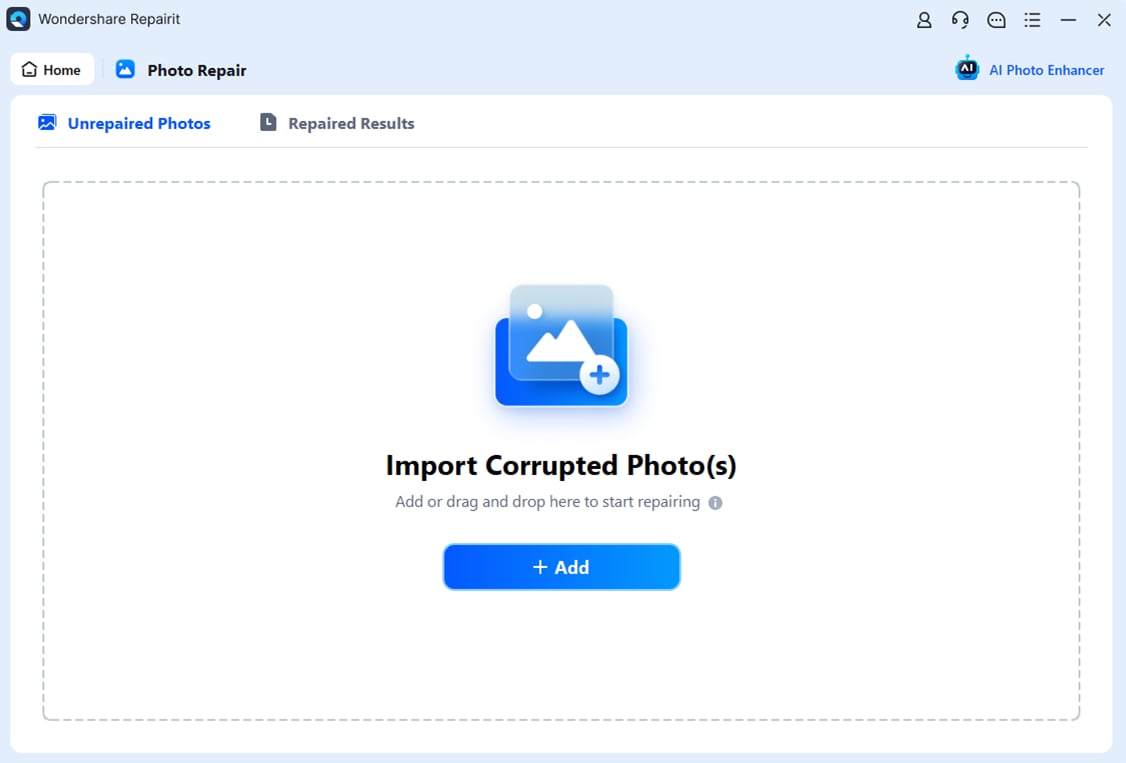
- Choose a Location to Repair Data
Install and launch Wondershare Repairit, then switch to the Data Recovery module from the main screen. Look through the listed locations and select the drive, folder, memory card, or external device where your GPR files were originally stored.
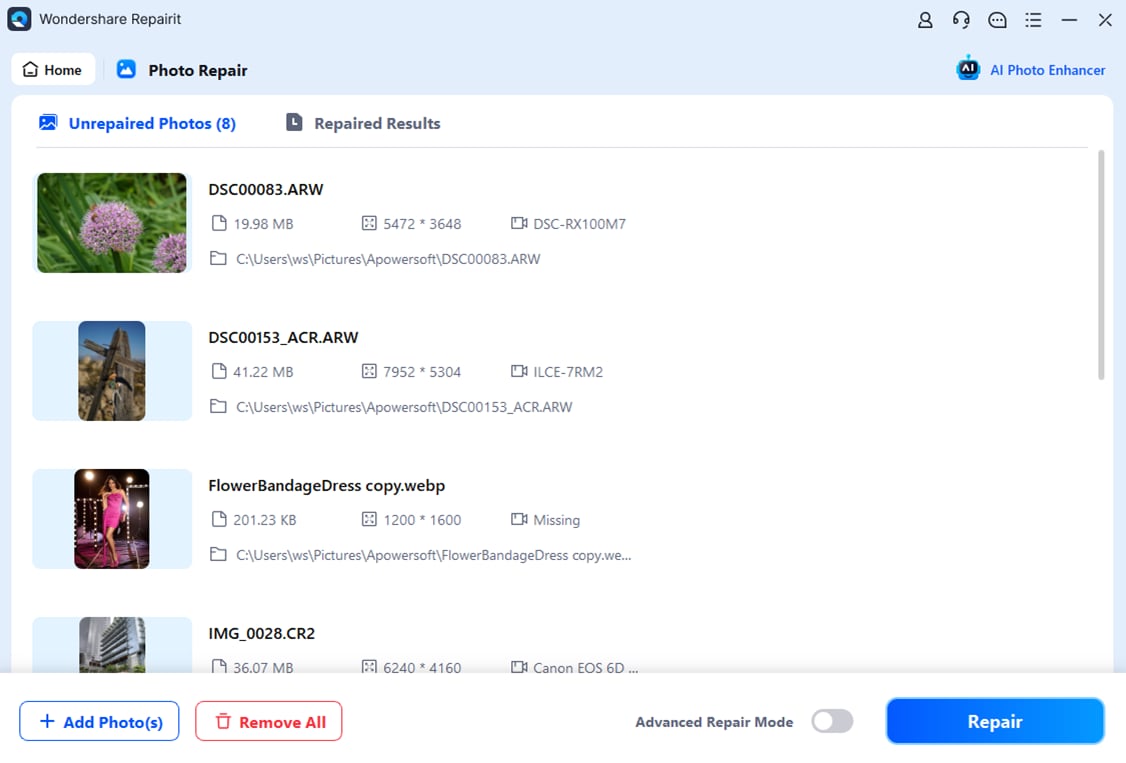
- Deep Scan the Location
Click the Scan button to let Repairit perform a thorough analysis of the selected location. The software will comb through the file system to discover recoverable items, including GPR photos and other media that no longer open correctly.
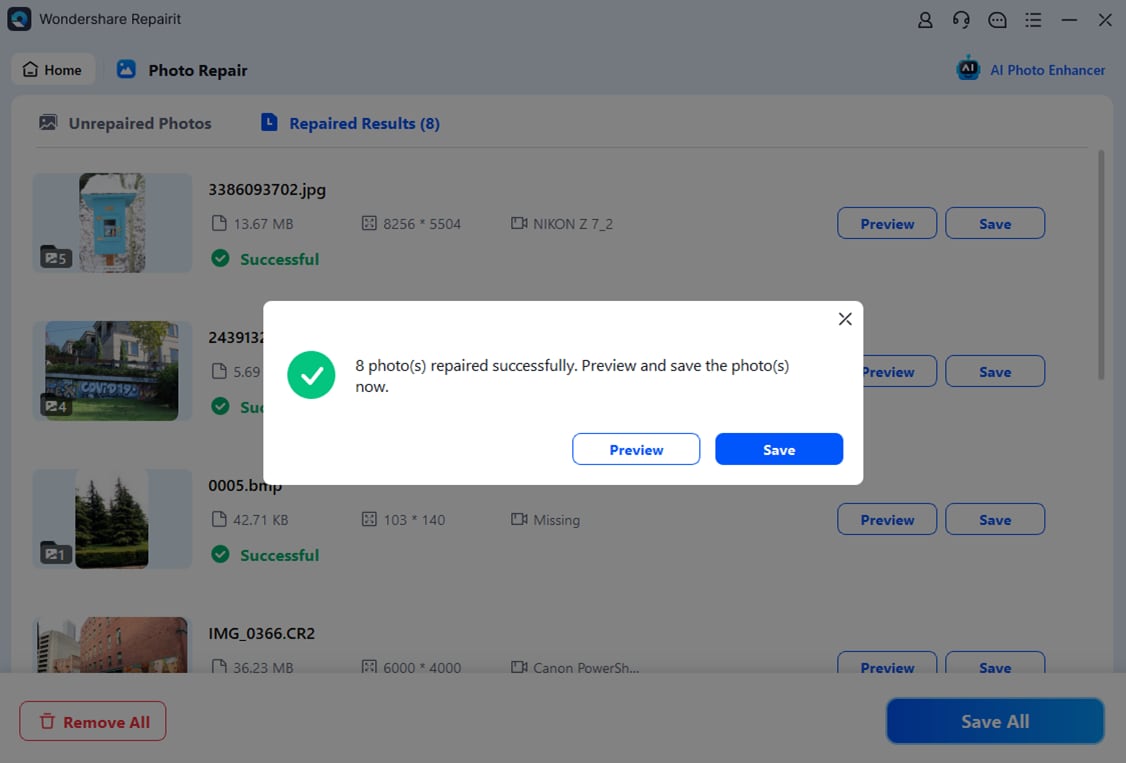
- Preview and Repair Your Desired Data
After the scan completes, browse the results tree and filter by file type or path if needed. Select any GPR items that appear and use the preview window to inspect their quality.
Conclusion
Understanding GPR File and how it differs from regular photos makes it much easier to manage your images confidently. GPR files act as high-quality master data, so you can edit them flexibly, export JPG copies for sharing, and still preserve the original detail for future use.
If a GPR file will not open or seems corrupted, a solution like Wondershare Repairit helps you scan drives, preview recoverable items, and restore damaged content with minimal effort. By combining correct viewing software, careful conversion, and reliable repair tools, you can keep your RAW photos and specialized GPR data safe for the long term.
Next: What Is Png File
FAQ
-
1. What is a GPR file used for?
A GPR file is most often used as a RAW image or specialized data container created by certain cameras, drones, or professional tools. It stores unprocessed or lightly processed sensor data, giving you more flexibility to correct exposure, color, and other details during editing than with compressed formats such as JPG. -
2. How do I open a GPR file on my computer?
To open GPR file content on Windows or macOS, install a compatible RAW editor or the device manufacturer's own software and use its Import or Open function. Popular options include Adobe Lightroom, Adobe Photoshop, and vendor-specific suites. Always keep these programs updated so they support newer GPR variants. -
3. Can I convert a GPR file to JPG without losing quality?
You can convert GPR to JPG using RAW-capable editors, but some quality loss is inevitable because JPG is a lossy format. To minimize impact, export at high quality and keep the original GPR as your archival master so you can reprocess it later if needed. -
4. Why will my GPR file not open even in a RAW editor?
If your editor still cannot open the file, the specific GPR variant may not be supported or the file itself may be corrupted. Confirm that the editor explicitly lists your camera or device as supported, try another application, and if the file fails everywhere, treat it as damaged and move on to repair or recovery. -
5. How can I repair a corrupted GPR file safely?
Stop saving new data to the affected drive, then use a repair and recovery solution such as Wondershare Repairit. Let it scan the storage location for broken GPR image data, preview any recoverable content, and save the repaired files to a different, healthy drive to avoid overwriting the remaining data.