
In photography, filmmaking, and video streaming, you will often hear people talk about shadow detail when judging image quality. It describes how much useful information you can see in the darkest parts of a frame and directly affects how cinematic, realistic, or noisy your visuals look. Understanding it helps you expose, grade, export, and even play back your content without losing important information in the shadows.
Repair Corrupted Files To Save Your Data
 Security Verified. Over 7,302,189 people have downloaded it.
In this article
Introduction
When you shoot a moody night street, a backlit portrait, or a dim indoor scene, your camera must decide how much information to keep in the shadows. That choice influences everything from how filmic your footage looks to how flexible it is for grading, exporting, and streaming across platforms like YouTube or Netflix. Learning how to control shadow detail helps you avoid crushed blacks, muddy tones, and noisy low-light images.
What Is Shadow Detail?
Shadow detail is the visible texture, shapes, and subtle tones in the darkest areas of a photo or video that are not pure black. It is a core image-quality concept in both photography and videography, closely tied to dynamic range, low light photography, and color grading.
Whenever your camera records a scene, it has to fit bright highlights and dark shadows into a limited range of brightness values. Shadow detail is the part of that range that covers the dark end of the spectrum. If there is enough information recorded there, you will see folds in a black jacket, bricks in a dim alley, or separation between hair and background instead of a single flat black mass.
In practical shooting terms, shadow detail depends on:
- How you expose the shot (shutter speed, aperture, ISO, and exposure compensation).
- The sensor or film's ability to capture a wide brightness range.
- The recording profile you choose, such as RAW, Log, HLG, or standard picture styles.
This concept matters across your whole workflow: from capture to video editing, encoding, exporting, and final playback, because each stage can either preserve or destroy detail in the shadows.
How Does Shadow Detail Affect Your Image or Footage?
The amount of shadow detail you keep or lose directly influences how your photos and footage feel: cinematic or flat, clean or noisy, soft or crunchy. It affects perceived contrast, depth, and how natural skin tones and colors look in dim areas.
Shadow detail, dynamic range, and contrast
Shadow detail is one side of the dynamic range equation. When your camera can capture information deep into the shadows while still holding highlights, you gain a more flexible file for editing and color grading.
In real results, good shadow detail:
- Adds depth and volume, especially in dark clothes, hair, and interiors.
- Makes gradients smoother, so transitions from dark to light are more natural.
- Protects color richness in dim areas, instead of leaving them desaturated or muddy.
On the flip side, if shadow detail is lost:
- Black areas become "crushed" with no texture, so the image looks cheap or overly processed.
- Midtones may need to be pushed too bright to reveal hidden information, creating a washed-out image.
- Fine structure such as foliage, fabric, and background architecture disappears, making the scene feel flat.
During video editing and color grading, shadow detail gives you room to shape the mood. You can darken shadows for drama while still maintaining separation, or lift them for a softer, airy look. Without that data, every move you make quickly looks artificial.
Shadow detail, noise, and compression
The darker parts of an image are where your camera and your delivery format are most vulnerable. When you brighten underexposed shadows, you also reveal sensor noise and potential banding.
Shadow detail interacts with:
- Noise in shadows: Underexposed areas shot at high ISO tend to be noisy. Clever exposure and profiles help keep more usable information and less noise.
- Compression and streaming: Codecs used for online platforms often allocate fewer bits to dark regions, so poorly exposed shadows may show blockiness or color smearing when streamed.
- Playback environments: On some displays or in bright rooms, subtle shadow detail becomes harder to see. A grade that looks rich in a dark studio may look crushed on a low-quality screen.
When encoding and exporting video, if your master already has thin or noisy shadows, aggressive compression can make them even worse. Conversely, if you preserve clean shadow detail during capture and grading, your footage will better survive YouTube, social apps, or broadcast pipelines.
How Does Shadow Detail Work in Real Shooting?
In practical workflows, you interact with shadow detail at several stages: in-camera while shooting, on-set monitoring, and later when editing and exporting.
In-camera controls
- Exposure settings: Aperture, shutter speed, and ISO determine how much light hits the sensor. Underexposing to "save the highlights" can sacrifice shadow detail if pushed too far.
- Picture profile or gamma: Shooting in RAW, Log, or wide dynamic range profiles records more information in both highlights and shadows compared with standard JPEG or Rec.709 profiles.
- Highlight/shadow warnings: Many cameras offer zebras, waveform, or histogram overlays. The left side of the histogram and the bottom of a waveform represent shadows; if everything is pinned there, you are losing detail.
Monitoring on set
- External monitors and LUTs: Cinematographers often use a Log recording profile but monitor with a LUT that simulates the final look. They watch the shadows on a waveform monitor to ensure they are not clipped.
- False color: Some monitors show brightness levels as colors. Shadows that fall into a designated band indicate safe dark areas with retained detail.
Editing, grading, and export
- Editors use curves, lift/gamma/gain, or shadows/highlights tools to adjust dark areas while checking scopes.
- Colorists balance image contrast so blacks feel solid but not crushed, ensuring that important detail remains for different display types.
- During export, choosing the right codec, bit depth, and color range helps keep shadow detail intact through delivery and streaming services.
For example, when shooting a night cityscape:
- You expose so that the brightest signs are not blown out but your histogram still shows data in the left quarter, indicating preserved shadow detail.
- In grading, you deepen the blacks slightly for drama but keep subtle structure in the buildings and streets.
- When exporting, you choose a higher bitrate so streaming compression does not smear or posterize those delicate shadows.
Best Uses, Common Mistakes, and Quick Tips
When shadow detail matters most
- Low light photography such as concerts, night streets, and indoor events where most of the frame is dark.
- High-contrast scenes like backlit portraits, sunsets, or interiors with windows.
- Cinematic storytelling where atmosphere lives in the shadows: thrillers, noir, or dramatic interviews.
Common mistakes with shadow detail
- Over-crushing blacks in editing: Pushing the black point too low may look punchy on one screen but will erase details and cause issues on others.
- Underexposing too aggressively: Intentionally shooting very dark to "protect highlights" can force you to brighten the image later, amplifying noise in the shadows.
- Relying only on your screen: Judging shadows on a dim or uncalibrated display can mislead you; scopes offer a more reliable reference.
- Ignoring delivery platform: Some platforms and TVs crush or lift shadows slightly, so a delicate grade may not translate as expected.
Quick tips to protect shadow detail
- Shoot RAW photos or log/flat video profiles whenever you need maximum grading flexibility.
- Use the histogram or waveform to ensure your shadows are not entirely pushed off the left edge.
- Avoid unnecessarily high ISO values that add noise to dark regions.
- Apply noise reduction carefully; too much can smear subtle shadow detail.
- Check your work on multiple displays or with different viewing conditions before final delivery.
The takeaway: aim for intentional, not accidental, shadows. Deep blacks can be beautiful, but they should hide only what you choose to hide, not what your camera failed to record.
How to Use Repairit to Fix a Corrupted Photo File
Repairit introduction
Even when you handle shadow detail perfectly in-camera and in post, technical problems like card errors, power loss, or transfer issues can corrupt your images. Wondershare Repairit offers a straightforward way to bring damaged media back to life so your careful work with exposure and contrast is not lost. You can learn more and download it from the Repairit official website.
Key features of Repairit
- Fixes corrupted or unplayable photo and video files in various formats.
- Simple guided workflow for fast repair with minimal user input.
- Preview repaired media before saving to confirm quality and content.
Step-by-step: repair corrupted photo files
- Add corrupted photo files
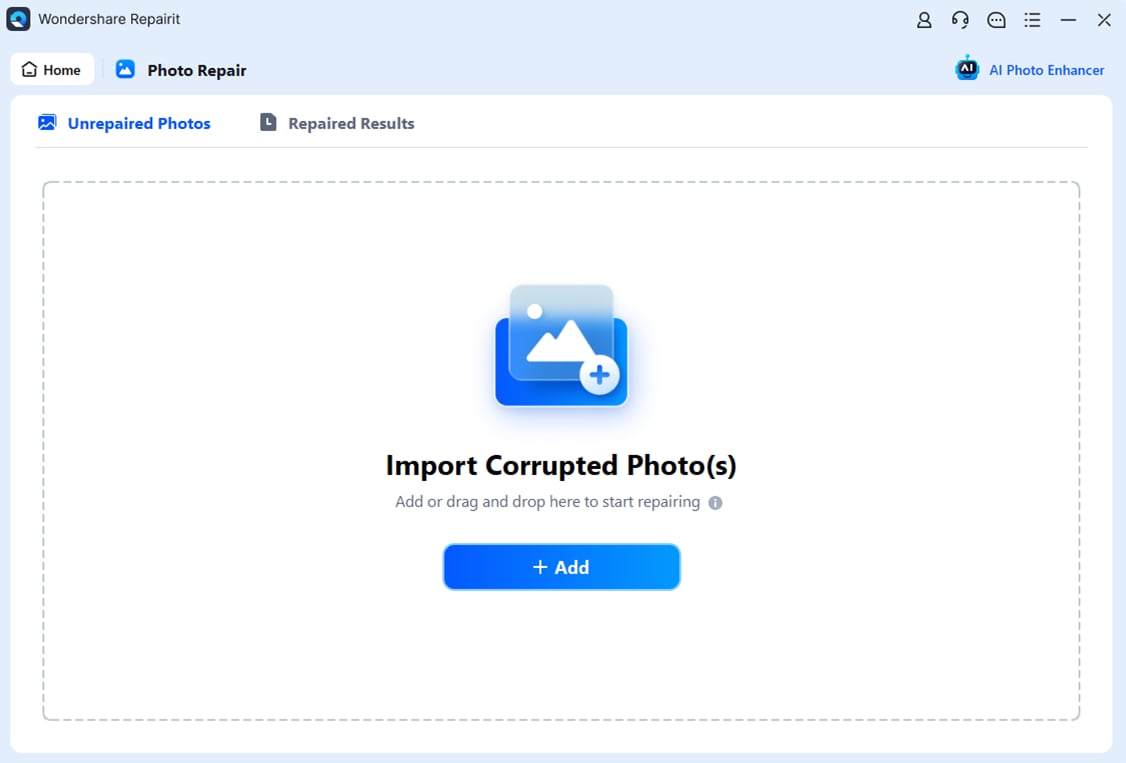
Open Wondershare Repairit on your computer and choose the Photo Repair tool from the main interface. Click the option to add files, browse your folders, and select the corrupted images that fail to open or display correctly. You can import several photos at once to save time when repairing a full shoot or project.
- Repair photo files
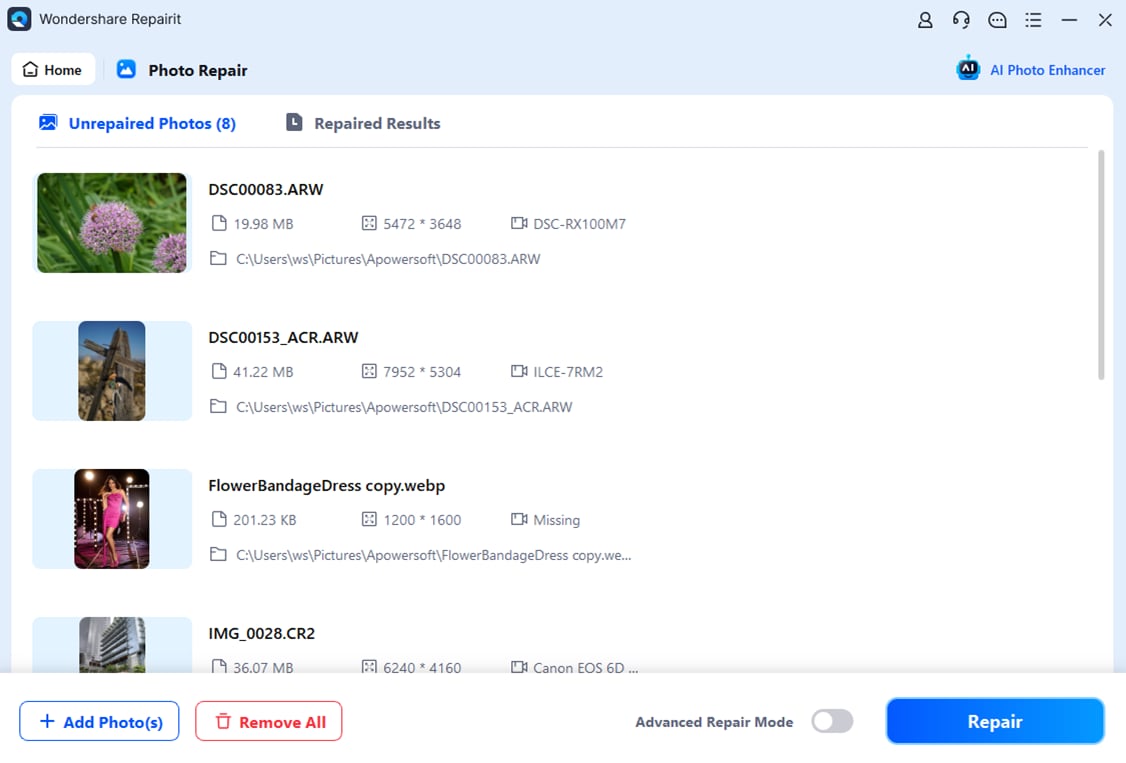
After loading your damaged photos, start the repair process with a single click. Repairit scans each file, reconstructs broken headers and data structures, and attempts to restore the image so details, including delicate shadow detail, become visible again. When the repair is complete, view the built-in preview to check whether colors, contrast, and dark tones look acceptable before saving.
- Save the repaired photo files
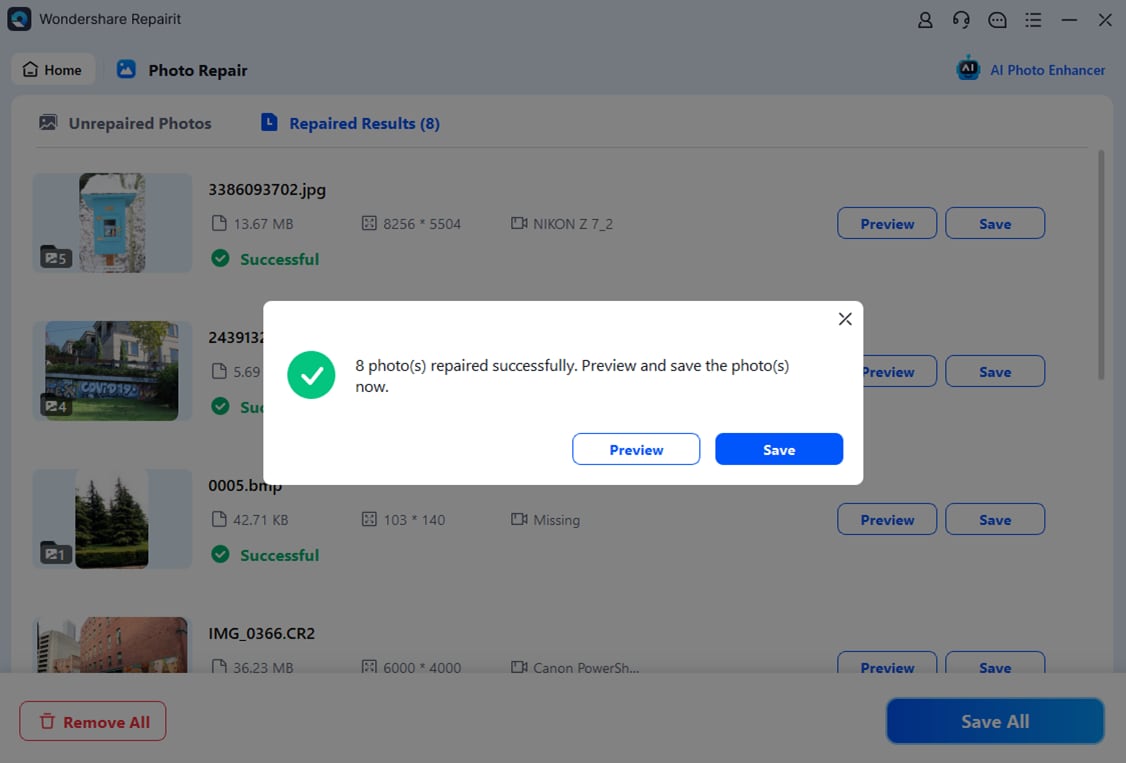
If the previews show that your photos have recovered properly, choose an output folder that is different from the original file location. This keeps your repaired images separate from any remaining corrupted versions. Click Save, and Repairit will export clean copies that you can safely edit, archive, or deliver without worrying about missing frames or broken dark areas.
Conclusion
Shadow detail underpins the depth and realism of your photography and video. When you understand how cameras capture dark tones, how editing choices reshape them, and how exporting and streaming can affect them, you can avoid crushed blacks, noisy shadows, and muddy contrast.
Combine thoughtful exposure, careful monitoring, and subtle grading to keep important information alive in the darkest parts of the frame. If technical failures corrupt your media at any point, tools like Wondershare Repairit help you recover damaged files so that all the subtle work you did in the shadows remains visible in the final result.
Next: Dual Native Iso
FAQ
-
1. What is shadow detail in simple terms?
Shadow detail is the visible information in the darkest parts of a photo or video, such as texture, shapes, and subtle tones that are not completely black. -
2. Why is shadow detail important for photographers and filmmakers?
Good shadow detail adds depth and realism, keeps dark areas from turning into flat black, and gives more flexibility for exposure adjustments and color grading in post-production. -
3. How can I preserve shadow detail in camera?
Use careful exposure, avoid unnecessarily high ISO, shoot in RAW or log profiles when possible, and watch tools like histograms or waveforms to keep shadows within a usable range. -
4. Can I recover lost shadow detail in editing?
You can often lift shadows in RAW photos or log video footage if the camera actually recorded that information. Extreme adjustments, however, may introduce visible noise, banding, or color shifts. -
5. What if my photo or video files are corrupted and I lose shadow detail?
If files are damaged and will not open or play correctly, use a repair tool such as Wondershare Repairit to restore playable images or clips first, then adjust exposure and shadows safely in your editor.