
Bokeh is a word you will see in camera menus, lens reviews, and photo apps whenever background blur is mentioned. It describes how smoothly or harshly out-of-focus areas appear in your photos and videos, especially highlights. Understanding what is bokeh helps you choose lenses, set up shots, and create images with a more cinematic, professional feel for portraits, city lights, and even smartphone clips.
Repair Corrupted Files To Save Your Data
 Security Verified. Over 7,302,189 people have downloaded it.
In this article
Introduction to Bokeh
Photography background blur is everywhere: portraits on social media, cinematic YouTube videos, wedding photos, and product shots. That creamy blur is often called the bokeh effect. It does more than simply hide a busy background; it changes how viewers read your image, where they look first, and how professional your work appears. Learning how to control and judge bokeh will improve both your shooting and your editing decisions.
What Is Bokeh?
What is bokeh? In simple terms, it is the visual character of out-of-focus areas in a photo or video. It is not just how strong the blur is, but how smooth, soft, or distracting that blur looks, especially around highlights like streetlights, candles, and reflections.
Technically, bokeh is an optical concept that comes from your lens design and aperture. It belongs to the family of depth-of-field and focus tools in photography and videography. While shallow depth of field describes how much of the scene is sharp, bokeh describes how the remaining blur appears.
During shooting, bokeh works as a creative tool. It separates your subject from the background, guides the eye, and can add a dreamy or cinematic style. Whether you use a DSLR, mirrorless camera, or smartphone, you will see bokeh mentioned in lens reviews, portrait mode descriptions, and even in editing apps that simulate blur.
Bokeh in Photo and Video Work
In photography, bokeh shows up most clearly in portraits, macro shots, and low-light scenes where point light sources turn into round or shaped blobs. In video, it is a key part of a filmic look: blurred city lights behind a talking subject, or soft backgrounds in interviews that keep the focus on the speaker.
Bokeh matters when you choose lenses, because elements like aperture blade shape and optical design control the blur. A lens praised for "beautiful bokeh" usually renders backgrounds smooth, with soft edges and pleasing highlight shapes that do not pull attention away from your subject.
Optical vs Software Bokeh
There are two main ways to create the bokeh effect:
- Optical bokeh: Created entirely by the lens and sensor through focus and aperture. This is common in interchangeable-lens cameras and some high-end smartphones.
- Software or computational bokeh: Created by algorithms that detect a subject, then blur the rest of the image. This is what smartphone "portrait mode" or some editing tools do.
Optical bokeh usually looks more natural and reacts realistically to motion, focus pulling, and light changes. Software bokeh can be convincing but may struggle with hair, transparent objects, or complex edges, sometimes causing halos or odd cutouts around the subject during recording, exporting, or playback.
How Does Bokeh Affect Your Image or Footage?
Bokeh influences how clean, sharp, and cinematic your images feel, without changing exposure or color directly. Instead, it affects perceived depth, clarity of the subject, and visual noise in the background.
Visual Impact on Photos
In still photography, bokeh reshapes how viewers experience your frame:
- Subject separation: Strong, smooth bokeh isolates the subject, making them pop even in busy locations.
- Perceived sharpness: A crisp subject against a very soft background appears sharper than the same subject against a cluttered, in-focus background.
- Background noise reduction: Distracting details (signs, clutter, people) become soft shapes, so the image feels cleaner and less chaotic.
- Highlight rendering: Point lights become circles, hexagons, or other shapes, which can look creamy and soft or nervous and harsh depending on lens design.
When exporting or printing, images with good bokeh tend to scale well because small, blurred details do not turn into messy artifacts. On the other hand, very busy or harsh bokeh can cause banding or compression issues in low-quality JPEGs.
Bokeh in Video, Editing, and Playback
In moving footage, bokeh affects not only style but also how smooth motion looks:
- Focus pulls and rack focus: When you shift focus between subjects, bokeh changes in real time, altering the way the background breathes and adding drama.
- Compression and streaming: Background blur can make streaming more efficient because there is less fine detail to compress, reducing potential blocky artifacts on platforms like YouTube or social media.
- Noise and low light: In dim scenes, a wide aperture used for strong bokeh lets in more light, which can reduce ISO noise. However, out-of-focus noise can appear blotchy if the codec struggles, especially in heavily compressed streams.
- Editing and color grading: Clean bokeh gives colorists smoother gradients and fewer harsh edges, making it easier to push colors without revealing artifacts when re-encoding and exporting.
If a video file with beautiful bokeh becomes corrupted, you might see frozen soft backgrounds, flickering highlights, or blocky patches in blurred areas during playback. A dedicated repair tool is then needed to restore clean gradients and focus transitions.
How Does Bokeh Work in Real Shooting?
In practical shooting, you manage bokeh with lens choice, aperture, focus distance, and background design. It is something you plan before pressing the shutter or hitting record, and then refine by reviewing on your camera monitor or external display.
Camera and Lens Settings for Bokeh
The main controls that shape bokeh are:
- Aperture: Wider apertures (for example f/1.4, f/1.8, f/2.8) create stronger blur and more obvious bokeh effect. Smaller apertures (f/8, f/11) reduce blur and make backgrounds more detailed.
- Focal length: Longer lenses (85 mm, 135 mm, 200 mm) compress the scene and strengthen background blur, ideal for portrait photography tips where you want creamy backgrounds.
- Sensor size: Larger sensors (full-frame vs APS-C vs phone sensors) generally allow shallower depth of field at the same framing, enhancing bokeh potential.
- Lens design: Aperture blade shape and optical formula decide whether blur is smooth or nervous and how round or polygonal highlights appear.
On your camera, you usually control bokeh in Aperture Priority (A/Av) or Manual (M) mode. On smartphones, you select "Portrait" or "Cinema" modes, which adjust virtual aperture and depth mapping to simulate shallow depth of field.
Framing, Distance, and Background Design
Beyond settings, physical distance and background choice make or break your photography background blur:
- Distance to subject: Move closer to your subject to increase blur strength at the same aperture.
- Distance between subject and background: Place your subject far from the background (e.g., several meters away from buildings or trees) for stronger bokeh.
- Background content: Small light sources (fairy lights, city lights, reflections) create attractive bokeh balls. Plain walls or wide skies give smooth, simple blur.
- Framing and angles: A slight shift in camera height or angle can place your subject against a more distant or better-lit area, dramatically improving bokeh quality.
Monitor previews help you judge bokeh on location. Zooming into playback on your camera allows you to check that eyes are sharp and backgrounds look smooth before you move on. In video, use focus peaking and larger external monitors to ensure the subject stays sharp while the rest falls into pleasing blur.
Best Uses, Common Mistakes, and Quick Tips
Where Bokeh Shines
Bokeh is especially powerful in these scenarios:
- Portraits: Soft backgrounds highlight faces and expressions, giving a professional look, especially for social media, headshots, and wedding photos.
- Product and food photography: A blurred environment makes the item stand out while still showing enough context for mood.
- Night cityscapes: Streetlights and car headlights turn into glowing orbs, adding a dreamy style in both photos and video bokeh scenes.
- Interviews and talking-head videos: Shallow depth of field keeps attention on the subject, reducing distractions from the set.
Mistakes to Avoid and Fast Tips
Common bokeh-related mistakes include:
- Over-blurring everything: Extremely shallow depth of field can make important details, like both eyes, unintentionally soft.
- Messy or high-contrast backgrounds: Strong lines or bright spots can create distracting bokeh, even if they are out of focus.
- Ignoring subject-to-background distance: Standing your subject right against a wall limits blur, no matter the aperture.
- Relying only on software blur: Aggressive portrait-mode effects can look fake around hair, glasses, or moving subjects.
Quick tips:
- Use a wide aperture, but stop down slightly (e.g., from f/1.4 to f/2) if focus is too risky.
- Increase distance between subject and background whenever possible.
- Place small lights or textured backgrounds far behind your subject for attractive bokeh shapes.
- Check results on your camera or phone screen at full zoom to ensure the subject is sharp and blur looks smooth.
The takeaway: treat bokeh as a design tool, not just a blur effect. It should support your story, not distract from it.
How to Use Repairit to Fix a Corrupted Photo File
Why Use Repairit for Bokeh Shots
When your best bokeh portraits or cinematic frames get corrupted, you risk losing subtle blur gradients, highlight shapes, and focus transitions that you cannot easily recreate. Wondershare Repairit is designed to repair damaged media files so you can recover important images and keep working without reshooting. You can learn about all features and access the tool from the Repairit official website.
Key Features of Repairit Photo Repair
- Repairs corrupted or unreadable photo files from different cameras, lenses, and devices while preserving your original bokeh rendering.
- Supports batch processing so you can restore many damaged images with photography background blur in one run.
- Offers an intuitive interface with preview options, helping you verify that the bokeh effect and overall quality look right before saving.
Step-by-Step: Repair Corrupted Photos
- Add corrupted photo files
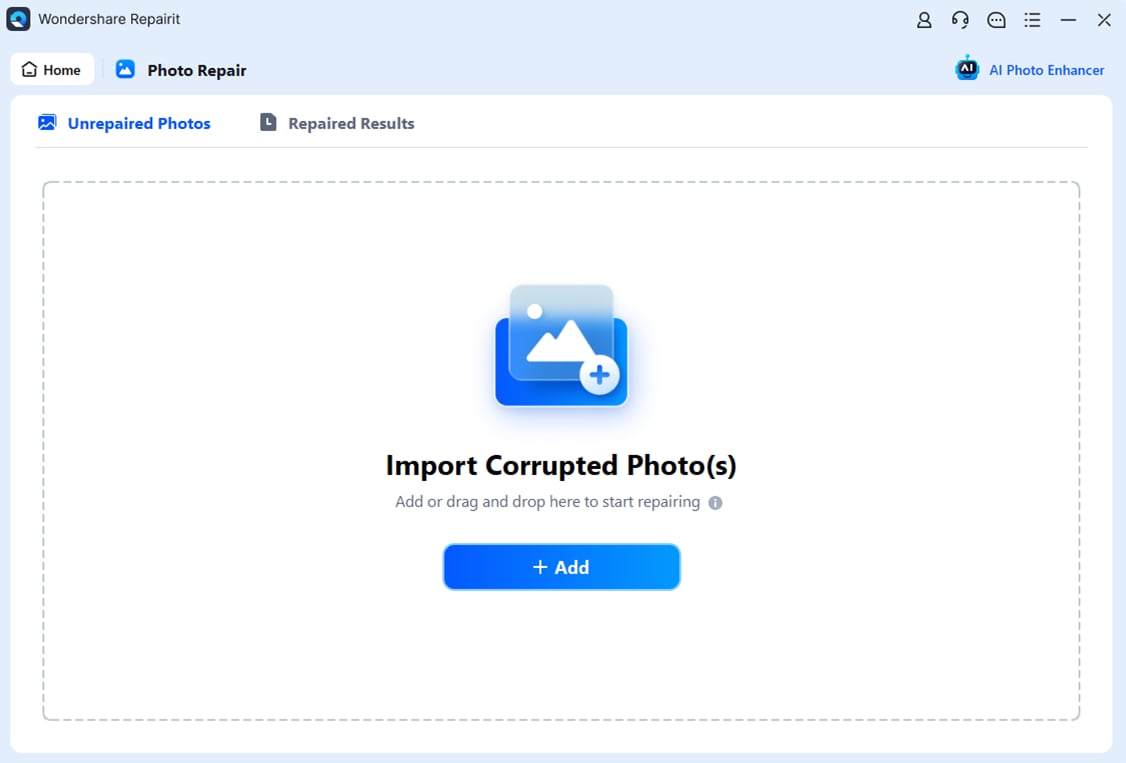
Install and open Repairit on your computer, then move to the Photo Repair section. Click the option to add files and browse to the folder that contains your corrupted images, including key bokeh portraits or product shots. Select one or multiple photos to load them into the repair list so Repairit can analyze the damage.
- Repair photo files
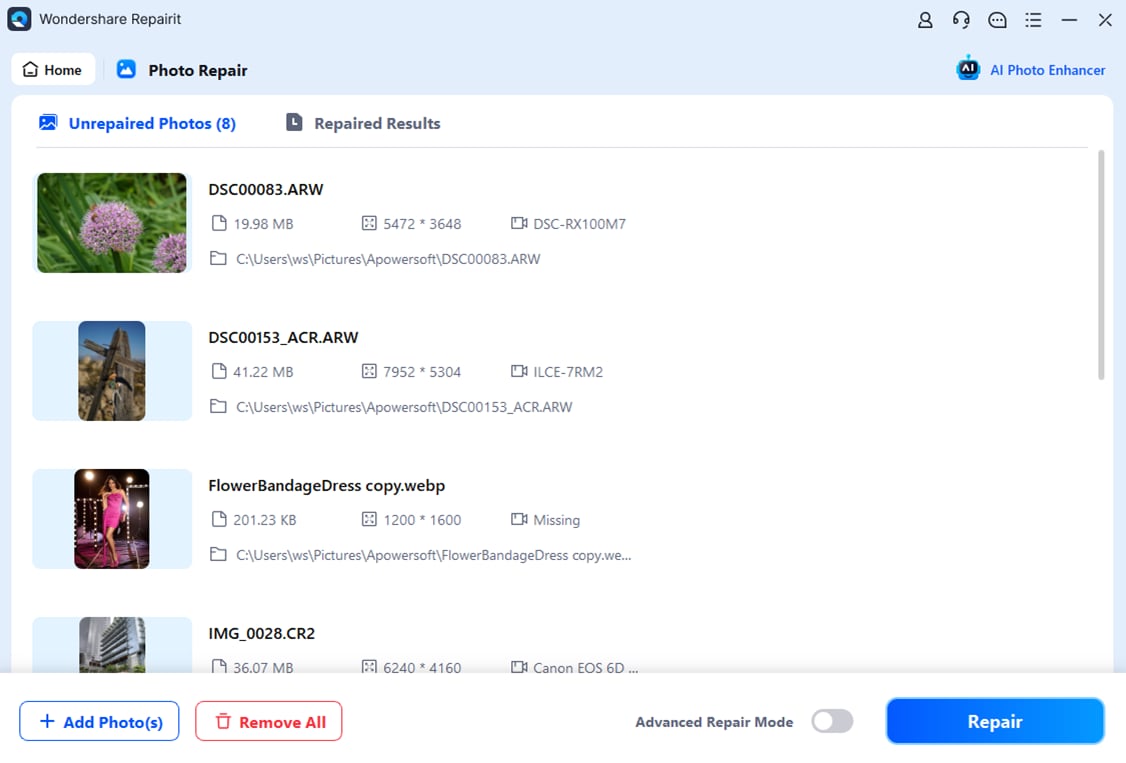
After importing the images, start the repair process with a single click. Repairit scans each file structure, detects issues that cause errors, glitches, or missing thumbnails, and applies targeted fixes. As the repair runs, you can watch the status update inside the interface. When it finishes, preview the repaired photos to confirm that blur gradients, highlight shapes, and subject sharpness in your bokeh areas look natural again.
- Save the repaired photo files
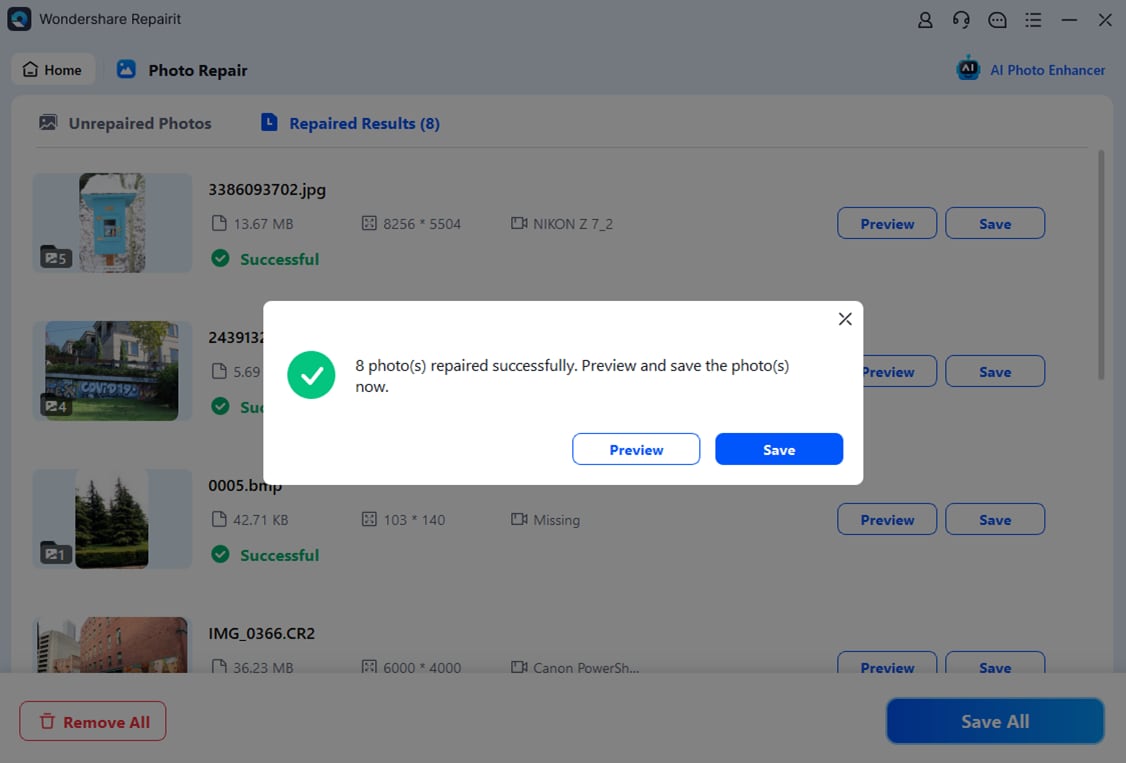
If the previews look correct, select the photos you want to keep and click the option to save. Choose a safe output folder that is different from the original source to avoid overwriting any remaining data. Repairit then exports clean copies of your restored images, preserving your carefully crafted photography background blur so you can continue editing, sharing, or archiving them with confidence.
Conclusion
Bokeh is the character of the out-of-focus areas in your photos and videos. By managing aperture, focal length, and distance, and by choosing backgrounds carefully, you can use it to isolate your subject, reduce distractions, and give your work a more cinematic, emotional feel.
Avoid over-blurring, watch for messy backgrounds, and remember that natural-looking bokeh comes from a mix of smart technique and the right lens. If valuable bokeh shots become corrupted or refuse to open, Repairit can help you restore them so your creative ideas are not lost to file errors.
Next: Rolling Shutter
FAQ
-
1. What is bokeh in simple words?
Bokeh is the look of the blurred areas in a photo or video. It is the soft background blur that appears when you focus on a subject and let the rest of the scene fall out of focus, often turning lights into smooth circles or shapes.
-
2. Does bokeh depend more on the lens or the camera?
Bokeh depends mainly on the lens: its aperture size, aperture blade design, focal length, and optical formula. The camera body plays a smaller role, though sensor size and subject distance affect how strong the blur appears.
-
3. How can I get stronger bokeh in my photos?
Use a wide aperture like f/1.8 or f/2.8, move closer to your subject, increase the distance between your subject and the background, and choose a longer focal length such as an 85 mm portrait lens or a telephoto zoom.
-
4. Can smartphones create real bokeh?
Many smartphones rely on software portrait or cinematic modes to simulate bokeh, using depth data to blur the background. Some models with larger sensors and fast lenses also produce optical blur, but it is usually weaker than what you get from dedicated cameras with fast prime lenses.
-
5. What should I do if my best bokeh photos are corrupted or will not open?
Stop copying or editing the damaged files to avoid further issues. Then use a repair tool like Wondershare Repairit to scan and fix the corrupted photos. After repair, save the restored files to a new, safe location and back them up.