Sensor size is one of those camera specs you will see on product pages, YouTube reviews, and editing forums but may not fully understand. Whether you shoot with a DSLR, mirrorless, phone, or drone, the size of the camera sensor affects how your photos look, how your videos perform in low light, and even how footage behaves when you edit, encode, and share it online. Learning the basics will help you choose the right camera and get more consistent results from capture to playback.
Repair Corrupted Files To Save Your Data
 Security Verified. Over 7,302,189 people have downloaded it.
In this article
What Is Sensor Size?
Camera sensor size is the physical width and height of the light-sensitive chip that records your photo or video instead of film. Common formats include full frame, APS C sensor size, Micro Four Thirds sensor, and smaller sensors found in phones and compact cameras.
In photography and videography, sensor size is a core capture concept: it sets how much of the scene the camera sees, how big each photosite (pixel on the sensor) can be, and how much light the system can collect. From the moment you press the shutter or hit record, the sensor is turning light into data that will later be edited, encoded, exported, streamed, and played back on different platforms.
When you compare full frame vs crop sensor, you are essentially comparing larger and smaller recording surfaces. Larger sensors usually give better control over depth of field, stronger low light performance, and more flexibility when color grading and compressing video, while smaller sensors help keep cameras compact and lightweight.
How Does Sensor Size Affect Your Image or Footage?
Image quality, noise, and low light
The most obvious effect of sensor size is on overall image quality. A larger sensor can fit either more pixels or the same number of pixels that are physically bigger. Bigger pixels usually collect more light, which leads to cleaner files.
- Noise and ISO: Larger sensors typically show less noise at the same ISO than smaller ones. This matters when shooting events, concerts, or indoor scenes where you must raise ISO, then later stabilize and enhance clips during editing and export.
- Dynamic range: Bigger sensors often capture a wider range between shadows and highlights, giving you more room for grading and HDR workflows without banding or crushed blacks after encoding for streaming.
- Color and detail: With more light per pixel, colors can look richer and fine textures stay clearer, which holds up better when compressing videos for social platforms or exporting stills for print.
Depth of field, framing, and lenses
Sensor size also changes how your lenses behave in practice.
- Depth of field: For the same framing, aperture, and shooting distance, a larger camera sensor size will give a shallower depth of field. Portraits on full frame can show strong background blur, while the same shot on a smaller sensor will keep more of the scene in focus.
- Field of view and crop factor: Smaller sensors "crop" the image circle, making a lens appear more zoomed in. This is why understanding crop factor is essential when matching a lens to a camera for wide landscapes, tight interviews, or social-ready vertical content.
- Stability and motion: A tighter field of view on a crop body can exaggerate shake and make handheld footage look less stable, which impacts how much warp stabilization or reframing you must do in post.
All these factors affect how your footage looks after editing, how efficiently it compresses when you encode it, and how consistent it appears across different playback platforms.
How Does Sensor Size Work in Real Shooting?
You will encounter sensor size in spec sheets, on camera bodies, and in menus when you choose frame sizes or crop modes. Full frame models might offer Super 35 or APS C recording, while some cameras switch to a smaller area of the sensor for higher frame rates or 4K video.
For example, if you shoot an interview on a full frame camera at 35 mm for a medium shot, the same 35 mm lens on an APS C body gives a tighter, more zoomed-in look. To match the framing, you would have to step back or choose a wider focal length. That decision influences your depth of field and background separation in the final edit.
When filming for streaming platforms, you might choose a camera with a larger image quality advantage in low light so you do not have to push exposure aggressively in post, which can increase noise after compression. For slow motion or sports, you may rely on a crop sensor body for extra reach, knowing that the tighter angle of view will help fill the frame without extreme zoom lenses.
In hybrid workflows, a creator may shoot photos in full frame mode for maximum detail, then switch to a cropped video mode for higher frame rates, accepting the change in field of view but gaining smoother motion for editing and playback.
Best Uses, Common Mistakes, and Quick Tips
When sensor size matters most
- Low light events, weddings, and night street scenes where low light performance and clean shadows are critical.
- Cinematic interviews and b-roll where you want tight control over depth of field to separate subjects from backgrounds.
- Travel, vlogging, and drone work where smaller systems trade some image quality for easier carrying and longer gimbal runtime.
Common mistakes
- Assuming more megapixels always beats a larger sensor size, without considering noise and dynamic range.
- Ignoring crop factor when choosing focal lengths, resulting in shots that are too tight or too wide for the intended edit or export format.
- Mixing footage from different sensor sizes without planning, which can cause mismatched framing and depth of field across clips in the same timeline.
Quick tips
- Match your camera type to your use case: full frame for flexibility and low light, APS C or Micro Four Thirds for reach and portability.
- When switching cameras, test your favorite lenses on each body to see how full frame vs crop sensor framing and blur really look in your editor and on your favorite streaming platform.
- Keep ISO as low as practical on smaller sensors to maintain stronger image quality, especially if you plan heavy grading or multiple exports.
The takeaway: understand how your camera sensor size shapes field of view, blur, and noise so you can make deliberate creative decisions from capture through editing, encoding, and playback.
How to Use Repairit to Fix a Corrupted Photo File
Even if you choose the perfect sensor size and nail your exposure, files can still become corrupted during recording, transfer, or export. When key photos refuse to open or show strange artifacts in your viewer or editor, Repairit by Wondershare offers an easy way to bring them back. You can learn more and download it from the Repairit official website, then follow a simple guided process to restore damaged images.
Key features of Repairit
- Repairs corrupted photo and video files in multiple formats so your favorite captures and important client work remain usable.
- Provides quick repair and advanced repair modes to handle both minor glitches and severely damaged files.
- Offers a simple, guided workflow suitable for beginners and pros, integrating smoothly into existing editing and backup routines.
Step-by-step: repair corrupted photos
- Add corrupted photo files
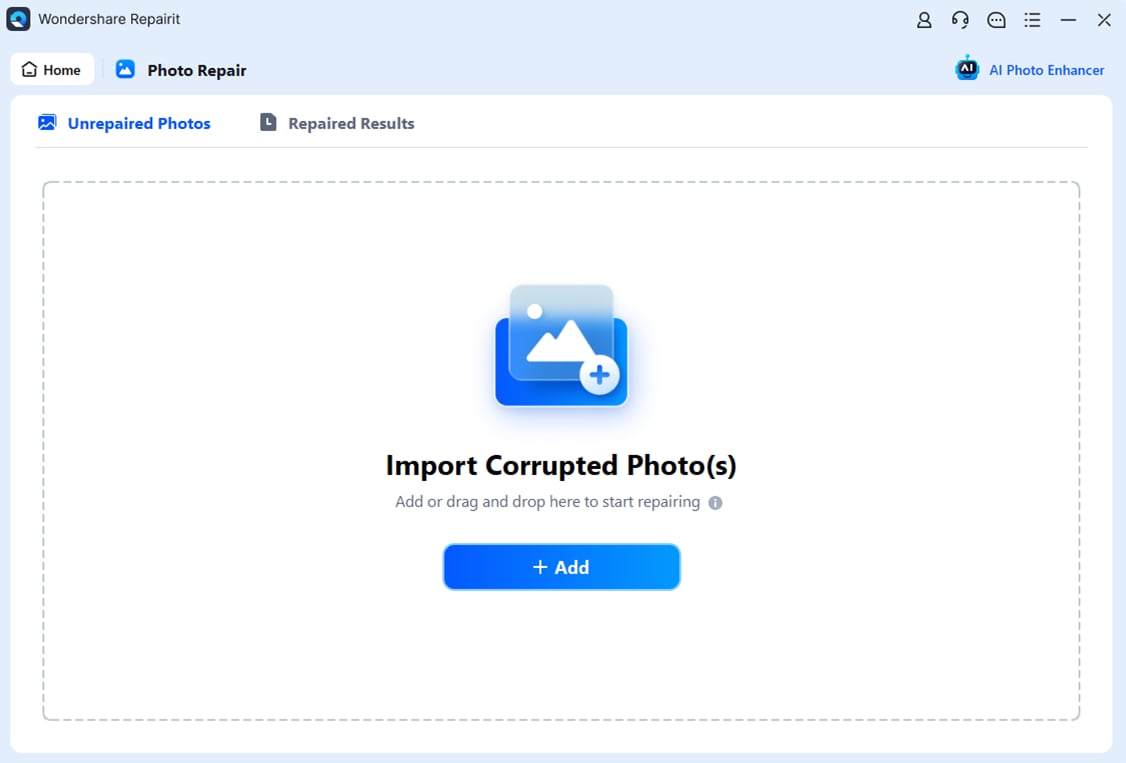
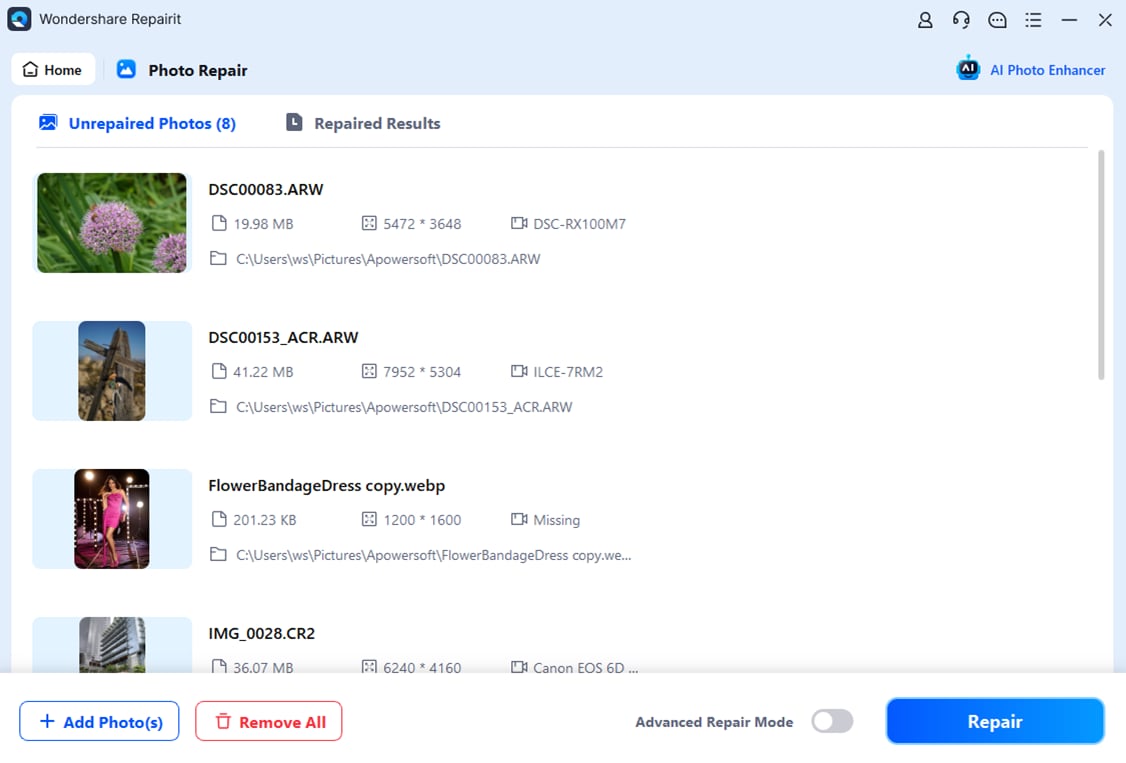
Open Repairit and select the Photo Repair tool on the start screen. Click the Add button or drag and drop all problematic images into the window so the software can list every file you want to fix in one batch.
- Repair photo files
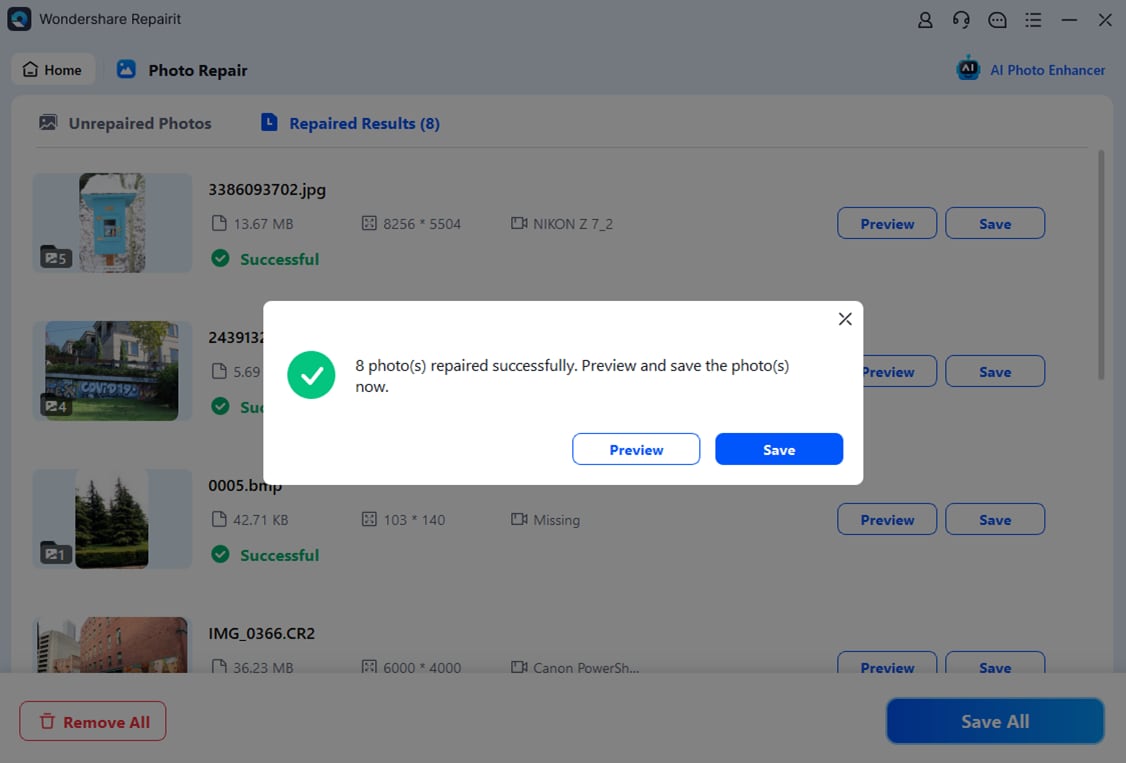
After loading your damaged photos, start the repair process with one click. Repairit scans each file, analyzes the corruption, and reconstructs the image data. When the repair completes, use the built-in preview to check that colors, details, and sharpness look normal before saving.
- Save the repaired photo files
Once you are satisfied with the previews, choose a safe output folder, ideally on a different drive from the source. Click Save to export your repaired photos in one go, then open them in your usual viewer or editing software to confirm that they behave correctly in your workflow.
Conclusion
Understanding sensor size is essential to knowing why your images and footage look the way they do. It influences image quality, low light performance, depth of field, and how wide or tight your lenses feel, all of which carry through to how files edit, encode, and play back on different platforms.
By choosing a sensor format that matches your projects and using thoughtful shooting technique, you can capture cleaner, more consistent results. And if something goes wrong and your files become damaged, Repairit gives you a practical safety net to recover irreplaceable photos and videos so your creative work is not lost.
Next: Crop Factor
FAQ
-
1. What is sensor size in a camera?
Sensor size is the physical dimension of the chip inside your camera that captures light and turns it into digital data. Larger sensors can gather more light, usually giving better image quality, especially in low light or high-contrast scenes. -
2. Does a bigger sensor always mean better image quality?
A bigger sensor generally helps with low light performance, dynamic range, and smoother background blur. However, lens quality, in-camera processing, and your technique can easily outweigh a small difference in camera sensor size. -
3. How does sensor size affect depth of field?
For the same framing and aperture, a larger sensor produces a shallower depth of field, making background blur more pronounced. Smaller sensors, using shorter focal lengths for the same framing, naturally show more of the scene in focus. -
4. Is full frame always better than APS C or Micro Four Thirds?
Full frame has advantages in low light and background blur, but APS C and Micro Four Thirds systems are smaller, lighter, and often cheaper. The best choice depends on your budget, how much gear you want to carry, and the type of shooting or video production you do. -
5. Does sensor size change my lens focal length?
The physical focal length of the lens never changes. A smaller sensor simply crops the image, narrowing the field of view. This is why photographers talk about "equivalent" focal lengths and crop factor when comparing full frame vs crop sensor setups.