

A log profile is a camera setting you will often hear about in filmmaking, YouTube production, and commercial video work. It is the reason some behind-the-scenes clips look flat and gray before they are edited. Understanding how a video log profile works helps you capture cleaner images, grade color more creatively, and keep your footage flexible for different screens, from cinema projectors to phone streaming apps.
Repair Corrupted Files To Save Your Data
 Security Verified. Over 7,302,189 people have downloaded it.
In this article
Introduction
When you record video in a log profile, the picture looks faded and low contrast, but this is exactly what many professionals want. A video log profile captures more highlight and shadow detail so you can push the grade in editing, export multiple versions for web and broadcast, and keep your project safe if you ever need to revisit the color later.
What Is Log Profile?
A log profile (often called log gamma or log curve) is a special picture profile in video cameras that uses a logarithmic tone curve instead of a standard contrasty one. It is a video-focused concept, similar in spirit to RAW in photography but still recorded as compressed video files such as MP4, MOV, or MXF.
In practical terms, a video log profile records a flat, low-saturation, low-contrast image. This does not look good for direct viewing, but it preserves more information in bright highlights and dark shadows. During editing and color grading, you stretch this information back into a punchy, cinematic image, then encode it into formats like Rec.709 or HDR for export, streaming, and playback.
Manufacturers name their own log curves: S-Log (Sony), C-Log (Canon), V-Log (Panasonic), N-Log (Nikon), F-Log (Fujifilm), and so on. Many cameras also offer a simpler flat profile, which is not true log but tries to mimic its flexible look with less extreme processing.
How Does Log Profile Affect Your Image or Footage?
Dynamic range, contrast, and color
The core reason to shoot in a log profile is dynamic range. By using a log gamma curve, the camera spreads tonal information more evenly across the signal, especially in highlights where standard profiles clip detail quickly.
Here is how that changes your footage:
- Brightness and contrast: Log looks gray and flat. Midtones appear lifted, blacks look milky, and the image lacks punch. This is normal and intentional.
- Highlights: Bright skies, windows, and clouds retain more detail instead of turning pure white. This is valuable for outdoor shoots and high-contrast interiors.
- Shadows and noise: Shadows hold more usable information, but if underexposed, they can become noisy when you brighten them in grading.
- Color: Colors are muted straight from the camera. Once graded, they can look more natural or more stylized, depending on your grade or LUTs.
- Sharpness and texture: Log itself does not change optical sharpness or depth of field, but the lower contrast can make images look softer until you add contrast and clarity in post.
Because a log profile stores more tonal and color data, it gives you more flexibility when matching cameras, creating stylized looks, or correcting exposure mistakes during editing, encoding, and final export.
Editing, encoding, and playback
Shooting log affects your entire workflow, not just the initial capture:
- Editing: Log footage typically requires a conversion step (using a LUT, color management, or manual grading) to map it to a display standard like Rec.709.
- Color grading: Because the image starts flat, you have more room to adjust contrast, saturation, and color balance without banding or clipping as quickly as with a standard profile.
- Encoding and exporting: After grading, you export to normal formats and gamma (Rec.709, HLG, PQ HDR). Your audience never sees the log image itself; they see the converted, graded result.
- Streaming and platform compatibility: Platforms such as YouTube, Vimeo, TikTok, and social media expect standard color spaces. If you upload ungraded log video, it will look washed out on every device because players do not automatically convert log.
- Playback monitoring: On set, log can be hard to judge exposure and color from, so most cameras and external monitors let you apply a viewing LUT so the screen looks normal while still recording log internally.
How Does Log Profile Work in Real Shooting?
In real-world shooting, you choose a video log profile in your camera's picture profile or gamma settings. Once enabled, the camera records every frame with that log gamma curve baked in, producing the characteristic flat look in your clips.
Here is where you interact with log during production:
- Camera menus: You pick options like S-Log3, C-Log3, or V-Log in the Picture Profile or Gamma menu, sometimes alongside color modes or gamuts such as S-Gamut3 or BT.2020.
- Monitoring and exposure tools: Because log is harder to judge by eye, you often rely on waveform monitors, zebras, false color, and histograms to expose correctly. External monitors commonly let you load lookup tables so you can view a normalized image while recording log.
- Exposure technique: Many shooters use "expose to the right" with log, slightly overexposing to keep shadows clean without blowing highlights, within the camera's recommended range.
- On-set playback: Directors and clients usually prefer a preview that looks close to the final grade. You can feed them a monitor output with a LUT applied, even though your recorded file remains log and flexible.
After shooting, you import your log clips into editing software such as Adobe Premiere Pro, DaVinci Resolve, or Final Cut Pro. You then apply technical LUTs or color management (for example, DaVinci YRGB Color Managed or ACES) to convert from the camera's log curve to Rec.709 or HDR. From there you can apply creative looks, encode the final video, and export versions tailored for cinema, TV, web, or mobile playback.
Best Uses, Common Mistakes, and Quick Tips
A log profile is most valuable when your scene has high contrast or you plan significant color work in post:
- Best uses: Outdoor scenes in bright sun, backlit subjects, interiors with bright windows, commercial work with heavy grading, multi-camera shoots, or projects that need deliverables in both SDR and HDR.
- Less ideal uses: Fast-turnaround social videos, live events where you stream directly from camera, or projects where you do not plan to grade and just need a quick, finished image.
Common mistakes when using a video log profile include:
- Underexposing: Treating log like a normal profile often leads to dark footage. Lifting this later reveals noise and muddy shadows.
- Uploading ungraded log: Posting log clips straight to YouTube or social platforms makes your content look dull and unprofessional.
- Using the wrong LUT: Applying a LUT for a different camera's log (for example, using S-Log LUT on C-Log footage) causes strange colors and contrast issues.
- Ignoring white balance: Log is not magic; bad white balance still limits how cleanly you can grade skin tones and environments.
Quick tips for getting better results with log:
- Learn your camera's recommended exposure method (for example, exposing skin tones around certain IRE values on the waveform).
- Use a viewing LUT on the monitor so you and your clients can see a normal image while recording log.
- Keep ISO within the camera's suggested range for that log mode to reduce noise.
- Create a simple grading template (or use color management) so every log clip automatically converts to Rec.709 when you import it.
The takeaway: use a log profile when you need dynamic range and grading flexibility, but be prepared to expose carefully and devote time in post-production.
How to Use Repairit to Fix a Corrupted Photo File
Repairit introduction
Even with careful shooting and backups, media can still become corrupted during recording, transfer, editing, or export. Wondershare Repairit is designed to rescue damaged photos and videos from cameras, phones, and storage devices with a guided workflow that does not require technical knowledge. You can learn more about it on the Repairit official website, where you will find download links, supported formats, and additional guides for repairing media files used alongside your log footage.
Key features
- Fixes corrupted photos and videos from cameras, phones, and memory cards.
- Supports batch repair with clear previews before you save results.
- Provides a simple, step-based interface suitable for beginners and professionals.
Step-by-step guide
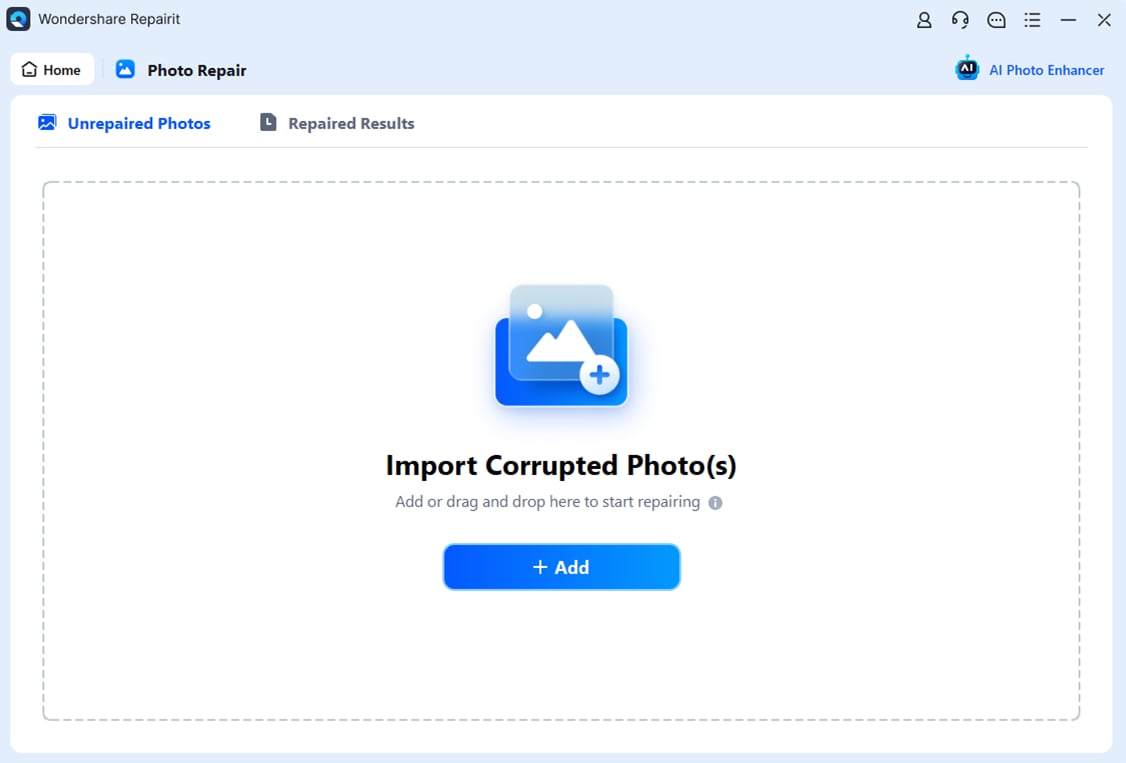
- Add corrupted photo files
After installing and opening Wondershare Repairit, switch to the Photo Repair section. Click the option to add files, then browse to the folder, memory card, or external drive that contains your corrupted images. Select the damaged photo files and import them so they appear in the repair list, ready to be processed together.
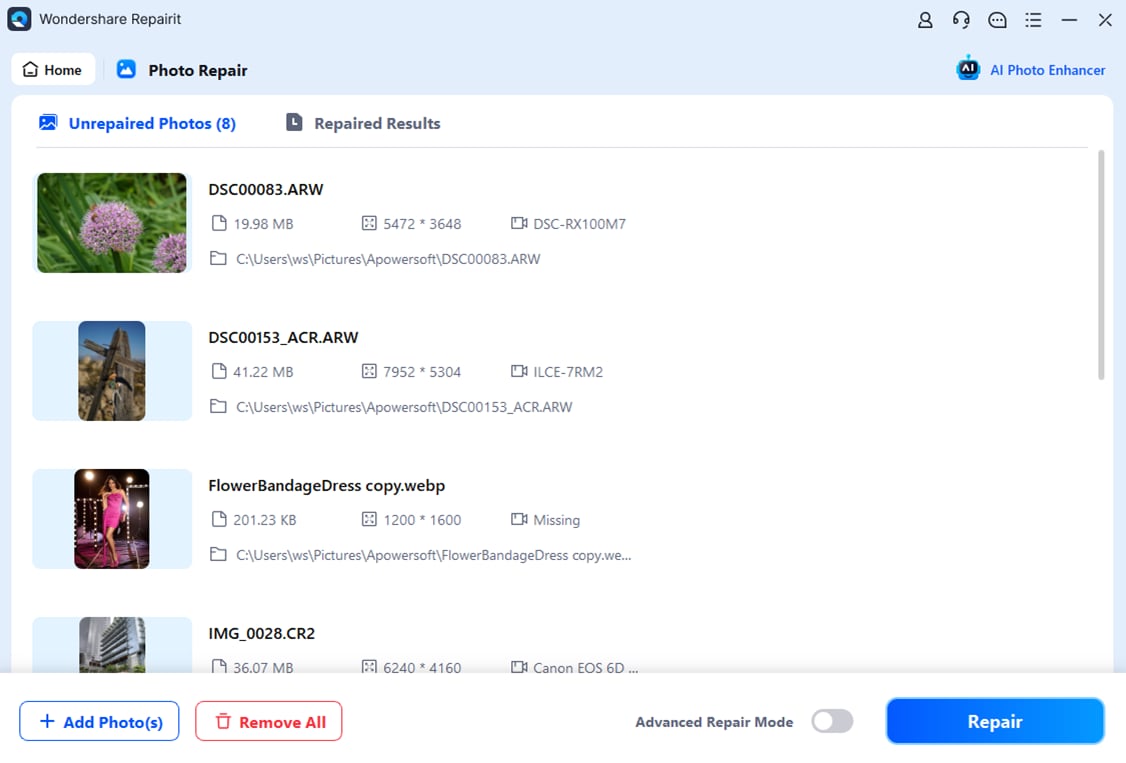
- Repair photo files
Once your files are loaded, start the repair process with a single click. Repairit automatically analyzes each image, fixes common problems such as unreadable data or visual glitches, and then presents a preview. Use the preview window to confirm that details, colors, and composition look correct before moving on.
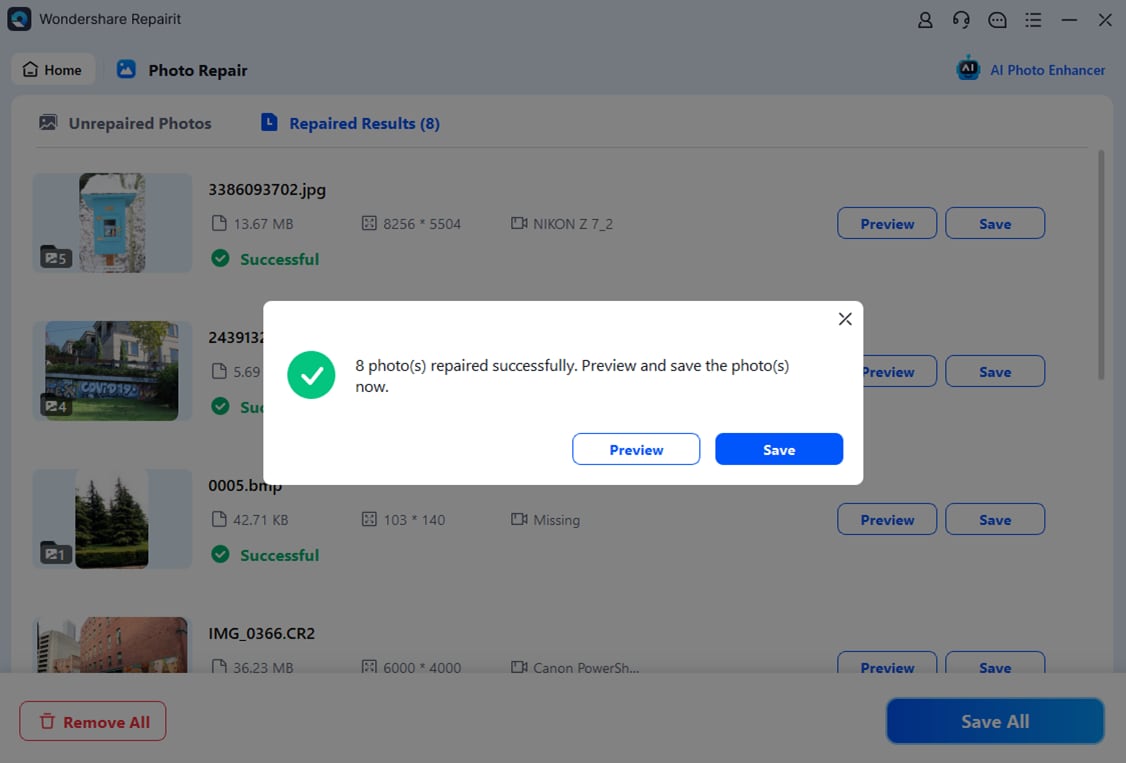
- Save the repaired photo files
After checking the previews, select the photos you want to keep and click to save them. Choose a safe destination folder that is different from the original storage location to avoid overwriting damaged data. Repairit will export clean copies of your repaired photos so you can bring them back into your editing, color grading, or archiving workflow immediately.
Conclusion
A log profile is a powerful tool for modern video work, capturing a wider dynamic range and more flexible color information by storing a flat, low-contrast image that is meant to be graded later. Once you understand how log gamma behaves in real shooting, you can expose accurately, monitor with confidence, and create consistent results across editing, encoding, and final playback on different platforms.
At the same time, technical issues such as interrupted transfers or storage errors can damage the photos and videos that support your log-based projects. Using a repair solution like Wondershare Repairit helps you recover corrupted media quickly so your creative work and client deliverables stay protected from capture through final delivery.
Next: Histogram
FAQ
-
1. What is a log profile in video?
A log profile is a camera recording mode that uses a logarithmic gamma curve to capture more detail in shadows and highlights. It produces a flat, low-contrast image that is designed to be color graded later and converted to standard display formats like Rec.709 or HDR. -
2. Why does log footage look washed out?
Log footage looks gray and low contrast because the camera compresses tonal information to preserve dynamic range. This flattened look is not meant for direct viewing; you need to apply a conversion LUT or manual grade in your editing software before exporting or uploading. -
3. Do I need to shoot log for every project?
No. A video log profile is most useful when you need maximum dynamic range or plan heavy color grading. For fast-turnaround content or simple web videos, a standard profile or flat profile can be easier, giving you a more finished look straight out of the camera. -
4. Can I use a LUT on log footage?
Yes. A technical LUT designed for your specific log gamma and color space can convert log footage to a standard look such as Rec.709. You can then apply creative LUTs or manual grading on top, but you still need proper exposure and white balance at capture. -
5. How can I fix corrupted log footage or photos?
First, copy the damaged files to your computer and avoid saving new data to the same card or drive. Then use a repair tool such as Wondershare Repairit to scan, repair, and export playable versions of corrupted clips or photos so you can continue editing, grading, and exporting normally.