
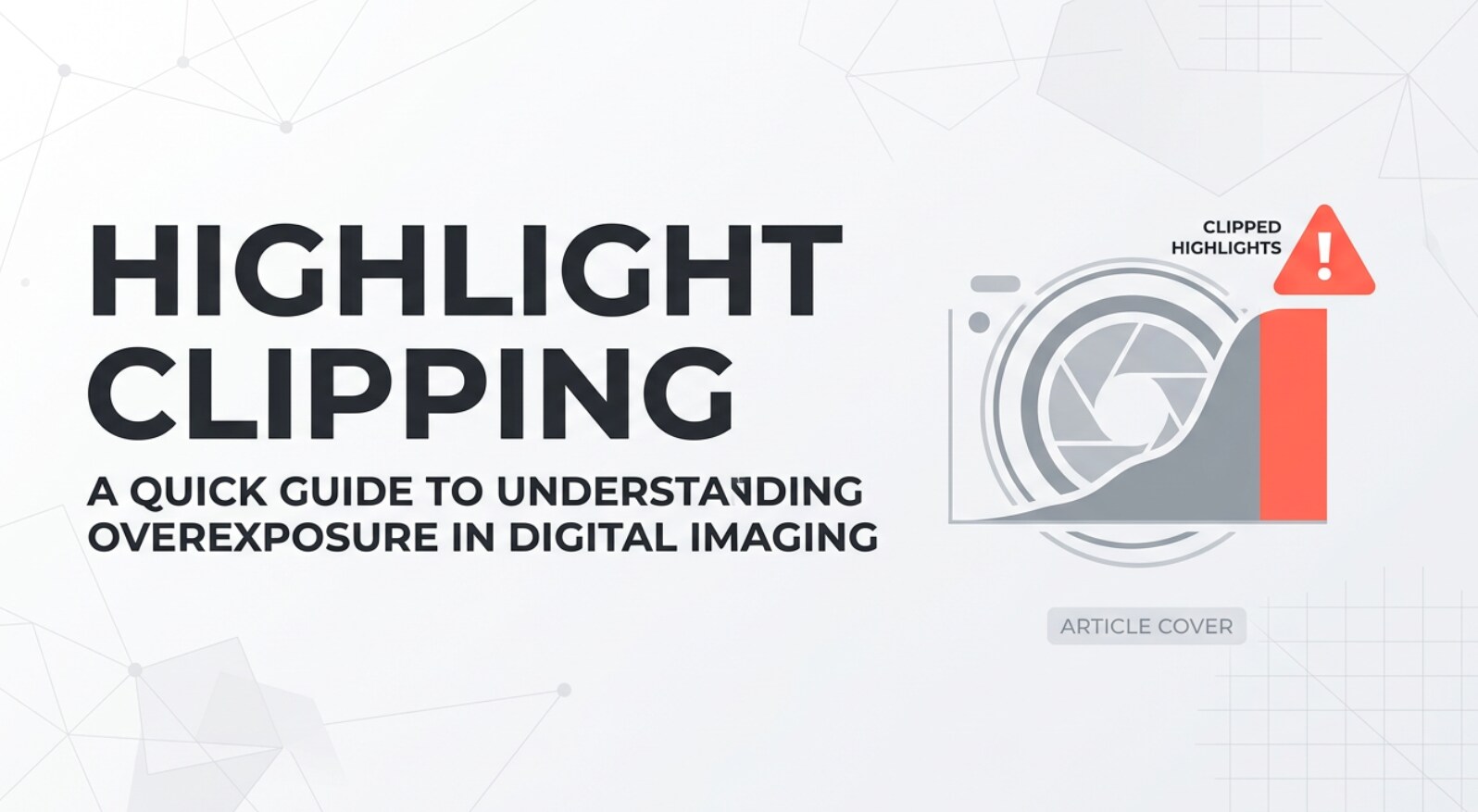
Highlight clipping is a term you will see in camera manuals, editing apps like Lightroom or Premiere Pro, export settings, and even streaming dashboards. It describes what happens when bright areas of a photo or video lose detail and turn solid white. Understanding clipped or blown out highlights helps you expose scenes more accurately, keep skies and skin tones realistic, and avoid surprises when you edit, export, or share your work online.
Repair Corrupted Files To Save Your Data
 Security Verified. Over 7,302,189 people have downloaded it.
In this article
What Is Highlight Clipping?
Highlight clipping happens when the brightest parts of your image or frame go beyond what the camera sensor, codec, or display can record. Instead of subtle tones, those areas become flat pure white with no texture.
It is an exposure and dynamic range concept in both photography and video. Your sensor can only capture a limited range from deep shadows to bright highlights. When exposure or processing pushes bright areas past that limit, the data is "clipped" at the top.
In shooting, highlight clipping tells you that your exposure is too hot for parts of the scene. It shows up in histograms, highlight warnings ("zebras" or blinkies), and scopes. Managing clipping is key to recording editable, broadcast-safe images that still look good when you edit, encode, export, and play them back on different platforms.
How Does Highlight Clipping Affect Your Image or Footage?
Highlight clipping in photos
In still images, blown out highlights change the way brightness and detail appear:
- Textures vanish: clouds, wedding dresses, or shiny metal become solid white blobs with no pattern.
- Skin looks harsh: bright foreheads or cheeks can look plastic and unflattering.
- Color is lost: clipped regions no longer hold hue or saturation; they are just white, so color grading cannot bring them back.
- Contrast looks unnatural: strong clipped patches next to darker areas create a harsh, digital look.
When you open an overexposed image in a photo editor, clipped areas often stay white even if you lower exposure or highlights. At that point, the information simply does not exist in the file.
Highlight clipping in video and streaming
In video, highlight clipping is just as visible but can be more distracting because it flickers and moves:
- Blown practical lights: lamps, streetlights, and windows turn into glowing white blocks.
- Skies with no gradient: sunsets and clouds lose their smooth roll-off and look posterized.
- Broadcast or platform issues: when you encode for SDR, HDR, or specific streaming standards, clipped highlights can exceed legal levels and look worse after compression.
- Editing limitations: colorists have less room to push contrast when highlights are already slammed to maximum.
On scopes like waveform or parade, you will see values pinned at the top (e.g., above 100 IRE for SDR) when highlights are clipped. On playback devices with limited dynamic range, this can be even more obvious.
How Does Highlight Clipping Work in Real Shooting?
In real-world shooting, highlight clipping shows up at several stages.
In-camera capture
- Exposure controls (shutter speed, aperture, ISO) directly determine whether bright areas clip.
- Cameras display clipping through histograms, zebra stripes, and blinking highlight warnings.
- Picture profiles, log curves, and HDR settings influence how much dynamic range you can capture before clipping.
On monitors and recorders
- Field monitors often show waveforms and false color to warn you about clipped highlights.
- External recorders can capture higher bit depth or log formats that preserve more highlight detail compared with internal codecs.
During editing, encoding, and export
- In photo editors, highlight sliders, curves, and local adjustments try to pull detail from near-clipped areas, especially in RAW files.
- In video editors, highlight recovery, roll-off controls, and tone mapping help protect detail when converting from log/HDR to SDR.
- Export and streaming presets may hard-clip highlights outside legal broadcast ranges unless you manage them with soft roll-off or limiting.
Playback and platform compatibility
- On SDR screens, clipped HDR material can look even harsher if tone mapping is poor.
- Different platforms (YouTube, social apps, TV broadcasters) may remap levels, sometimes exaggerating already blown highlights.
Best Uses, Common Mistakes, and Quick Tips
When highlight clipping matters most
- High-contrast scenes like backlit portraits, beaches, snow, or stage lighting.
- Events such as weddings, where white dresses and dark suits share the same frame.
- Outdoor video with bright skies and darker subjects.
Common mistakes
- Trusting only the LCD preview instead of the histogram or zebras.
- Assuming you can always "fix it in post" even when areas are fully clipped.
- Overusing contrast or highlight sliders in editing, which can push near-white tones into hard clipping.
- Ignoring how exports to SDR, social media, or streaming may tighten the visible dynamic range.
Quick tips to control highlight clipping
- Expose for the brightest important detail you want to keep (ETTR with care).
- Turn on highlight warnings or zebras and adjust exposure until vital areas stop clipping.
- Shoot RAW photos or log / wide dynamic range video profiles whenever possible.
- Use bracketing or HDR for extreme contrast scenes you cannot handle in a single exposure.
- During export, use soft highlight roll-off and avoid crushing whites with overly aggressive contrast.
The takeaway: treat blown out highlights as a warning. Preventing clipping in-camera gives you far more flexibility in editing and better-looking photos and videos everywhere they are viewed.
How to Use Repairit to Fix a Corrupted Photo File
Repairit introduction
Even if you manage highlight clipping perfectly, a damaged or unreadable file can still ruin your shot. Wondershare Repairit is a dedicated repair tool that restores corrupted photos when memory cards fail, cameras power off mid-write, or editing software refuses to open a file. You can learn more and download it from the Repairit official website, then quickly repair damaged media without needing deep technical knowledge.
Key features of Repairit Photo Repair
- Repairs corrupted or unreadable photo files from multiple cameras and storage devices.
- Supports batch repair so you can fix many damaged images in one run.
- Provides a clear preview of repaired photos before you save anything to disk.
Step-by-step: repair corrupted photo files
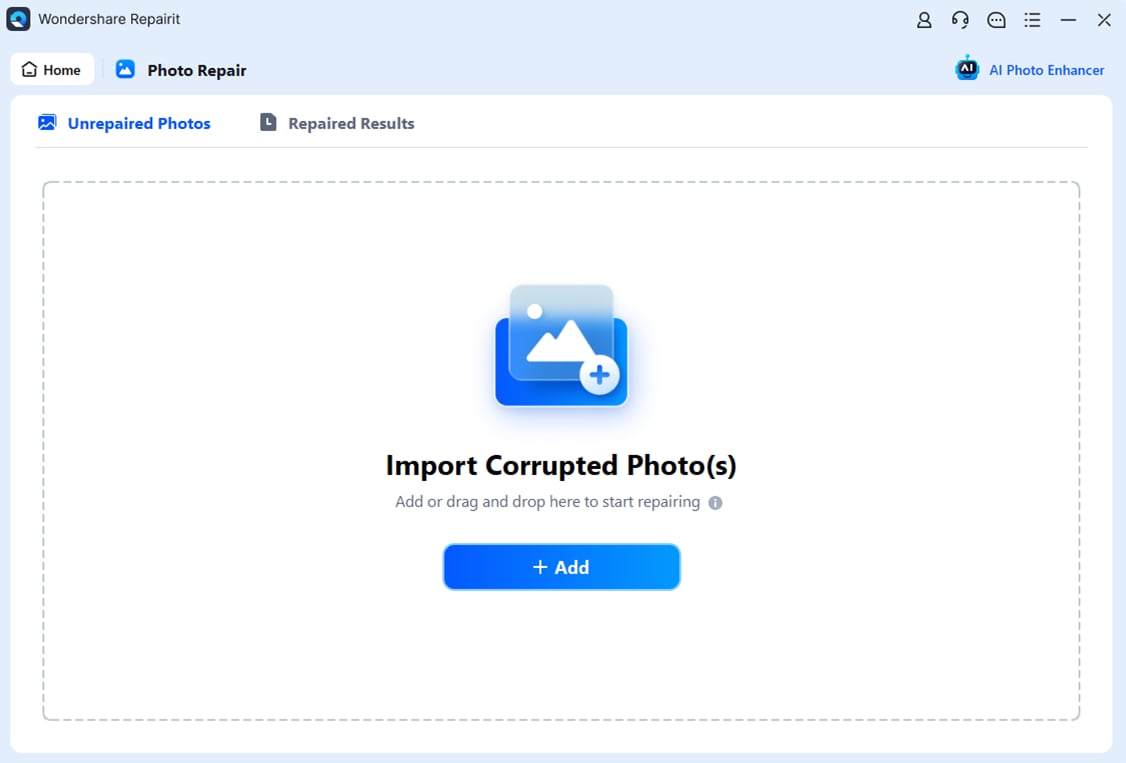
- Add corrupted photo files
Install and launch Wondershare Repairit, then switch to the Photo Repair feature. Click the "Add" button and browse to the folder that contains your corrupted or unreadable photos. Select one or multiple images, and Repairit will import them into the repair list.
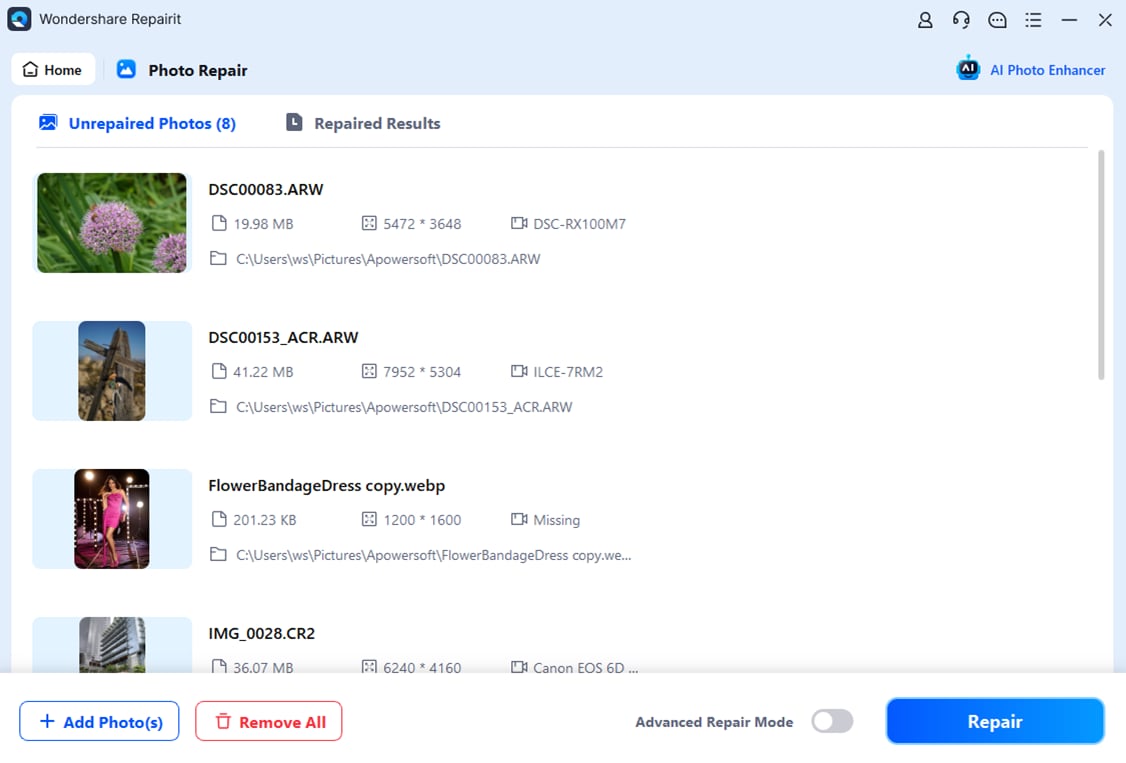
- Repair photo files
After your broken photos appear in the list, start the repair by clicking the "Repair" button. Repairit analyzes each file, reconstructs damaged headers and image data, and then completes an automatic fix. When the process finishes, you can preview the repaired photos to confirm that details, colors, and edges look correct.
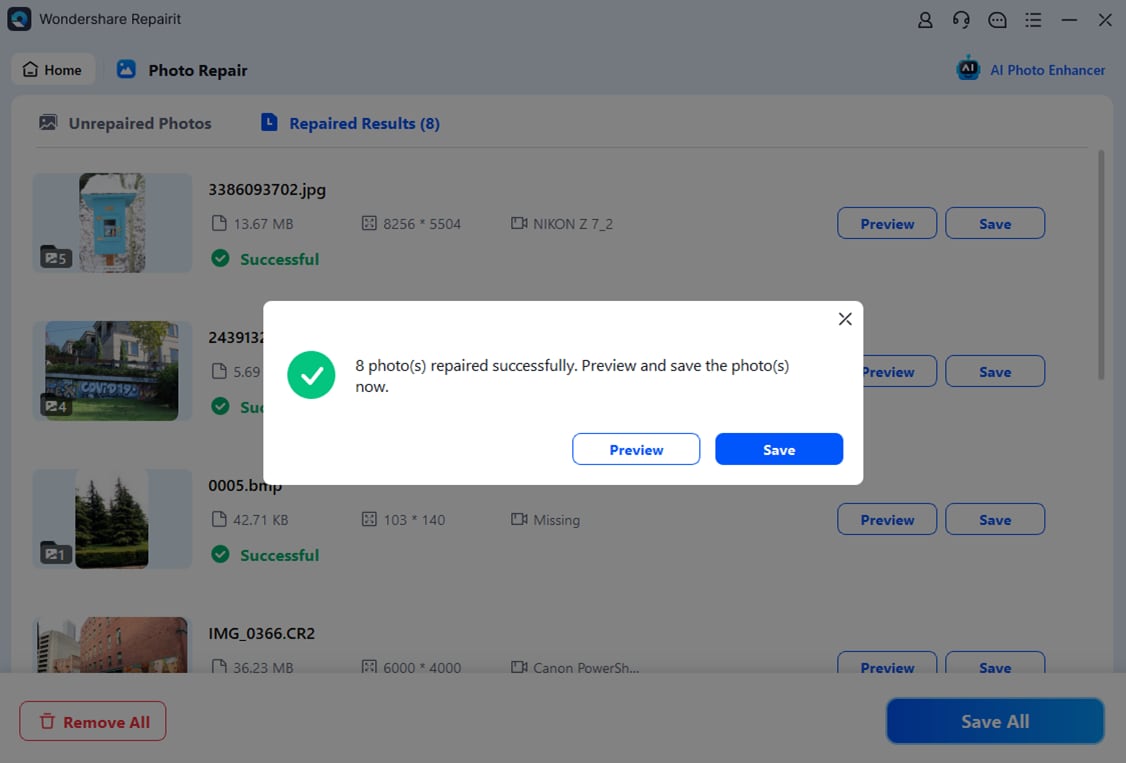
- Save the repaired photo files
If the previews look good, choose a safe destination folder that is different from the original storage location. Click "Save" to export the repaired photos. Repairit keeps your original files untouched, so you always have a backup for comparison or additional recovery attempts later.
Conclusion
Highlight clipping occurs when bright areas in your photo or video exceed the capture or display limit, turning valuable textures into flat white patches. By monitoring your histogram, using zebras or highlight warnings, and shooting in formats with more dynamic range, you can protect skies, skin, and reflective surfaces from becoming unusably bright.
When exposure issues combine with file corruption, standard editing tools are not enough. A repair solution like Wondershare Repairit helps you restore damaged or unreadable photos and videos so that any overexposed image you captured remains editable, exportable, and ready for sharing or archiving.
Next: Shadow Detail
FAQ
-
1. What is highlight clipping in photography and video?
Highlight clipping is when the brightest parts of an image or frame exceed the maximum brightness the sensor or codec can record. Those pixels are pushed to pure white, losing all detail and color information, so editing cannot fully recover them.
-
2. How can I tell if my highlights are clipped?
Check the histogram for a spike pressed hard against the right edge, or enable highlight warnings (blinkies or zebras) on your camera or in your editing software. These tools visually mark areas that are already clipped or very close to clipping.
-
3. Can I fix clipped highlights in editing?
You can sometimes recover slightly clipped highlights, especially from RAW photos or log video, because there may be extra data in the file. However, once an area is fully blown to solid white, the lost detail cannot be restored by any normal editing tools.
-
4. How do I avoid blown out highlights when shooting?
Use exposure compensation, meter for the brightest important area, and watch your histogram or zebras. Shooting RAW photos or log / HDR video, using lower ISO, and bracketing or HDR in very contrasty scenes all help reduce the risk of blown out highlights.
-
5. What should I do if my photo files are corrupted as well as overexposed?
If your photos are both overexposed and corrupted or unreadable, first repair the files using a tool like Wondershare Repairit. Once the images open correctly, you can use exposure and highlight controls in your editor to manage any remaining clipping as effectively as possible.