
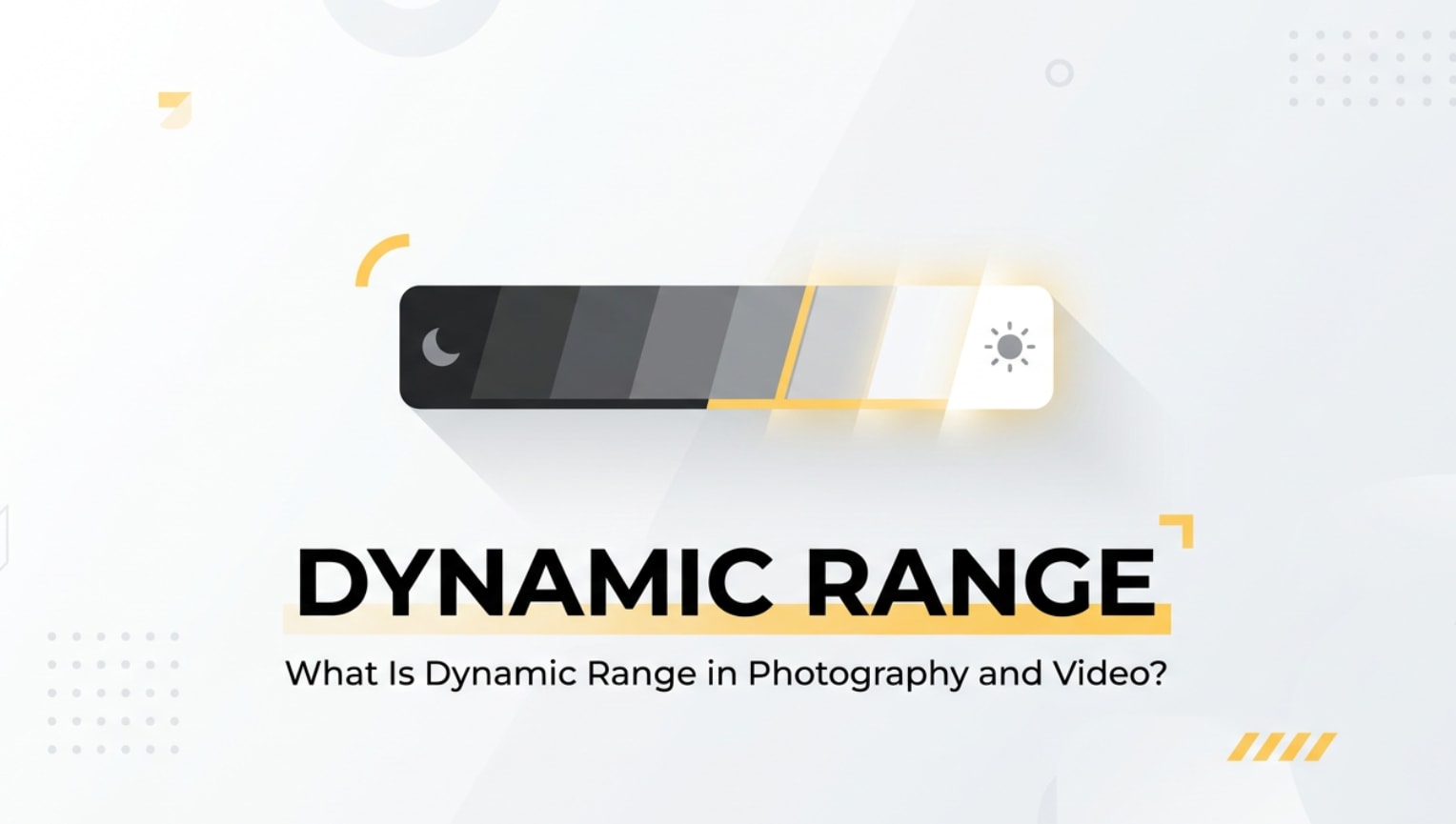
Dynamic range in photography and video is a term you will see on camera spec sheets, HDR TV ads, editing tutorials, and streaming platform guidelines. It describes how much detail a system can keep from deep shadows to bright highlights. Understanding it helps you expose scenes cleanly, grade with confidence, and ensure your photos, clips, and exported files look consistent on phones, monitors, and TVs.
Repair Corrupted Files To Save Your Data
 Security Verified. Over 7,302,189 people have downloaded it.
In this article
What Is Dynamic Range in Photography and Video?
Dynamic range is the ratio between the darkest and brightest tones a camera, display, or file can reproduce while still showing recognizable detail. In imaging, it is a technical way of describing how much tonal information fits into one frame.
As a photo and video capture concept, photography dynamic range and video dynamic range describe the limits of your camera sensor and the encoding format. A scene with a bright sky and deep shadows needs a wide range; otherwise, parts of the image turn into featureless white or black.
In practical shooting, dynamic range controls how forgiving your exposure is. A camera with a wider camera sensor range lets you protect the sky, hold texture in dark clothing, and still push the image in editing without destroying it.
How Does Dynamic Range in Photography and Video Affect Your Image or Footage?
Dynamic range in photography and video directly shapes how your brightness, contrast, and detail look from capture to final playback. It influences how flexible your exposure is in harsh light, what your HDR grade looks like on modern TVs, and how much you can lift shadows or recover highlights in post.
Highlight detail and clipping
When a scene is brighter than your camera's range, the highlights can exceed what the sensor can record. This is called clipping.
- Limited dynamic range causes highlight detail to disappear into flat white areas.
- Specular highlights (sun reflections, chrome, ripples on water) may look harsh and distracting.
- In video, skies may band or turn into a single block of color after color grading or compression.
With a wider dynamic range, the sensor can hold more tone steps before blowing out. This gives you smoother highlight roll-off, realistic clouds, and more control in HDR and SDR exports.
Shadow detail, noise, and contrast
On the dark end, limited range means shadows bunch together and lose texture, especially after editing.
- Shadows become crushed black, losing shadow detail in hair, clothing folds, and backgrounds.
- When you brighten dark areas in editing, noise and banding appear faster in low-range cameras.
- Streaming compression can exaggerate this, causing blocky patches in dim scenes.
Good dynamic range in photography and video helps keep micro-contrast inside both shadows and highlights. The image feels more three-dimensional instead of flat or muddy, with smoother gradients that survive encoding for YouTube, TikTok, or streaming platforms.
How Does Dynamic Range in Photography and Video Work in Real Shooting?
In real workflows, you influence dynamic range at every stage: camera settings, file format, editing, and export.
On the camera, you see dynamic range in spec sheets (e.g., "13 stops"), picture profiles, and exposure tools:
- Photo modes like RAW preserve maximum range; JPEG bakes contrast and throws away subtle tones.
- Video profiles such as log (S-Log, C-Log, V-Log) or flat profiles are designed to squeeze wide scene range into the recording.
- Highlight warnings ("zebras") and histograms show when areas are clipping at capture.
In editing and color grading, your software works with whatever the capture gives it:
- RAW and log footage let you shift exposure, recover highlights, and open shadows with less banding.
- 8-bit codecs and heavy compression reduce usable range, so aggressive grading can break the image.
- When creating HDR exports (HDR10, HLG, Dolby Vision), the extra encoded range can show more detail on compatible TVs.
On playback and platforms, available dynamic range depends on displays and apps:
- HDR-capable phones and TVs show extended highlight and shadow detail when given HDR content.
- Standard SDR monitors remap that range, so poor tone mapping can make images look washed out or too contrasty.
- Streaming services recompress uploads, so thin dynamic range can quickly look noisy or posterized.
For example, shooting a sunset cityscape:
- On camera, you expose to protect the bright sky using zebras and shoot RAW or log video.
- In post, you gently lower highlights and raise shadows, using the wide range to keep building windows readable.
- For export, you may create both HDR and SDR versions so the scene looks natural on all screens.
Best Uses, Common Mistakes, and Quick Tips
When dynamic range matters most
- High-contrast scenes: sunsets, stage performances with spotlights, interiors with bright windows.
- Run-and-gun documentary or wedding coverage where you cannot relight the scene.
- Projects meant for HDR streaming or cinema where highlight roll-off is critical.
Common mistakes
- Assuming "HDR" on a TV or phone camera automatically fixes exposure errors or clipping.
- Overexposing log footage without checking zebras, causing unrecoverable highlights.
- Shooting compressed 8-bit video, then pushing color grades as if it were 12-bit RAW.
- Confusing "high contrast" with "good dynamic range" – strong contrast can hide lost detail.
Quick tips for better dynamic range
- Use log or flat picture profiles and keep ISO as low as practical to minimize noise.
- Expose to protect highlights; it is easier to lift shadows than fix blown whites.
- Shoot in RAW (photos) or high-bit-depth codecs (10-bit or higher) when you plan heavy grading.
- Bracket exposures for stills and merge to HDR when the scene is too extreme for a single shot.
- Check histograms and highlight warnings regularly rather than relying on the LCD preview.
The key takeaway: understand your camera's dynamic range, expose carefully, and choose formats that preserve that range through editing, encoding, exporting, and streaming.
How to Use Repairit to Fix a Corrupted Photo File
Repairit introduction
Even if you nailed dynamic range in photography and video, a corrupted memory card or interrupted transfer can leave your files unreadable. A dedicated repair tool like Wondershare Repairit helps you recover damaged photos so those carefully exposed highlights and shadows are not lost. You can learn more on the Repairit official website, where the software guides you through scanning, repairing, and saving problematic media with just a few clicks.
Key features of Repairit
- Repairs corrupted photo and video files from various cameras and formats.
- Offers simple, guided workflows suitable for both beginners and pros.
- Provides preview options so you can confirm results before saving.
Step-by-step: repair corrupted photo files
- Add corrupted photo files
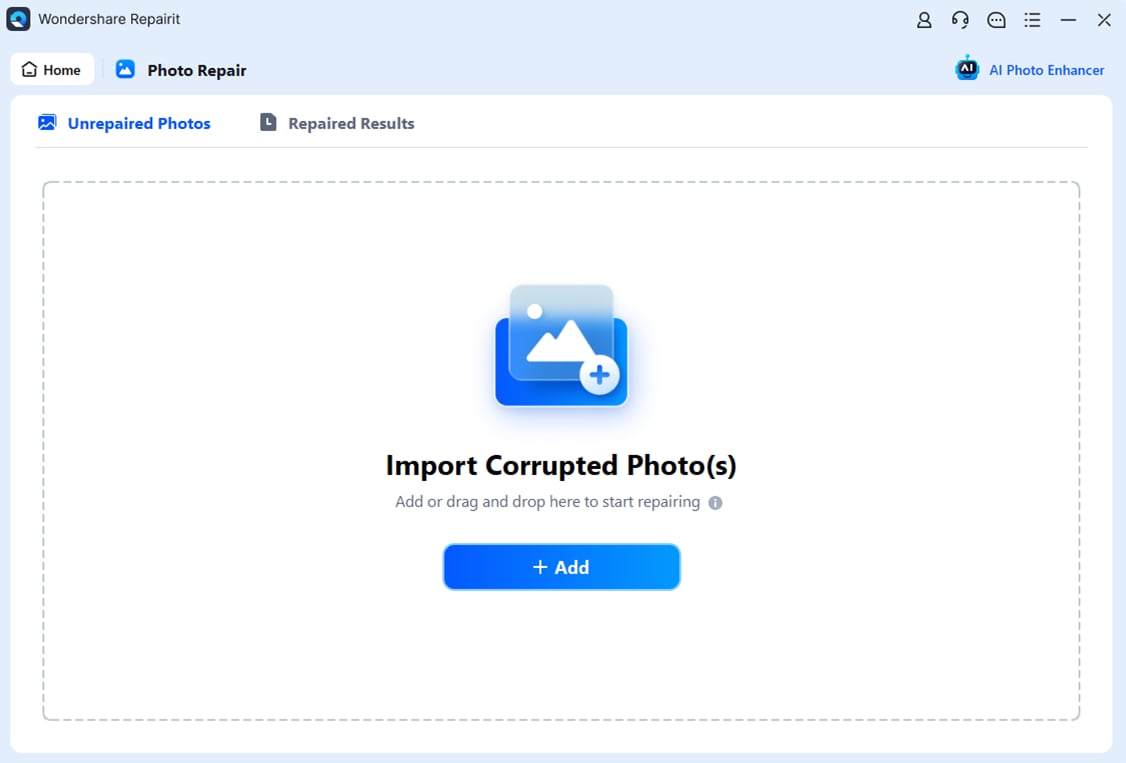
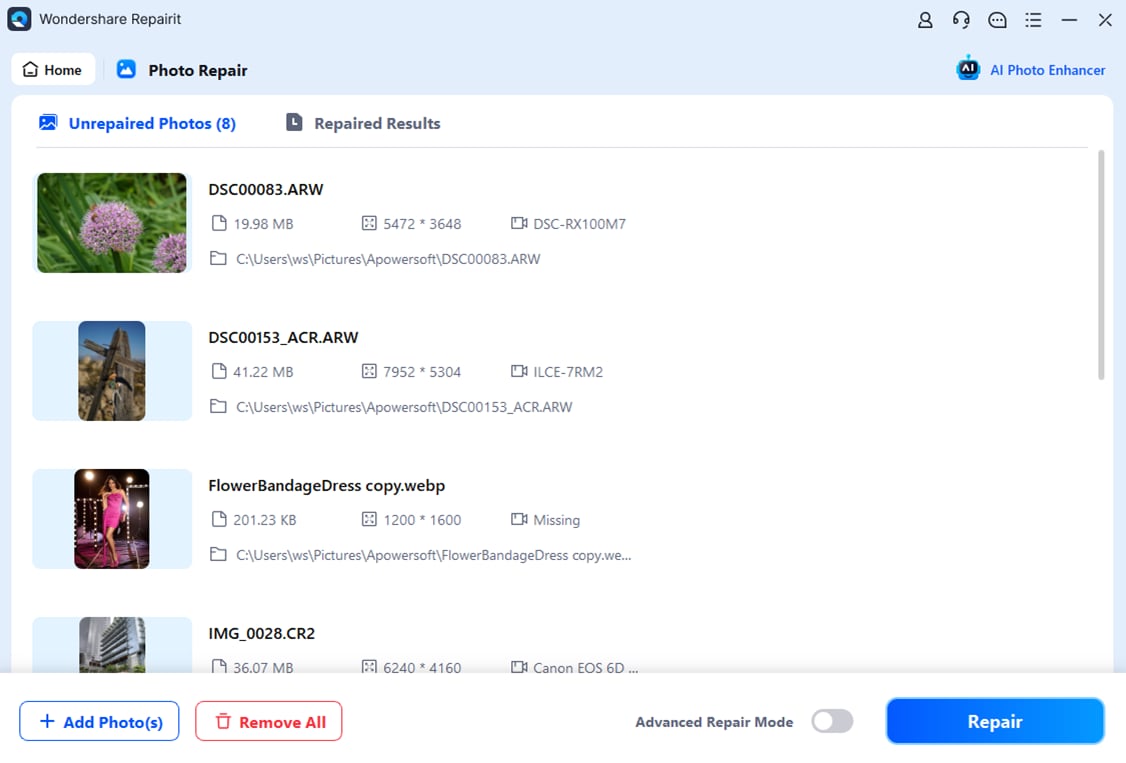
Open Wondershare Repairit and choose the photo repair module from the main screen. Click the button to add files, then browse to your SD card, camera folder, or backup drive and select the photos that refuse to open or display correctly. The selected items appear in a list where you can quickly review their names, sizes, and paths before starting repair.
- Repair photo files
After confirming the list, start the repair process with a single click. Repairit scans each damaged file, analyzes header and data errors, and reconstructs viewable image information wherever possible. While it works, you can monitor progress on the interface, and once the repair is complete, use the built-in preview to check color, sharpness, and framing before you commit to saving.
- Save the repaired photo files
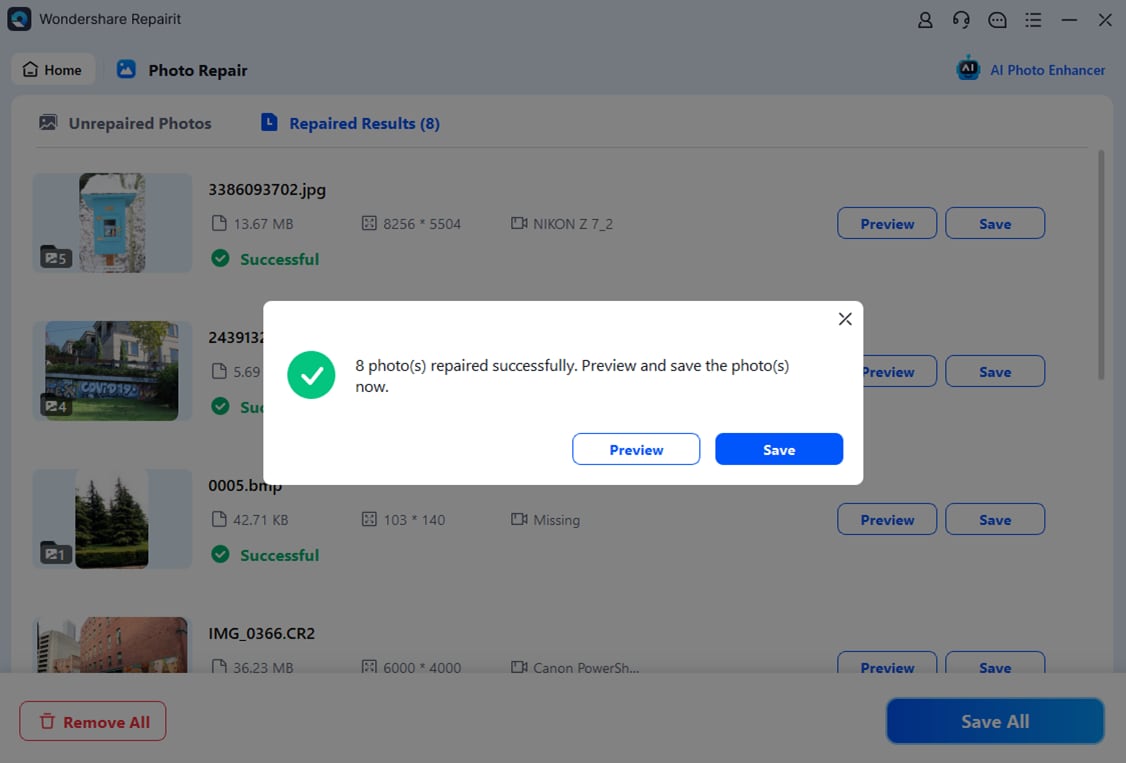
When you are satisfied with the preview, choose a safe output folder that is different from your original storage location. Click Save to export clean, repaired copies of your images. These new files can then be opened in your favorite photo editor, backed up to the cloud, or dropped back into your HDR and grading workflows without the corruption issues that interrupted you before.
Conclusion
Dynamic range in photography and video defines how much detail your system can hold from deep shadow to bright highlight in one frame. By understanding your sensor's limits and choosing the right profiles, exposure, and formats, you can keep more information for editing and achieve natural, cinematic results across cameras, editors, and displays.
Pairing good capture technique with safe storage and reliable repair tools keeps that hard-earned detail secure. If your photos or clips become unreadable, Wondershare Repairit can often bring them back, letting you focus on creative decisions instead of data rescue.
Next: Highlight Clipping
FAQ
-
1. What is dynamic range in photography and video in simple terms?
Dynamic range in photography and video is the span between the darkest and brightest tones a system can record in one shot while still keeping visible detail on both ends. It tells you how much real-world contrast your camera and file can handle before shadows turn into solid black or highlights into pure white.
-
2. Why does dynamic range matter for my photos and videos?
A wider dynamic range helps you avoid crushed shadows and blown highlights, gives your images more depth, and leaves extra room for color grading. It also means your exports will hold up better after compression for social media, streaming, and different displays.
-
3. Is higher dynamic range always better?
More dynamic range is usually beneficial, but it does not replace good lighting and exposure. You still need to control contrast on set, place subjects carefully, and expose to protect important details. High-range cameras can still clip if you overexpose or aim them directly into extreme light without care.
-
4. How can I maximize dynamic range when shooting?
Use log or flat profiles for video, shoot RAW for stills, and keep ISO as low as you reasonably can. Expose to protect highlights, use histograms or zebras to avoid clipping, and choose 10-bit or higher codecs when you expect heavy grading or HDR delivery.
-
5. Can I fully fix lost dynamic range in editing?
You can recover some highlight detail and shadow detail if they were captured within the file's range. But once an area is clipped to pure white or black, that data is gone and cannot be restored. Editing tools and AI can smooth transitions, yet they cannot recreate real information that was never recorded.




