
If you are searching for underexposed photo, underexposed image, or fix underexposed photo, the real problem is simple: the image is too dark because the camera captured too little light. The best fix depends on severity. Mild to moderate underexposure can often be improved with AI brightness and detail recovery. Severe underexposure, especially when shadow areas are nearly black or noisy, usually needs lower expectations and a more careful workflow.
For this topic, the strongest first recommendation inside the Repairit product line is Repairit Online AI Photo Enhancer, because the official product pages explicitly position it around improving dark, low-light, and underexposed images. The natural next step is Repairit Desktop when you want fewer limits, a larger workspace, or repeated enhancement jobs.
Quick Answer
- Best quick fix: Use Repairit Online AI Photo Enhancer to lift brightness, open shadows, and improve clarity in an underexposed image.
- Best for larger or repeated work: Use Repairit Desktop, which the official comparison page presents as the less restricted workflow compared with online.
- Best for manual control: Lightroom or Photoshop are still stronger when you want precise exposure, shadow, and noise adjustments by hand.
- Important limit: If the original image lost too much detail in the shadows, no tool can guarantee full recovery of information that was never captured.
In this article
Part 1. What an Underexposed Photo Is
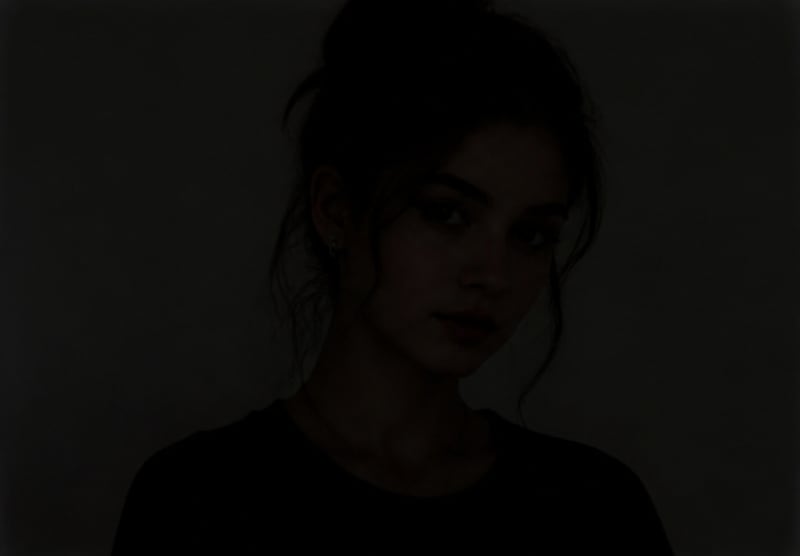
An underexposed photo is simply a photo that is darker than it should be because not enough light reached the camera sensor. Photography Life defines underexposure as a photo that is too dark because the sensor or film did not receive enough light, and SmugMug explains it similarly as a photo that appears darker than reality.
| Condition | What it looks like | Typical result |
|---|---|---|
| Mild underexposure | Photo is slightly dark but details still exist | Usually recoverable |
| Moderate underexposure | Shadows are heavy and color looks dull | Often recoverable with some noise trade-off |
| Severe underexposure | Large shadow areas look nearly black | Only partial recovery is realistic |
Not every dark photo is a mistake. Some images are intentionally moody or low-key. The real problem is when the darkness hides important detail in faces, products, backgrounds, or text that the image was supposed to show.
Part 2. What Causes Underexposed Images
- Insufficient light: the scene was too dark for the chosen settings.
- Shutter speed too fast: not enough time for light to reach the sensor.
- Aperture too narrow: the lens opening was too small.
- ISO too low: the sensor sensitivity was kept too conservative for the environment.
- Metering or exposure compensation choices: the camera protected highlights and left the rest too dark.
Those causes matter because they also explain recovery limits. A photo that is only a little dark often has recoverable information in the shadows. A photo that is dramatically dark may reveal noise, banding, or color damage when you try to brighten it.
Part 3. How to Fix an Underexposed Photo
Method 1. Use Repairit for Quick AI Correction
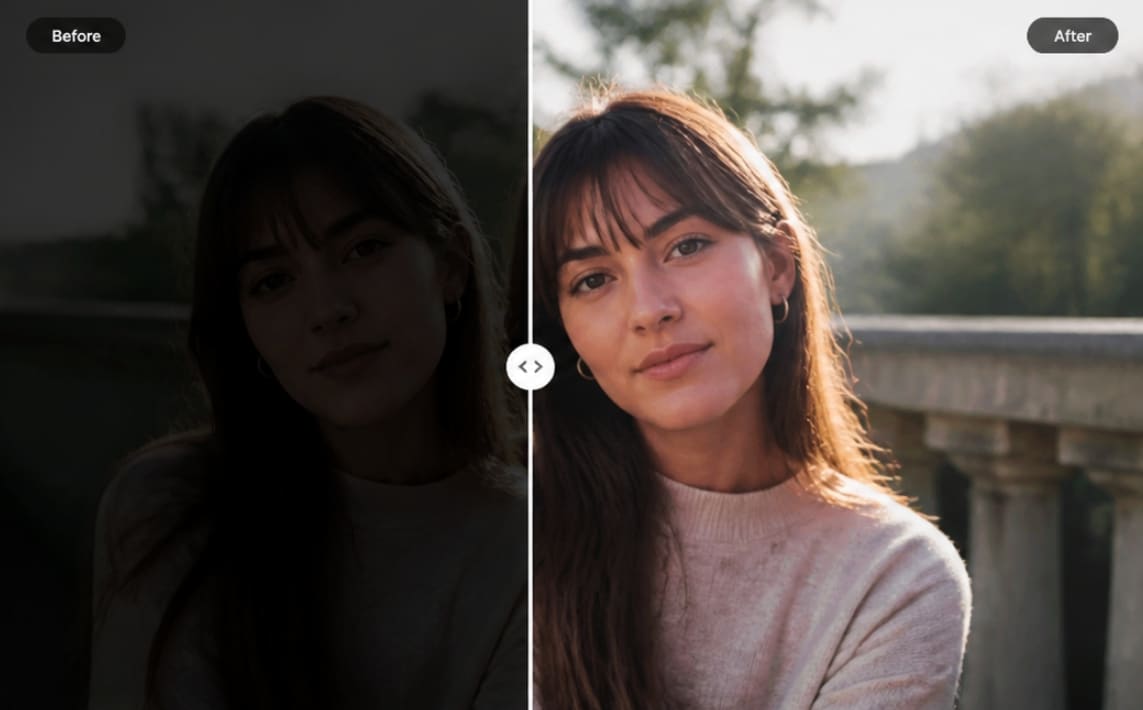
This should be the primary route for the page because Repairit's own enhancement pages explicitly say the tool can improve underexposed or low-light images by optimizing dynamic range, bringing out hidden textures in shadows, and correcting brightness automatically with AI.
Step 1. Upload the dark image. Add the underexposed picture you want to improve.
Step 2. Let AI optimize brightness and shadow detail. The enhancement workflow raises visibility in dark regions and improves overall balance automatically.
Step 3. Compare before and after. Check whether the recovered image looks clearer without becoming flat, gray, or unnaturally noisy.
This is the best fit for everyday users who want to brighten an underexposed image quickly without learning masks, curves, or RAW processing.
Method 2. Use Repairit Desktop for Larger or Repeated Jobs
Repairit Desktop is the better recommendation when you want a broader enhancement workflow, a larger preview, or less restrictive processing. The official comparison page repeatedly positions desktop as the option with no limit in places where online has caps, and it also presents desktop as the broader all-in-one environment.
- Use Repairit Desktop for bigger files or more frequent enhancement work.
- Use it when you want full-screen inspection before saving.
- Use it when underexposure correction is only one part of a wider image-repair workflow.
Method 3. Use Manual Editors When You Need Full Control
It would be misleading to pretend every user should avoid manual tools. Advanced editors such as Lightroom and Photoshop still matter when you want exact control over exposure, shadows, highlights, white balance, local masking, and noise reduction. Fstoppers' Lightroom tutorial, for example, focuses on raising exposure, increasing shadows, and then dealing with noise and banding carefully.
That said, those tools also demand more time and skill. For a Repairit article, they work best as context and comparison, not as the page's main recommendation.
Part 4. What AI Can and Cannot Recover from a Dark Photo
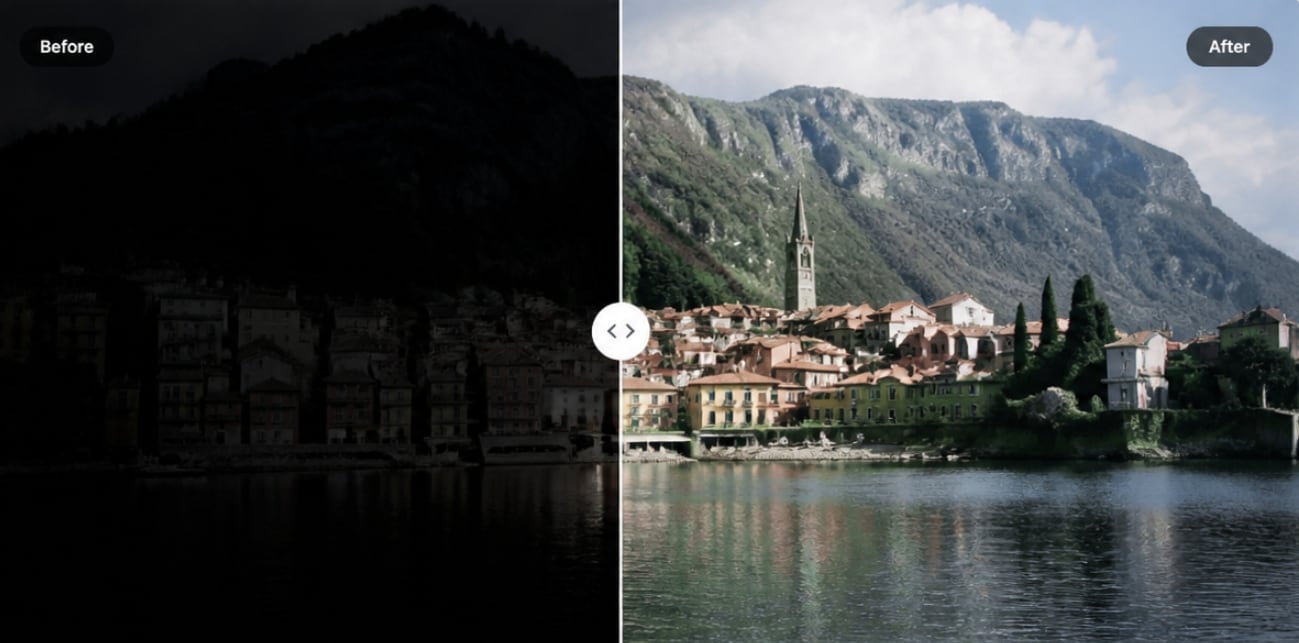
A strong article on underexposed images should be honest about limits. AI can often brighten shadows, improve local contrast, and recover some visibility. But it cannot promise perfect restoration when the image contains almost no original detail in the dark areas.
| Situation | Expected result |
|---|---|
| Slightly dark photo with intact detail | Usually strong improvement |
| Moderately dark photo with visible shadow texture | Often good recovery with some noise trade-off |
| Very dark image with clipped black areas | Only limited recovery is realistic |
| Dark image plus blur or heavy compression | Improvement is possible, but not always clean |
This is where expectations matter. If the photo was captured in RAW, manual tools often have more room to recover exposure cleanly. If it is a compressed JPEG with blocked shadows, any fix will usually involve compromise.
Part 5. How to Avoid Underexposed Pictures Next Time
- Increase light in the scene whenever possible.
- Use a slower shutter speed if the subject is still and the camera is stabilized.
- Open the aperture when depth of field allows it.
- Raise ISO carefully when you need more brightness.
- Watch the histogram instead of trusting the LCD preview alone.
- Shoot RAW when the scene has difficult lighting and you may need recovery later.
Prevention matters because brightening a dark file later almost always reveals more noise than getting the exposure closer in-camera.
Conclusion
If you need to fix underexposed photo files quickly, start with Repairit Online AI Photo Enhancer because it directly matches the problem and the product pages explicitly support underexposed-image improvement. If you need larger-scale work or a less restricted environment, move to Repairit Desktop. If you want total manual control and are comfortable with pro editing workflows, Lightroom and Photoshop still have a place. The key is to match the severity of the underexposure with the right level of tool, not to assume every dark image can be rescued perfectly.
FAQ
-
What is an underexposed photo?
An underexposed photo is a photo that looks too dark because not enough light reached the camera sensor during capture. This usually causes shadow detail loss and weak overall visibility. -
Can an underexposed image be fixed?
Often yes, especially when the underexposure is mild or moderate and the image still contains recoverable detail. Very dark photos with nearly black shadows usually have more limited recovery potential. -
What is the easiest way to fix underexposed pictures?
The easiest method is to use an AI enhancement workflow that brightens shadows and improves detail automatically. Repairit Online AI Photo Enhancer is a strong fit for users who want a fast correction without manual editing. -
When should I use Repairit Desktop instead of the online tool?
Use Repairit Desktop when you want a broader enhancement workflow, a larger preview, or less restrictive processing for repeated or larger jobs. The official Repairit comparison page presents desktop as the more expansive environment. -
Will brightening an underexposed image add noise?
It can. Raising brightness often reveals noise in the shadows, especially in compressed images or photos shot at higher ISO. That is why severe underexposure is harder to fix cleanly than slight underexposure. -
Is every dark photo actually underexposed?
No. Some images are intentionally dark for mood or style. A photo is truly underexposed when important subject detail is lost because the capture did not receive enough light.




