
 TL;DR:
To restore Outlook notifications on your mobile device, verify that alerts are enabled in both the in-app and system menus while disabling any active Do Not Disturb profiles or battery-saving modes that restrict background syncing.
● Android users should clear the Outlook application cache and data via system settings, keeping in mind this action will log you out and require signing back in.
● iPhone users must ensure Background App Refresh is toggled on under general system settings to allow email alerts when the application is not actively open.
● If standard settings fail, enabling the Collect Diagnostics feature within the Outlook Help and Feedback menu can successfully trigger push notifications to resume.
Ask AI for a summary
 ChatGPT
 Perplexity
 Gemini
 Claude
 Grok
Grok
Are you experiencing the issue that Outlook app notifications are not working on Android or iPhone? No need to worry! Today, we'll look at a few fixes for Outlook mobile notifications that aren't working.
Email alerts are really important. Typically, your phone will inform you when a new email comes, so you don't have to keep checking the emails all the time. Let's look at a few solutions for Outlook alerts not working on iPhone and Android.
Table of Contents
Part 1: Fixes to resolve Outlook App Notifications Not Working on Android & iPhone
You can begin with the fixes listed below. If none of these work, we will look at some fundamental settings that may have been neglected. Let's start with the first repair.
Fix 1: Restart The Phone
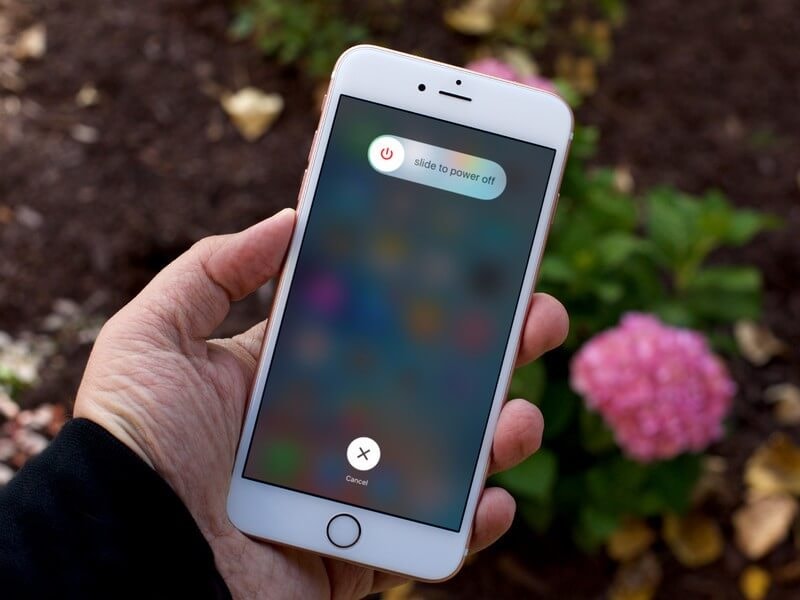
Restarting the device is one of the simplest ways to resolve an issue on Android or iOS. In most circumstances, this will assist in fixing and restarting the Outlook app services in the background. It will aid in restoring push notifications to your smartphone.
Fix 2: Update the Outlook App
An outdated version of the Outlook app may contain bugs that disrupt push notifications. Ensuring your app is updated to the latest version often resolves these glitches immediately.
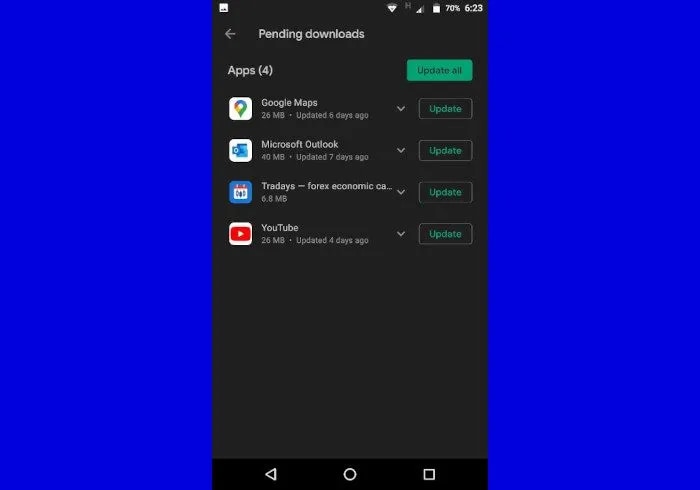
For Android:
- Open the Google Play Store on your device.
- Tap your profile icon at the top right and select Manage apps & device.
- Look for Microsoft Outlook under the "Updates available" section and tap Update.
For iPhone:
- Long-press the App Store icon on your home screen and select Updates.
- Swipe down from the top of the Account screen to refresh and check for new updates.
- Scroll down to find Microsoft Outlook and tap Update next to it.
Fix 3: Check Outlook App Notification Settings
Next, we'll take a look at the Notification settings within the Outlook app. Here's how you do it.
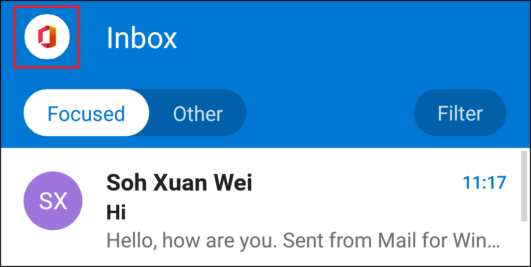
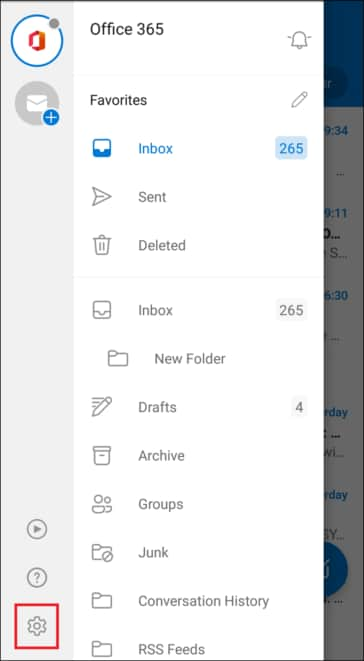
- Start the Outlook app on your Android or iPhone device.
- At the top, tap on the profile photo icon. Select the Settings option.
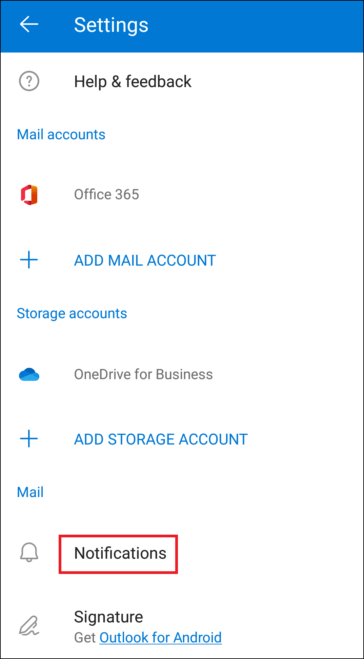
- Select Notifications from the Mail section.
- Check that notifications for All Mail or the one that relates to you are enabled. And activate the vibrating mode.
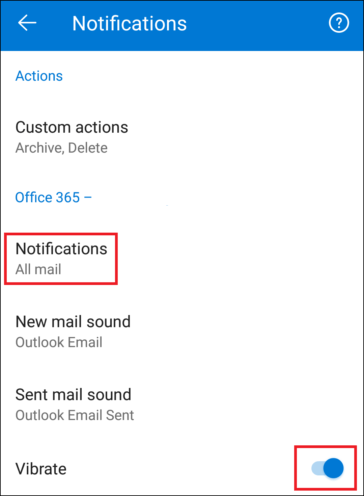
You will now receive alerts for any emails that arrive in your Outlook mailbox.
Fix 4: Check Notification Sound Settings
A sound notification alerts you when new emails arrive in your Outlook program. If your phone is muted or set to a silent notification tone, you won't hear any alerts even if push notifications are working properly.
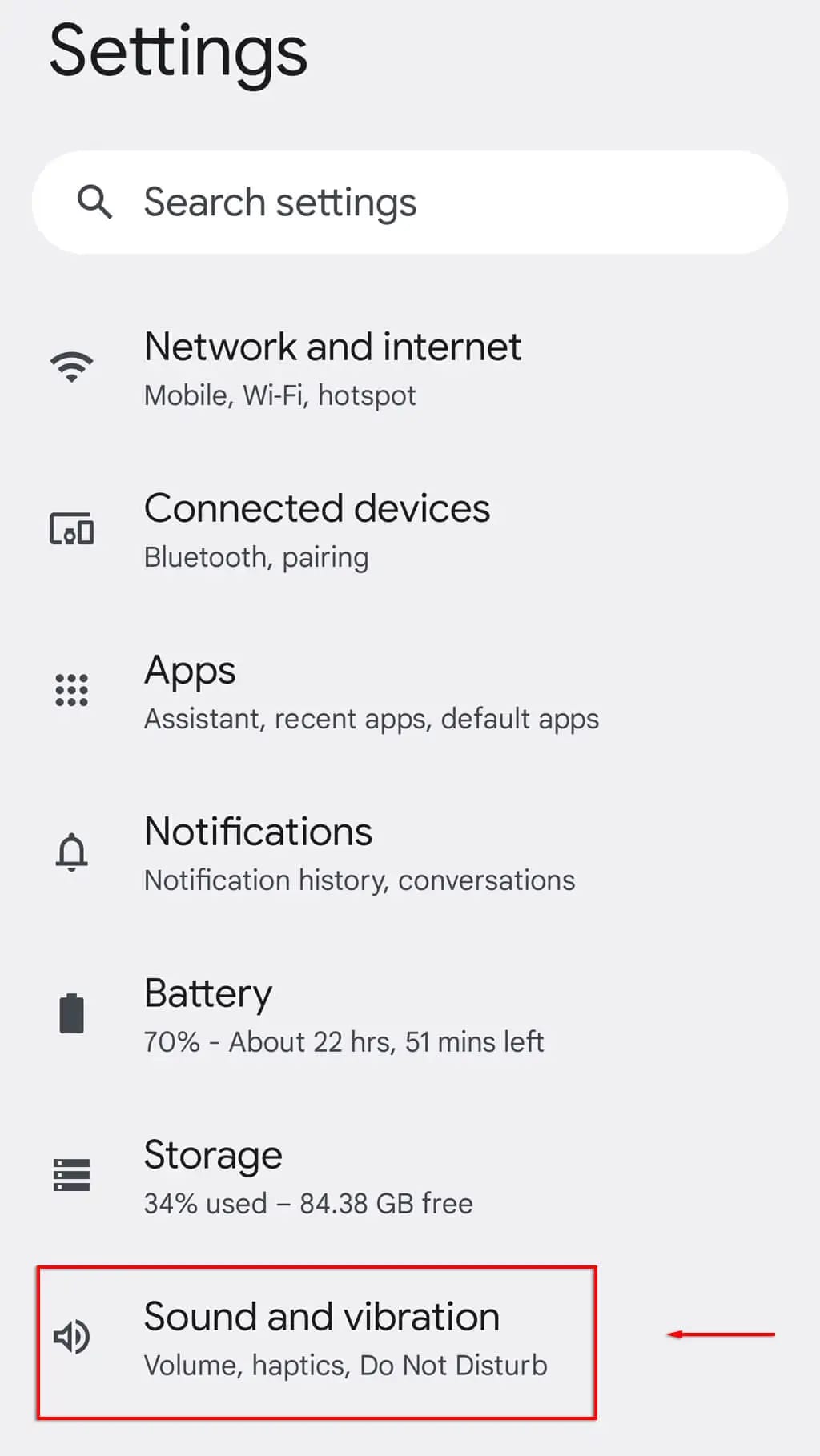
For Android:
- Open your device's Settings app.
- Tap Sound and vibration (or Sound & alerts).
- Select Default notification sound and ensure a valid, audible ringtone is chosen instead of "None" or "Silent".
For iPhone:
- Open the Settings app.
- Tap Sounds & Haptics.
- Scroll down to Default Alerts or New Mail and choose an audible tone.
Fix 5: Check Phone Notification Settings
Aside from the notifications settings in the Outlook app, you can discover further notification options in the Settings app. You will also need to verify and activate alerts for Outlook.
How to configure it:
- Go to the Settings app on your Android device.
- Navigate to Apps & Notifications (or Apps > Management).
- Select Outlook from the list of applications.
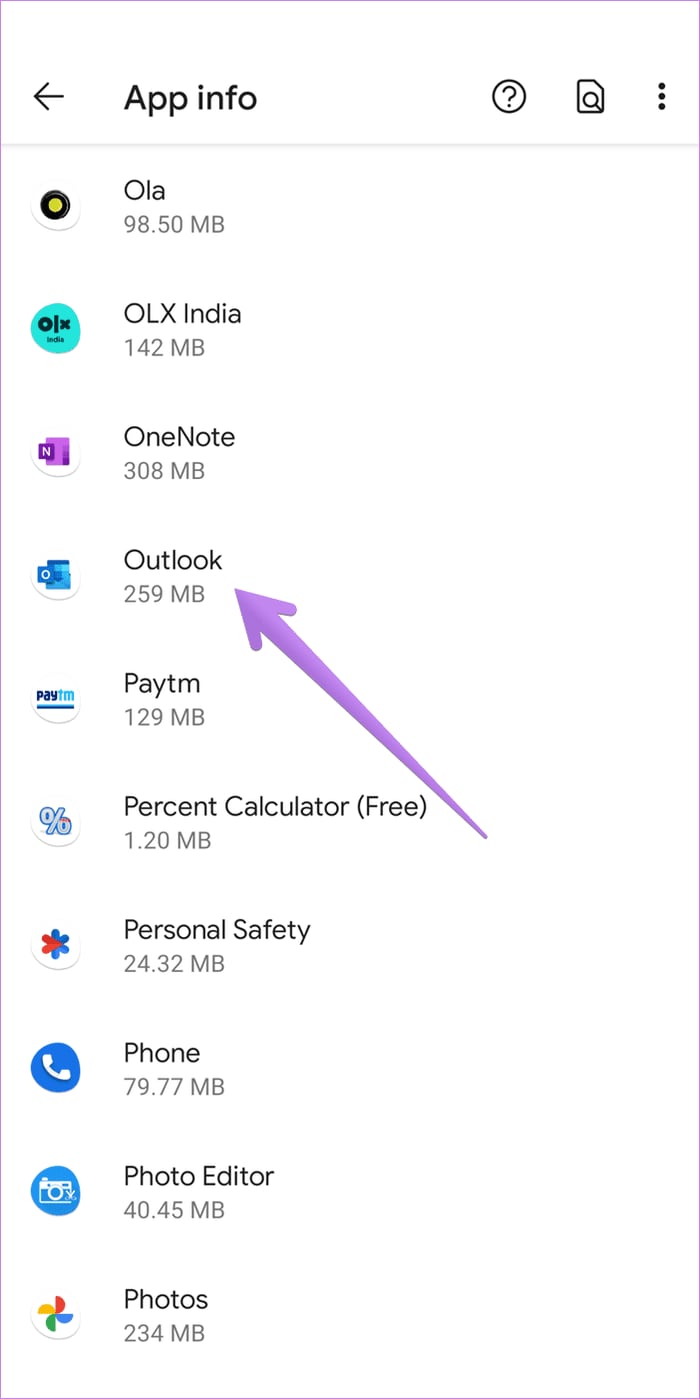
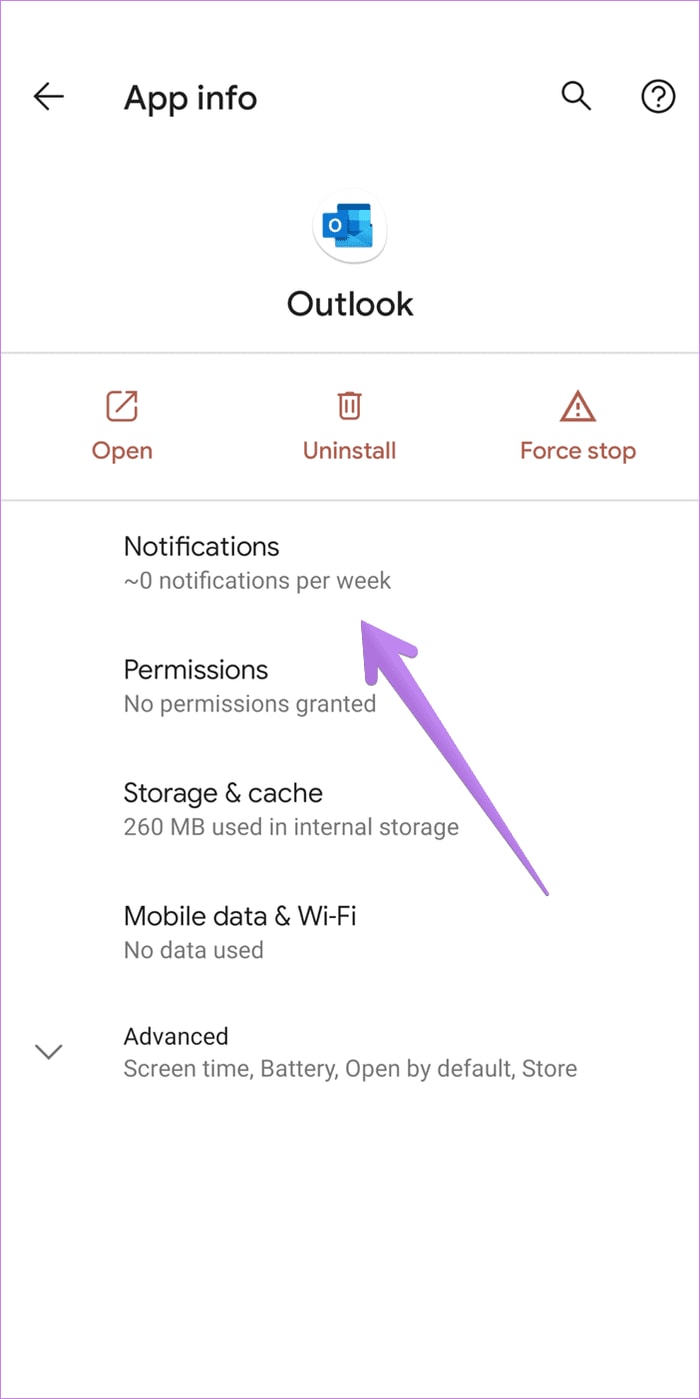
- Select Notifications.
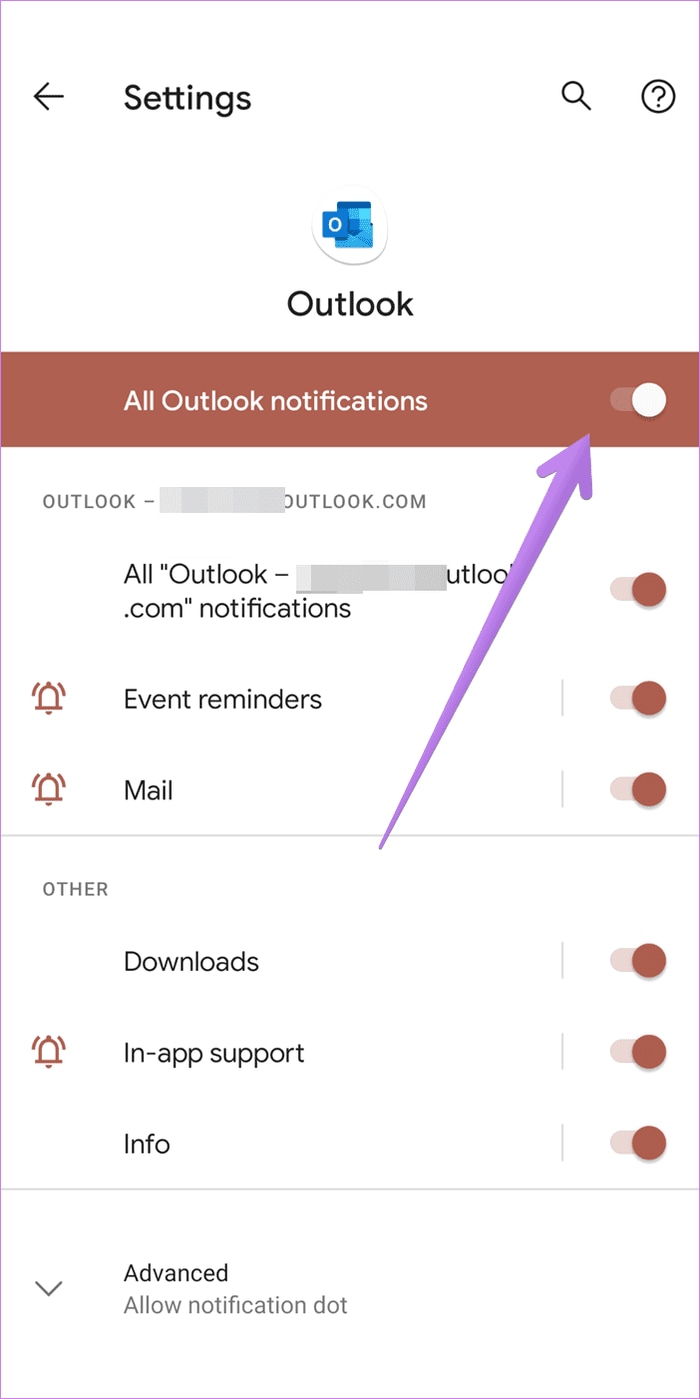
- Make sure the Outlook notifications toggle at the top is turned on. Also, have a look at the other toggles listed below.
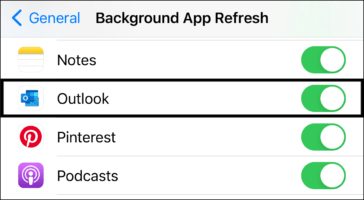
Fix 6: Enable Background App Refresh: iPhone
To receive email notifications when the mail app is running in the background, keep the Background app refresh enabled in iPhone settings. To make it possible, follow the steps below:
- Go to iPhone Settings.
- Then, General and tap Background App Refresh.
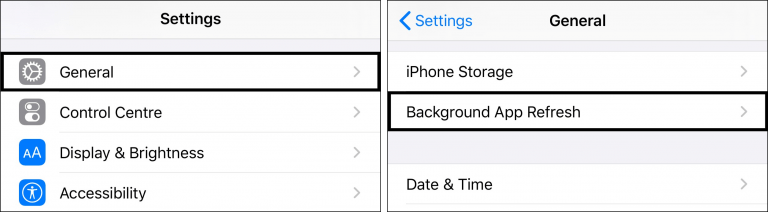
- From the list of apps displayed, look for Outlook, and turn on the switch next to Background App Refresh.
Fix 7: Clear Outlook App's Cache And Data: Android
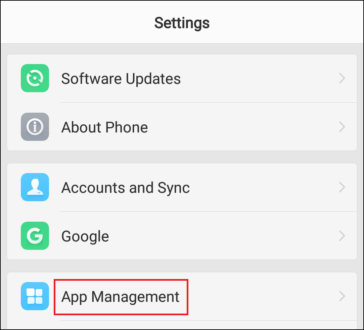
Clear the Outlook app's cache and data on Android devices. Clearing data logs you out of the app. You'll need to sign in again. Cleaning cache or data will not remove any of your personal information.
- First, open the Settings app.
- Then, go to Apps & Notifications or App Management.
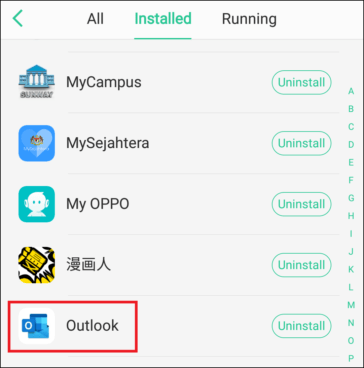
- Next, select Outlook from the displayed apps list.
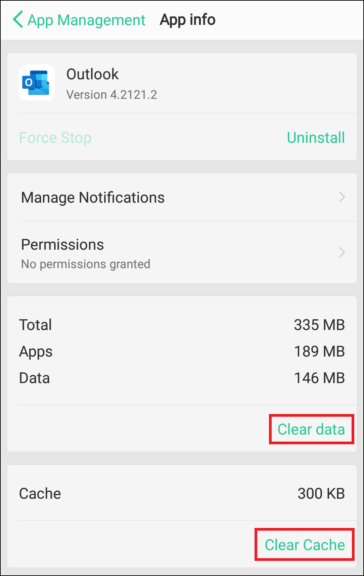
- Finally, begin by tapping Clear cache, and then you can choose Clear Data or Clear Storage.
Fix 8: Turn Off Battery Saver Mode
Battery-saving settings frequently hamper apps' usual operation. You should disable it and test whether you can get Outlook mail alerts.
To disable iPhone's power-saving mode:
- Go to Settings > Battery.
- Switch off the toggle next to the Low Power Mode.
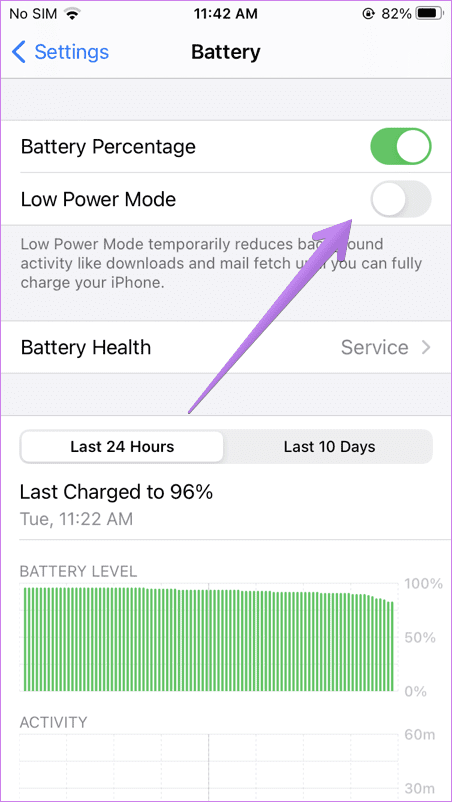
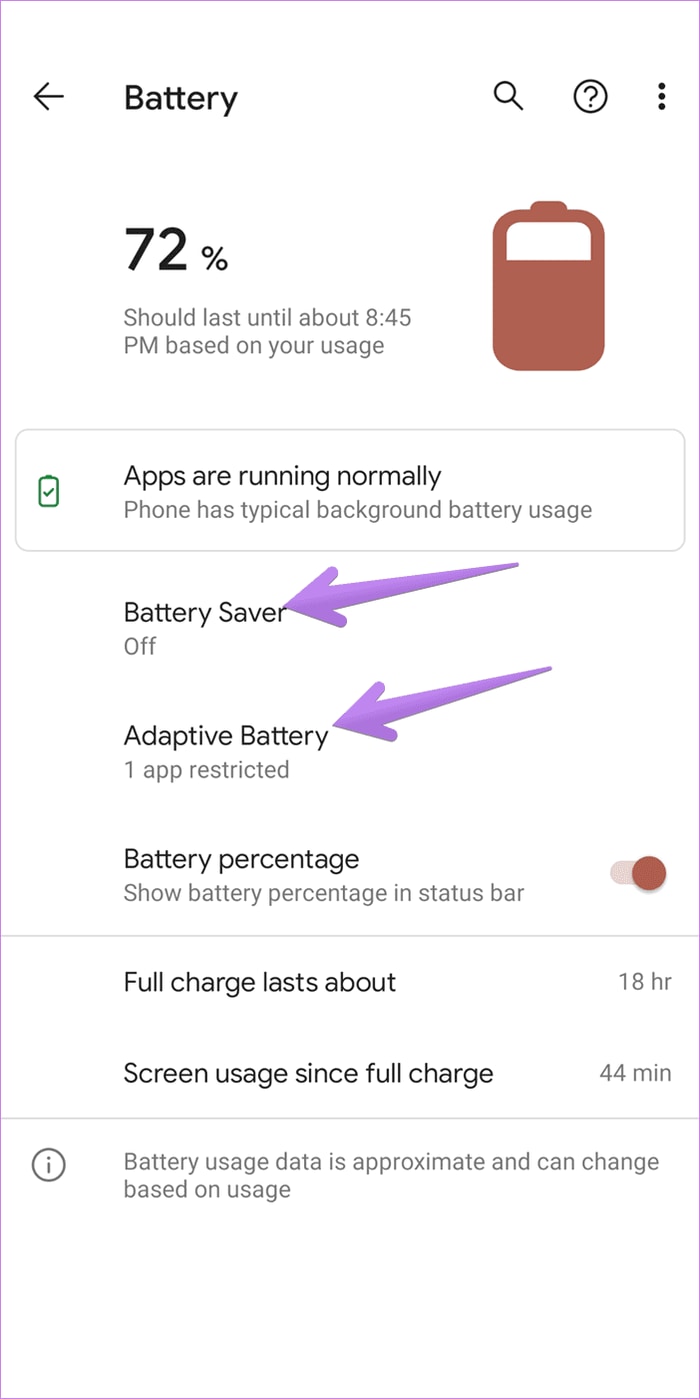
To turn off battery saving mode on Android:
- Go to Settings > Battery.
- Turn off the Battery saver or Adaptive battery.
Fix 9: Check Do Not Disturb Mode
You may need to remember the Do Not Disturb (DND) option on your iPhone or Android. To verify your phone's DND settings:
For Android:
Go to Settings > Sound > Do not disturb or bring down the Notification drawer and make sure that Do not disturb is turned off.
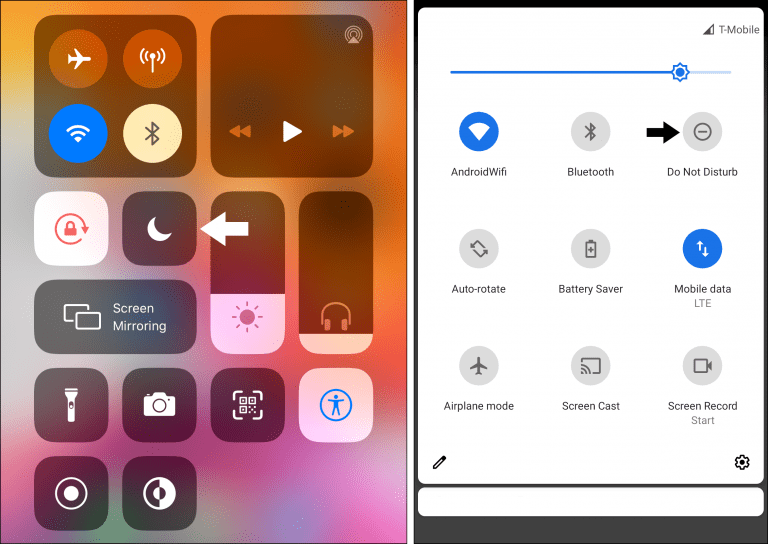
For iPhone:
Open Settings > Focus > Do not disturb or bring down the Notification bar to turn it off. Do check Schedule DND settings as well.
Fix 10: Collect The Diagnosis
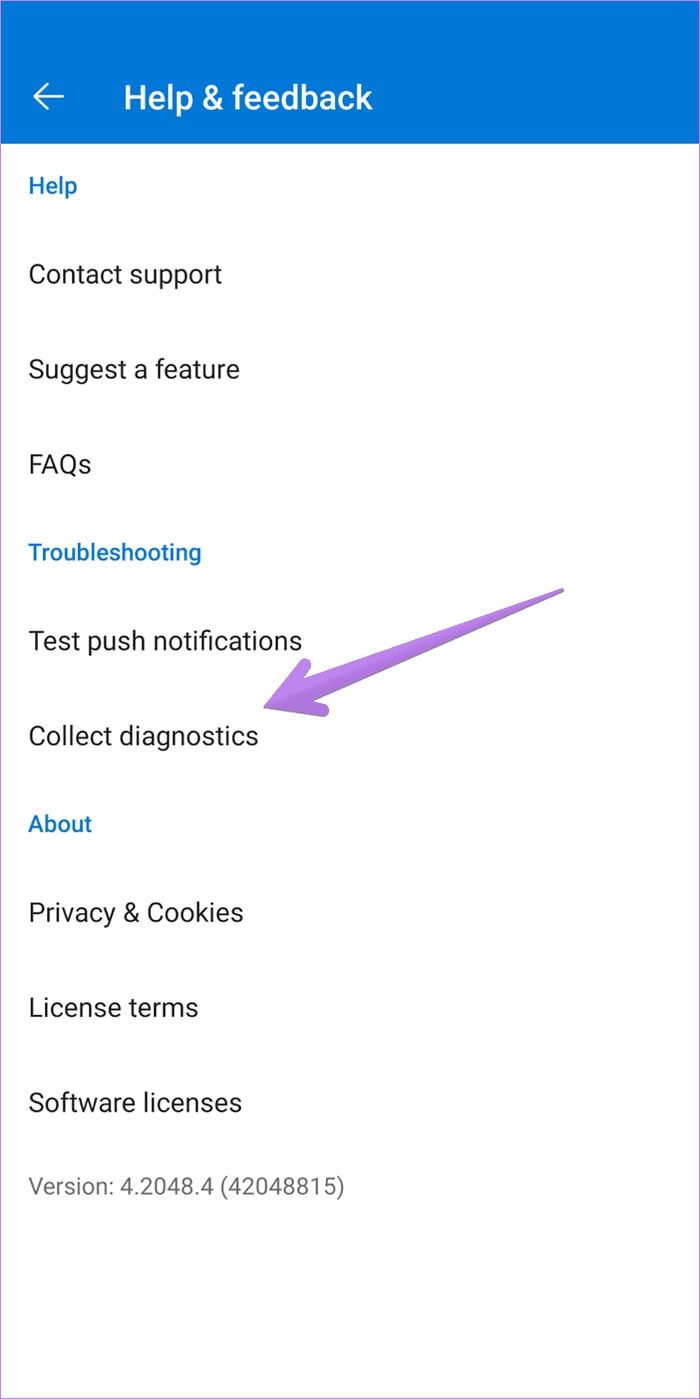
Some Outlook app users claim that alerts began operating properly after allowing Microsoft to receive diagnostics data from the Outlook app. There's no harm in giving it a go.
Here's how you go about it:
Navigate to the Outlook app's Settings. Tap Help & Feedback, then Collect Diagnostics.
Fix 11: Update Phone Software
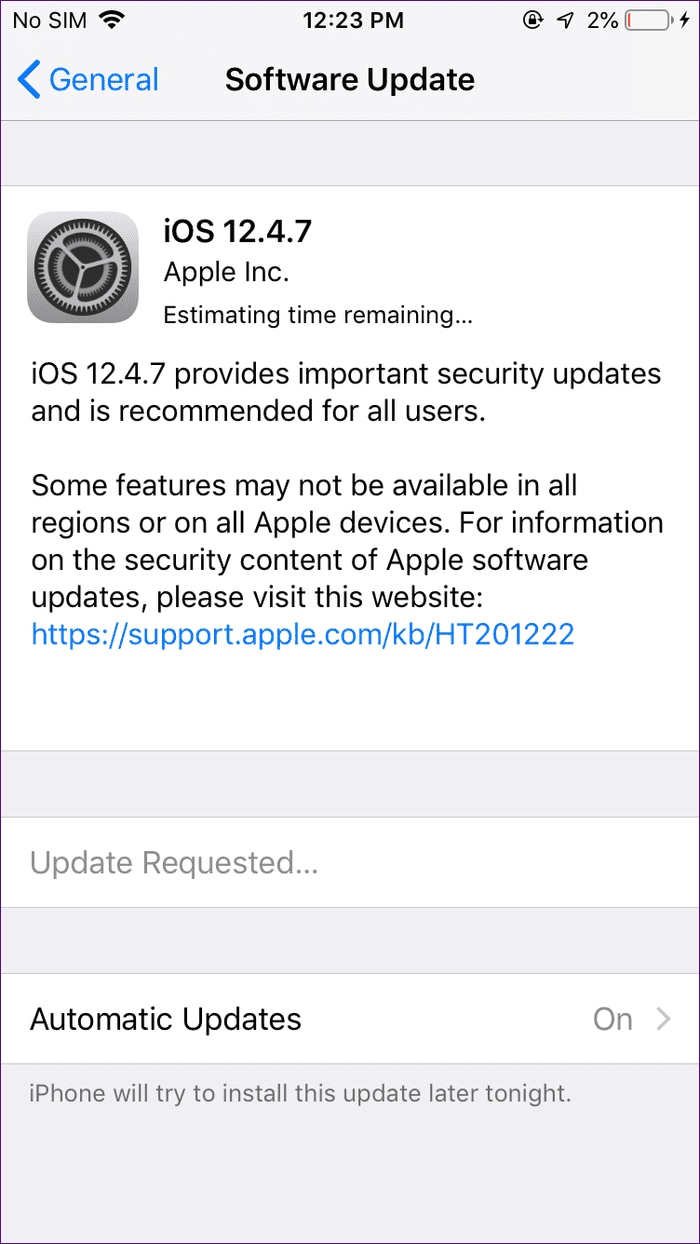
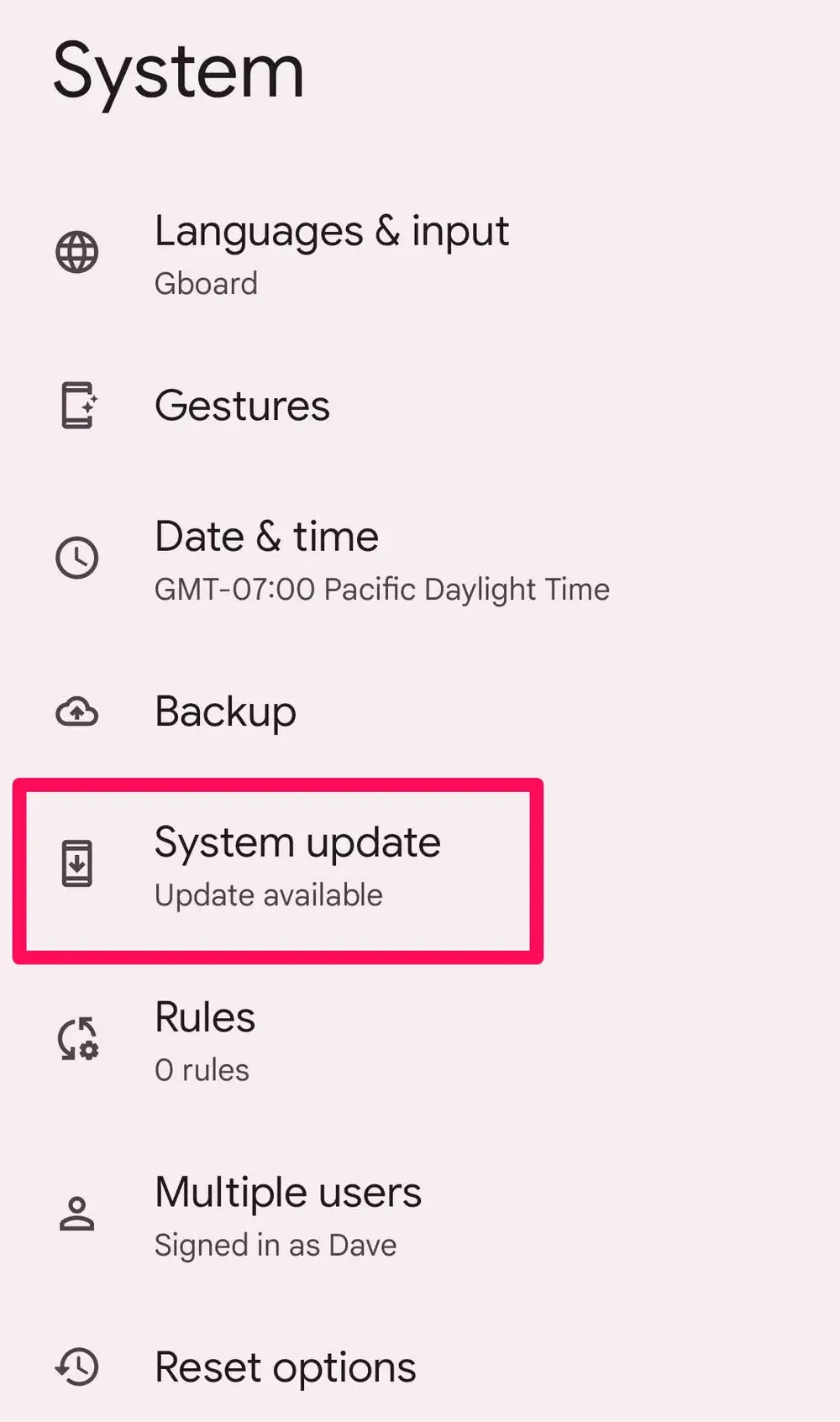
Similar to the Outlook app, your phone's most recent software upgrade may include faults as well. Check whether your phone has received a new software update.
For iPhone:
Go to Settings > General > Software update.
For Android:
Go to Settings > System > Software update OR Go to Settings > About phone > Software update.
Fix 12: Reinstall Outlook App
When you uninstall and reinstall an app, it clears the cached data, resets notification settings, and restores permissions to their normal settings. So, if you've tried everything else and your Outlook notifications are still not working, you may try this step.
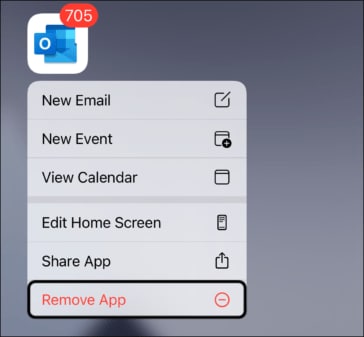
- First, long-press on the icon for the selection menu or head over to Settings.
- Then select Uninstall or Remove the app.
- Next, you can head straight to your App Store or Google Play Store to install the Outlook app again.
- Finally, relaunch the newly installed Outlook app and allow all notification permissions when prompted.
Fix 13: Reset Settings
Warning: This step will restore system preferences to defaults. On iPhone, this resets network settings, wallpapers, and location permissions without deleting data. On Android, resetting app preferences will restore disabled apps, background data restrictions, and permission blocks.
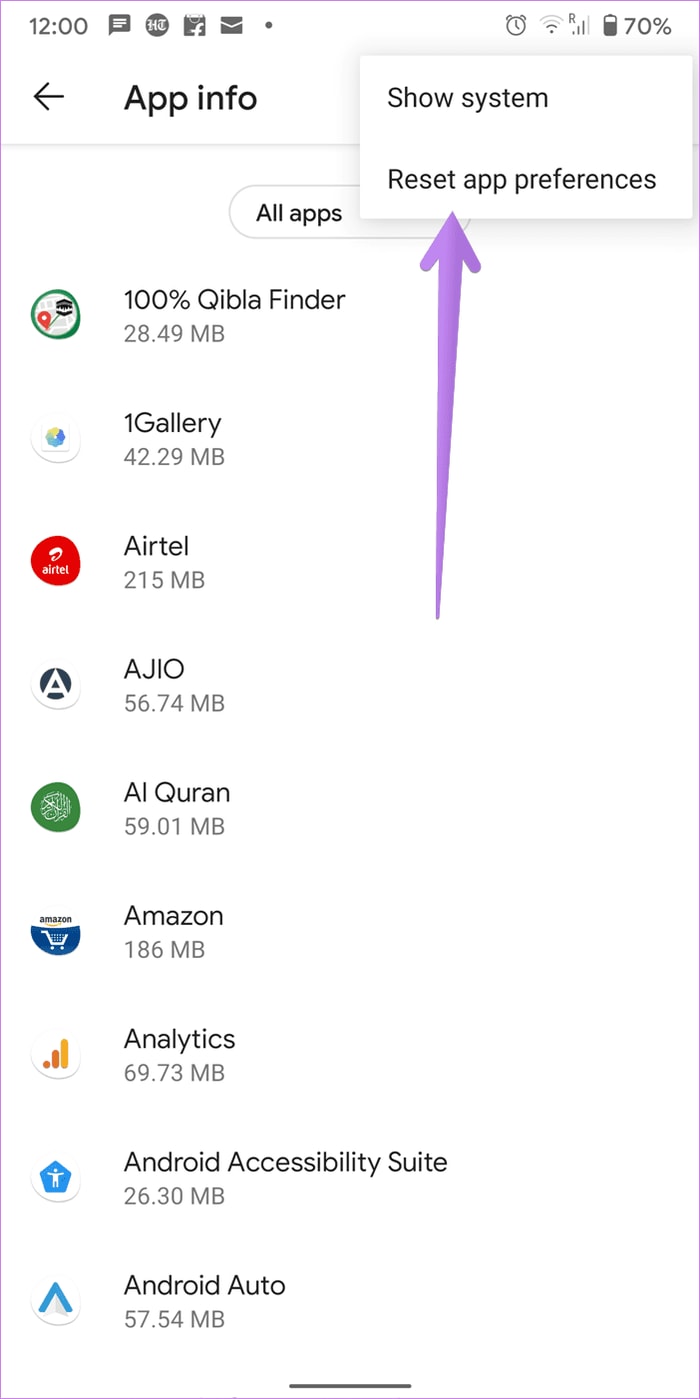
On Android (Reset App Preferences):
- Open Settings > Apps.
- Under All apps, tap the three-dot symbol at the top right and choose Reset app preferences.
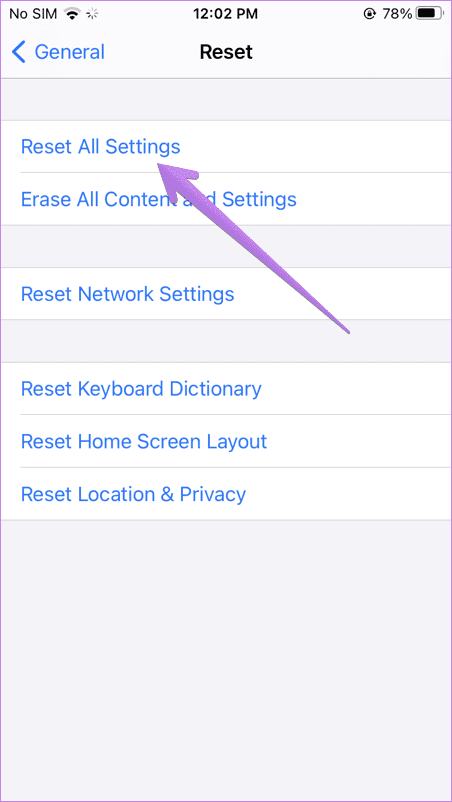
On iPhone (Reset All Settings):
Go to Settings > General > Reset > Reset all settings.
Conclusion
To summarize, there are 13 solutions mentioned above to the problem of Outlook email notifications not working on Android and iPhone. We hope that if you follow the instructions outlined, Outlook notifications will resume working on your Android or iPhone.
However, if you find that your Outlook issues extend beyond mobile devices—such as email data corruption, freezing desktop applications, or inaccessible folders on your PC—the root cause might lie within a broken desktop data file (PST/OST). If you are struggling with missing or corrupted mailboxes on your computer, a dedicated repair utility can instantly recover your workflow.
-
Repair damaged PST & OST Files in Outlook in all Email corruption scenarios, such as hard disk crashes & bad sectors, virus attacks & Trojan horse, outlook corruption & malfunctions, improper shutdown procedure, etc.
-
Restore Outlook Emails deleted for a long time and extract the Email messages, folders, calendars, etc. within seconds.
-
Repair corrupted Emails and restore deleted Emails with a very high success rate.
-
Repair Emails in batches without size limits and support to preview all of them before saving.
-
Compatible with Windows 7/8/8.1/10/11, Windows Server 2012/2016/2019, and MacOS X 10.11~ MacOS 12 (Monterey).



