
 TL;DR:
Resolving the failure of Outlook to receive Gmail emails requires verifying IMAP is enabled in Gmail settings, repairing the account connection, and removing Windows Defender Firewall blockages.
● Free up inbox storage space since Outlook 2019 enforces mailbox size limits between 2 GB and 50 GB, completely blocking incoming messages once maximum capacity is reached.
● When accessing the same email account across multiple computers, you must activate Recent mode by changing your Account name field to start with "recent:" to ensure all devices receive the messages.
● If sync failures stem from malware-damaged PST or OST files rather than configuration errors, utilize Wondershare Repairit for Email to repair the corrupted files without size limits on Windows or Mac systems.
Ask AI for a summary
 ChatGPT
 Perplexity
 Gemini
 Claude
 Grok
Grok
It is no secret that Gmail and Microsoft Outlook are two of the most popular email clients for both personal and professional communication. If you balance both platforms, configuring your Gmail account to send and receive messages directly inside Microsoft Outlook is a fantastic way to streamline your workflow.
Since both services fully support standard IMAP and POP protocol configurations, syncing your Gmail inbox with Outlook should be a seamless experience. However, unexpected sync failures can occasionally disrupt this integration, leaving frustrated users wondering why Outlook is not receiving emails from Gmail.
Fortunately, this issue is highly fixable with the right troubleshooting approach. In this comprehensive guide, we will break down the primary causes behind this error and walk you through practical, step-by-step methods to get your email syncing properly again.
Part 1: Reasons for Outlook Not Receiving Gmail Emails
When Outlook stops receiving Gmail emails, the issue usually stems from a breakdown in communication between the local client and Google's mail servers. Here are the most common technical triggers:
#Reason 1: Strict Security Settings. Core system components, such as a local firewall or third-party antivirus, might actively block incoming email server connections.
#Reason 2: Network Sync Timeouts. Intermittent network instability or restricted office network protocols can prevent data from synchronizing properly.
#Reason 3: Inbound Routing Mismanagement. Inbound filtering or faulty rules might be automatically routing your Gmail messages into the Spam or Bin folders instead of the primary Inbox.
#Reason 4: Server-Side Downtime. Occasional, temporary downtime on either Microsoft's or Google's local mail routing infrastructure can suspend email delivery.
#Reason 5: Mailbox Data Corruption. A damaged or overloaded PST/OST data file can destabilize Outlook's storage framework, leading to a complete failure to ingest new Gmail data.
Now that we understand the potential root causes, let's explore the step-by-step methods to resolve this synchronization problem.
Part 2: How to Fix Outlook Not Receiving Gmail Emails?
Because server disruptions, wrong account parameters, and local data locks can all manifest as a sync failure, you may need to apply a few targeted fixes. Follow these proven methods sequentially to restore your connection.
Let's dive into it!
Method 1: Repair the Gmail Account Profile in Outlook
Microsoft Outlook features a built-in diagnostics option designed to refresh and repair configured accounts. If the connection link between Outlook and Gmail becomes unstable, resetting the profile through this utility can clear the error:
Step 1: Open the Microsoft Outlook app on your Windows system.
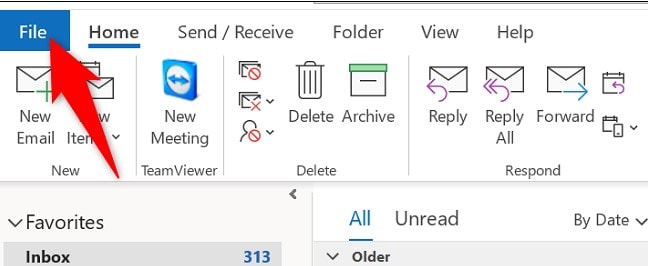
Step 2: Click on the File menu located in the top-left corner of the window.
Step 3: Under the Account Information panel, select the Account Settings drop-down list.
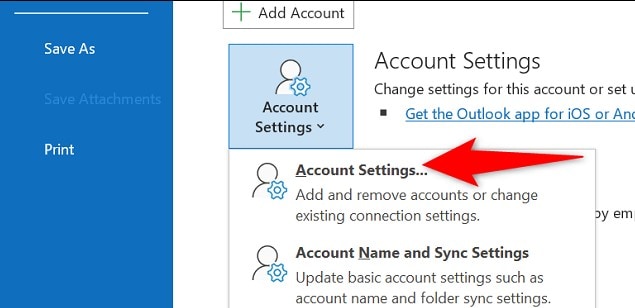
Step 4: Click on Account Settings within the menu list.
Under the Email tab, select your Gmail account and then click the Repair button at the top of the interface.
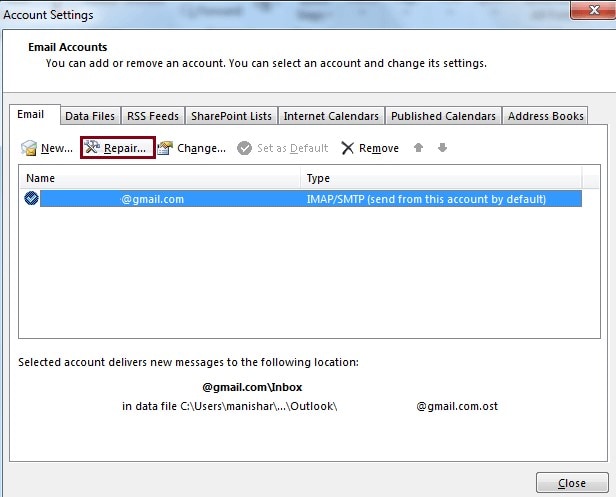
Follow the on-screen prompts to allow Outlook to re-authenticate and refresh the Gmail connection. Once finished, restart Outlook and check your inbox for incoming messages.
If this automated profile refresh does not resolve the issue, proceed to the next method.
Method 2: Verify Gmail POP/IMAP Status Server-Side
Before Outlook can fetch data, you must explicitly give Gmail permission to share its mailbox data with third-party mail clients via IMAP or POP protocols. Check your Google webmail preferences using these steps:
Step 1: Open your web browser and sign in to your Gmail dashboard.
Step 2: Click the gear icon (Settings) in the top-right corner and choose "See all settings."
Step 3: Head to the top menu tabs and locate the Forwarding and POP/IMAP settings page.
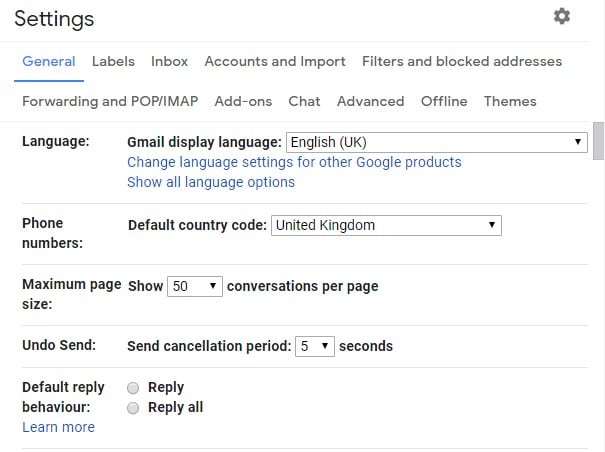
Step 4: Scroll down to the IMAP Access and POP Download sections.
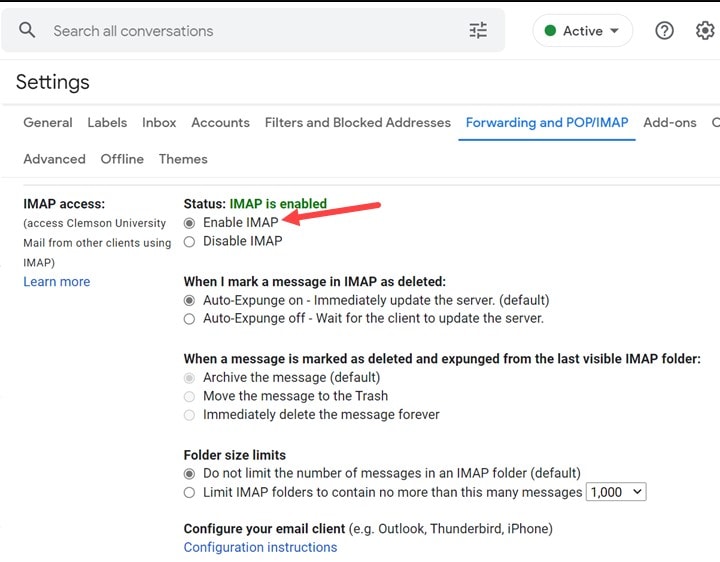
Step 5: Ensure that "Enable IMAP" is turned on to allow Outlook to sync your folders smoothly.
Because IMAP provides a superior modern multi-device syncing experience over POP, it is highly recommended to rely primarily on it.
Step 6: Many users note that keeping IMAP enabled while actively disabling POP eliminates device conflicts, allowing Outlook to download Gmail messages immediately.
Method 3: Double-Check Mail Server Configurations
An unmapped server address or incorrect connection port settings can cause an immediate disconnect, stopping Outlook from fetching your Gmail emails. You can check and correct your server profile manually:
Step 1: Navigate to File > Account Settings > Account Settings.
Step 2: Choose your primary Gmail profile and select Repair.
Step 3: Select "Manual setup or additional server types" inside the wizard panel, then hit Next.
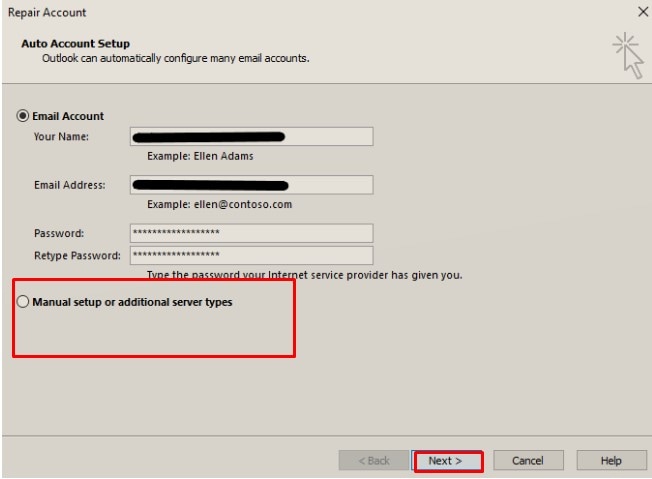
Step 4: Confirm that the Server Name (e.g., imap.gmail.com), port allocations, and User Name fields align perfectly with standard Google requirements.
Step 5: Click Next to run an account test, then click Finish to finalize the settings.
Method 4: Remove Corrupted Gmail Sorting Rules in Outlook
Overly restrictive sorting rules or conflicting filters can accidentally intercept inbound Gmail items, archiving them or filing them away into deep folders before you realize they have arrived.
Step 1: Launch Outlook, click the File menu, and stay on the Info tab.
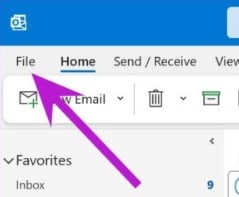
Step 2: Click on the Manage Rules & Alerts configuration button.

Step 3: Select your specific Gmail mailbox configuration from the drop-down menu and inspect the active rule parameters.
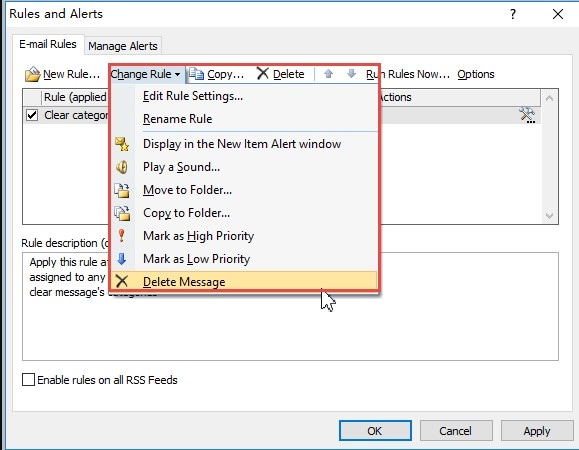
Step 4: If you find any conflicting or outdated filters, click on the rule and choose Delete from the top menu bar to clear it out.
Method 5: Free Up Space and Check Mailbox Size Limits
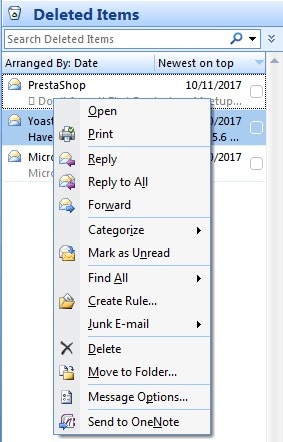
Modern iterations of Microsoft Outlook utilize default data file structures that cap overall storage capabilities between 2 GB and 50 GB. If your local PST data file is full, Outlook won't be able to download any new Gmail items. Regularly clearing out your Deleted Items directory is crucial to keeping your mailbox lean and functional.
Method 6: Configure or Temporarily Disable Windows Defender Firewall
As established in our technical reasons overview, a restrictive firewall rule can flag mail retrieval processes as unverified network actions. Adjust your firewall access permissions using these steps:
Step 1: Press Windows Key + S to invoke system search, and input "Windows Defender Firewall" into the field.
Step 2: Open the matching Control Panel applet from the results list.
Step 3: Click the link labeled "Turn Windows Defender Firewall on or off" in the sidebar panel.
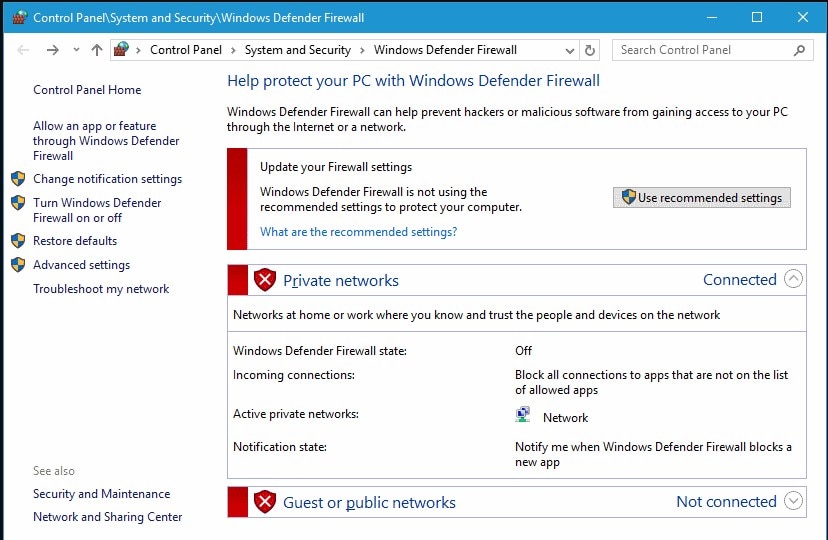
Step 4: To run a quick diagnostic check, select "Turn off Windows Defender Firewall" for both private and public networks.
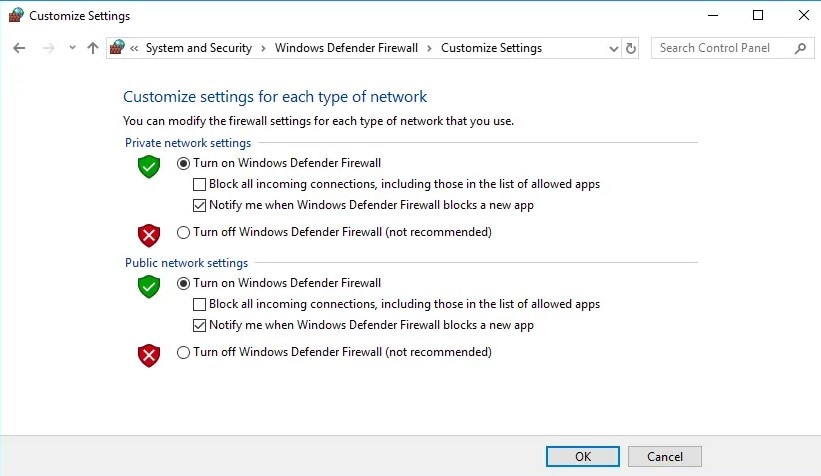
Step 5: If emails start downloading immediately after disabling it, you have found the bottleneck. Turn the firewall back on and configure an explicit application exception.
To create this exception, navigate back to the main firewall settings panel and select "Allow an app or feature through Windows Defender Firewall".
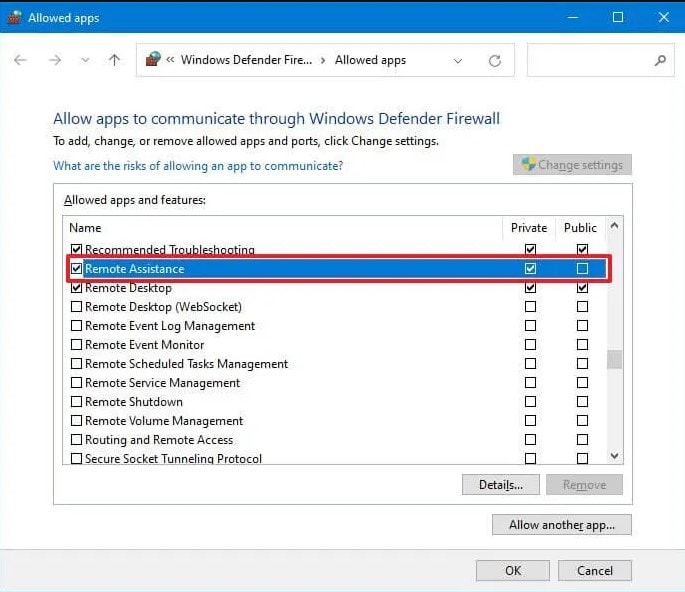
Step 6: Click Change Settings, scroll down to find Microsoft Outlook, check both the Private and Public network boxes, and click OK to save your changes.
Method 7: Enable Recent Mode for Multi-Device Environments
If you access your Gmail via POP across multiple local computers or smart devices, the first client that syncs will download and lock those messages. Turning on Recent Mode ensures that Google streams your inbox data to all active clients uniformly:
Step 1: Navigate back to the Account Settings dashboard inside Outlook.
Step 2: Double-click your active Gmail configuration file profile to alter its parameters.
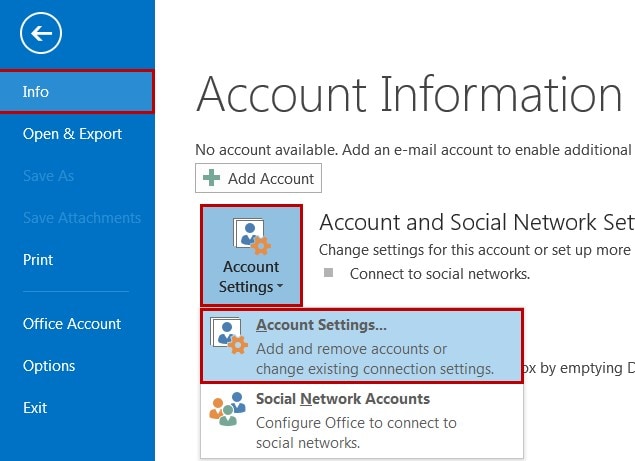
Step 3: Modify your User Name input line by adding "recent:" right before your regular email address (e.g., change it to recent:username@gmail.com).
Step 4: Click Done to apply the configuration, and monitor the mail stream across your devices.
Method 8: Re-add the Gmail Account Profile
If your sync connection remains entirely unresponsive, clearing out the old, problematic account profile and re-linking your Google account from scratch is often the most effective solution.
Step 1: Launch Outlook on your PC, find the target Gmail account entry in the left-hand navigation sidebar, right-click it, and select Remove.
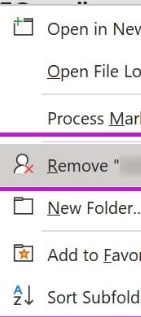
Step 2: Confirm your action in the prompt window. Outlook will remove the configuration footprint.
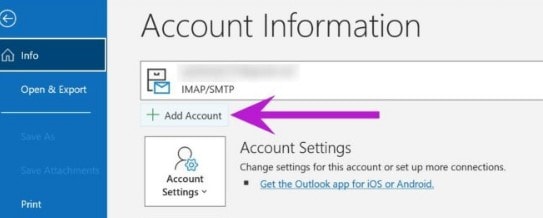
Step 3: To re-link your account, go to the File tab and select Add Account from the Info panel info options.
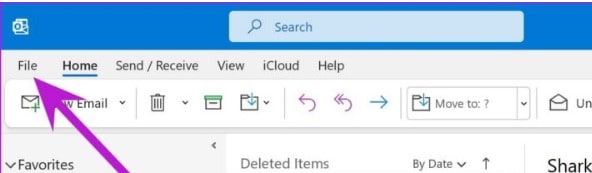
Step 4: Input your Gmail ID, authenticate via Google's modern sign-in security window, and authorize your mail retrieval permissions.
Bonus: What to Do When Your Gmail Emails Are Corrupt in Outlook?
If your Outlook database files (PST/OST) have suffered file corruption due to a sudden power failure, hard disk bad sectors, or malware interference, standard profile updates won't fix your synchronization issues. In these critical situations, repairing your underlying database archive with a professional recovery application is essential. That is where Wondershare Repairit for Email shines.
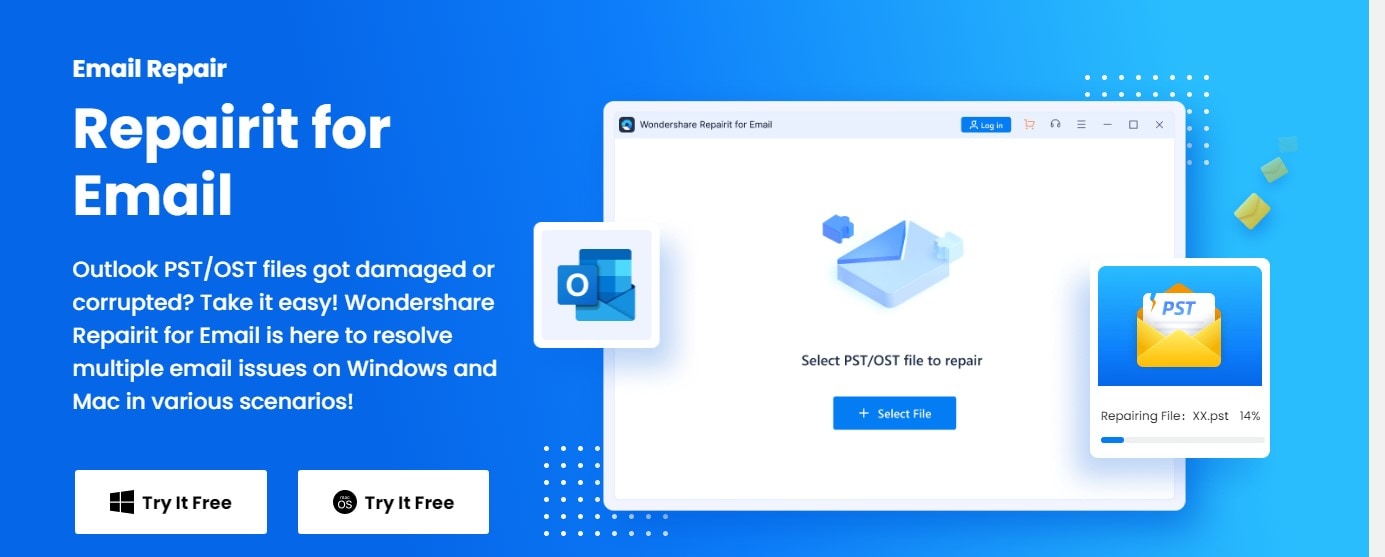
Wondershare Repairit offers a comprehensive, enterprise-grade framework tailored specifically for rebuilding complex Outlook data files. Compatible across both Windows and macOS systems, it boasts an array of advanced repair capabilities:
-
Repairs damaged PST & OST files under all common email corruption scenarios, including hardware failures, system crashes, malware attacks, and improper application shutdowns.
-
Restores long-deleted Outlook emails, accurately recovering text bodies, folder structures, calendars, contacts, and attachments within seconds.
-
Employs advanced data extraction technologies to secure an industry-leading repair success rate for heavily broken data structures.
-
Processes multiple email accounts simultaneously through batch repair mode, with no file size restrictions and interactive content previews before saving.
-
Provides robust cross-platform compatibility, supporting Windows 7/8/8.1/10/11, Windows Server editions, and macOS builds from OS X 10.11 up to modern versions.
Wondershare Repairit for Email simplifies file recovery down to an accessible, three-step automated routine:
Step 1: Upload the corrupted PST or OST mail data files into the interface.
Step 2: Initiate the automated deep repair process.
Step 3: Preview the parsed emails and save the fixed files back to your system.
This video provides a clear, visual walkthrough to help you easily fix your corrupted Outlook files step by step.
Whenever index fragmentation or sudden file damage halts email workflows, using this utility provides a reliable, stress-free way to restore critical archives in record time.
Conclusion
You are all set! By following this comprehensive troubleshooting blueprint, you can easily pin down network conflicts and settle errors with Outlook not receiving emails from Gmail. Methodically check server access rules, clear temporary buffers, and realign your IMAP profiles to restore proper syncing. If local database structure errors prevent proper updates, try a professional diagnostic solution like Wondershare Repairit for Email to quickly safeguard your data, attachments, and messaging history.



