
 TL;DR:
To brighten dull daylight portraits without creating an unnatural, over-edited look, use the Relumi Photo Lighting Enhancer's Sunny Day feature to selectively balance facial readability and background contrast rather than aggressively pushing overall exposure.
● This workflow is best suited for everyday outdoor and soft-cloud photos that have good composition but lack a clean daytime presence, prioritizing a realism-first correction over dramatic stylistic changes.
● Apply the Sunny Day direction within the Scene Retake menu, utilizing the preview to verify that skin tones remain believable and backgrounds retain realistic detail without turning artificially warm or glossy.
● Results may be limited if the original image is heavily blurred, highly compressed, or contains blown-out highlights, as the AI Retake process requires sufficient underlying details to rebuild natural light.
Ask AI for a summary
 ChatGPT
 Perplexity
 Gemini
 Claude
 Grok
Grok
Some daylight portraits are technically usable but still feel disappointing. The face is visible, the background is recognizable, and the photo is not truly dark, yet the whole image looks a little dull, flat, or tired. This is one of the most common reasons people start over-editing daytime photos. They try to push brightness, warmth, contrast, or color until the picture no longer looks natural. The original problem was a weak daylight impression, but the fix ends up creating a different one: a portrait that feels fake.
That is why this kind of photo needs a more careful correction. In most cases, users are not trying to create a dramatic before-and-after effect. They want the portrait to look more like the real moment: clearer light on the face, a cleaner daytime atmosphere, and a brighter overall impression that still looks believable. Relumi describes its Photo Lighting Enhancer and AI Retake workflow as a way to fix what the camera caught wrong so the moment looks the way it actually felt. That product framing is especially relevant here, because the real goal is not maximum brightness. It is a more truthful daylight feel. Official references: Photo Lighting Enhancer and Relumi App.
In this article
Part 1. Why daylight portraits can look dull even when they are not dark
A daylight portrait can feel weak without being obviously underexposed. This often happens when the light is technically sufficient, but the face does not read clearly enough, the shadows feel a little heavy, or the scene lacks the brightness hierarchy the eye experienced in person. The result is a photo that is visible but not vivid. People often describe it as dull, flat, muted, or simply not as good as the real moment.
This is common in everyday outdoor portraits, casual daytime photos, city-walk images, soft-cloud daylight scenes, and lifestyle shots taken in mixed brightness. The camera may preserve enough information to keep the image usable, but not enough to make the daylight feel clean and convincing. That is why simple editing often goes wrong: users try to force the photo into looking brighter instead of making it feel more naturally lit.
Part 2. How Relumi helps brighten a daylight portrait without making it look fake
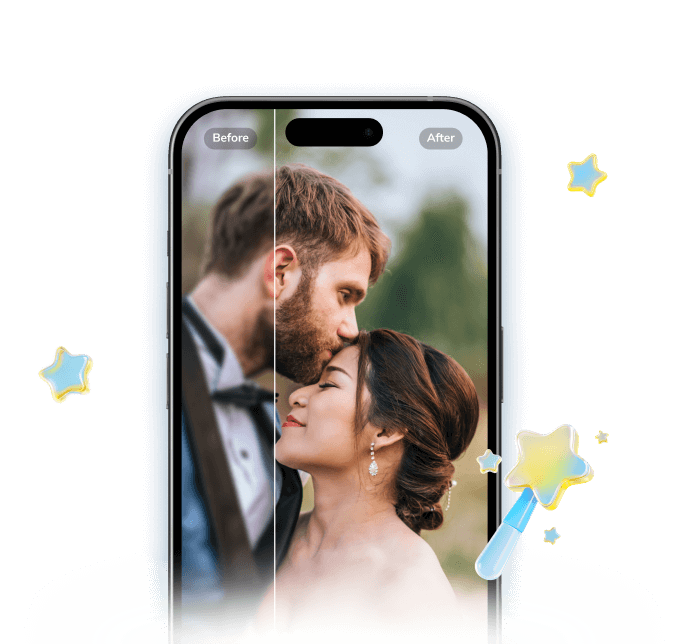

Relumi Lighting Enhancer
Retake photo lighting naturally with AI-powered scene relighting.
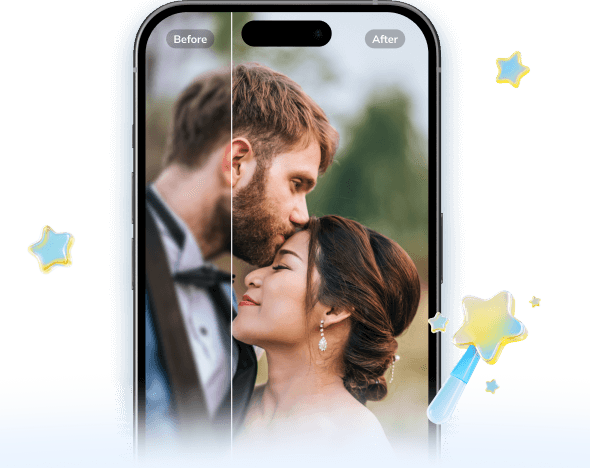
 Balance harsh facial shadows without flattening the portrait
-
Improve hard light, patchy light, and low-visibility street portraits naturally
-
Keep urban mood while making the subject easier to see
-
No editing skills required — upload, relight, preview, and save
Why dull daylight is not the same as underexposure
According to Relumi's official product page, Photo Lighting Enhancer reads face brightness, shadow direction, background contrast, and scene atmosphere, then rebuilds the image so it feels more naturally relit. That distinction matters because a dull daylight portrait often does not need extreme exposure recovery. It needs better balance. If you treat every weak daylight image as a dark photo and push brightness too far, the skin can lose realism, highlights can flatten, and the whole picture can start looking filtered rather than naturally bright.
For this type of portrait, Sunny Day makes the most sense when it restores a cleaner daylight impression instead of forcing a dramatic glow. The idea is to recover freshness and facial readability while keeping the photo anchored to the original scene.
What a natural-looking brightened result should feel like
A good result should look more open, more readable, and more pleasant without looking edited for attention. The face should feel clearer, but still like the same person in the same light. The background should feel brighter, but still believable. If the final image turns too yellow, too glossy, too smooth, or too aggressively contrasty, the correction has probably moved past realism.
For most users, the best brightened daylight portrait is one that does not announce itself as a correction. It simply feels closer to how the moment actually looked.
Part 3. How to use Sunny Day in Relumi
Step 1. Add the dull daylight portrait
Upload the photo you want to improve. This works best when the composition is already worth keeping, but the portrait looks a little flat, muted, or less sunny than the scene felt in person.
Step 2. Choose Scene Retake and apply Sunny Day
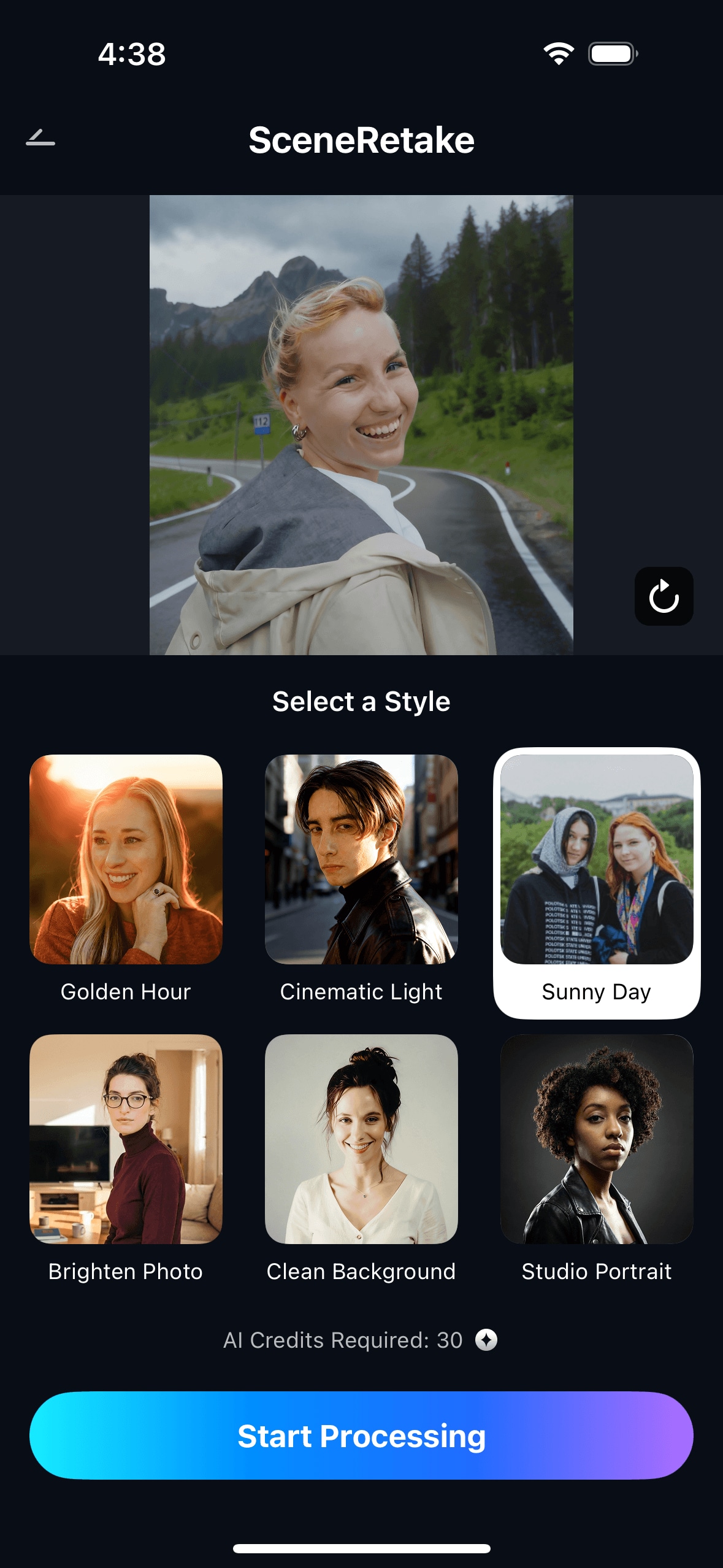
Select Scene Retake and use the Sunny Day direction that best matches the image. This is most useful when the photo needs a cleaner daylight feel, slightly stronger face readability, and a more pleasant outdoor atmosphere without crossing into an obviously stylized look.
Step 3. Preview and save the version that still looks real
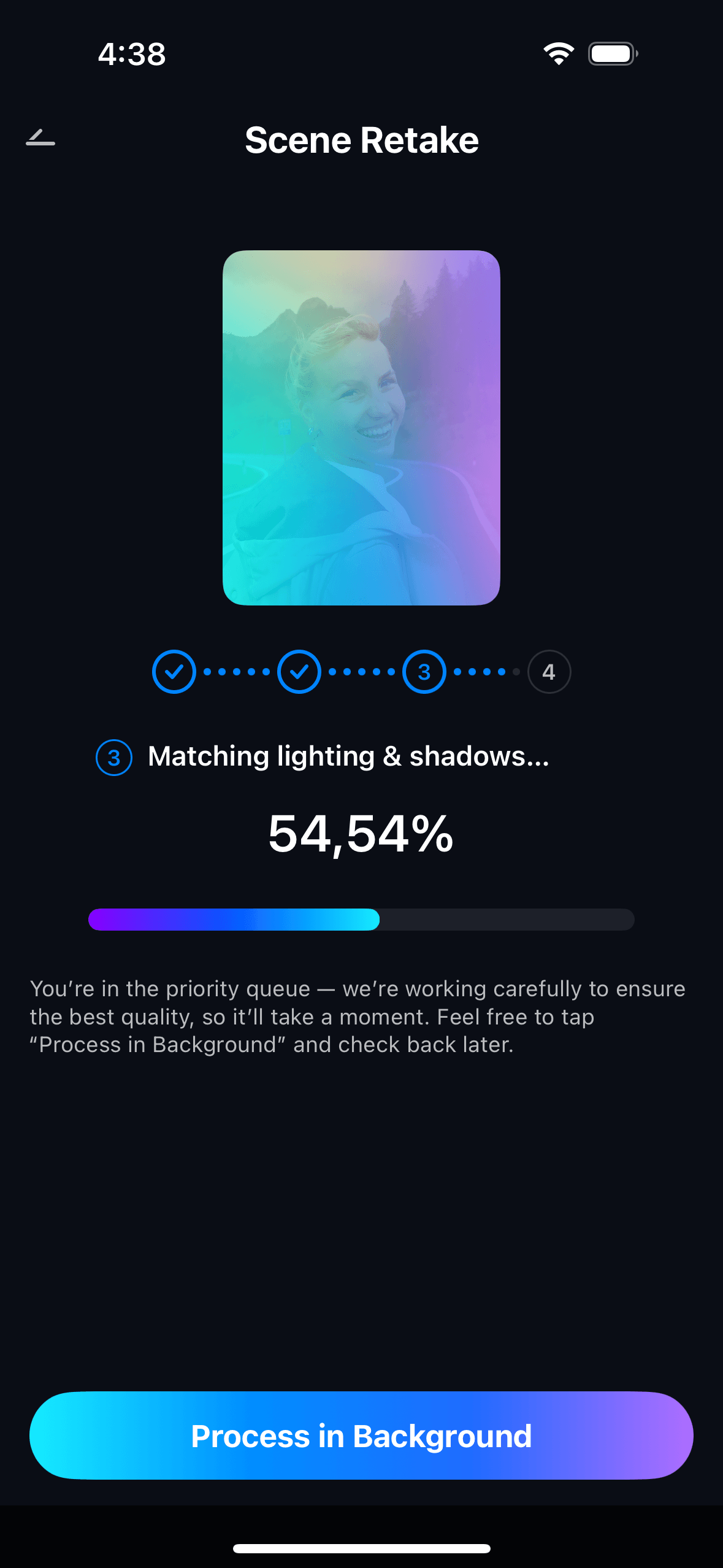
Before saving, compare the updated version with the original. The best result usually feels brighter and fresher, but not artificially boosted. Skin tone should remain believable, the background should keep its detail, and the image should still look like a real daylight portrait rather than a stylized re-edit.
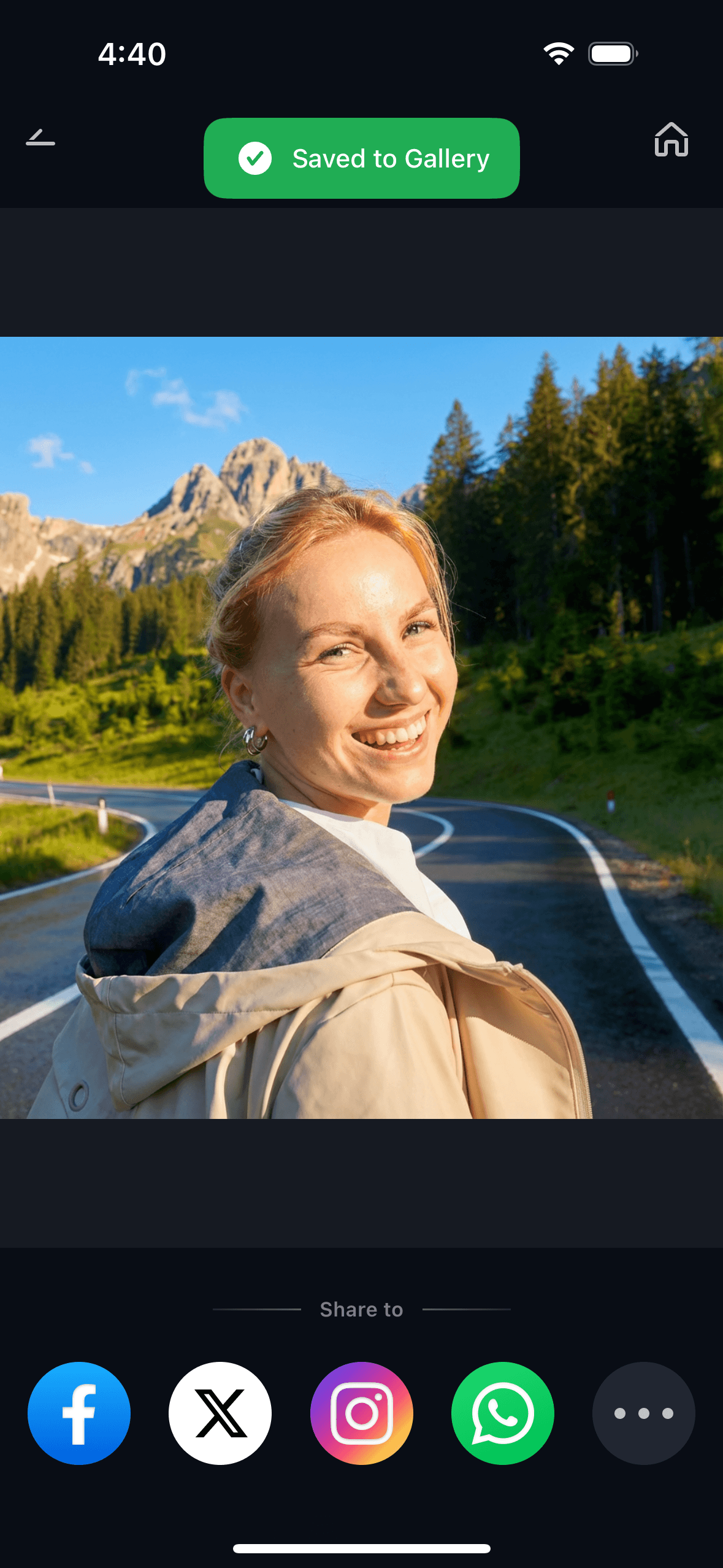
Part 4. When this works best
Best daylight portraits for this kind of correction
This workflow is most useful when the original photo already has good composition and memory value, but the light feels weaker than it should. Common examples include:
- outdoor portraits that look flatter than the real weather felt
- daytime lifestyle photos with muted facial light
- soft daylight portraits that turned dull instead of clean
- casual city or park photos that need a brighter but still believable finish
- images where the user wants more daylight presence without an obvious edited look
In these situations, Sunny Day works best as a realism-first correction. It is not about chasing a stronger effect. It is about recovering a more convincing daylight presence.
Quick checklist before saving
- Does the face look clearer without becoming artificially bright?
- Do skin tone and texture still look natural?
- Does the background keep realistic detail instead of washing out?
- Does the image feel closer to the real daylight you remember?
- Would the result still look believable if someone assumed it was never edited?
Part 5. When results may be limited
Sunny Day works best when the source image still contains enough usable detail in the face and background. Results may be limited if the portrait is heavily blurred, the image is strongly compressed, highlights are badly blown out, or the original lighting left very little true detail to recover. In those situations, the feature may still improve the overall impression, but it may not fully create a clean natural-daylight result.
It is also important to keep expectations realistic about what “not fake” means. A believable correction should improve the image while preserving the logic of the original scene. If the source photo was captured in genuinely weak or messy light, the best outcome may be a more pleasant version of the same moment, not a completely transformed editorial portrait. Good guidance should say that clearly.
Conclusion
If your daylight portrait looks dull even though it is not very dark, the issue is usually not a lack of visibility. It is a lack of convincing daylight feel. A useful correction should make the image look clearer and brighter without making it look fake. That is where Relumi Sunny Day is most relevant: helping the photo recover a fresher, more believable daytime impression while still looking like the same real moment.
FAQ
-
1. Can Sunny Day help if my portrait looks dull but not underexposed?
Yes. This is one of the most relevant use cases. Many daylight portraits are not truly dark; they just feel flat or muted. Sunny Day is more useful here as a natural daylight correction than as an extreme brightness tool. -
2. How do I know if the result looks too fake?
If skin tone looks overly warm, the face appears unnaturally bright, or the background starts losing realistic detail, the correction has probably gone too far. A strong result usually looks better without calling attention to itself. -
3. What kinds of portraits work best for this feature?
Everyday outdoor portraits, soft-cloud daylight photos, lifestyle images, casual street portraits, and park shots are all strong candidates when the photo needs a brighter, cleaner daylight feel without obvious over-editing. -
4. What should I check before saving the final version?
Check whether the face is clearer, the daylight feels fresher, and the photo still looks like a real memory. The best version should feel naturally improved, not artificially polished.



