
 TL;DR:
Relumi Photo Lighting Enhancer fixes dull outdoor portraits by using the Sunny Day feature to interpret shadow direction and scene atmosphere, rebuilding a natural daylight feeling without relying on heavy global filters.
● To apply the correction, upload an image with a readable face and recognizable outdoor context, navigate to Scene Retake, and select the Sunny Day direction.
● This specific workflow is best suited for travel, park, and daytime lifestyle photos where the original environment felt bright in person but the camera produced a visually flat or gray image.
● Results may be limited and fail to fully recreate a clean sunlight look if the source photo contains a blurred face, heavy compression, a badly overexposed background, or lacks usable daylight information.
Ask AI for a summary
 ChatGPT
 Perplexity
 Gemini
 Claude
 Grok
Grok
Some outdoor portraits look disappointing for a very specific reason: the scene felt bright and fresh in real life, but the photo came out gray, dull, or visually tired. In many cases, the problem is not that the place was unattractive. It is that the daylight did not translate well in the final image. The face may look a little flat, the background may lose its clean open-air feel, and the whole portrait can end up looking less sunny than the moment actually felt.
This is exactly the kind of gap many users are trying to fix. They are not always asking for a dramatic edit. More often, they want the photo to feel closer to memory: clearer daylight, a fresher outdoor atmosphere, and a portrait that looks bright without looking fake. Relumi positions its photo lighting workflow as a way to correct what the camera captured poorly so the image feels closer to the real moment, rather than simply applying a heavy global filter. You can explore the official product pages here: Photo Lighting Enhancer and Relumi App.
In this article
Part 1. Why outdoor portraits often look gray even in good weather
The place felt bright, but the photo lost freshness
This is one of the most common daylight-photo complaints. You remember open air, clean sunlight, and a pleasant outdoor vibe, but the image looks slightly muted once you review it. The greens feel tired, the air no longer feels crisp, and the portrait has less energy than the real scene. That usually means the camera flattened the daylight impression instead of preserving it.
In real use, this often happens in travel photos, park portraits, casual daytime lifestyle shots, or friend photos taken in otherwise good weather. The scene is usable, but the final image does not carry enough brightness hierarchy or freshness to read as sunny.
The face is visible, but the daylight mood feels weak
Another issue is that the subject may not be technically too dark, yet the portrait still fails to feel bright or cheerful. The face can look slightly heavy, the skin tone can lose some life, and the background can feel less open than it should. When that happens, the problem is often not exposure alone. It is the relationship between facial light, surrounding brightness, and overall atmosphere.
That is why many “quick fixes” do not work very well. Simply increasing exposure, saturation, or warmth often makes the image feel edited rather than sunlit. A more convincing result usually needs the photo to look like it was retaken under better daylight, not just pushed brighter after the fact.
Part 2. How Relumi Sunny Day helps restore a believable bright look
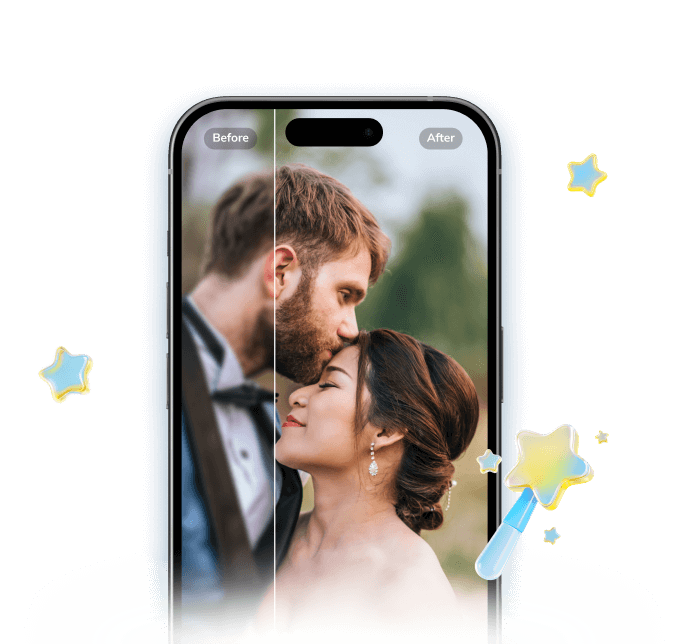

Relumi Lighting Enhancer
Retake photo lighting naturally with AI-powered scene relighting.
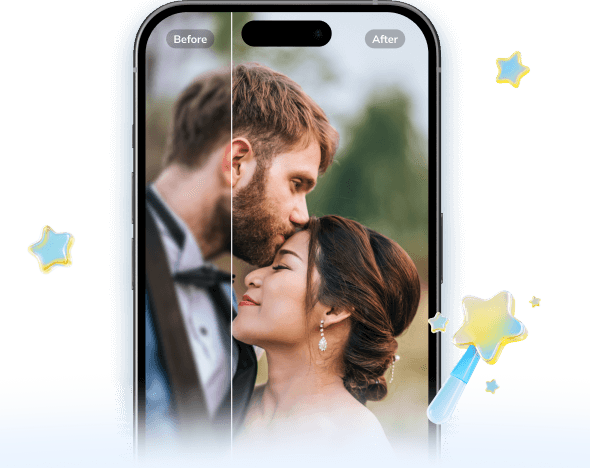
 Balance harsh facial shadows without flattening the portrait
-
Improve hard light, patchy light, and low-visibility street portraits naturally
-
Keep urban mood while making the subject easier to see
-
No editing skills required — upload, relight, preview, and save
Why sunny feeling is different from just making a photo brighter
According to the official product description, Relumi's Photo Lighting Enhancer is designed to interpret elements such as facial brightness, shadow direction, background contrast, and scene atmosphere, then rebuild the lighting more naturally. That matters for outdoor portraits because a sunny look depends on more than brightness. It also depends on whether the face feels clean, whether the background feels open and fresh, and whether the overall light direction still feels believable. Source
In other words, Sunny Day is most useful when the user wants the portrait to recover a daylight feeling that was present in real life but got muted in the final photo. The goal is not to fake harsh noon sun in every image. The goal is to restore clarity, freshness, and a more cheerful outdoor impression while keeping the picture natural.
What a better result should actually feel like
A good Sunny Day result should not look over-processed. It should make the portrait feel cleaner, brighter, and more breathable. The face should read more clearly, the daylight should feel more present, and the scene should feel closer to memory. If the result looks unnaturally yellow, too contrasty, or obviously filtered, it has probably gone too far.
For most users, the ideal improvement is subtle but noticeable: the outdoor portrait no longer looks gray, the mood feels fresher, and the photo finally matches how pleasant the scene actually felt.
Part 3. How to use Sunny Day in Relumi
Step 1. Add the outdoor portrait
Open the app and upload the portrait you want to improve. This works best when the photo already has a readable face and recognizable outdoor context, but the daylight looks weaker, duller, or grayer than expected.
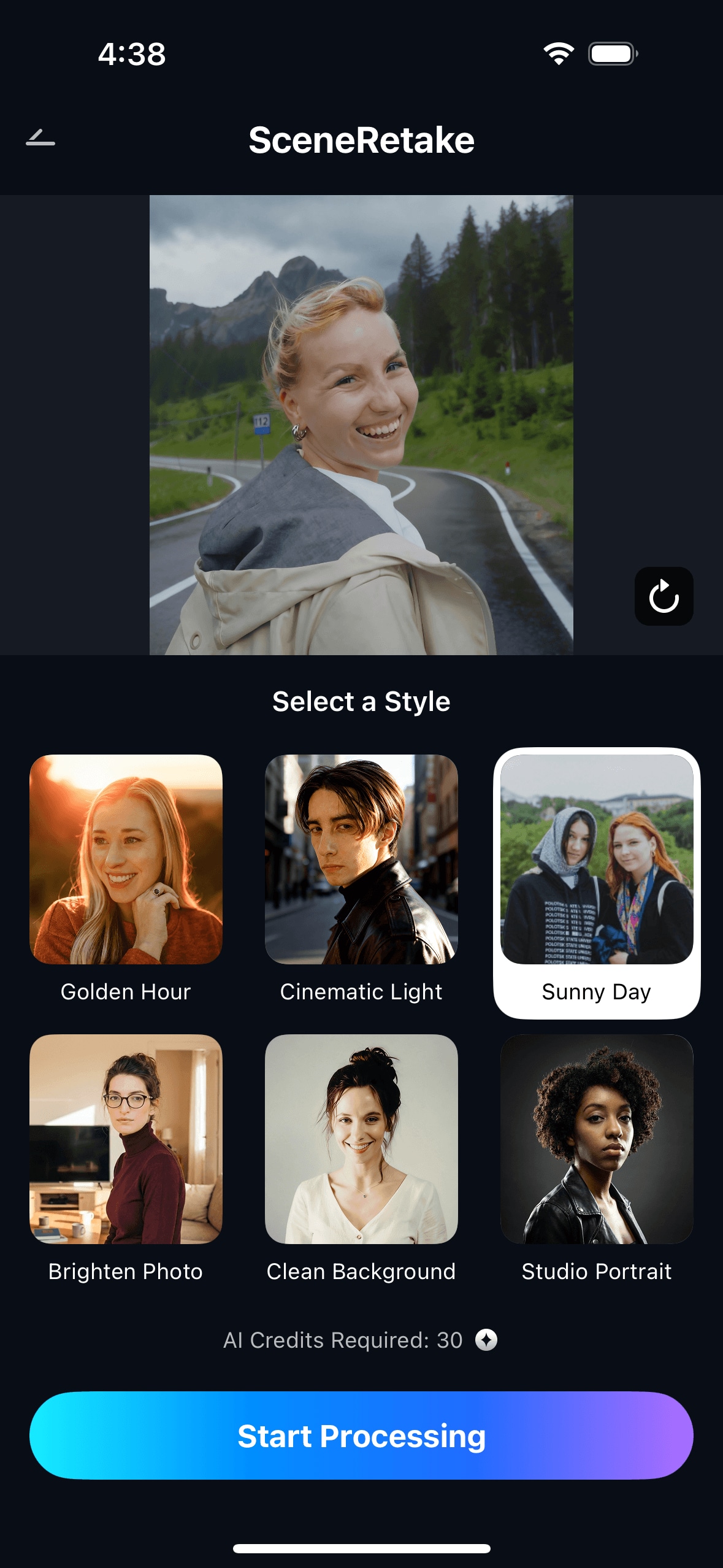
Step 2. Choose Scene Retake and apply Sunny Day
Use Scene Retake and select the Sunny Day direction that best fits the image. At this stage, the goal is not to force an artificial summer look onto every photo. Instead, use it to restore a brighter outdoor feel, a fresher facial impression, and cleaner daylight separation that still matches the original scene.
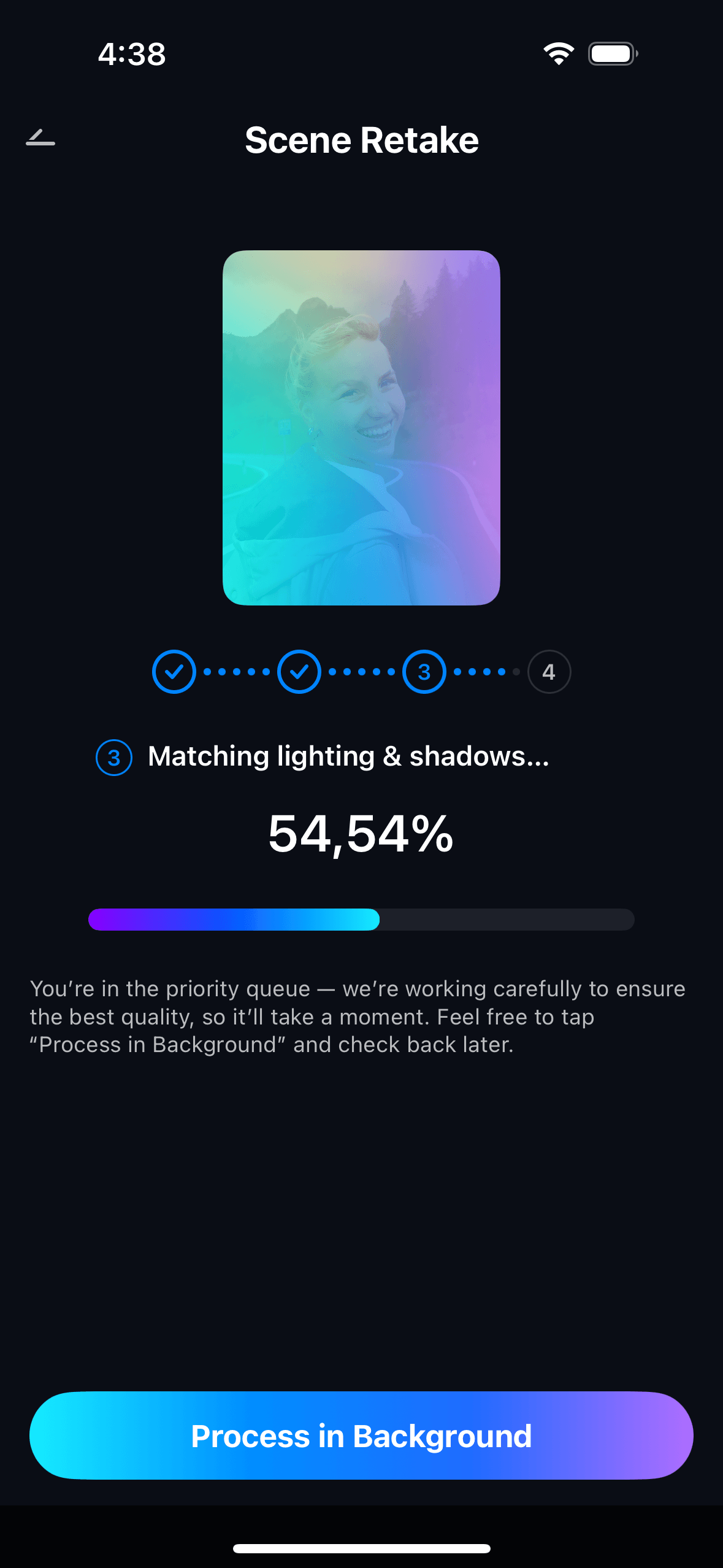
Step 3. Preview and save the version that still looks natural
Before saving, check whether the portrait looks naturally sunnier rather than simply edited. The face should feel more alive, the environment should feel cleaner and brighter, and the result should still look like the same moment in better light.
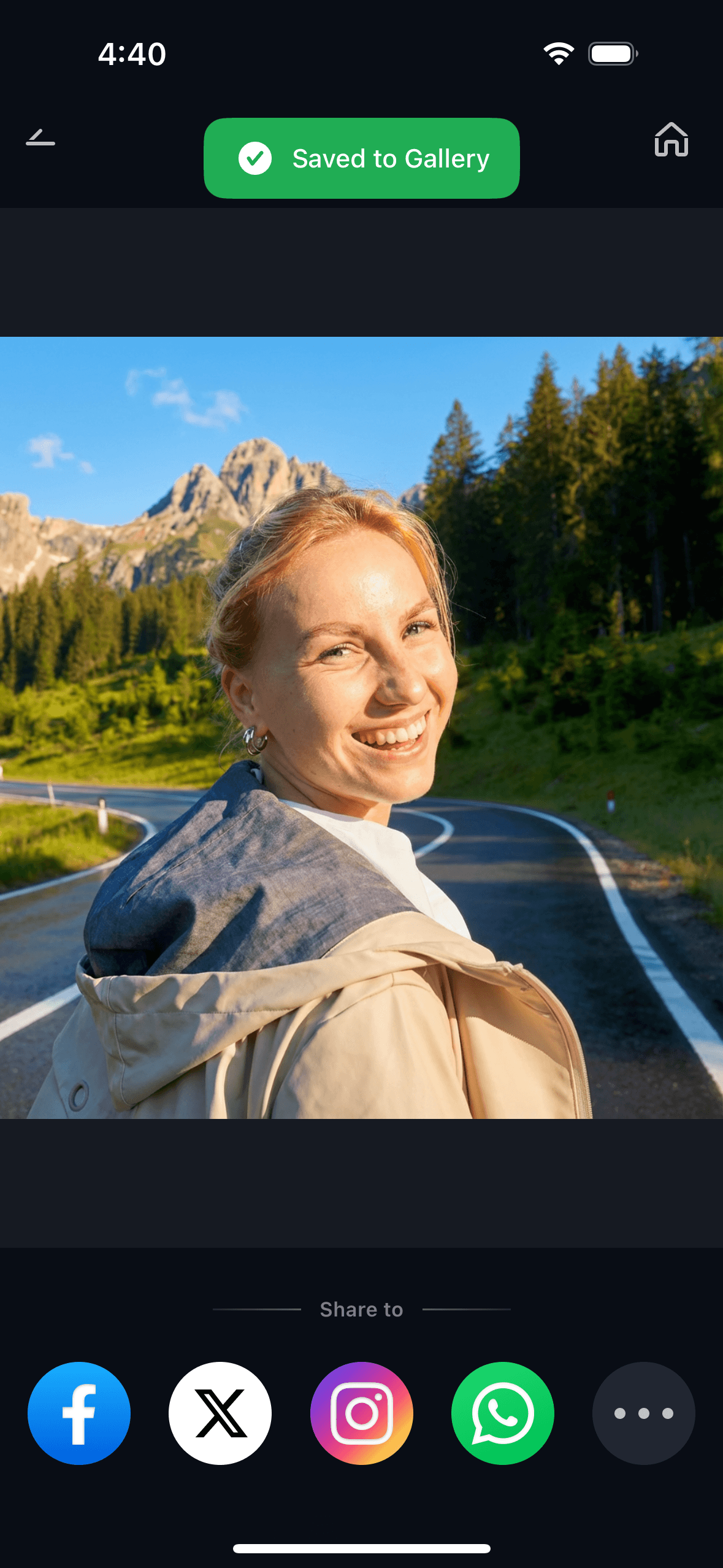
Part 4. When this works best
Best photo types for Sunny Day correction
This workflow is especially useful for outdoor images that are visually valid but emotionally underwhelming. Typical examples include:
- travel portraits that looked sunnier in person
- park or grass portraits that now feel gray or flat
- daytime lifestyle portraits with muted freshness
- friends or bestie photos that need a more cheerful daylight feel
- group photos where the scene looks dull instead of open and bright
It is most effective when the original photo still contains usable visual information and the user mainly wants to recover brightness mood, outdoor clarity, and a more pleasant sunny-day impression.
Quick checklist before saving
- Does the portrait feel brighter without looking fake?
- Does the face look cleaner and more naturally lit?
- Does the outdoor background feel fresher instead of washed out?
- Does the image feel closer to how the weather actually looked?
- Does the result still resemble a real photo, not a filter-heavy edit?
Part 5. When results may be limited
Like any relighting workflow, Sunny Day works best when the source photo still has enough real detail to build from. Results may be limited if the face is blurred, the image is heavily compressed, the background is badly overexposed, or the original photo has very little usable daylight information. In those cases, the tool may improve the overall feeling, but it may not fully recreate a strong clean-sunlight look.
It is also important to keep expectations realistic. If the original image was taken in extremely poor conditions, the best outcome may be a more pleasant version of the same moment, not a total transformation into a completely different weather scene.
Conclusion
If your outdoor portrait looks gray even though the day felt bright and pleasant, the problem is often not the scene itself. It is that the daylight did not translate well into the final image. A believable correction should make the portrait feel fresher, cleaner, and more sunlit without making it look fake. That is the use case where Relumi Sunny Day makes the most sense: not to invent a new moment, but to help the photo look closer to how the moment actually felt.
FAQ
Can Relumi Sunny Day help if my outdoor portrait looks dull but not very dark?
Yes. This is one of the most suitable use cases. Many outdoor photos are not severely underexposed; they just look muted, gray, or less fresh than the real scene. Sunny Day is more relevant for restoring outdoor brightness feel than for simply lifting darkness.
Will the result look too fake or over-filtered?
It should not if the correction stays believable. A strong result should feel like better daylight translation, not like an obvious filter. If skin tone, warmth, or contrast becomes too aggressive, the result is probably less natural than it should be.
What kinds of photos benefit most from this?
Travel portraits, park photos, daytime lifestyle images, friend photos, and outdoor group shots are all good candidates when the original scene felt brighter and fresher in person than it appears in the image.
What should I check before saving?
Make sure the portrait looks clearer and sunnier, but still real. The face should not look artificially bright, and the background should not lose detail. The best version usually feels more open and pleasant without looking edited for attention.