
 TL;DR:
Relumi Photo Lighting Enhancer creates a cinematic portrait by rebuilding facial depth, shadow direction, and background contrast to mimic a naturally well-lit retake rather than applying an artificial color filter.
● The Scene Retake workflow is best suited for properly framed images—such as flat outdoor, office, or street portraits—where the subject is clearly in focus but lacks visual separation from the background.
● The relighting process relies on existing image detail and usually cannot deliver strong results if the original face is heavily blurred, physically blocked, tightly cropped, or barely visible.
● To ensure the result remains believable, verify before saving that the adjusted shadows define the face naturally without overwhelming the original scene atmosphere or making the subject look over-processed.
Ask AI for a summary
 ChatGPT
 Perplexity
 Gemini
 Claude
 Grok
Grok
A portrait can be technically clear and still feel forgettable. The face is visible, the composition is fine, and nothing looks obviously wrong, but the image still feels flat, ordinary, or emotionally weak. In many cases, that is not a posing problem. It is a lighting problem.
When a portrait lacks depth, direction, and mood, it also loses the cinematic quality that makes an image feel intentional and memorable. People often describe this problem in simple ways: the photo looks flat, the portrait has no depth, the lighting feels boring, or the final image is just not dramatic enough.
In this article
Part 1: What Makes a Portrait Look Cinematic?
A cinematic portrait usually feels more intentional than a casual snapshot. It has light that shapes the face instead of flattening it, shadows that create mood instead of confusion, and enough contrast between the subject and the background to guide the viewer’s eye. Instead of looking random or ordinary, the portrait feels controlled, atmospheric, and visually memorable.
Cinematic Does Not Mean Over-Edited
Many people confuse cinematic style with heavy color grading or fake-looking filters. In reality, a portrait can feel cinematic while still looking natural. The goal is not to make the face look plastic or overly dramatic. The goal is to create lighting that adds depth, emotion, and focus while keeping the subject believable.
Cinematic Light Adds Mood, Depth, and Direction
When people say they want a portrait to look cinematic, they usually mean the image needs more atmosphere and stronger visual storytelling. The light should feel shaped instead of flat. The shadows should feel intentional instead of accidental. And the final portrait should feel closer to a film frame or story-driven portrait rather than a quick phone shot.
Part 2: Why Portraits Often Look Flat Instead of Cinematic
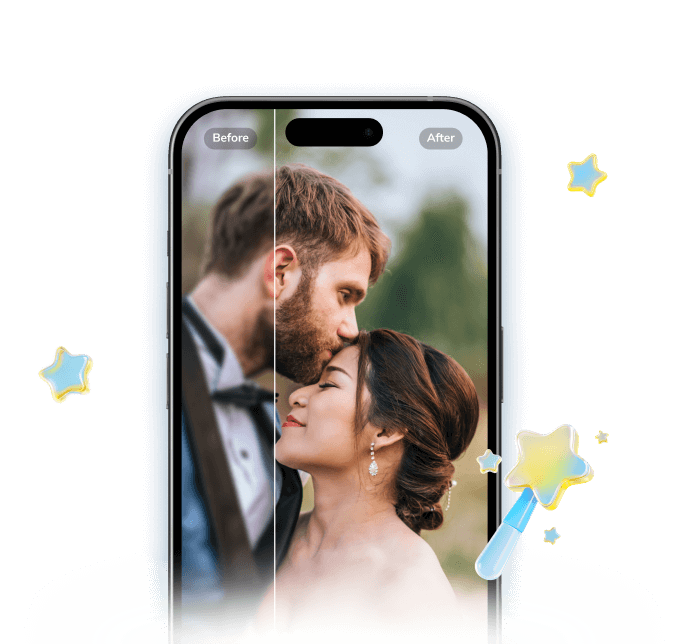

Relumi Lighting Enhancer
Retake photo lighting naturally with AI-powered scene relighting.
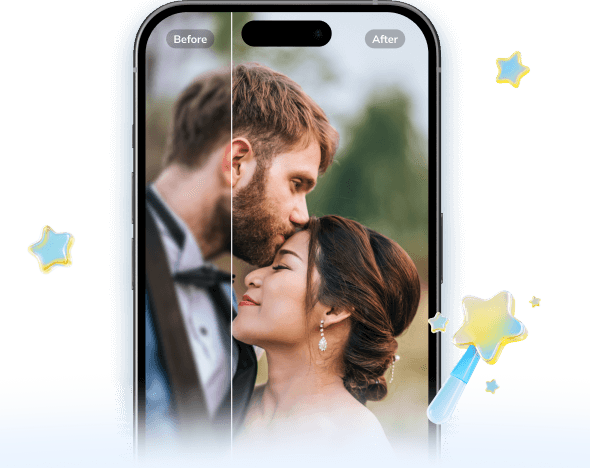
 Balance harsh facial shadows without flattening the portrait
-
Improve hard light, patchy light, and low-visibility street portraits naturally
-
Keep urban mood while making the subject easier to see
-
No editing skills required — upload, relight, preview, and save
A portrait does not need to be badly shot to feel visually weak. Many portraits fail because the light does not help the subject stand out or carry emotion. Even a sharp image can still feel flat if the lighting has no direction, the shadows create no mood, or the face blends too easily into the rest of the frame.
The Light Is Visible, but Not Expressive
A lot of everyday portraits have enough exposure to show the face, but not enough light shaping to create drama. The subject may be clearly visible, yet the image still feels dull because the brightness is too even or the face lacks separation from the background. Cinematic lighting does not just reveal the person. It defines the person visually.
The Scene Has Detail, but the Portrait Has No Emotional Center
In many portraits, the background contains as much visual attention as the person. Without clear light priority on the face, the image can feel scattered. A cinematic portrait usually gives the viewer a stronger sense of where to look first, and that often comes from better control of facial light, shadow balance, and scene contrast.
The Image Is Clean, but the Mood Is Missing
Some portraits are not technically wrong at all. They are simply emotionally flat. That is why people often describe a photo as boring, not dramatic enough, or lacking mood rather than saying it is dark or blurry. A cinematic portrait needs more than acceptable exposure. It needs atmosphere.
Part 3: How Relumi Photo Lighting Enhancer Helps Create a More Cinematic Portrait
Relumi Photo Lighting Enhancer is positioned as a relighting workflow rather than a one-click color effect. On the official feature page, Relumi explains that Scene Retake reads face brightness, shadow direction, background contrast, and scene atmosphere, then rebuilds the portrait as if it were taken under better light. That framing matters because it sets the right expectation: the tool is meant to improve lighting logic, not just add a visual overlay. See the official explanation on Photo Lighting Enhancer.
What the Tool Is Designed to Analyze
According to Relumi’s product description, Scene Retake focuses on key portrait variables such as facial brightness, shadow direction, background contrast, and scene atmosphere. That makes it relevant for portraits that are usable but visually weak, because the issue is often not image damage. It is the relationship between the person, the light, and the scene.
Why It Can Help Across Multiple Portrait Scenarios
The official product pages position this workflow across several portrait situations, including backlit outdoor portraits, dinner or night scenes, office photos, and cinematic street-style shots. The related Relumi app page also describes targeted light compensation and more natural blending with the original scene, which supports why the same relighting logic can work across different portrait types.
Why It Should Feel Like a Retake, Not a Filter
This is one of the most important expectations to set before publishing the page. People who want a cinematic portrait do not always want a dramatic effect layered on top of the photo. Many want the image to feel as if it had been captured under better light in the first place. That is the standard this guide uses when it says a result is successful: more shaped, more atmospheric, and still believable.
Part 4: How to Make a Portrait Look More Cinematic in Relumi
The official workflow is simple: add the photo, use Scene Retake, then preview and save. Relumi presents this exact sequence on its feature documentation, which keeps the process beginner-friendly while focusing on lighting improvement rather than manual editing. See the workflow on the official Scene Retake page.
Step 1: Add Your Portrait
Open Relumi and upload a portrait that feels too flat, too plain, or not dramatic enough. This could be a selfie, street portrait, office photo, or any people image where the face is visible but the lighting does not carry enough mood.
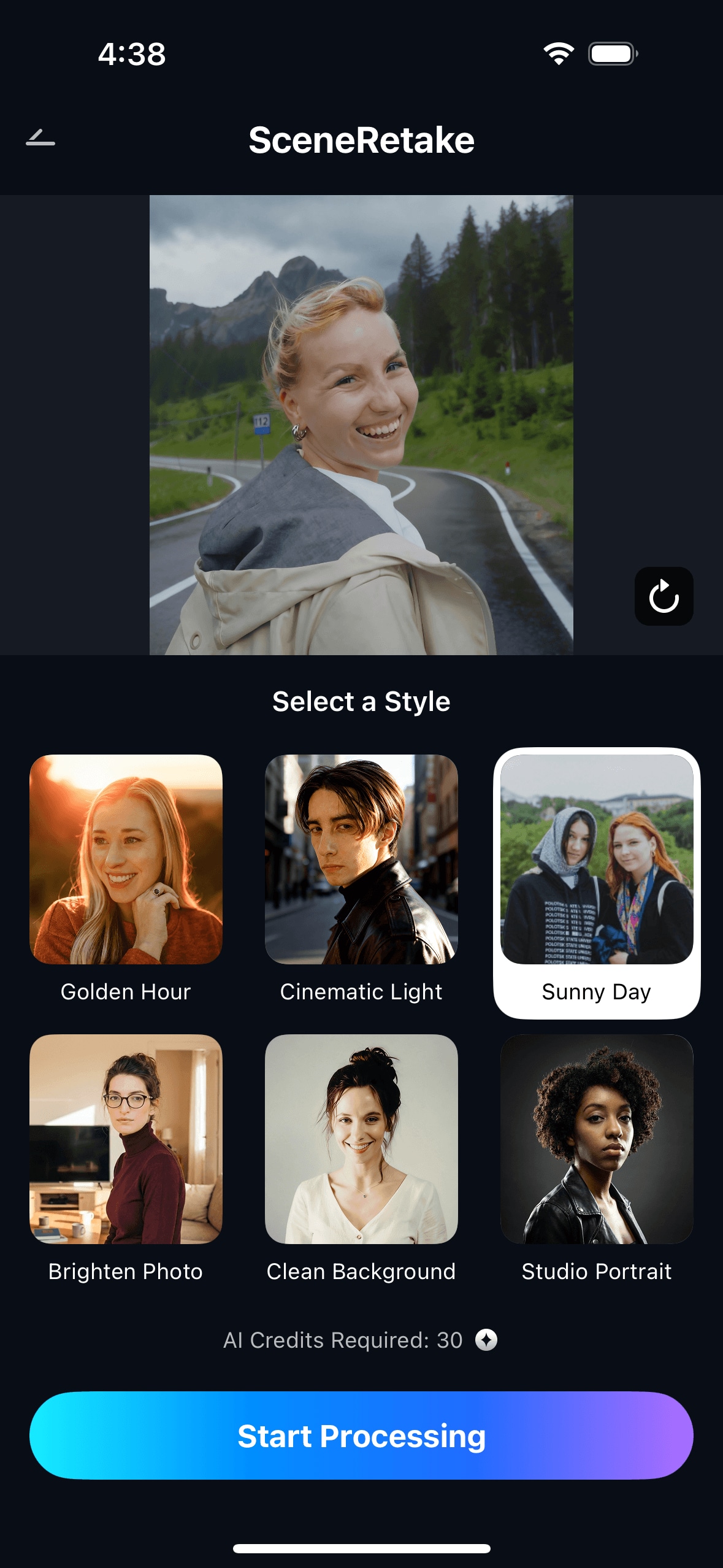
Step 2: Use Scene Retake to Improve the Lighting Feel
In Scene Retake, the goal is not simply “brighter.” The goal is more shaped light, more attention on the face, and a stronger emotional tone in the portrait. This is where the image starts to move from ordinary to cinematic.
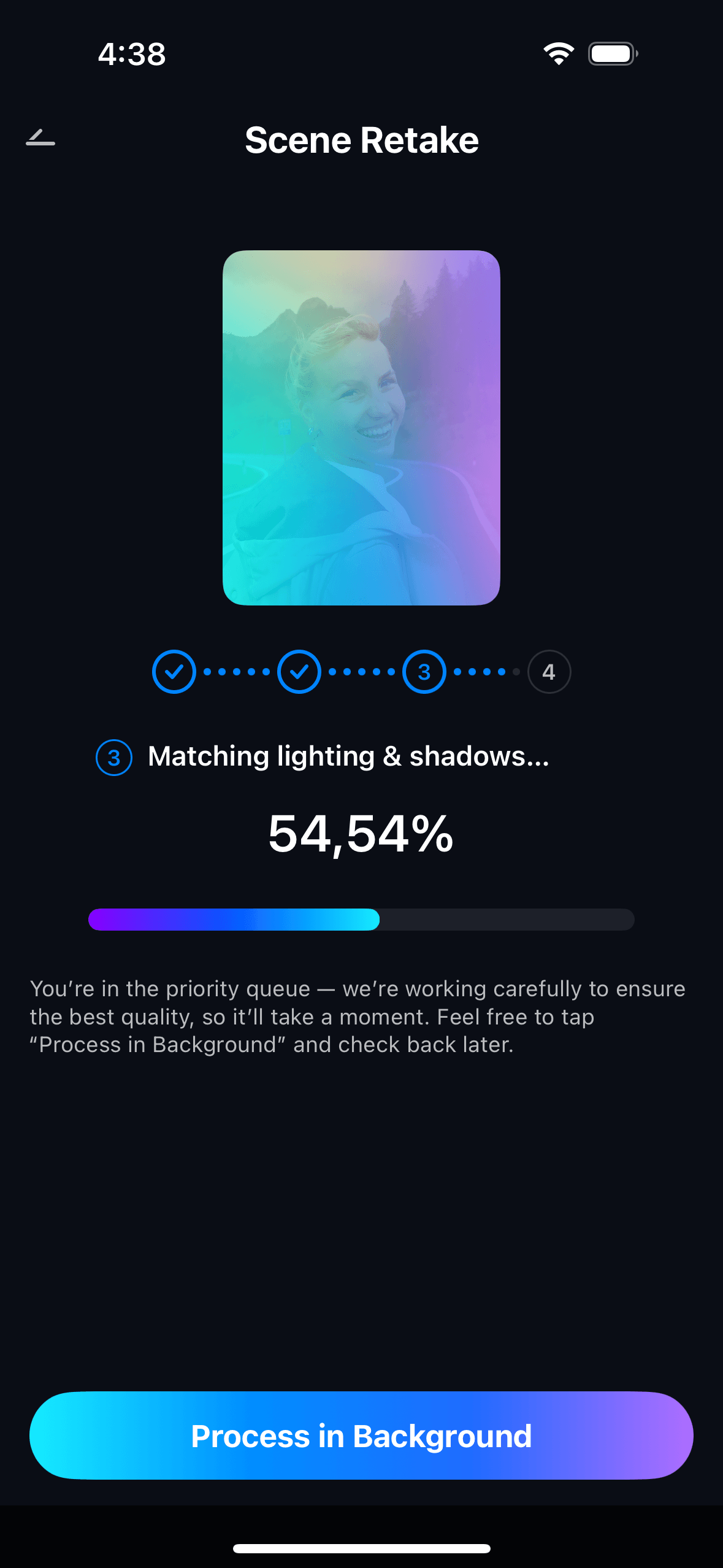
Step 3: Preview and Save
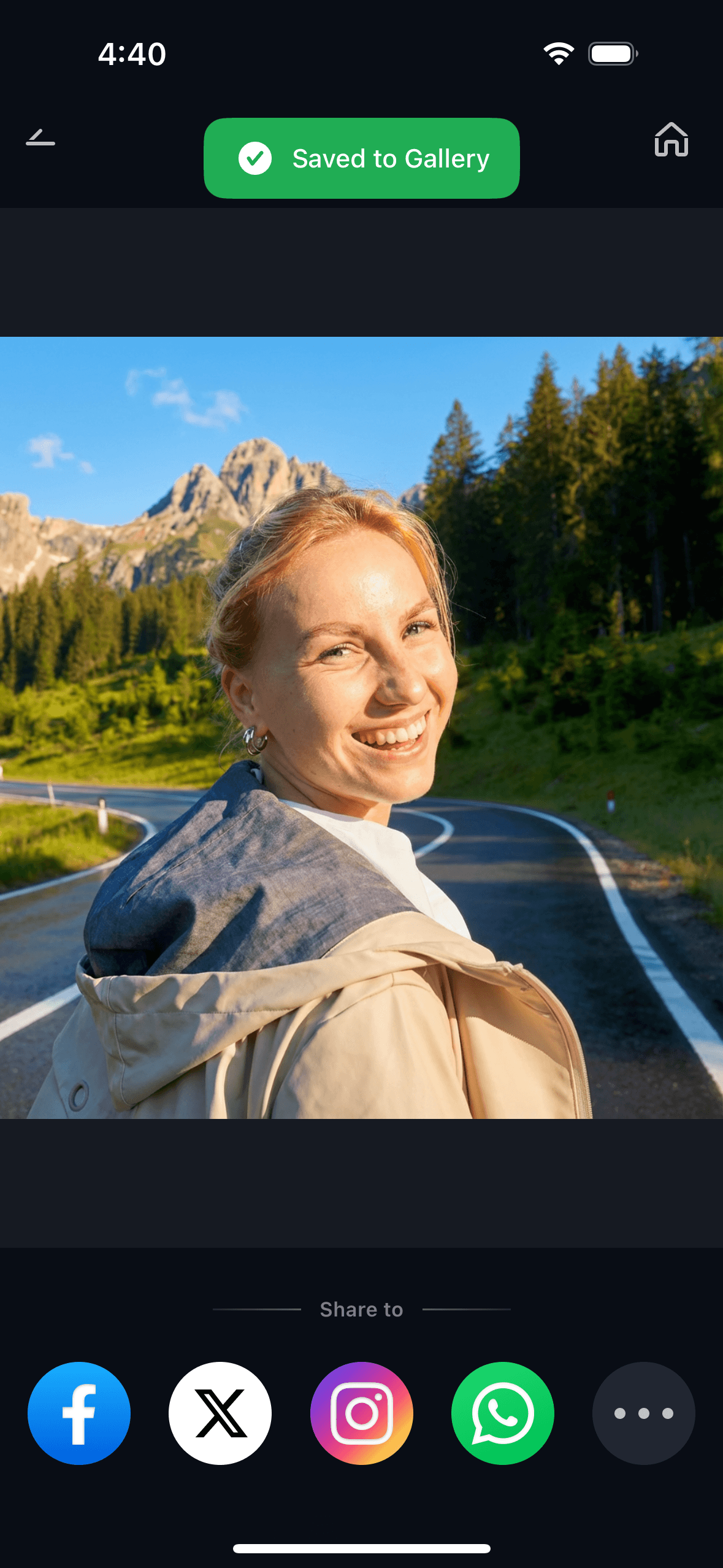
Before saving, compare the updated version with the original. Ask a few simple questions: Does the face have more depth? Does the portrait feel more intentional? Does the image have more mood without looking fake? A successful edit should feel more story-driven and visually memorable while still staying believable.
Part 5: When Cinematic Light Works Best
Cinematic-light enhancement works best when the composition already has potential but the lighting does not fully support it. These are usually photos where the person is already framed well, but the final image feels too ordinary, too flat, or less emotional than the moment felt in real life.
Best Use Cases for a More Cinematic Look
- the portrait looks flat even though it is clear,
- the face does not stand out enough from the background,
- the mood of the scene feels weaker in the photo than it did in real life,
- or the image feels too ordinary when you want it to look more editorial, emotional, or film-like.
Quick Pre-Save Checklist
- the face looks more defined, not over-processed,
- the background still feels natural,
- the added mood supports the portrait instead of overwhelming it,
- and the overall image feels more intentional, not just darker or higher in contrast.
Part 6: When Results May Be Limited
What Lighting Enhancement Usually Cannot Fully Fix
Relighting can improve mood, depth, and subject focus, but it is not a universal repair for every portrait problem. If the face is heavily blurred, blocked, cropped too tightly, or barely visible in the original, lighting enhancement alone may not deliver a strong cinematic result. Likewise, if the original scene has very little usable detail, the final improvement may be modest rather than dramatic. Including this expectation is important for trust because the best results usually come from photos that already have a usable subject and a reasonably intact scene.
Conclusion
A cinematic portrait is not only about style. It is about control, mood, and visual storytelling. If a portrait feels flat, lacks depth, or does not carry enough emotional weight, better lighting is often the missing piece. The goal is not to force a dramatic effect onto the image, but to make the portrait feel more shaped, more focused, and more memorable.
With Relumi Photo Lighting Enhancer, the strongest use case is not repairing a broken photo. It is improving a usable portrait so it feels closer to a well-lit retake instead of a heavily filtered edit. That is also why this page is positioned for people-first search intent: it explains when the tool helps, what kind of change to expect, and where results may reasonably be limited.
FAQ
-
Q1. Will a cinematic portrait edit look fake?
Not if the lighting enhancement is done naturally. A good cinematic edit should add mood, depth, and facial focus without making the skin, shadows, or overall image look artificial. -
Q2. Is cinematic lighting the same as using a heavy filter?
No. Heavy filters usually change the image from the outside, while cinematic lighting is more about how the portrait is shaped from within the scene. It depends on mood, depth, contrast, shadow direction, and subject emphasis. -
Q3. What kinds of portraits work best for cinematic light enhancement?
This works best for portraits that already have a good subject or moment but feel too plain, too flat, or not emotionally strong enough in the final image. -
Q4. Can beginners use Relumi for this?
Yes. The workflow is simple and does not require advanced editing knowledge. You upload the photo, improve the lighting feel, preview the result, and save it. -
Q5. What should I check before saving a cinematic portrait?
Check whether the face has more depth, whether the portrait feels more intentional, whether the mood is stronger, and whether the result still looks believable.



