
 TL;DR:
Flat portraits usually lack lighting hierarchy rather than exposure, a problem you can fix using the Scene Retake feature in Relumi Photo Lighting Enhancer to naturally rebuild facial shape, shadow direction, and subject-background separation.
● This relighting workflow works best on already readable images, such as street portraits or selfies, where the subject is clear but blends into the background due to even, unstructured light.
● Unlike standard brightness adjustments or heavy filters, the tool analyzes scene atmosphere and background contrast to create cinematic depth without making the final image look artificially contrast-heavy.
● The depth enhancement usually cannot fully fix source images that are badly blurred, partly blocked, cropped too tightly, heavily compressed, or lacking usable scene detail.
Ask AI for a summary
 ChatGPT
 Perplexity
 Gemini
 Claude
 Grok
Grok
A portrait can be sharp, bright enough, and technically usable, yet still feel visually weak. The face is visible, the scene is clear, and the image is not obviously damaged, but the portrait still looks flat, low in depth, or missing the kind of visual structure that makes a person stand out.
This is a common problem in portrait photography. A photo does not need to be dark or blurry to feel disappointing. Sometimes it simply lacks shape, separation, and atmosphere. When that happens, the portrait can feel clean but lifeless, as if everything in the frame is on the same visual level. In many cases, the issue is not exposure. It is the lack of lighting hierarchy.
In this article
Part 1: Why Portraits Often Look Flat
A flat portrait usually does not fail because of one major mistake. More often, it fails because the lighting does not create enough visual hierarchy. The face may be visible, but it does not feel shaped. The shadows may exist, but they do not help define the subject. The result is a portrait that looks acceptable, yet does not feel deep, focused, or emotionally strong.
The Face Is Visible, but the Light Has No Shape
Many portraits have enough exposure to show the subject clearly, but the light is too even to create dimension. When brightness spreads across the face without enough structure, the portrait can feel flat instead of sculpted. A more cinematic portrait usually needs light that adds direction, softness, and a stronger sense of form.
The Subject and Background Blend Together Too Much
Another common reason a portrait looks flat is weak separation. If the face and the background sit on a similar visual level, the image can feel crowded or low in focus even when it is technically sharp. Better depth often comes from clearer emphasis on the subject, with lighting that helps the person stand out more naturally from the scene.
Part 2: How Relumi Photo Lighting Enhancer Helps Add More Depth
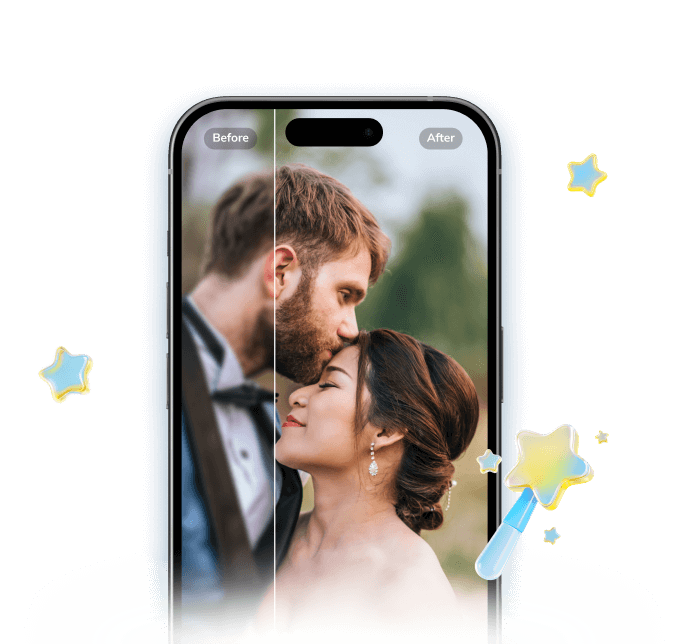

Relumi Lighting Enhancer
Retake photo lighting naturally with AI-powered scene relighting.
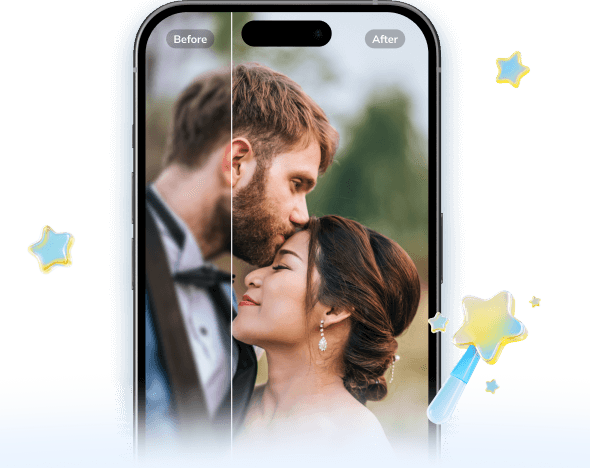
 Balance harsh facial shadows without flattening the portrait
-
Improve hard light, patchy light, and low-visibility street portraits naturally
-
Keep urban mood while making the subject easier to see
-
No editing skills required — upload, relight, preview, and save
Relumi Photo Lighting Enhancer is positioned as a relighting workflow rather than a one-click filter. On the official feature page, Relumi explains that Scene Retake reads facial brightness, shadow direction, background contrast, and scene atmosphere, then rebuilds the image as if it were captured under better light. That matters for flat portraits because users usually do not want a stronger effect. They want stronger visual structure. See the official explanation on Photo Lighting Enhancer.
Why Lighting Hierarchy Matters More Than Simple Brightness
A portrait can already be bright enough and still look weak. The real issue is often that the face, shadows, and background are not working together to guide the eye. Better relighting can create a clearer sense of visual priority, so the subject feels more dimensional and easier to focus on. That is different from simply lifting brightness or increasing contrast across the whole image.
Why the Result Should Feel Deeper, Not Artificial
A strong result should not look like a dramatic effect was placed on top of the portrait. It should feel like the same subject was photographed under better, more intentional light. The related Relumi app page also emphasizes more natural blending with the original scene, which is important when the goal is depth and focus rather than stylization.
Part 3: How to Add More Depth with Cinematic Light in Relumi
The workflow is simple: upload the portrait, use Scene Retake to improve the lighting feel, then preview the result before saving. The aim is not just to make the image brighter. The aim is to rebuild depth so the portrait feels more dimensional and visually intentional. See the official workflow on the feature page.
Step 1: Add Your Portrait
Open Relumi and upload a portrait that feels too flat, too even, or too low in visual impact. This can be a selfie, a street portrait, an office photo, a dinner portrait, or any people image where the face is visible but the image lacks depth.
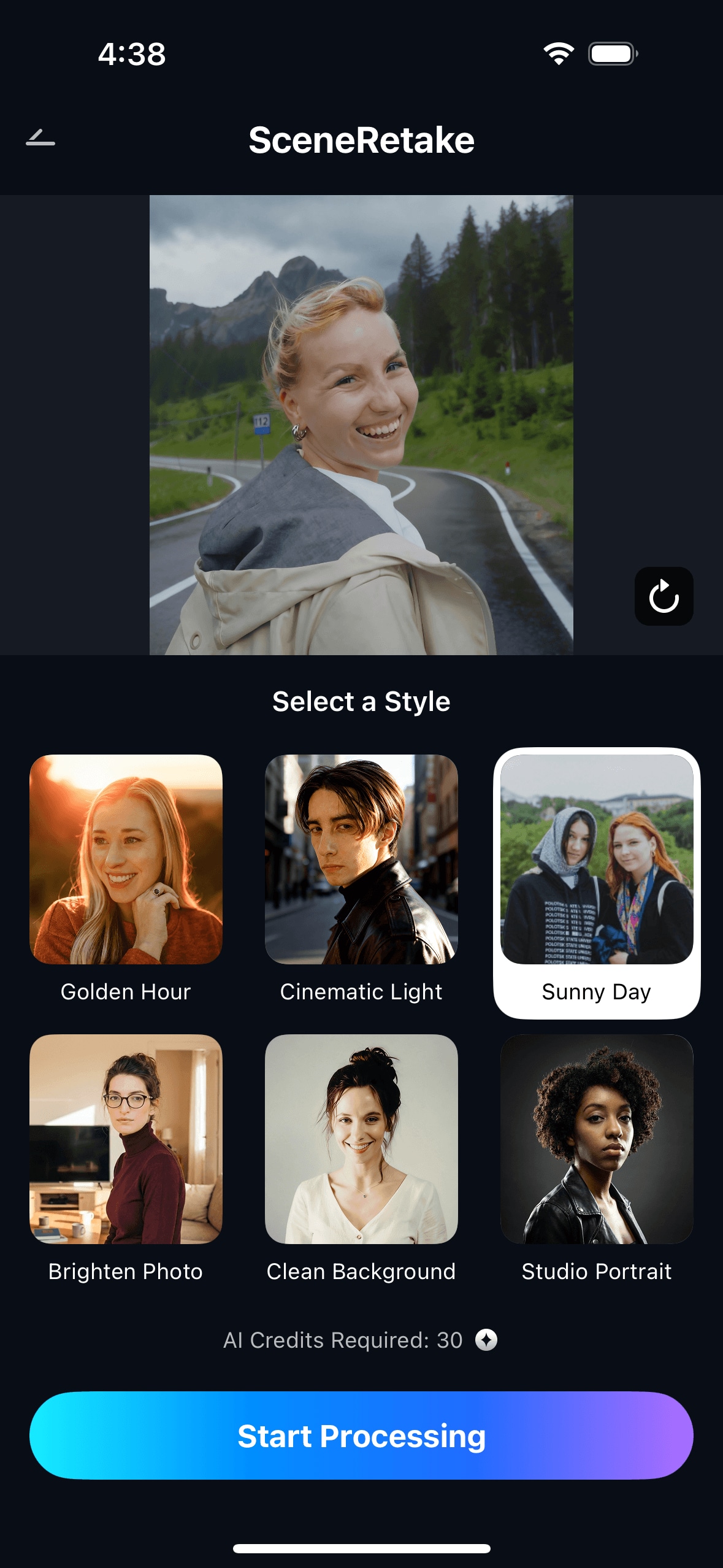
Step 2: Use Scene Retake to Add More Depth
In Scene Retake, look for a result that gives the face more shape, improves separation from the background, and makes the portrait feel less visually flat. A stronger image should still look natural, but it should also carry more contrast, more focus, and more cinematic structure than before.
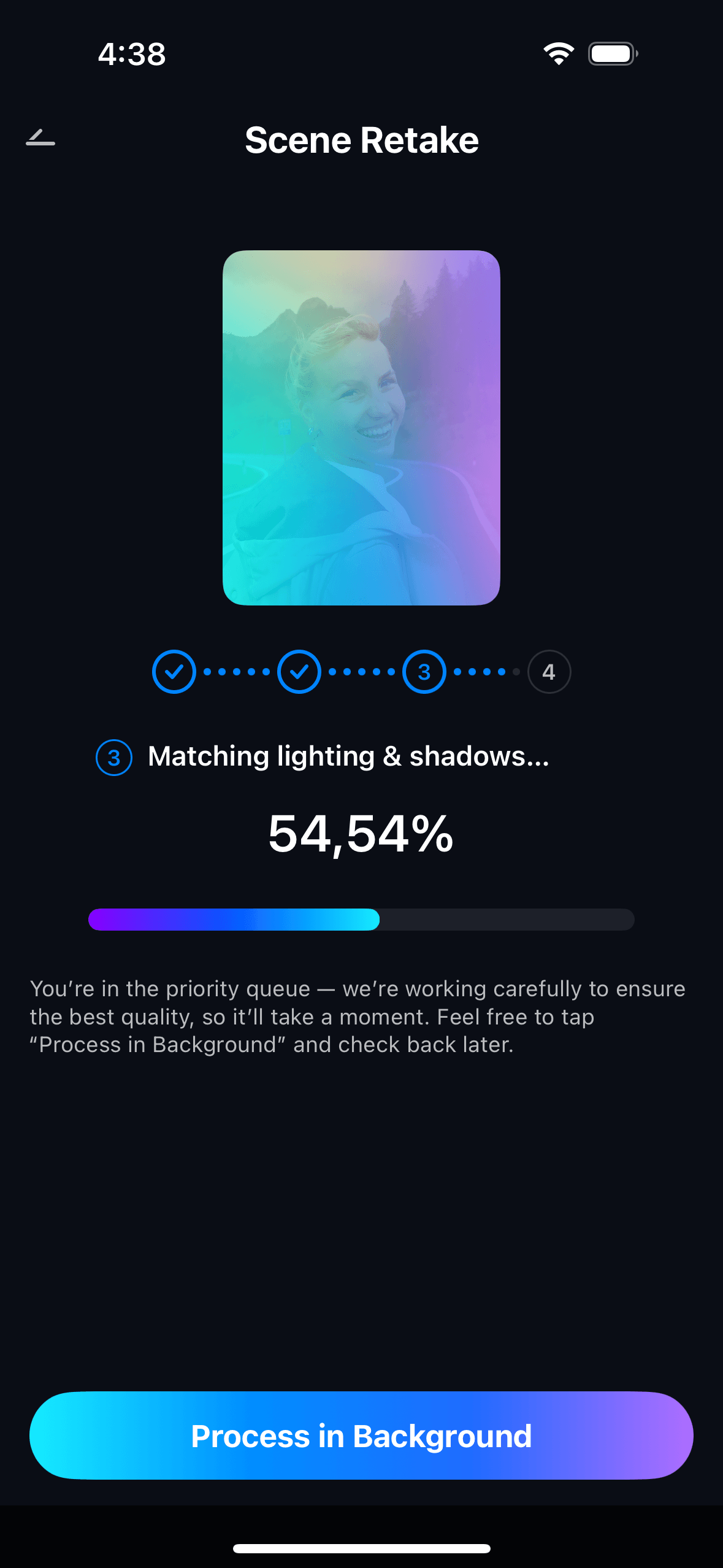
Step 3: Preview and Save
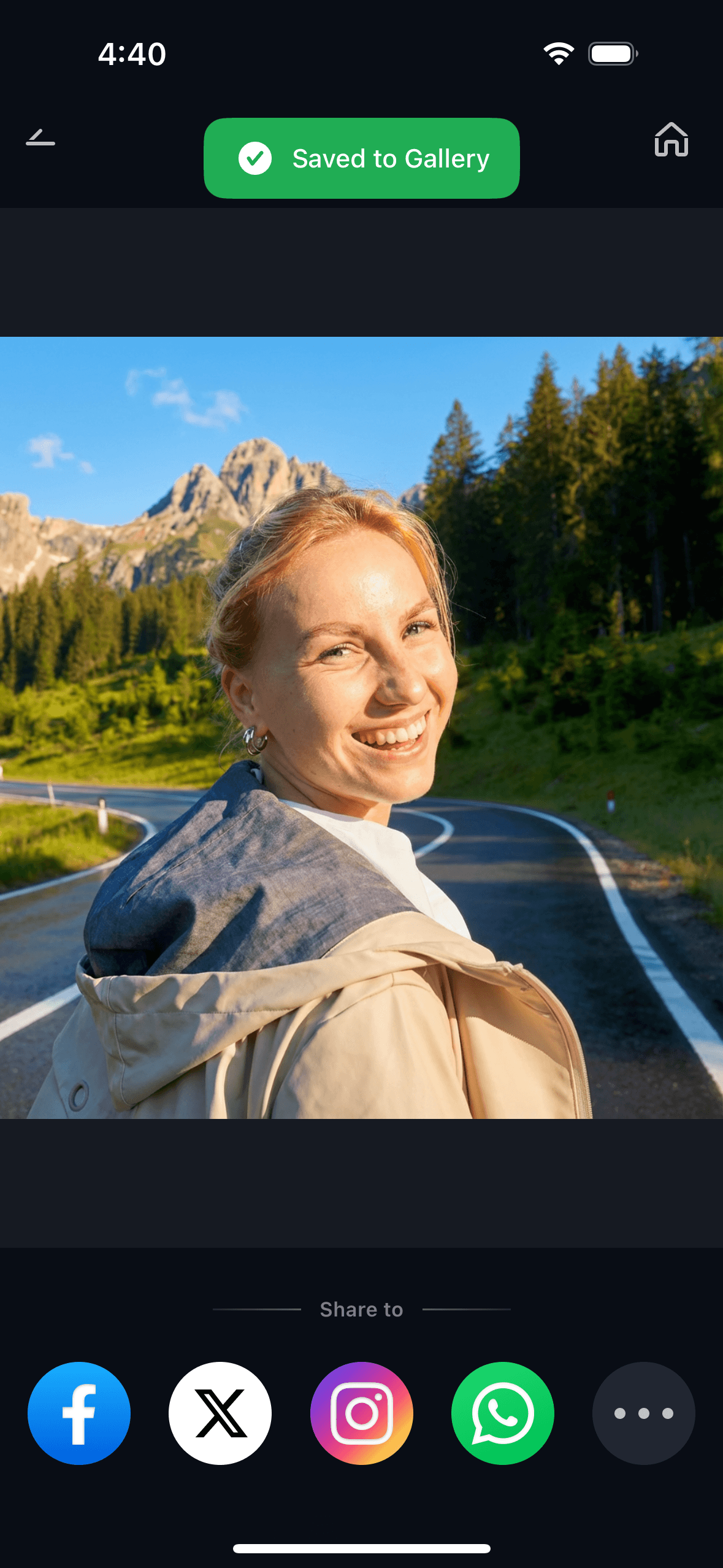
Before saving, compare the updated version with the original. The face should feel more defined, the portrait should look less visually flat, and the whole image should guide the eye more clearly toward the subject. A successful result should feel deeper and more intentional, not simply darker or more contrast-heavy.
Part 4: When This Works Best
Cinematic-light enhancement works best when the original portrait already has a usable subject and composition but weak visual structure. In other words, the photo is worth keeping, but the lighting does not do enough to build depth, emphasis, or atmosphere.
Best Use Cases for Flat Portraits
- the portrait is clear, but it feels too even and low in depth,
- the face is visible, but it does not stand out enough,
- the subject blends too much into the background,
- the image has brightness, but not enough shape,
- or the image looks clean but emotionally weak and visually ordinary.
What a Good Result Should Feel Like
A good result should still look believable. The face should stay natural, the background should remain consistent, and the added depth should feel like better lighting rather than an obvious effect. The final portrait should feel more focused, more dimensional, and more cinematic without looking over-edited.
Quick Check Before Saving
- the face looks more defined without looking artificial,
- the subject stands out more clearly from the background,
- the portrait feels deeper and more intentional,
- the lighting adds structure rather than just darkness,
- and the result looks more cinematic rather than just more contrast-heavy.
Part 5: When Results May Be Limited
What Depth Enhancement Usually Cannot Fully Fix
Depth enhancement can improve facial shaping, subject separation, and visual focus, but it cannot solve every source-image problem. If the face is badly blurred, partly blocked, cropped too tightly, or reduced to very low detail, the final improvement may be limited. The same is true when the original image already has severe compression, strong artificial filters, or almost no usable scene detail. The strongest results usually come from portraits that already preserve a readable subject and a workable composition.
Conclusion
A portrait looks flat when the image does not guide the eye clearly enough toward the person. The issue is often not that the photo is broken, but that the lighting does not create enough shape, separation, or mood. If the subject is visible but the portrait still feels weak, better relighting can often add the depth that the original image is missing.
With Relumi Photo Lighting Enhancer, the most useful scenario is not rescuing a ruined image. It is improving a usable portrait so it feels closer to a better-lit retake instead of a heavier filter edit. That is why this page focuses on realistic expectations: when the tool helps, what a strong result should feel like, and where improvements may remain limited.
FAQ
-
Can this help if the portrait is not dark, just flat?
Yes. A portrait can be bright enough and still look flat. The goal here is to improve shape, depth, and subject separation rather than simply raise brightness. -
Will adding depth make the portrait look over-edited?
It should not if the base image is already usable. The idea is to improve visual structure and mood, not to create an artificial effect. -
What kinds of portraits usually benefit most from this?
Any portrait with a clear subject but weak lighting structure can benefit, including selfies, street portraits, office photos, and indoor people shots. -
What should I check before saving?
Check whether the face has more shape, whether the subject stands out better from the background, and whether the portrait feels more dimensional rather than just more contrast-heavy.