
 TL;DR:
Relumi Photo Lighting Enhancer uses the Scene Retake feature to naturally balance facial readability with warm ambient lighting in dark dinner portraits, preserving the intimate mood without artificially over-brightening the image.
● The AI-powered workflow analyzes facial brightness, shadow direction, and background contrast to rebuild the lighting, functioning as a realistic scene retake rather than a heavy style filter.
● The process works best for low-light restaurant or candlelight settings where the subject's face is already technically visible and the environment retains visual value, but the camera failed to capture the depth and warmth.
● Relighting cannot fully fix underlying source-image problems such as severe motion blur, harsh compression, glasses glare, objects blocking the subject, or faces buried in complete darkness with no usable detail.
Ask AI for a summary
 ChatGPT
 Perplexity
 Gemini
 Claude
 Grok
Grok
A dinner portrait can capture the right person, the right table setting, and the right moment, yet still feel visually disappointing. The photo may preserve the memory, but the face can look too dim, the scene can feel too flat, or the mood of the evening may come through much weaker than it felt in real life.
This happens often in restaurant and dinner portraits. Low indoor light, warm practical lights, candles, window reflections, and mixed color temperatures can make the image difficult to balance. Even when the shot is usable, it may still look too dark, too dull, or not atmospheric enough to feel cinematic and intimate. In many cases, the problem is not the moment itself. It is the way the light translates to the camera.
In this article
Part 1: Why Dinner Portraits Often Lose Their Mood in Photos
A lot of dinner portraits look weaker in the final photo than they felt in the moment. The table may have warm light, the setting may feel intimate, and the person may look great in real life, but the camera can still turn the scene into something dark, muddy, or emotionally flat. That is usually a lighting problem rather than a posing problem.
The Real Scene Feels Warm, but the Photo Feels Flat
Restaurant and dinner lighting often creates a beautiful atmosphere for the eye but a difficult exposure for the camera. Candlelight, pendant lights, and warm ambient light can look romantic in person, yet the portrait may come out with weak facial detail or not enough contrast. The result is a photo that records the setting but not the emotional richness of the moment.
The Face Is Visible, but the Atmosphere Feels Weak
Sometimes the face is technically visible, but the mood still does not feel right. The portrait may look dull, uneven, or lacking in depth. A more cinematic dinner portrait needs better facial shaping and better balance between the person and the surrounding light so the scene feels intimate instead of merely underexposed.
Part 2: How Relumi Photo Lighting Enhancer Helps Dinner Portraits
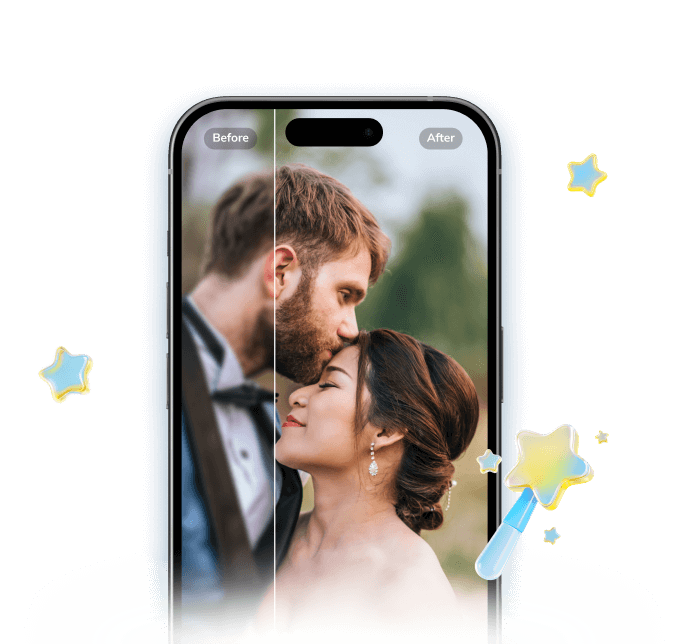

Relumi Lighting Enhancer
Retake photo lighting naturally with AI-powered scene relighting.
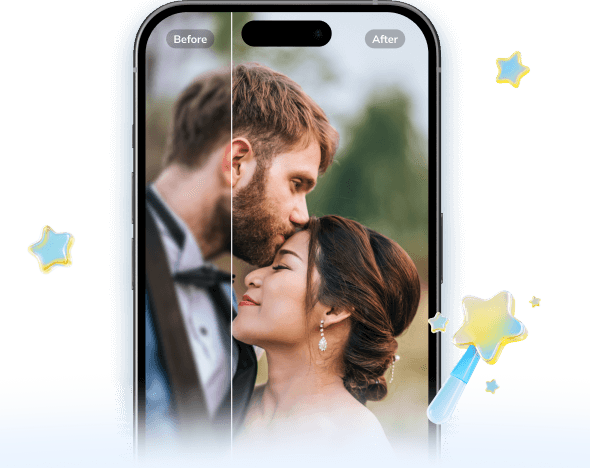
 Balance harsh facial shadows without flattening the portrait
-
Improve hard light, patchy light, and low-visibility street portraits naturally
-
Keep urban mood while making the subject easier to see
-
No editing skills required — upload, relight, preview, and save
Relumi Photo Lighting Enhancer is positioned as a relighting workflow rather than a one-click style filter. On the official feature page, Relumi explains that Scene Retake reads facial brightness, shadow direction, background contrast, and scene atmosphere, then rebuilds the image as if it were captured under better light. That matters for dinner portraits because users usually want a clearer face without losing the warm mood that made the moment special. See the official explanation on Photo Lighting Enhancer.
Why Warm Mood and Facial Readability Need Better Balance
In low-light dinner scenes, a common problem is that preserving the warm atmosphere makes the face too hard to read, while brightening the portrait too aggressively destroys the mood. Better relighting can help balance those two goals at the same time. The portrait becomes clearer and more emotionally legible, while the background still feels like a real restaurant, dining table, or evening setting.
Why the Result Should Feel Intimate, Not Artificially Brightened
A strong dinner portrait should not look like the entire image was simply pushed brighter. It should feel like the same scene was captured under better, more flattering evening light. The related Relumi app page also emphasizes more natural blending with the original scene, which is important when the warmth and realism of the dinner environment are part of the memory.
Part 3: How to Create a Moody Dinner Portrait with Better Lighting in Relumi
The workflow is simple: upload the portrait, use Scene Retake to improve the lighting feel, then preview the result before saving. The key is not to erase the dinner atmosphere. The key is to preserve the warmth and mood while making the portrait clearer and more visually intentional. See the official workflow on the feature page.
Step 1: Add Your Dinner Portrait
Open Relumi and upload a dinner portrait that feels too dark, too flat, or weaker in mood than the real moment. This can be a restaurant portrait, a candlelit dinner photo, a birthday dinner image, or any low-light people shot where the face is present but the atmosphere does not come through strongly enough.
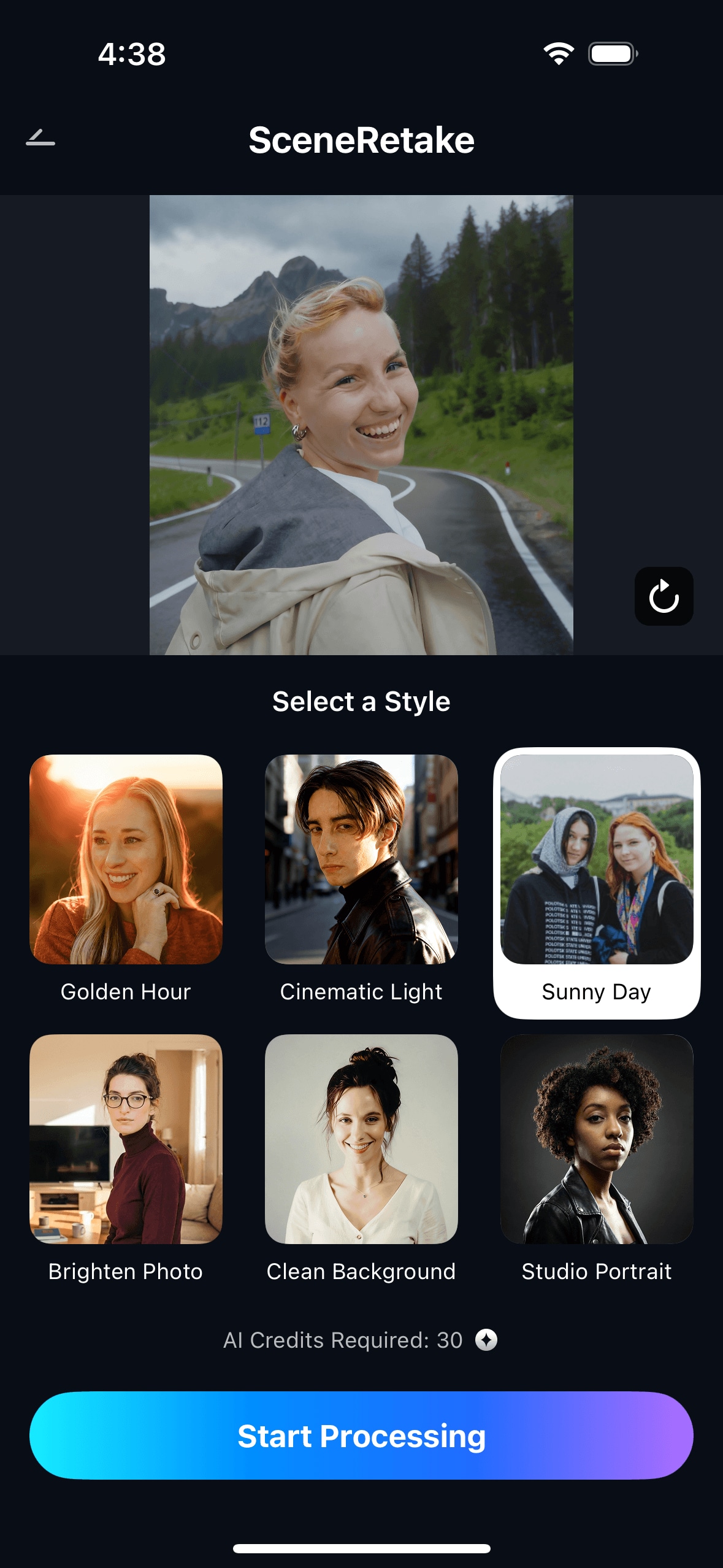
Step 2: Use Scene Retake to Build a Better Lighting Feel
In Scene Retake, look for a result that makes the face easier to read while still protecting the warm indoor mood. A better dinner portrait should not feel washed out or over-brightened. It should feel softly shaped, naturally lit, and emotionally closer to how the evening actually felt.
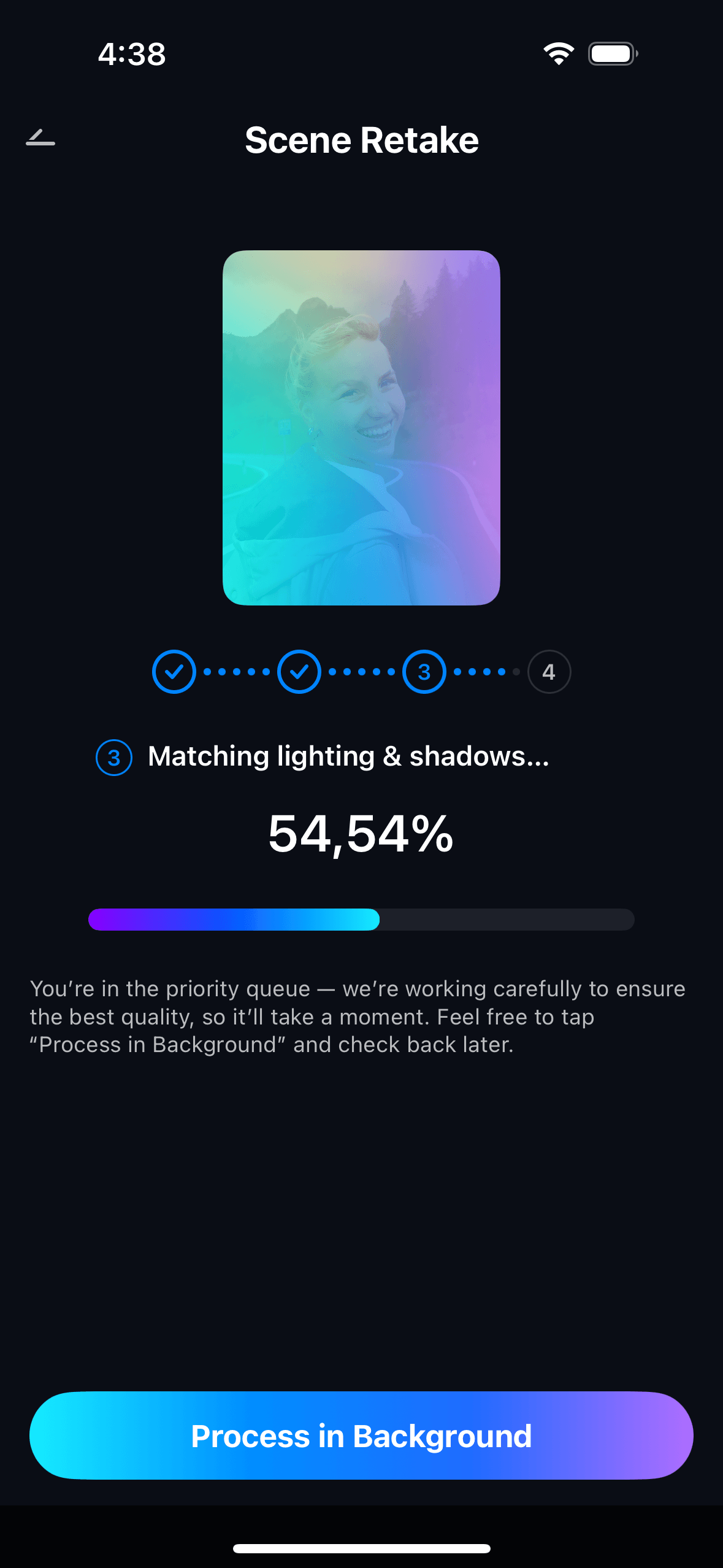
Step 3: Preview and Save
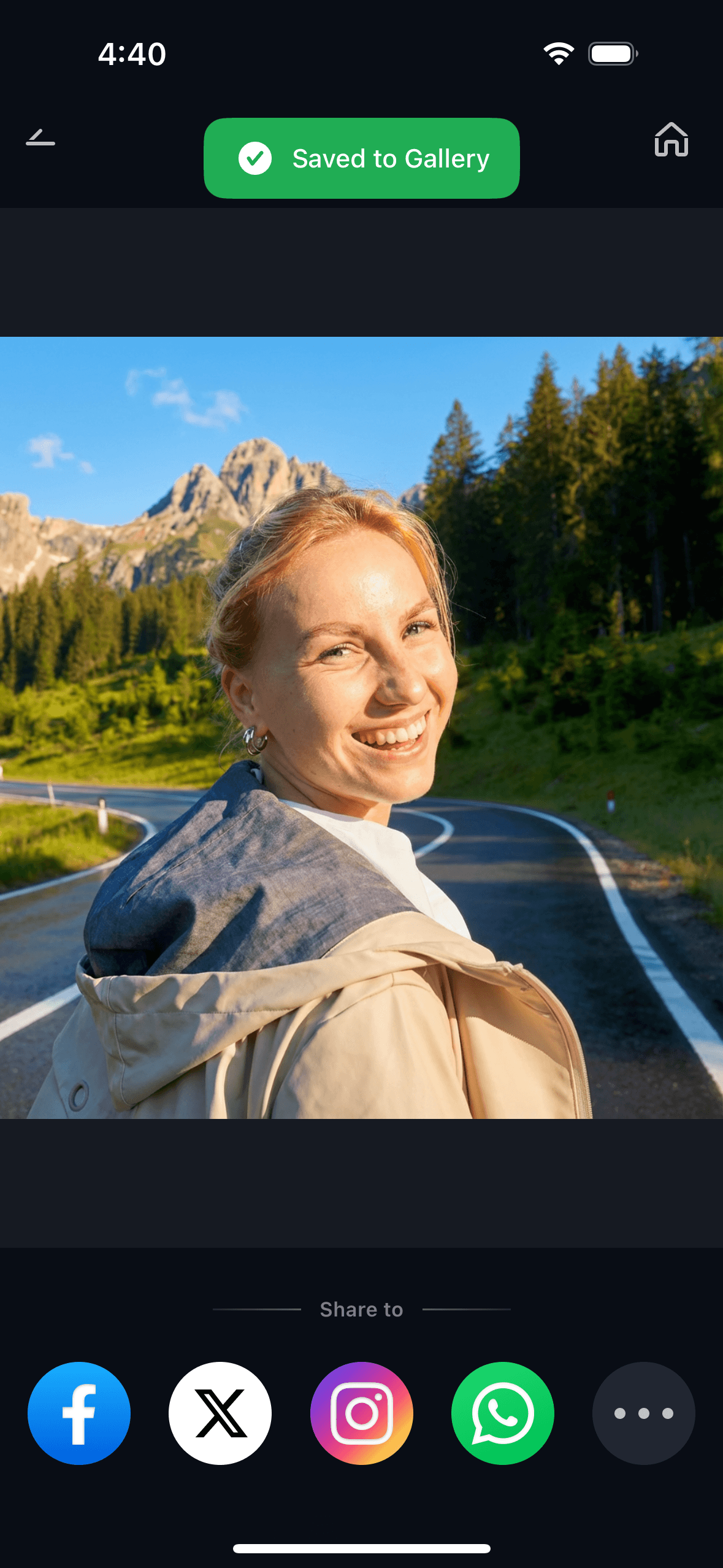
Before saving, compare the updated version with the original. The portrait should keep its dinner mood, but the face should have more presence and the whole image should feel more balanced. A successful result should feel warmer, deeper, and more intimate without losing the realism of the restaurant or evening setting.
Part 4: When This Works Best
Cinematic-light enhancement works best when the dinner portrait already has a meaningful moment and a strong setting but weak visual translation. In other words, the memory is worth keeping, but the lighting in the final image does not fully communicate the intimacy, warmth, or atmosphere of the scene.
Best Use Cases for Moody Dinner Portraits
- the portrait is too dark, but the moment is worth saving,
- the restaurant atmosphere looks good in real life, but weak in the photo,
- the face is visible, but the image lacks depth and warmth,
- the ambient light feels beautiful in person, but muddy in the image,
- or the portrait feels dull when you want it to feel intimate and cinematic.
What a Good Result Should Feel Like
A good dinner portrait should still feel like it was taken in a real restaurant or evening setting. The background light should stay believable, the warmth should remain present, and the face should feel more gently defined. The final image should feel more intimate and polished, not artificially brightened or stripped of mood.
Quick Check Before Saving
- the face is easier to read without looking over-processed,
- the warm indoor atmosphere still feels natural,
- the portrait has more depth and softness,
- the evening mood still feels believable rather than flattened,
- and the final image feels more cinematic rather than simply brighter.
Part 5: When Results May Be Limited
What Dinner Relighting Usually Cannot Fully Fix
Dinner relighting can improve facial clarity, warmth balance, and atmosphere, but it cannot solve every source-image problem. If the face is badly blurred, buried in darkness, blocked by glasses glare or objects, or reduced to very low detail, the final improvement may be limited. The same is true when the original image has severe motion blur, harsh compression, or almost no usable scene information. The strongest results usually come from dinner portraits that already preserve a readable face and a recognizable evening setting.
Conclusion
A moody dinner portrait is not just about darkness or warm tones. It is about preserving intimacy, atmosphere, and the emotional feel of the evening while making the subject easier to see and connect with. If the original image feels flatter or duller than the real moment, better relighting can often bring the portrait closer to what the scene actually felt like.
With Relumi Photo Lighting Enhancer, the most useful scenario is not forcing a dramatic effect onto a weak photo. It is improving a usable dinner portrait so it feels closer to a better-lit retake instead of a heavy filter edit. That is why this page focuses on realistic expectations: when the tool helps, what a strong result should feel like, and where improvements may remain limited.
FAQ
-
Can this work on candlelight or very dim dinner photos too?
Yes. It can help very dim portraits look clearer and more balanced if the original image still has usable facial detail. -
Will it ruin the warm restaurant mood?
It should not if the adjustment is done well. The goal is to preserve the warm atmosphere while making the portrait easier to read and more visually refined. -
Is this only for romantic dinner photos?
No. It can also work for family dinners, birthday meals, travel food moments, and other indoor evening portraits that need more depth and atmosphere. -
What should I check before saving?
Check whether the face is clearer, whether the warm lighting still feels believable, and whether the portrait looks more intimate and cinematic instead of simply over-brightened.