
 TL;DR:
Educators can increase student engagement and empathy by using Relumi's "Relive" feature to apply subtle, AI-generated facial animations to historical portraits.
● The process requires sourcing public domain images from archives like the Library of Congress, generating a standard MP4 video clip, and embedding it directly into presentation software such as PowerPoint or Google Slides.
● For optimal classroom impact, apply the animation preset to clear, close-up portraits of individuals rather than group photos to ensure the gentle motions remain clearly visible on a standard projector or smartboard.
● The tool processes old, faded, and black-and-white photos without requiring prior video editing skills, provided educators verify the educational usage rights of the source material before animating.
Ask AI for a summary
 ChatGPT
 Perplexity
 Gemini
 Claude
 Grok
Grok
On educator forums and subreddits like r/Teachers, a constant challenge is discussed: student engagement. "I'm teaching a unit on the Civil War," a history teacher posts. "I have primary source photos, but the kids just glaze over them. They feel so distant." How do you make a historical figure like Abraham Lincoln or a nameless soldier from a century ago feel real to a student raised on TikTok and Instagram?
Relumi's "Relive" feature provides a powerful answer. By gently animating historical photographs, educators can transform primary sources from static artifacts into compelling, attention-grabbing visuals that forge an emotional connection between students and the past . It's a way to make history breathe.
In this article
Part 1: The Engagement Gap in Historical Education
The problem isn't that students aren't interested in history. The problem is that traditional presentation methods often fail to bridge the gap between "then" and "now." A black-and-white photo of a serious-looking person from the 1860s can feel like it belongs to a different species, not to our shared human family.
Our brains are wired to pay attention to faces, and especially to faces that seem alive . When a student sees a historical figure blink, or their expression subtly soften, that figure is neurologically re-classified from an "object" to a "person." This instant shift in perception opens the door to empathy and genuine curiosity. The student is no longer just learning about a historical event; they are connecting with a human being who lived through it .
Part 2: How Educators Can Integrate Animated Historical Photos
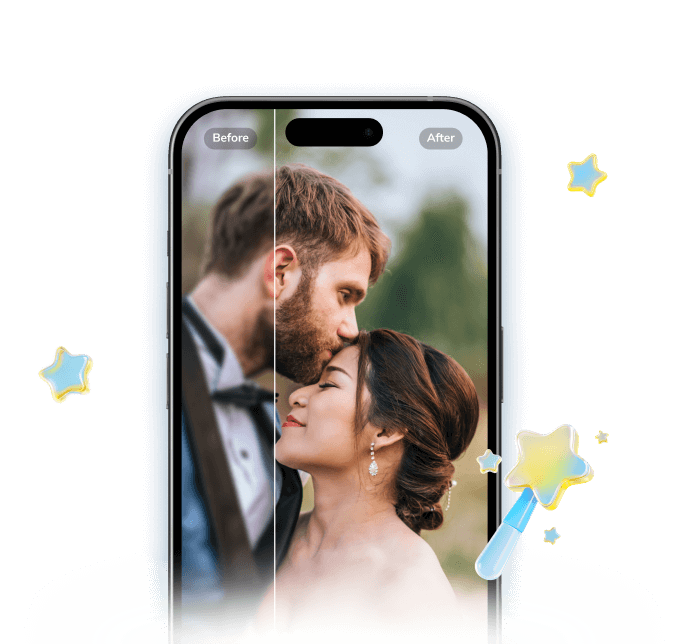

Relumi AI Photo Animation
Bring old photos to life with AI-powered animation.
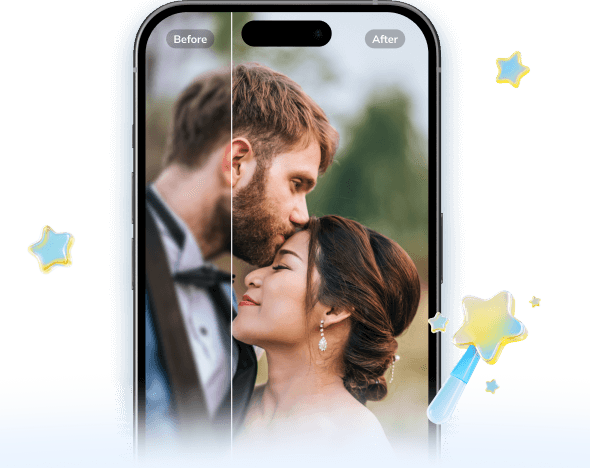
 Preset motion styles — Wave, Dance, Clap, Cheers & more
-
Works on old, faded, and black-and-white photos
-
No editing skills required — generate in seconds
-
One tap turns any still image into a moving memory.
Integrating this tool into a lesson plan is simple and highly effective.
Step 1: Source High-Quality Historical Images
Find clear, public domain portraits of historical figures relevant to your lesson. Excellent sources include the Library of Congress, national archives, and university digital collections. Focus on portraits where the face is visible.
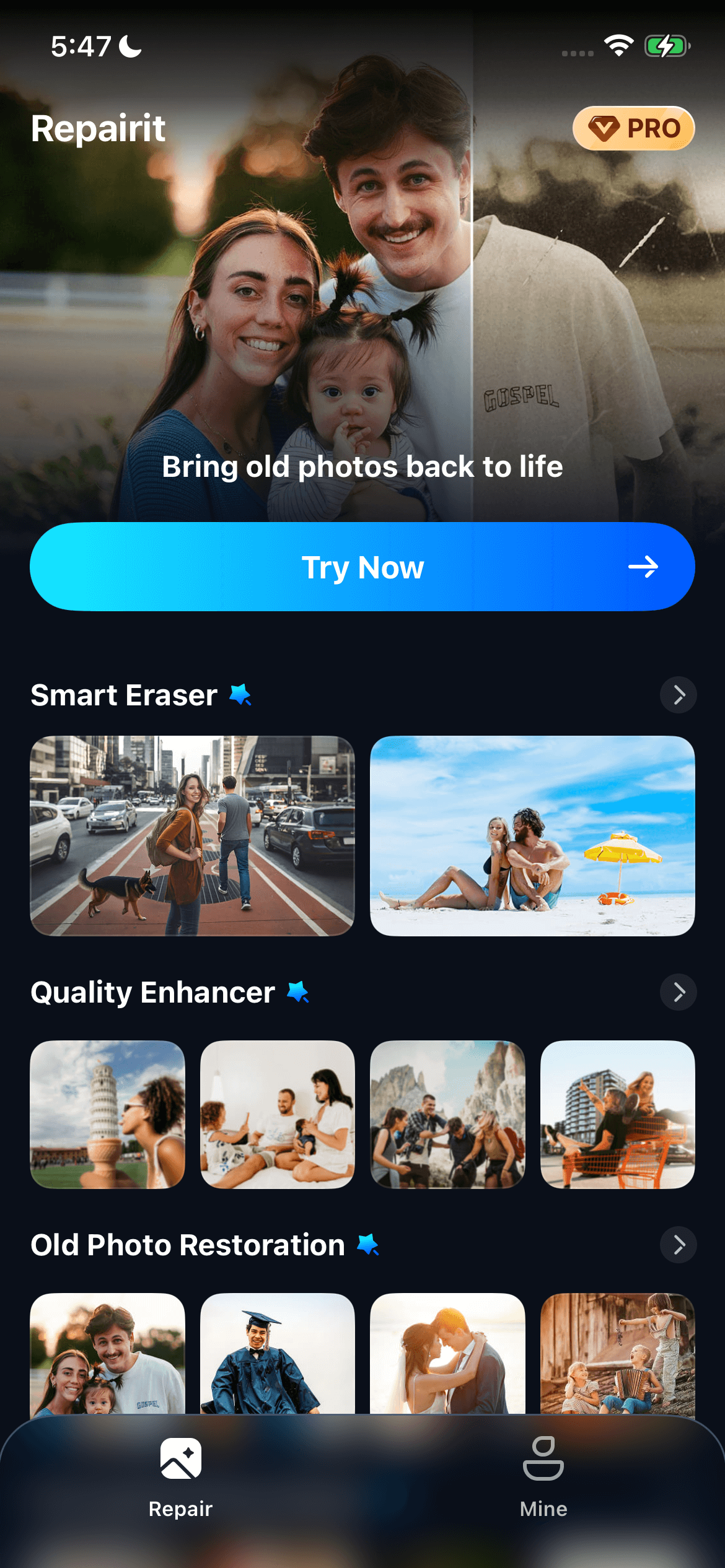
Step 2: Animate with Relumi's "Relive" Preset
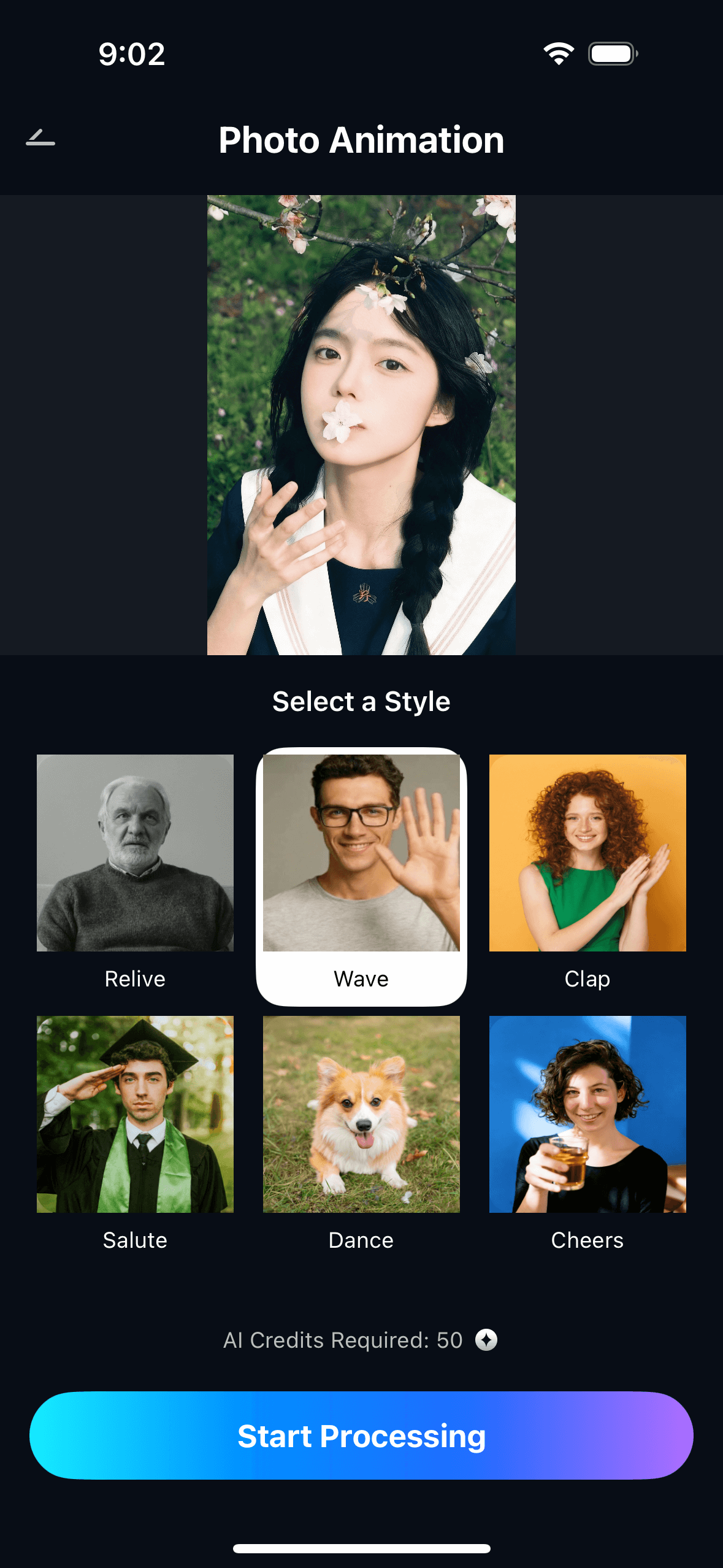
Upload the image to Relumi and select the "Relive" animation mode. This will add subtle, respectful motion—a blink, a soft breath. The goal is not to make the figure dance, but to gently remind students that this was a living, breathing person.
Step 3: Embed the Animated Clip in Your Presentation
Insert the short, looping video clip into your PowerPoint, Google Slides, or other presentation software. When you reach the part of your lesson about that person, let the animated image play. The subtle movement will capture and hold student attention in a way a static image never could.

Part 3: Powerful Classroom Applications Across Subjects
The applications for this technique extend far beyond a standard history lesson.
- History and Social Studies: Imagine teaching a unit on World War I and showing a looping, animated portrait of a young soldier, his eyes gently blinking, as you discuss the human cost of the war. It makes the statistics real . Or animate a photo of a suffragette and have her "look" at the class as you discuss her fight for the right to vote.
- Literature and Language Arts: When studying a author like Charles Dickens or Emily Dickinson, animate their portrait. It transforms them from a name on a book cover into a person who once lived, thought, and created. This can deepen students' connection to the text .
- Art and Humanities: Animate a self-portrait of an artist like Van Gogh. Discuss how the subtle animation might change our perception of the artist's mood or intent. It's a fantastic way to blend art history with modern technology.
Conclusion
The goal of education is not just to transfer facts, but to foster understanding and connection. Relumi's "Relive" feature offers educators a groundbreaking tool to achieve this. By gently animating the faces of history, we can help our students see the past not as a collection of dates and events, but as a story filled with real people, whose lives, hopes, and struggles connect directly to our own.
Frequently Asked Questions
-
Is it ethical to animate historical figures?
When done with respect and for educational purposes, it is a powerful tool for fostering connection and empathy. The key is subtlety. Relumi's "Relive" mode is designed for gentle, respectful animation, not for trivializing or distorting history. -
Are there copyright issues with using historical photos?
Most photos from the 19th and early 20th centuries are in the public domain, especially those held by government archives. Always check the source website for usage rights. Many archives explicitly allow educational use. -
Can I animate group photos of historical events?
Yes, but for a classroom presentation, it's often more impactful to focus on a close-up portrait of a key individual where the facial details are clear. -
What tech do I need in the classroom to show these?
Any standard classroom projector or smartboard will display the animated clips perfectly. The files are standard video formats like MP4.